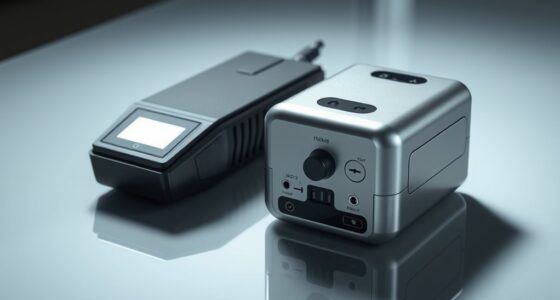
For high-end VR gaming, my best overall pick is the Meta Quest 3 512GB: it combines standalone play, PC VR support, and a sharper mixed-reality experience without requiring a gaming PC for every session. The Pimax Crystal Super stands out for PC players who put visual detail and a wide field of view first, while the Valve Index remains a compelling choice for room-scale gaming built around base-station tracking. The central tradeoff is between easy setup and a large standalone library on one side, and PC-powered image quality, tracking, and performance on the other. Headset fit, connection requirements, and the state of older models also affect which option makes sense. Read on for the full breakdown of how these 15 headsets compare and which one best matches your setup.

Get movie nights delivered free with Prime
- Fast, free delivery on millions of items
- Prime Video, Amazon Music and more included
- Member-only deals all year
Complete the kit

Key Takeaways
- Meta Quest 3 512GB is the most flexible gaming pick: standalone play and PC VR support make it easier to use across different gaming setups than the PC-only systems.
- Pimax Crystal Super targets visual-first PC gamers: its high-resolution panels and wide field of view are geared toward detailed simulation and PC gaming, but demand more from the computer and setup.
- Crystal Light models trade versatility for focused PC VR value: they suit sim players who want a detailed image, while Quest models are better for wireless play and standalone titles.
- Valve Index still has a room-scale niche: its external tracking system and controllers appeal to players who prioritize tracked movement, but setup space and older hardware are real drawbacks.
- Quest 2, Rift S, and renewed headsets need extra scrutiny: lower capability or uncertain condition can outweigh their appeal if the buyer wants a long-lived, premium gaming system.
| Pimax Crystal Super VR Headset |  | Best for High-Detail PC Sim Racing and Flight Sims | Resolution: 3840 x 3840 per eye | Field of view: 140° | Display technology: QLED and Mini-LED with local dimming | VIEW ON AMAZON | See Our Full Breakdown |
| Meta Quest 3 512GB VR Headset Bundle – Gorilla Tag Cardboard Monkenaut + 3-Month Meta Horizon+ Trial |  | Best Premium Standalone Gaming Bundle | Storage: 512 GB | Memory: 8 GB RAM | Processor: Snapdragon XR2 Gen 2 | VIEW ON AMAZON | See Our Full Breakdown |
| Oculus Newest Quest 2 Gaming VR Headset 128GB Set |  | Best Quest 2 Accessory Set | Storage: 128 GB | Resolution per eye: 1832 x 1920 pixels | Refresh rate: Up to 90 Hz | VIEW ON AMAZON | See Our Full Breakdown |
| HTC Vive Focus Vision with Facial Tracker |  | Best for Facial Tracking and PC/Standalone Flexibility | Resolution per eye: 2448 x 2448 pixels | Field of view: 120° | Refresh rate: 90 Hz | VIEW ON AMAZON | See Our Full Breakdown |
| Meta Quest 2 – Advanced All-In-One Virtual Reality Headset – 128 GB |  | Best for Entry-Level Standalone Gaming | Storage: 128 GB | Display resolution: 1832 x 1920 pixels | Display type: LCD | VIEW ON AMAZON | See Our Full Breakdown |
| Meta Quest 3S 128GB Virtual Reality Headset (Renewed Premium) |  | Best Wireless Entry to Current-Generation Gaming | Storage: 128 GB | Processor: Snapdragon XR2 Gen 2 | RAM: 8 GB | VIEW ON AMAZON | See Our Full Breakdown |
| Pimax Crystal Light VR Headset with Controllers, 8K QLED Display with Local Dimming, Lightweight & Comfortable for Flight Sims, iRacing & PC Gaming |  | Best for High-Detail PC Sim Gaming | Display: QLED, 5760 × 2880 pixels | Field of view: 130 degrees | Refresh rate: 72Hz / 90Hz / 120Hz | VIEW ON AMAZON | See Our Full Breakdown |
| Oculus Quest 2 Advanced All-in-One Virtual Reality Gaming Headset 128GB – White |  | Best for Budget-Conscious First-Time VR Buyers | Storage: 128 GB | Display resolution per eye: 1832 × 1920 pixels | Processor: High-performance processor | VIEW ON AMAZON | See Our Full Breakdown |
| Oculus Rift S VR Gaming Headset |  | Best for Windows PC VR Libraries | Platform: Windows PC VR | Maximum display resolution: 2560 × 1440 pixels | Display type: LCD | VIEW ON AMAZON | See Our Full Breakdown |
| Meta Quest 3 512GB VR Headset with Batman: Arkham Shadow |  | Best Overall Standalone Gaming Pick | Storage: 512 GB | Processor: Snapdragon XR2 Gen 2 | Memory: 8 GB RAM | VIEW ON AMAZON | See Our Full Breakdown |
| Valve Index VR Full Kit (Renewed) |  | Best Renewed Full Kit | Resolution: 1440 x 1600 pixels per eye | Refresh rate: 60 Hz | Screen size: 6 inches | VIEW ON AMAZON | See Our Full Breakdown |
| Valve Index VR Full Kit |  | Best for Fast, Room-Scale PC VR | Display: Dual 1440 x 1600 LCDs | Maximum resolution: 2880 x 1600 | Refresh rate: 144 Hz | VIEW ON AMAZON | See Our Full Breakdown |
| HTC Vive Focus Vision Wired Bundle XR Headset with DisplayPort PC VR Streaming Kit |  | Best Hybrid PC and Standalone Headset | Resolution: 2448 x 2448 pixels per eye | Field of view: 120 degrees | Refresh rate: 90 Hz | VIEW ON AMAZON | See Our Full Breakdown |
| Pimax Crystal Light VR Headset for PC, 2880×2880 per Eye, 8K QLED Display with Local Dimming, Inside-Out Tracking | | Best for Visual Detail in PC Sims | Resolution: 2880 x 2880 pixels per eye | Display technology: QLED with HDR and local dimming | Refresh rate: 120 Hz | VIEW ON AMAZON | See Our Full Breakdown |
| Meta Quest 3S 256GB VR Headset |  | Best Wireless Gaming Pick | Storage: 256 GB | Memory: 8 GB RAM | Processor: Snapdragon XR2 Gen 2 | VIEW ON AMAZON | See Our Full Breakdown |
| highend vr headsets for gaming | Refresh rate | Connectivity | Field of view |
|---|---|---|---|
| Pimax Crystal Super VR Headset | 90 Hz and beyond | DisplayPort | 140° |
| Meta Quest 3 512GB VR Headset | Up to 120 Hz | Bluetooth and USB-C | — |
| Oculus Newest Quest 2 Gaming V | Up to 90 Hz | USB-C and wireless internet | 110° |
| HTC Vive Focus Vision with Fac | 90 Hz | DisplayPort and Wi-Fi | 120° |
| Meta Quest 2 | 90 Hz | Wi-Fi | — |
| Meta Quest 3S 128GB Virtual Re | 90 Hz | — | 96 degrees |
| Pimax Crystal Light VR Headset | 72Hz / 90Hz / 120Hz | HDMI, USB | 130 degrees |
| Oculus Quest 2 Advanced All-in | — | — | — |
| Oculus Rift S VR Gaming Headse | — | — | 110 degrees |
| Meta Quest 3 512GB VR Headset | — | Wi-Fi, USB Type-C | 110 degrees |
| Valve Index VR Full Kit | 60 Hz | USB | — |
| Valve Index VR Full Kit | 144 Hz | USB | 130 degrees |
| HTC Vive Focus Vision Wired Bu | 90 Hz | DisplayPort, USB, Wi-Fi; Ethernet for PC streaming | 120 degrees |
| Pimax Crystal Light VR Headset | 120 Hz | — | — |
| Meta Quest 3S 256GB VR Headset | — | Wireless | — |
More Details on Our Top Picks
Pimax Crystal Super VR Headset
I rank the Pimax Crystal Super first for players who want a premium PC gaming image rather than a wireless, all-purpose headset. Its 3840 x 3840 resolution per eye can make cockpit labels and distant scenery easier to read, while the 140° field of view gives racing and flight games more peripheral context than the HTC Vive Focus Vision’s 120°. QLED and Mini-LED with local dimming also target stronger contrast. Eye-tracking adds another layer for supported software, but this headset depends on a DisplayPort-connected PC and enough graphics power to drive its demanding panels. Compared with the standalone Meta Quest 3, the Pimax trades portability and simple setup for a sharper, wider PC sim experience. I would skip it if wireless play or quick plug-and-play use matters more than visual detail.
Pros:- 3840 x 3840 resolution per eye is suited to fine cockpit instruments and distant scenery.
- 140° field of view exceeds the HTC Vive Focus Vision’s listed 120°.
- QLED and Mini-LED display with local dimming targets high-contrast visuals.
- Eye-tracking and spatial audio add supported immersion and interaction.
Cons:- High-resolution PC VR can demand substantial graphics hardware.
- DisplayPort connection limits untethered play.
- Setup may be more involved than the standalone Meta Quest 3.
Best for: PC sim racers and flight-sim players with a powerful gaming computer who prioritize readable cockpit details and a wide view.
Not ideal for: Players seeking wireless, standalone gaming or a straightforward setup; it requires a compatible PC, DisplayPort connection, and more configuration than the Quest 3.
- Resolution:3840 x 3840 per eye
- Field of view:140°
- Display technology:QLED and Mini-LED with local dimming
- Refresh rate:90 Hz and beyond
- Eye-tracking:Yes
- Connectivity:DisplayPort
- Audio:3D spatial audio with noise-canceling microphone
- Compatibility:PC
Our verdict“Choose the Pimax Crystal Super if your priority is a wide, highly detailed PC sim view and you have the hardware to drive it.”
Meta Quest 3 512GB VR Headset Bundle – Gorilla Tag Cardboard Monkenaut + 3-Month Meta Horizon+ Trial
The Meta Quest 3 512GB is my pick for players who want current-generation standalone gaming without committing to a PC headset. Its Snapdragon XR2 Gen 2 processor, 120 Hz refresh-rate support, and 512 GB storage make it better equipped for a large game library than the 128 GB Quest 2 options in this roundup. Dual RGB passthrough cameras also support mixed-reality play, giving it a broader role than the PC-only Pimax Crystal Super. This listing adds Gorilla Tag-themed items and a Horizon+ trial, which are extras rather than reasons to choose the headset for every game. The tradeoff is runtime: the stated average battery life is about 2.2 hours, and the LCD display does not match the Pimax’s much higher per-eye resolution. Choose it for convenience and game variety, not sim-grade visual precision.
Pros:- Standalone wireless play avoids a required gaming PC or DisplayPort cable.
- 512 GB storage gives a large library more room than the 128 GB Quest 2 models.
- Snapdragon XR2 Gen 2 and 8 GB RAM support its standalone game and app workload.
- Dual RGB passthrough cameras support mixed-reality experiences.
Cons:- Average battery life is listed at about 2.2 hours.
- LCD resolution per eye is far below the Pimax Crystal Super’s listed resolution.
- The bundle’s themed accessories and trial may have limited value for players outside its included content.
Best for: Standalone players who want substantial game storage, mixed-reality features, and a bundle oriented around Gorilla Tag.
Not ideal for: Sim enthusiasts seeking the highest per-eye resolution or players who need long sessions without charging; the Pimax Crystal Super is better suited to demanding PC visuals.
- Storage:512 GB
- Memory:8 GB RAM
- Processor:Snapdragon XR2 Gen 2
- Resolution per eye:2064 x 2208 pixels
- Refresh rate:Up to 120 Hz
- Display type:LCD
- Average battery life:About 2.2 hours
- Connectivity:Bluetooth and USB-C
- Passthrough cameras:Dual RGB
Our verdict“Pick this Quest 3 bundle for wireless gaming, mixed reality, and generous storage rather than maximum PC-VR image detail.”
Oculus Newest Quest 2 Gaming VR Headset 128GB Set
This Quest 2 128GB set makes the most sense for a player who wants standalone VR with useful grip and controller additions already in the package. The headset’s 1832 x 1920 resolution per eye and 90 Hz refresh rate support familiar all-in-one gaming, while the included silicone grip covers and adjustable knuckle straps address controller security during active games. That bundle distinction matters more here than raw performance: the newer Meta Quest 3 512GB has a stronger processor, more storage, and mixed-reality cameras, while the Quest 2 set offers a simpler route into its existing library. The 128 GB capacity can fill quickly for players who install many large games, and PC VR requires a compatible computer and a separately sold Link cable. I’d choose this over the plain Quest 2 only if the included controller accessories are useful to you.
Pros:- Standalone play works without a PC or console.
- 1832 x 1920 resolution per eye and 90 Hz refresh rate suit general VR gaming.
- Included anti-slip controller covers help maintain grip during movement-heavy games.
- Adjustable knuckle straps let players loosen their grip without setting controllers down.
Cons:- 128 GB storage is restrictive for players with a large installed library.
- The Quest 2 generation lacks the Quest 3’s newer processor and passthrough camera features.
- PC VR requires a compatible computer and a Link cable sold separately.
Best for: First-time standalone players who want Quest 2 compatibility plus controller grip covers and adjustable knuckle straps for active games.
Not ideal for: Buyers who want the latest standalone hardware, larger storage, or mixed-reality features; the Meta Quest 3 512GB is a more capable option.
- Storage:128 GB
- Resolution per eye:1832 x 1920 pixels
- Refresh rate:Up to 90 Hz
- Field of view:110°
- Display type:LCD
- Connectivity:USB-C and wireless internet
- Platform:Meta Quest 2; PC VR compatible
- Included accessories:Silicone cover, anti-slip controller grip covers, adjustable knuckle straps, glasses spacer, charging cable, and power adapter
Our verdict“Choose this Quest 2 set if you want an accessible standalone headset and will use its included controller grips and straps.”
HTC Vive Focus Vision with Facial Tracker
The HTC Vive Focus Vision suits players who want tracking features beyond the usual head and controller movement. Its listed 2448 x 2448 resolution per eye and 120° field of view offer a strong visual target, while facial and eye tracking can support more expressive social play where software makes use of them. Its hybrid approach—standalone and PC-connected VR—also gives it more flexibility than the DisplayPort-only Pimax Crystal Super, though the Pimax lists a wider 140° field of view and much higher per-eye resolution. That makes the Pimax the clearer choice for sim-first image fidelity; the Vive Focus Vision’s differentiator is its tracking and platform range. The 90 Hz refresh rate is below the Quest 3’s listed 120 Hz, and the product information leaves battery life and weight unspecified. I’d pick it for supported social or mixed-use applications, not solely for fast-paced gaming.
Pros:- 2448 x 2448 pixels per eye provide detailed displays.
- Facial and eye tracking can enable more expressive supported interactions.
- Supports standalone and PC-connected VR use.
- 120° field of view is wider than the Quest 2’s listed 110°.
Cons:- 90 Hz refresh rate is lower than the Quest 3’s listed 120 Hz.
- Battery life and weight are not specified in the supplied product data.
- Multiple connectivity options may add setup complexity.
Best for: VR social players and mixed-use buyers who value facial and eye tracking alongside both standalone and PC-connected play.
Not ideal for: PC sim players chasing maximum resolution or the widest view; the Pimax Crystal Super lists both a higher per-eye resolution and a wider field of view.
- Resolution per eye:2448 x 2448 pixels
- Field of view:120°
- Refresh rate:90 Hz
- Connectivity:DisplayPort and Wi-Fi
- Platform:Windows 10
- Tracking:Inside-out, facial, and eye tracking
- Controller type:Motion-sensing controllers
Our verdict“Choose the Vive Focus Vision when facial tracking and flexible standalone or PC use matter more than the Pimax Crystal Super’s sim-focused visual specifications.”
Meta Quest 2 – Advanced All-In-One Virtual Reality Headset – 128 GB
The Meta Quest 2 128GB is the straightforward pick for players who want standalone VR without buying a gaming PC. Its 1832 x 1920 display resolution, hand tracking, Touch controllers, and built-in positional audio cover the basics for a broad mix of games and social experiences. Against the Quest 2 accessory set in this roundup, this version is the cleaner choice if you do not need added grip covers or knuckle straps; against the Meta Quest 3 512GB, it gives up newer processing hardware, storage, and mixed-reality passthrough. Its 128 GB capacity also calls for selective installs, and extended play is bounded by the built-in battery. This is not a high-end visual alternative to the Pimax Crystal Super, but it can be a sensible first step into VR gaming for buyers who value wireless access and ease of setup over premium PC fidelity.
Pros:- Standalone design requires no PC or console for supported games.
- Hand tracking adds an alternate way to interact beyond the Touch controllers.
- Built-in 3D positional audio helps convey in-game direction without a separate audio setup.
- PC VR compatibility offers an upgrade path with a compatible computer and Link cable.
Cons:- 128 GB storage may require uninstalling games to make room for others.
- The Quest 3 512GB has newer processing hardware and more storage.
- Built-in battery limits uninterrupted play sessions.
Best for: New VR players who want a wireless all-in-one gaming headset and do not need the Quest 3’s added storage or newer hardware.
Not ideal for: Players with large game libraries, extended-session needs, or a focus on high-end PC graphics; consider the Quest 3 512GB or Pimax Crystal Super instead.
- Storage:128 GB
- Display resolution:1832 x 1920 pixels
- Display type:LCD
- Refresh rate:90 Hz
- Connectivity:Wi-Fi
- Platform:Meta Quest
- Battery capacity:3640 mAh
- Tracking and audio:Hand tracking and 3D audio
Our verdict“Choose the Quest 2 if you want a simple standalone introduction to VR and can accept older hardware and limited storage.”
Meta Quest 3S 128GB Virtual Reality Headset (Renewed Premium)
The Meta Quest 3S makes the most sense for players who want current-generation wireless games without committing to a PC-tethered setup. Its Snapdragon XR2 Gen 2 processor and 8GB of RAM give it a stronger gaming foundation than the older Oculus Quest 2, while standalone play avoids a gaming-PC requirement. It also has passthrough cameras for mixed-reality features, though the listed 96-degree field of view is narrower than the Quest 3’s 110 degrees. The tradeoffs are a 128GB library limit and battery life of just over two hours, so larger libraries and long sessions call for more planning. At 515 g, it may also feel heavy during extended play. I’d pick it over the Rift S for wireless flexibility, but not over the Quest 3 if display coverage and storage matter more.
Pros:- Standalone wireless play allows movement without a PC cable.
- Snapdragon XR2 Gen 2 and 8GB RAM support current-generation gameplay.
- Passthrough cameras enable mixed-reality features.
- Over two hours of stated battery life supports a solid play session.
Cons:- 128GB storage leaves less room for a large installed game library.
- Battery life is limited for extended sessions.
- The 515 g weight may become tiring during prolonged wear.
Best for: Players who want a standalone wireless headset for current Meta Quest games and do not need a large local game library.
Not ideal for: Long-session players or buyers who prioritize a wider field of view and more storage than this 128GB model offers.
- Storage:128 GB
- Processor:Snapdragon XR2 Gen 2
- RAM:8 GB
- Display:LCD, 2064 × 2208 pixels
- Refresh rate:90 Hz
- Field of view:96 degrees
- Battery life:Over 2 hours
- Weight:515 g
Our verdict“Choose the Quest 3S for current-generation standalone gaming and wireless freedom; pick the Quest 3 if its wider stated field of view and 512GB storage better fit your library.”
Pimax Crystal Light VR Headset with Controllers, 8K QLED Display with Local Dimming, Lightweight & Comfortable for Flight Sims, iRacing & PC Gaming
The Pimax Crystal Light is the specialist pick here for PC players who care most about readable detail in flight and racing simulations. Its listed 5760 × 2880 QLED resolution and 130-degree field of view give it a more expansive, high-detail target than the standalone Meta Quest 3, while SteamVR compatibility points it toward a PC gaming setup. A selectable 72Hz, 90Hz, or 120Hz refresh rate lets players balance motion smoothness against the demands on their graphics card. That flexibility matters, but this is not the straightforward console-like choice: it requires a compatible PC and uses HDMI and USB connections. The stated 815 g weight is also substantial, despite the product’s comfort claims. Compared with the Quest 3, the Pimax favors simulation visuals over wireless convenience and all-in-one simplicity.
Pros:- High listed QLED resolution supports detailed cockpit and track visuals.
- 130-degree field of view is broader than the Quest 3’s listed 110 degrees.
- 72Hz, 90Hz, and 120Hz modes offer options for different PC performance levels.
- SteamVR compatibility targets a broad PC VR gaming environment.
Cons:- Requires a personal computer, unlike the standalone Quest 3 and Quest 3S.
- At 815 g, the stated weight may challenge comfort in long sessions.
- Wired HDMI and USB connections limit freedom of movement.
Best for: PC flight-sim and racing-sim players with capable gaming hardware who value high resolution and a broad field of view.
Not ideal for: Buyers seeking a standalone wireless headset, a lightweight fit, or gaming without a PC setup.
- Display:QLED, 5760 × 2880 pixels
- Field of view:130 degrees
- Refresh rate:72Hz / 90Hz / 120Hz
- Screen size:6 inches
- Connectivity:HDMI, USB
- Platform:SteamVR
- Compatible device:Personal computer
- Weight:815 g
Our verdict“Choose the Pimax Crystal Light for detailed PC simulation gaming, but choose the Meta Quest 3 if you want wireless play and a simpler all-in-one setup.”
Oculus Quest 2 Advanced All-in-One Virtual Reality Gaming Headset 128GB – White
The Oculus Quest 2 suits newcomers who want an all-in-one headset and useful setup accessories without needing a gaming PC. Its 1832 × 1920 pixels per eye display and included Touch controllers offer a straightforward way into VR gaming, while the silicone grips and adjustable straps address controller handling and fit. The bundle also includes a glasses spacer, covers, charging cable, and power adapter, making it more ready to set up than the Oculus Rift S, which is limited to Windows PC VR. The age of this model is the key tradeoff: the Quest 3S uses a newer listed processor and more RAM, so buyers focused on current-generation hardware should look there instead. Quest 2 controllers also rely on disposable AA batteries. I’d choose this for a basic standalone start, not as the strongest high-end gaming option in the group.
Pros:- All-in-one headset supports play without a gaming PC.
- 1832 × 1920 pixels per eye provides a clearly specified display resolution.
- Included glasses spacer and covers make the bundle more setup-ready.
- Silicone controller grips and adjustable straps support handling and fit.
Cons:- Older hardware is less current than the Quest 3S and Quest 3.
- Touch controllers use disposable AA batteries.
- The 128GB capacity limits how many games can remain installed.
Best for: First-time VR buyers who want a self-contained headset, included setup accessories, and a simple route into gaming.
Not ideal for: Players prioritizing newer-generation processing or buyers who want rechargeable controllers and the latest hardware platform.
- Storage:128 GB
- Display resolution per eye:1832 × 1920 pixels
- Processor:High-performance processor
- Controller grips:Silicone
- Strap:PU with Velcro adjustment
- Included controllers:Two Touch controllers
- Included accessories:Two AA batteries, silicone cover, glasses spacer, charging cable, power adapter
Our verdict“Pick the Quest 2 for an accessible standalone introduction to VR, but choose the Quest 3S for newer processing and a more current gaming platform.”
Oculus Rift S VR Gaming Headset
The Oculus Rift S is the PC-only choice for buyers who already have a Windows gaming computer and want access to PC VR games without placing external tracking sensors around the room. Its inside-out Insight tracking keeps setup simpler than a sensor-based system, and the Halo headband with a fit wheel offers a practical adjustment method. Compared with the wireless Meta Quest 3, the Rift S relies on a PC connection, giving up untethered play and standalone use in exchange for a dedicated PC VR approach. Its listed 2560 × 1440 maximum resolution is also less ambitious than the Pimax Crystal Light’s 5760 × 2880 listing. Windows-only compatibility narrows its audience, and the product description says a Facebook account is required to log in. I’d consider it only when PC VR access matters more than current wireless features.
Pros:- Inside-out Insight tracking avoids external sensor installation.
- Windows PC VR compatibility targets a dedicated computer gaming setup.
- Halo headband and quick-adjust wheel allow fit adjustment.
- The listed 110-degree field of view is wider than the Quest 3S’s 96 degrees.
Cons:- Requires a Windows PC and is not a standalone headset.
- Wired PC use restricts movement compared with Quest 3 and Quest 3S.
- The listed maximum resolution trails the Pimax Crystal Light.
Best for: Windows PC gamers with a compatible computer who want inside-out tracking and a dedicated PC VR headset.
Not ideal for: Console and Mac players, or anyone seeking wireless standalone play or higher listed display resolution.
- Platform:Windows PC VR
- Maximum display resolution:2560 × 1440 pixels
- Display type:LCD
- Field of view:110 degrees
- Screen size:4 inches
- Connector:USB 3.0
- Tracking:Inside-out Insight tracking
- Model number:301-00178-01
Our verdict“Choose the Rift S only if you want a Windows PC VR headset with inside-out tracking; choose the Quest 3 for wireless gaming or the Pimax for higher listed resolution.”
Meta Quest 3 512GB VR Headset with Batman: Arkham Shadow
The Meta Quest 3 is my strongest all-around choice here for players who want current standalone gaming, mixed reality, and room for a substantial installed library. Its 512GB storage is four times the capacity of the listed Quest 3S and Quest 2 models, while the Snapdragon XR2 Gen 2 and 8GB RAM match the Quest 3S’s stated core processing and memory. The Quest 3 pulls ahead on the listed display figures: its 110-degree field of view is broader than the Quest 3S’s 96 degrees, and it offers a stated 4096 × 2160 resolution. Unlike the Pimax Crystal Light, it needs no PC for standalone play, though the Pimax’s higher listed resolution and wider field of view suit simulation-focused PC users better. Battery life is about 2.4 hours, so marathon sessions still call for breaks or charging.
Pros:- 512GB storage supports a larger installed library than the listed 128GB Quest models.
- Snapdragon XR2 Gen 2 and 8GB RAM support current-generation standalone gaming.
- 110-degree field of view is broader than the Quest 3S’s listed 96 degrees.
- Wireless operation and included Batman: Arkham Shadow add standalone gaming convenience.
Cons:- Approximately 2.4 hours of battery life limits uninterrupted long sessions.
- The Pimax Crystal Light offers higher listed resolution and a wider field of view for PC-focused use.
- Headset weight is not specified in the supplied product data.
Best for: Standalone VR players who want current-generation gaming, mixed-reality features, and ample storage for a broad installed library.
Not ideal for: PC simulation enthusiasts who prioritize the Pimax Crystal Light’s higher listed resolution and wider field of view.
- Storage:512 GB
- Processor:Snapdragon XR2 Gen 2
- Memory:8 GB RAM
- Display:LCD, 4096 × 2160 pixels
- Field of view:110 degrees
- Battery life:2.4 hours
- Connectivity:Wi-Fi, USB Type-C
- Included game:Batman: Arkham Shadow
Our verdict“Choose the Quest 3 for a capable standalone headset with ample storage, while simulation players focused on maximum listed visual detail should compare it with the Pimax Crystal Light.”
Valve Index VR Full Kit (Renewed)
The renewed Valve Index Full Kit is the most direct route here to room-scale PC VR with the headset, Knuckles controllers, and base stations together. Its 1440 x 1600 resolution per eye supports detailed game scenes, while the included tracking hardware gives it a more complete setup than the Pimax Crystal Light, which relies on inside-out tracking. The tradeoff is the uncertainty that comes with a refurbished unit: this listing specifies a 90-day limited warranty, and its stated 60 Hz refresh rate is below the 120 Hz listed for the Pimax. Its listed 16-pound weight is also a serious concern for comfort, though that figure may describe the kit rather than the headset alone. I’d choose it for the bundled Index controls, not for cutting-edge display performance.
Pros:- Full kit includes controllers and base stations for room-scale VR
- Knuckles controllers support expressive hand interaction
- 1440 x 1600 resolution per eye offers detailed PC VR visuals
- Renewed condition is described as inspected and tested
Cons:- The listed 60 Hz refresh rate is lower than the 120 Hz Pimax Crystal Light spec
- 90-day limited warranty provides a short coverage window
- Listed 16-pound weight is unusually high and creates uncertainty about comfort
Best for: PC VR buyers who specifically want Valve’s Knuckles controllers and base-station tracking in one renewed package.
Not ideal for: Buyers who want a long warranty, a lightweight headset, or a clearly documented high refresh rate.
- Resolution:1440 x 1600 pixels per eye
- Refresh rate:60 Hz
- Screen size:6 inches
- Controller type:Knuckles
- Connectivity:USB
- Operating system:Linux
- Listed weight:16 pounds
- Warranty:90 days limited
Our verdict“Choose this renewed kit if bundled Knuckles controllers and base stations matter more to you than warranty length and the higher refresh rates of newer PC VR options.”
Valve Index VR Full Kit
The Valve Index Full Kit earns its place for PC players who value responsive motion and natural controller interaction over maximum pixel density. Its listed 144 Hz refresh rate and 130-degree field of view favor smooth, expansive play, while adjustments for IPD, eye relief, head size, and speaker position give more users ways to tune the fit. Compared with the Pimax Crystal Light, the Index has a lower stated resolution but a wider listed field of view and a higher refresh ceiling. The cost of that focus is a tethered PC setup and the need for compatible hardware; this is not the convenient all-in-one route offered by the Meta Quest 3S. The listing gives a 30-day return guarantee but no weight specification, so fit and long-session comfort are harder to judge from the supplied data.
Pros:- 144 Hz refresh rate supports smooth motion in fast games
- 130-degree field of view gives a broad view of the game world
- Adjustments for IPD, eye relief, head size, and speaker position help tailor fit
- Full kit is aimed at PC VR play with a complete headset-and-controller setup
Cons:- Requires a compatible PC and a tethered setup
- 1440 x 1600 LCD resolution per eye is below the Pimax Crystal Light’s stated resolution
- Product data does not specify weight, and the listed return guarantee is limited to 30 days
Best for: PC VR enthusiasts who prioritize high refresh, a wide field of view, and extensive headset-fit adjustments for active room-scale games.
Not ideal for: Wireless-first players or buyers seeking the sharpest per-eye resolution, since the headset requires a compatible PC and trails the Pimax Crystal Light in stated resolution.
- Display:Dual 1440 x 1600 LCDs
- Maximum resolution:2880 x 1600
- Refresh rate:144 Hz
- Field of view:130 degrees
- IPD adjustment:58 mm–70 mm
- Platform compatibility:PC VR, Windows, Linux, PlayStation Vita, Meta Rift (as listed)
- Connectivity:USB
- Return guarantee:30 days
Our verdict“Pick the Index Full Kit for high-refresh, wide-view PC gaming and fit adjustments, but choose the Pimax Crystal Light if per-eye detail matters more.”
HTC Vive Focus Vision Wired Bundle XR Headset with DisplayPort PC VR Streaming Kit
The HTC Vive Focus Vision is the most flexible pick in this group for buyers who want standalone XR alongside a route to PC VR. Its 2448 x 2448 resolution per eye, 120-degree field of view, eye and hand tracking, and depth sensing make it more feature-rich than the wired-only Valve Index options. The DisplayPort bundle targets a direct PC connection, while Wi-Fi or Ethernet streaming adds another way to play; those paths also mean more setup than the wireless Meta Quest 3S. A hot-swappable battery with a reserve front battery can support longer sessions without waiting for a recharge, a practical advantage over the Quest 3S’s stated two-plus-hour battery life. That versatility comes with bulk from the battery and sensors, and buyers focused on PC image sharpness should compare its resolution with the Pimax Crystal Light.
Pros:- Supports standalone use as well as DisplayPort and network-based PC VR
- 2448 x 2448 resolution per eye and 120-degree field of view
- Eye tracking, hand tracking, and a depth sensor add mixed-reality capabilities
- Hot-swappable battery supports extended sessions without a full charging pause
Cons:- Battery pack and additional sensors can make the headset feel bulky
- PC streaming over a network calls for extra connectivity setup
- Its stated resolution per eye is lower than the Pimax Crystal Light’s 2880 x 2880
Best for: VR players who want one headset for standalone experiences and both wired or streamed PC VR, plus tracking features for mixed reality.
Not ideal for: Buyers seeking a simple, lightweight wireless headset or a PC-only headset focused on maximum listed resolution per eye.
- Resolution:2448 x 2448 pixels per eye
- Field of view:120 degrees
- Refresh rate:90 Hz
- Memory:12 GB RAM
- Expandable storage:Up to 2 TB microSD
- Tracking:Eye tracking, hand tracking, infrared floodlight, and four cameras
- Battery:Hot-swappable with reserve front battery
- Connectivity:DisplayPort, USB, Wi-Fi; Ethernet for PC streaming
- Audio:3D spatial audio, dual-driver speakers, and 3.5 mm jack
Our verdict“Choose the Vive Focus Vision if switching between standalone and PC VR is worth more to you than a lighter design or the Pimax Crystal Light’s higher stated resolution.”
Pimax Crystal Light VR Headset for PC, 2880×2880 per Eye, 8K QLED Display with Local Dimming, Inside-Out Tracking
The Pimax Crystal Light is the clearest fit for PC gamers who put image detail ahead of wireless convenience. Its 2880 x 2880 resolution per eye, QLED display with HDR and local dimming, and listed 120 Hz refresh rate suit cockpit-heavy games where instruments, distant scenery, and smooth motion all matter. Against the Valve Index Full Kit, it offers much higher stated resolution per eye and inside-out tracking, but the Index lists a wider 130-degree field of view and 144 Hz refresh rate. The Crystal Light also lacks the Vive Focus Vision’s standalone mode and eye tracking, so its appeal is narrower: it is a PC headset for visual immersion rather than a hybrid XR device. At 815 grams, it carries noticeable weight, and the required PC and SteamVR setup make it a less convenient choice for quick, untethered sessions.
Pros:- 2880 x 2880 resolution per eye supports detailed PC game visuals
- QLED with HDR and local dimming is designed for vivid contrast and color
- 120 Hz refresh rate supports smooth gameplay
- Inside-out camera tracking avoids reliance on external base stations
Cons:- At 815 grams, the headset is heavy for extended sessions
- Requires a compatible PC and SteamVR setup
- Lacks the standalone operation and eye tracking listed for the Vive Focus Vision
Best for: PC sim players, including flight-sim and racing fans, who want fine visual detail and are comfortable with a wired PC VR setup.
Not ideal for: Wireless or standalone players, and buyers who prioritize a lighter headset or the Vive Focus Vision’s eye and hand tracking.
- Resolution:2880 x 2880 pixels per eye
- Display technology:QLED with HDR and local dimming
- Refresh rate:120 Hz
- Tracking:Inside-out camera tracking
- Weight:815 grams (28 ounces)
- Platform:PC VR
Our verdict“Choose the Crystal Light for high-detail PC sims and gaming; skip it if you want a lightweight, wireless headset or a broader standalone feature set.”
Meta Quest 3S 256GB VR Headset
The Meta Quest 3S 256GB makes the most sense for players who want to start gaming without building around a PC or installing external tracking hardware. Its wireless design, Snapdragon XR2 Gen 2 processor, and 8 GB of RAM support standalone play, while dual RGB cameras add color mixed-reality views. That convenience separates it from the Pimax Crystal Light and Valve Index kits, which are oriented around PC VR and wired connections. The tradeoff is a tighter session limit: the listed battery life is just over two hours, so longer play calls for charging breaks. Its product data also does not provide display resolution or refresh rate, making direct visual-performance comparisons with the high-resolution PC headsets difficult. I’d choose it for accessible wireless gaming, not for the sharpest stated image or extended sessions away from a charger.
Pros:- Wireless design allows untethered movement during gameplay
- Snapdragon XR2 Gen 2 processor and 8 GB RAM power standalone experiences
- Dual RGB color cameras support mixed-reality use
- 256 GB storage provides room for installed games and apps
Cons:- Listed battery life is only just over two hours
- Product data does not specify display resolution or refresh rate for comparison with PC-focused headsets
- Standalone wireless convenience does not replace the high-resolution PC focus of the Pimax Crystal Light
Best for: Players who want a self-contained wireless headset for standalone games and mixed-reality play, without making a PC VR setup the starting point.
Not ideal for: PC sim enthusiasts prioritizing high-resolution displays, or players who need long sessions without charging breaks.
- Storage:256 GB
- Memory:8 GB RAM
- Processor:Snapdragon XR2 Gen 2
- Battery life:Over 2 hours
- Cameras:Dual RGB color cameras
- Connectivity:Wireless
Our verdict“Pick the Quest 3S for straightforward wireless gaming and mixed reality, but choose a PC-focused headset for the specified high-resolution visuals and sim-oriented play.”

How We Picked
I ranked these headsets around the needs of someone choosing a high-end gaming system, not simply the longest feature list. The main criteria were visual clarity and field of view, tracking and controller usability, comfort for longer sessions, connection options, and access to standalone or PC VR games. I also weighed setup demands: a headset that needs a powerful PC, external sensors, or a dedicated play area is a different proposition from a self-contained model.
The ranking favors performance that is practical for gaming and a clear fit for a specific buyer. That puts the Quest 3 512GB ahead as a versatile all-rounder, while Pimax headsets rank strongly for PC players willing to accept greater hardware and setup demands. The Quest 3S versions and Quest 2 listings offer more accessible entry points, but they do not match the newer Quest 3’s display class. Older or renewed models rank lower when age, condition, or compatibility may limit their usefulness. Bundle contents and listing names can vary, so I would verify the exact configuration before buying.
Factors to Consider When Choosing Highend Vr Headsets For Gaming
Before choosing a headset, I would start with the games and hardware already in your setup. A headset can have excellent display specifications and still be the wrong fit if it does not work well with your PC, needs tracking hardware you cannot install, or lacks the kind of games you want to play.
Choose Standalone, PC VR, or Both
Standalone headsets run games without a computer, which makes them simpler to set up and easier to move between rooms. PC VR can deliver more detailed graphics, but the headset depends on a compatible computer and a stable wired or wireless connection. Hybrid models give you both paths, though PC streaming does not make every standalone headset perform like a dedicated high-end PC system. A common mistake is buying for a future gaming PC without checking whether that computer meets the headset and game requirements. I would decide which mode you will use most often, then treat the other mode as a bonus rather than a guarantee of equal performance. Players mainly interested in cockpit or simulation games may get more from a PC-focused headset, while casual multiplayer and room-scale players may prefer standalone flexibility.
Match Display Specifications to Your Games
Resolution, field of view, refresh rate, and lens design all shape what you see, but none tells the whole story on its own. High resolution can sharpen cockpit instruments and distant detail, yet it also asks more of the PC graphics card. A wider field of view can make the scene feel more expansive, though it may come with compromises in clarity, weight, or periphery sharpness. For fast action games, stable frame delivery and comfortable motion can matter more than chasing the highest pixel count. I would check whether your favorite games benefit from fine visual detail or broad peripheral vision before paying extra for display specifications. Also check whether a listing describes the headset’s panel resolution accurately and whether the stated figure is per eye or combined.
Account for Tracking Space and Setup
Inside-out tracking uses cameras on the headset and usually avoids separate room sensors, which can make setup much easier. Base-station tracking requires more installation and clear coverage, but some dedicated room-scale players prefer its tracking approach. Room size, reflective surfaces, lighting, and furniture can all affect how well a play space works, so a headset’s tracking method should fit the room you have. Buyers sometimes overlook the space needed for controllers to move freely, then discover that their planned games are uncomfortable to play. I would measure the usable area and check whether the headset needs external tracking gear before choosing. A simpler tracking system is often the better gaming choice when it means you will actually use the headset more often.
Treat Comfort and Fit as Performance Factors
A headset that feels heavy, presses on the face, or slips during movement can make long gaming sessions unpleasant regardless of its image quality. Facial interface shape, strap adjustment, balance, glasses clearance, and options for prescription lenses all affect fit. Weight alone is not a reliable guide because how that weight is distributed can matter just as much. Buyers should also check whether a bundle includes accessories that change fit or add bulk rather than assuming every package is identical. I would look for a return policy that allows a proper fit check, especially when buying a renewed unit or a model with a less familiar design. Comfort is personal, so specifications can narrow the shortlist but cannot guarantee a good fit.
Check PC Compatibility and Connection Needs
PC VR depends on more than having a gaming computer: graphics performance, ports, operating system support, connection method, and headset software all affect the experience. Wired connections can reduce reliance on home Wi-Fi, while wireless PC streaming gives more freedom but depends on a strong, low-interference network. DisplayPort-based headsets may require a compatible port and graphics card, so a USB-C connector alone does not prove a system will work. Before buying, check the manufacturer’s current compatibility guidance and the requirements for the specific games you plan to play. I would also leave headroom in PC performance rather than assuming a computer that meets a game’s minimum will deliver smooth VR. Compatibility checks are especially important for older headsets and listings that bundle a streaming kit.
Weigh Storage, Condition, and Long-Term Use
Standalone headset storage affects how many large games and apps you can keep installed at once, while PC VR libraries store most game files on the computer instead. More storage can reduce uninstalling and reinstalling, but it does not improve graphics or tracking. Renewed and older headsets introduce another tradeoff: they may suit a limited budget, but battery wear, missing accessories, discontinued support, or uncertain condition can reduce their useful life. I would confirm what is included, how returns and warranty coverage work, and whether replacement facial interfaces or controllers are available. Check the exact model generation rather than relying on a listing title that may combine several versions. For a headset meant to serve as a main gaming device for years, support and parts access deserve as much attention as the initial specification sheet.
Frequently Asked Questions
Is the Meta Quest 3 a better gaming choice than the Quest 3S?
For buyers who want a more premium all-round experience, I would favor the Quest 3 because its display and lens system are a meaningful step up for visual clarity. The Quest 3S still makes sense for standalone gaming if a lower-cost entry into the current Quest generation matters more than that display improvement. Both are standalone options, and the 3S can also support PC VR streaming, so the choice is not simply about whether one can play games. Think about how much time you spend in visually detailed games and whether you plan to use the headset often. If the headset is mainly for occasional play, the 3S may be enough; for frequent sessions, the Quest 3 is the stronger fit.
Do I need a gaming PC for the Pimax Crystal Super or Crystal Light?
These Pimax models are PC-focused headsets, so a compatible gaming PC is central to using them for their intended gaming experience. A powerful display does not compensate for a graphics card that cannot render demanding VR games at a smooth rate. Before choosing one, check the current requirements for the headset, your games, and any connection hardware included in the listing. Simulation games can benefit from the visual detail, but they may also place heavy demands on the computer. If you do not already have a suitable PC, include that upgrade and setup in your decision rather than comparing the headset alone. A standalone Quest model is the simpler choice if you want to start gaming without building a PC VR system.
Should I buy a renewed Valve Index, Quest 2, or Rift S for gaming?
I would consider these older or renewed options only after checking condition, included accessories, return terms, and compatibility with the games and computer you plan to use. The Valve Index can still appeal to room-scale PC players who want its tracking and controller setup, but it requires more installation than an inside-out headset. Quest 2 models retain a standalone library, while the Rift S is a PC headset with an older design and more limited flexibility. Renewed status does not tell you how much battery life remains or whether every accessory is present. If this will be your main headset for years, a newer model is generally the safer direction; if your needs are narrow, an older headset may still fit.
Is base-station tracking worth the extra setup for room-scale games?
It can be worthwhile if you play room-scale titles regularly and have space to mount and position the tracking hardware. External tracking adds installation steps and can make the setup less portable than inside-out tracking, which relies on cameras built into the headset. The difference matters less to players who mostly sit in a cockpit or play games with limited movement. I would consider your room layout, willingness to leave hardware installed, and the types of games you play before choosing a system around tracking alone. If easy setup is a priority, inside-out tracking may lead to more actual play time even if another system better suits a dedicated VR room.
Does a larger storage option matter if I mainly play PC VR games?
Usually, PC VR game files are stored on the computer, so headset storage has less impact than it does for standalone play. For a Quest used without a PC, more storage can let you keep more large games installed and avoid managing space as often. Storage capacity will not improve headset performance, image quality, or tracking. I would choose based on how often you play standalone titles, how large your game library is, and whether you are comfortable reinstalling games. If you mostly stream PC VR and keep only a small standalone collection, a lower-capacity model may be sufficient.
Conclusion
My best overall pick is the Meta Quest 3 512GB for its mix of standalone gaming, PC VR support, and a stronger display experience than the Quest 3S. For best value, I would look at the Quest 3S 128GB if you want current-generation standalone play and can accept its display compromises; verify renewed condition and bundle contents on listings that specify them. The best premium choice for visual-first PC gaming is the Pimax Crystal Super, while the Crystal Light models better suit buyers who want a PC-focused headset for simulation without needing the Super’s broader feature set. The Quest 3S is my best pick for beginners who want an approachable standalone start, while the Valve Index is the more specialized choice for players committed to a tracked room-scale PC setup. Choose Quest for convenience and a broad range of play, Pimax for demanding PC visuals, and an older or renewed headset only when its specific features and condition make sense for your setup.