
For batteries for long-lasting paranormal equipment, my best overall pick is Energizer Ultimate Lithium AA: lithium chemistry and multiple pack sizes make it a strong fit for frequently used AA gear and stored backups. Energizer Ultimate Lithium AAA stands out for compact devices, while Energizer D batteries suit equipment that needs larger cells. The main tradeoffs are upfront quantity, battery chemistry, device compatibility, and whether you need long runtime or long storage life. Check your equipment’s required size and battery guidance before choosing. Read on for the full breakdown of all 13 options and how their strengths differ.

Get movie nights delivered free with Prime
- Fast, free delivery on millions of items
- Prime Video, Amazon Music and more included
- Member-only deals all year
Key Takeaways
- Energizer Ultimate Lithium AA is the strongest all-round direction for AA equipment, with four-, 24-, and unspecified-count options that serve different replacement and stocking needs.
- The Ultimate Lithium AAA pick fills the small-device role; AA batteries cannot substitute for AAA cells even when chemistry is similar.
- Among AA lithium choices, EBL’s 12-pack and BEVIGOR’s 24-pack offer larger stated capacities or pack quantities, but brand and specification claims deserve careful checking.
- D-cell alkaline options from Energizer and Duracell are for compatible high-draw or larger equipment, not a universal upgrade for AA or AAA devices.
- Shelf-life claims range from 10 to 20 years across the listed products, but storage life is not the same as runtime in a device; battery size, chemistry, and usage matter too.


| batteries for long lasting paranormal equipment | Voltage | Reusability | Battery type | Capacity |
|---|---|---|---|---|
| Amazon Basics 20-Count AAA Alk | 1.5V | Single use | Alkaline | 1340mAh |
| Energizer Ultimate Lithium AAA | 1.5V | Single use | Lithium | 1200mAh |
| Powermax 24-Count AA Batteries | 1.5V | — | Alkaline | — |
| Lithium AA Batteries | 1.5V | Single use | Lithium | 3200mAh |
| EBL Lithium AA Batteries 12 Pa | 1.5V | Single use | Lithium | 3700mAh |
| BEVIGOR 1.5V Long-Lasting Lith | 1.5V | Single use | Lithium metal | 3000mAh |
| Energizer D Batteries | 1.5V | Single use | Alkaline D cell | — |
| Duracell Coppertop D Batteries | 1.5V | Single use | Alkaline D cell | — |
| Energizer MAX D Batteries | 3.7V (listed; conflicts with the alkaline D-cell description) | Single use | Alkaline D cell (as described) | 800mAh (listed) |
| Energizer Ultimate Lithium AA | 1.5V | Single use | Lithium AA | 3000mAh |
| Granicell 10-Pack Lithium AA B | 1.5 V | Single use | — | 3500 mAh |
| Energizer Ultimate Lithium AA | 1.5 V | Single use | — | — |
| Energizer Ultimate Lithium AA | 1.5 V | Single use | — | — |
More Details on Our Top Picks
Amazon Basics 20-Count AAA Alkaline Batteries, 1.5V, 10-Year Leak-Proof Shelf Life
For paranormal kits built around AAA devices, this 20-pack offers a practical supply for recorders, small flashlights, and other everyday equipment. Its 10-year shelf life makes it suitable for keeping spares on hand between investigations, while the alkaline chemistry fits a broad range of standard AAA devices. Compared with the Energizer Ultimate Lithium AAA, this pack gives you more cells at once, but the Energizer is the stronger fit for cold-weather outings and extended storage. The tradeoff here is single-use power: frequent sessions with hungry equipment can mean more battery changes and more discarded cells. I’d choose it for routine use and backup stock, not as my first pick for the most power-demanding gear.
Pros:- 20 AAA cells provide a useful reserve for multiple devices
- 10-year stated shelf life suits backup storage
- 1.5V alkaline format works with compatible standard AAA equipment
Cons:- Single-use cells create recurring replacements and waste
- Alkaline chemistry is less suited than the Energizer Ultimate Lithium AAA to extreme temperatures
- AAA size will not fit equipment designed for AA or larger batteries
Best for: Investigators who use several AAA-powered recorders or compact lights and want a larger supply for regular sessions.
Not ideal for: Cold-weather investigators or people storing emergency AAA batteries for decades; the lithium Energizer offers a longer stated storage life and extreme-temperature performance.
- Battery type:Alkaline
- Voltage:1.5V
- Capacity:1340mAh
- Quantity:20 batteries
- Shelf life:10 years
- Reusability:Single use
Our verdict“Choose this pack for everyday AAA paranormal gear and a generous spare supply, but choose lithium for harsher conditions or longer storage.”
Energizer Ultimate Lithium AAA Batteries (8 Pack)
For AAA equipment used outdoors, these lithium cells stand apart from the Amazon Basics alkaline pack through their stated performance in extreme temperatures and 25-year storage life. That combination suits investigators who keep a kit packed between trips or work in cold locations where dependable power matters. The 8-pack is smaller than Amazon Basics’ 20-count, so it offers less immediate backup stock; its advantage is a better fit for specialized, infrequently used equipment. These are still single-use batteries, and the product data notes a higher cost than alkaline alternatives. I’d reserve them for important or weather-exposed AAA devices rather than replace every routine battery in a large kit with lithium cells.
Pros:- Stated performance in extreme temperatures suits outdoor use
- 25-year stated storage life supports long-term kit readiness
- Lightweight lithium construction compared with standard alkaline cells
- Compatible with a range of high-tech and household AAA devices
Cons:- Eight cells provide less backup stock than the Amazon Basics 20-pack
- Single-use chemistry means ongoing replacement and disposal
- Higher cost than alkaline batteries, according to the product information
Best for: Investigators with AAA-powered devices used in cold conditions or stored in a ready-to-go kit for long periods.
Not ideal for: Teams that burn through many AAA batteries during frequent sessions and prioritize pack size or reusable cells over long storage and temperature range.
- Battery type:Lithium
- Voltage:1.5V
- Capacity:1200mAh
- Quantity:8 batteries
- Shelf life:Up to 25 years
- Reusability:Single use
- Compatible devices:High-tech devices and household items, including flashlights and toys
Our verdict“Pick these for critical AAA gear exposed to cold or long storage, while the Amazon Basics pack better suits high-volume routine use.”
Powermax 24-Count AA Batteries, Ultra Long Lasting Alkaline Battery, 10-Year Shelf Life
When an investigation kit relies on AA equipment, Powermax’s 24-cell pack makes it easy to keep replacements together for lights, clocks, and other compatible devices. The 10-year shelf life and reclosable packaging support a stored reserve, while the no-mercury-or-cadmium formulation is a stated material distinction. Compared with the EBL Lithium AA 12 Pack, Powermax supplies twice as many cells, but it uses alkaline chemistry and does not claim the same lithium capacity or extreme-temperature performance. The description says these are designed for high-drain devices, yet also cautions that performance may vary in extremely high-drain use. I’d favor them for routine AA equipment and bulk spares, not for gear where long intervals between changes are the main priority.
Pros:- 24 batteries provide substantial AA replacement stock
- 10-year stated shelf life supports keeping spares on hand
- Reclosable packaging helps keep unused cells together
- Made without mercury or cadmium, according to the product data
Cons:- Not rechargeable, so repeated use requires replacement cells
- Performance may vary in extremely high-drain devices
- Alkaline chemistry is less suited than lithium to extreme temperatures
Best for: Investigators with several AA-powered devices who want a large, storable supply for routine sessions.
Not ideal for: Outdoor teams using equipment in extreme temperatures or buyers seeking long runtime from each AA cell; a lithium option such as EBL is a better match.
- Battery type:Alkaline
- Voltage:1.5V
- Quantity:24 batteries
- Shelf life:10 years
- Rechargeable:No
- Packaging:Reclosable
- Material statement:No mercury or cadmium
Our verdict“Choose Powermax for a large, stored supply of AA batteries for routine gear, but favor lithium when runtime or temperature resilience leads your priorities.”
Lithium AA Batteries, 4 Count, 3200mAh, 1.5V, Long Lasting, High Capacity, 20-Year Shelf Life, Leak-Proof, Non-Rechargeable
For AA gear exposed to severe weather, this four-pack’s stated operating range of -40°F to 140°F is its clearest advantage. The lithium cells also list 3200mAh capacity, leak-proof construction, and a 20-year shelf life, making them more suited to a compact emergency reserve than the alkaline Powermax 24-pack. That resilience comes with a noticeable quantity tradeoff: four batteries cannot replenish a large kit as readily as Powermax’s 24. The cells are also non-rechargeable, so I’d use them selectively in devices where temperature tolerance and extended storage matter rather than as everyday replacements. Check device compatibility before switching from alkaline, since the product data warns that lithium support may be limited for some devices.
Pros:- Specified operating range spans -40°F to 140°F
- 3200mAh stated capacity suits longer-running compatible equipment
- 20-year stated shelf life supports emergency storage
- Leak-proof construction is a useful safeguard for stored devices
Cons:- Four-cell pack provides much less stock than the Powermax 24-pack
- Single-use cells cannot be recharged
- Product information notes limited compatibility with devices that do not support lithium batteries
Best for: Investigators who keep a small AA emergency supply for outdoor equipment exposed to very cold or hot conditions.
Not ideal for: Teams that need many AA replacements for frequent sessions or prefer rechargeable batteries; the four-cell pack and single-use design limit those uses.
- Battery type:Lithium
- Voltage:1.5V
- Capacity:3200mAh
- Quantity:4 batteries
- Shelf life:20 years
- Temperature range:-40°F to 140°F
- Reusability:Single use
Our verdict“Choose this compact lithium pack for compatible AA equipment facing temperature extremes, not for replenishing a large kit on a regular basis.”
EBL Lithium AA Batteries 12 Pack, 3700mAh, 1.5V, Non-Rechargeable
For AA equipment that draws power heavily, EBL pairs a listed 3700mAh capacity with a 12-cell pack, giving investigators more ready replacements than the four-count lithium option. Its 25-year shelf life, leak-proof design, and stated reliability in extreme temperatures make it a strong fit for stored kits and demanding devices such as cameras, doorbells, and smart locks. Compared with the Powermax alkaline 24-pack, EBL offers lithium chemistry and a higher listed capacity, but supplies half as many cells and is non-rechargeable. The product information also flags higher cost than alkaline options. I’d prioritize these for devices where runtime and readiness matter more than maximizing the number of spare batteries in the box.
Pros:- 3700mAh stated capacity targets extended use in compatible equipment
- 12-cell pack offers more replacements than the four-count lithium option
- 25-year stated shelf life supports long-term kit storage
- Leak-proof design and stated extreme-temperature performance suit field use
Cons:- Single-use batteries require replacement and disposal
- Higher cost than alkaline batteries, according to the product data
- Half the cell count of the Powermax 24-pack
Best for: Investigators running AA-powered cameras, smart locks, or other demanding gear who want lithium cells and a substantial reserve.
Not ideal for: Buyers focused on a large quantity of economical everyday spares or on reducing disposable-battery waste through rechargeable cells.
- Battery type:Lithium
- Voltage:1.5V
- Capacity:3700mAh
- Quantity:12 batteries
- Shelf life:Up to 25 years
- Reusability:Single use
- Weight per battery:15g
Our verdict“Pick EBL for a higher-capacity lithium reserve for demanding AA gear, while Powermax suits buyers who need more cells for routine replacements.”
BEVIGOR 1.5V Long-Lasting Lithium Batteries AA 24 Pack, 20-Year Shelf Life
For paranormal gear that spends more time packed away than switched on, the BEVIGOR 24-pack combines 1.5V lithium AA cells with a stated 20-year shelf life. Its listed 3000mAh capacity and steady-voltage design suit devices where a fading power supply can interrupt a long recording session, while the low weight and -40°F to 140°F operating range favor outdoor investigations. Compared with the four-cell Energizer Ultimate Lithium AA pack, BEVIGOR gives you more spares for a kit shared across several devices, but its storage claim is shorter and the product data offers less brand familiarity. These are single-use cells, so frequent investigators should expect ongoing replacements and battery waste. I’d choose them for a stocked backup kit, not as a budget-conscious answer to daily high-drain use.
Pros:- 24-cell pack supplies spares for several devices
- Lithium chemistry and listed 3000mAh capacity suit extended use
- 20-year shelf-life claim supports long-term emergency storage
- Listed operating range of -40°F to 140°F suits cold or hot field conditions
Cons:- Single-use cells create replacement expense and battery waste
- 20-year storage claim is shorter than the 25-year claim for Energizer Ultimate Lithium AA
- Lithium AA cells can cost more than alkaline alternatives
Best for: Paranormal investigators who keep multiple AA-powered recorders, sensors, or flashlights packed for occasional trips and want a large lithium reserve.
Not ideal for: Investigators who use AA devices every day and want rechargeable cells, or buyers who prefer a longer stated storage life and a more familiar brand.
- Battery type:Lithium metal
- Voltage:1.5V
- Capacity:3000mAh
- Pack count:24
- Weight per battery:15g
- Reusability:Single use
- Temperature range:-40°F to 140°F
- Stated shelf life:20 years
Our verdict“Choose BEVIGOR when you want a sizable stash of lightweight lithium AAs for rarely used paranormal gear, but skip it if rechargeability or a longer storage claim matters more.”
Energizer D Batteries (8 Pack), Long-Lasting Alkaline D Cell Batteries with 10-Year Storage
When a paranormal investigation depends on a D-cell lantern or large flashlight, this eight-pack of Energizer alkaline D batteries offers a practical reserve with a stated 10-year storage life. The larger cell format fits equipment built for D batteries, where changing to AA cells is not an option; compared with the four-pack Duracell Coppertop D, this bundle supplies twice as many cells for multiple devices or a longer backup supply. Its listed 1800mAh capacity gives a point of comparison, though capacity figures alone do not predict runtime across different devices. These are still single-use batteries, and D cells add bulk and weight to a field bag. I’d favor this pack for stationary or vehicle-based investigations using D-powered lights and radios, not for a lightweight kit centered on AA recorders.
Pros:- Eight-cell pack offers a substantial reserve for D-powered equipment
- 10-year storage claim suits emergency and occasional-use kits
- Listed for high-drain devices such as flashlights and radios
- Leak-proof design is intended to protect stored equipment
Cons:- Single-use alkaline cells require replacement and create waste
- D-cell size and weight are less convenient for portable field kits
- The 10-year storage claim is shorter than BEVIGOR’s stated 20-year AA shelf life
Best for: Investigators who rely on D-cell lanterns, radios, or large flashlights and want enough alkaline cells to stock several devices.
Not ideal for: Backpack investigators using compact AA or AAA equipment, or frequent users seeking rechargeable batteries to reduce repeat replacements.
- Battery type:Alkaline D cell
- Voltage:1.5V
- Listed capacity:1800mAh
- Pack count:8
- Reusability:Single use
- Stated storage life:10 years
- Item dimensions:5.3 x 2.7 x 2.4 inches
- Item weight:5.22 ounces
Our verdict“Pick this Energizer pack for backup power in D-cell lights and radios, but choose a smaller format for a mobile kit.”
Duracell Coppertop D Batteries, 4 Count, 10-Year Shelf Life
The Duracell Coppertop four-pack is a straightforward choice when only a couple of D-powered devices need backup. Its 10-year shelf-life claim supports keeping spares with a rarely used lantern or radio, while the compact pack count means fewer cells to store than Energizer’s eight-pack D option. That smaller bundle is useful if your kit has one primary D-cell device, but it leaves less margin for several lights or a prolonged outage. The listing describes these alkaline cells as suitable for high-drain equipment, yet does not provide a clear capacity figure: the supplied “15” lacks a unit, so I would not compare it as a meaningful capacity rating against Energizer’s listed 1800mAh. Like the other D options here, these are non-rechargeable and bulky compared with AA lithium cells.
Pros:- Four-cell pack is suited to a small D-cell backup need
- Stated 10-year shelf life supports long-term storage
- Alkaline chemistry is described for high-drain devices
- Smaller pack count than Energizer’s eight-pack D option limits excess spares
Cons:- Four cells may not cover multiple devices or extended use
- Single-use design means spent cells must be replaced
- Capacity information is unclear in the supplied product data
Best for: Investigators with one D-cell lantern or radio who want a modest, shelf-stable backup rather than a larger bulk pack.
Not ideal for: Teams stocking several D-powered devices, or mobile investigators who need lighter AA cells and more detailed capacity information.
- Battery type:Alkaline D cell
- Voltage:1.5V
- Pack count:4
- Capacity listing:15 (unit not specified)
- Reusability:Single use
- Stated shelf life:10 years
- Item dimensions:2.48 x 3.7 x 4.45 inches
- Item weight:1.2 pounds
Our verdict“Choose Duracell’s four-pack for a limited D-cell reserve, but opt for Energizer’s eight-pack if several devices need stocking.”
Energizer MAX D Batteries (8 Pack), D Cell Alkaline Batteries
This Energizer MAX listing is aimed at investigators who need eight D cells on hand for several flashlights, radios, or toys, with a stated 10-year storage life and leak-proof design. Its role is similar to the Energizer D Batteries eight-pack elsewhere in this lineup, so pack count and intended use do not create a clear buying distinction. The supplied specs do: this listing reports 800mAh and 3.7V, figures that conflict with its own description of alkaline D cells and with the other Energizer D pack’s 1.5V rating. I would verify the actual label and device compatibility before relying on those figures. Compared with the four-cell Duracell Coppertop pack, this gives more spares, but the conflicting data makes it a less reassuring choice for critical field equipment.
Pros:- Eight-cell pack can supply several D-powered devices
- Stated 10-year shelf life supports backup storage
- Leak-proof design is intended to reduce storage risk
- Listed for common high-drain devices including flashlights and radios
Cons:- Supplied 3.7V and 800mAh specs conflict with the alkaline D-cell description
- Single-use cells require replacement and generate waste
- Bulky D cells are less suitable for lightweight field kits
Best for: Buyers who need an eight-cell D-battery reserve for household or investigation equipment and can confirm the battery specifications on the package.
Not ideal for: Anyone selecting batteries from voltage and capacity data alone, or powering critical equipment without first checking that the listed specifications match the device.
- Battery type:Alkaline D cell (as described)
- Voltage:3.7V (listed; conflicts with the alkaline D-cell description)
- Capacity:800mAh (listed)
- Pack count:8
- Reusability:Single use
- Stated storage life:10 years
- Item dimensions:0.8 x 7.8 x 2.5 inches
- Item weight:2.5 pounds
Our verdict“Consider this pack only after verifying its label specifications; the conflicting voltage data makes the other clearly specified D-cell options easier to choose.”
Energizer Ultimate Lithium AA Batteries (4 Pack), 1.5V Lithium Double A Batteries
For AA-powered equipment used in cold, heat, or long sessions away from spare supplies, Energizer Ultimate Lithium stands out for its stated -40°F to 140°F operating range, 3000mAh capacity, and 25-year storage claim. That makes it a more compelling weather-ready choice than BEVIGOR’s 24-pack, whose listed storage life is 20 years, though BEVIGOR supplies far more cells for a shared kit. The four-pack here is easier to carry as a focused reserve, but it may not stretch across multiple devices or repeated investigations. These are single-use lithium batteries, and the listing limits their suitability to equipment that accepts 1.5V lithium AAs. I’d choose this pack when reliability in harsh conditions matters more than pack size or rechargeable convenience.
Pros:- 3000mAh listed capacity for extended AA use
- Operating range of -40°F to 140°F suits temperature extremes
- 25-year storage claim supports long-term emergency kits
- Four-cell pack is a compact backup compared with BEVIGOR’s 24-pack
Cons:- Four batteries may be insufficient for multi-device teams
- Single-use lithium cells need replacement after depletion
- Higher cost than standard alkaline batteries is listed as a tradeoff
Best for: Investigators carrying AA-powered recorders, cameras, or sensors into cold or hot locations who want a lightweight reserve with a long stated storage life.
Not ideal for: Teams needing a large supply for many devices, or buyers whose equipment requires alkaline cells or rechargeable batteries.
- Battery type:Lithium AA
- Voltage:1.5V
- Capacity:3000mAh
- Pack count:4
- Reusability:Single use
- Stated shelf life:Up to 25 years
- Temperature range:-40°F to 140°F
- Weight per battery:1g (listed)
Our verdict“Choose this Energizer pack for a compact, temperature-tolerant AA reserve, but pick BEVIGOR when you need many more cells at once.”
Granicell 10-Pack Lithium AA Batteries
For investigators running AA-powered recorders, cameras, or motion sensors through extended sessions, the Granicell 10-pack pairs a stated 3500 mAh capacity with a 10-year shelf life. That makes it a practical stash for equipment kept ready between outings, while its stated extreme-temperature performance suits outdoor use better than a basic alkaline option such as Powermax 24-Count AA Batteries. The leak- and safety-focused design may also help protect devices left packed away. Its main tradeoff is pack size: ten cells offer less reserve than the 24-pack Energizer Ultimate Lithium AA, so frequent multi-device sessions can use up the supply sooner. These are also single-use batteries, not a lower-waste choice for gear that gets used every day.
Pros:- Stated 3500 mAh capacity suits high-drain AA equipment.
- 10-year shelf life supports keeping spare cells ready between investigations.
- Designed for extreme-temperature use indoors and outdoors.
- Leak-proof and safety-enhanced design is intended to help protect stored devices.
Cons:- Single-use cells create ongoing replacement waste.
- A 10-cell pack may not provide enough reserve for teams with several devices.
- AA format will not fit equipment that requires another battery size.
Best for: Paranormal investigators who need a small reserve of high-capacity AA cells for cameras, recorders, and outdoor equipment.
Not ideal for: Teams powering many AA devices on frequent outings, since this 10-pack offers fewer spares than the Energizer 24-pack and the cells are not rechargeable.
- Cell type:Lithium metal
- Voltage:1.5 V
- Capacity:3500 mAh
- Pack quantity:10 batteries
- Reusability:Single use
- Battery weight:5.44 ounces
- Shelf life:10 years
- Temperature suitability:Designed for extreme temperatures
Our verdict“Choose Granicell for high-drain AA gear and a ready-to-store reserve, but pick the Energizer 24-pack if your team needs more cells per supply run.”
Energizer Ultimate Lithium AA Batteries (24 Pack)
The 24-cell pack is the strongest fit here for investigators who want a substantial AA reserve ready for repeated trips. Its up-to-25-year storage life means the spare supply can stay packed for long stretches, while the stated operating range of -40°F to 140°F accommodates cold nights and hot storage conditions. Compared with the Granicell 10-pack, this option supplies more than twice as many cells and lists a longer storage window, making it better for a group kit. The tradeoff is that a large pack can be excessive for someone running only one AA device, and these lithium cells are single-use. That makes them less appealing for gear used constantly than rechargeable batteries, even if the long storage life suits emergency or occasional field use.
Pros:- 24 batteries provide a substantial AA reserve for multi-device kits.
- Up to 25 years of storage life suits infrequently used backup supplies.
- Stated operating range from -40°F to 140°F supports varied field conditions.
- Leak-proof design is intended to protect stored electronics from corrosion.
Cons:- Single-use batteries produce waste and require replacement after depletion.
- The large pack may be more than a small kit needs.
- Lithium cells may be a poor fit for frequent-use equipment where rechargeable batteries are preferred.
Best for: Field teams and investigators who stock several AA-powered devices and want a large reserve that can remain stored between expeditions.
Not ideal for: People who use AA devices daily and want rechargeable cells, or solo investigators who would leave most of a 24-pack unused.
- Cell type:Lithium metal
- Voltage:1.5 V
- Pack quantity:24 batteries
- Reusability:Single use
- Storage life:Up to 25 years
- Operating temperature range:-40°F to 140°F
- Battery weight:2.5 g
- Item weight:13.44 ounces
- Item dimensions:7.06 x 2.14 x 1.3 inches
Our verdict“Pick this pack for a team that wants a long-stored, high-volume AA reserve; choose the four-cell Energizer pack for a smaller kit.”
Energizer Ultimate Lithium AA Batteries
When the goal is to keep just a few spare cells in a recorder case or flashlight pouch, this four-pack is easier to justify than the 24-count Energizer reserve. The stated 1.5 V lithium AA format is intended for high-drain devices, and the low listed battery weight helps keep a small field kit light. Compared with the Granicell 10-pack, it gives you fewer replacements and does not provide the same listed capacity or shelf-life details, so it is a compact backup rather than a bulk-storage choice. Product data also lists battery capacity as 3 volts while separately specifying 1.5 volts; buyers should verify compatibility against their device’s AA requirements rather than interpret that capacity entry as a conventional mAh rating. The cells are single-use, so regular sessions can make a larger supply more practical.
Pros:- Four-cell pack is compact for a small investigation kit.
- Lithium AA cells are intended for high-drain electronics.
- Low listed battery weight supports lightweight carry.
- 1.5 V specification matches equipment designed for standard AA voltage.
Cons:- Four batteries provide less backup capacity than the 10- and 24-cell packs.
- Product data gives a 3 V capacity entry but no mAh figure, leaving capacity information unclear.
- Single-use cells are less suitable for equipment used on frequent sessions.
Best for: Solo investigators who want a lightweight, four-cell AA backup for a recorder, flashlight, or camera without carrying a bulk pack.
Not ideal for: Teams powering multiple devices or buyers seeking published mAh capacity and shelf-life figures to plan a long-term reserve.
- Cell type:Lithium
- Voltage:1.5 V
- Capacity field in product data:3 V
- Pack quantity:4 batteries
- Reusability:Single use
- Battery weight:2 g
- Item weight:0.02 kg
- Item dimensions:4 x 6 x 3.7 inches
Our verdict“Choose this four-pack for lightweight, occasional AA backup, but use the 24-pack Energizer option when supplying a team or several devices.”
How We Picked
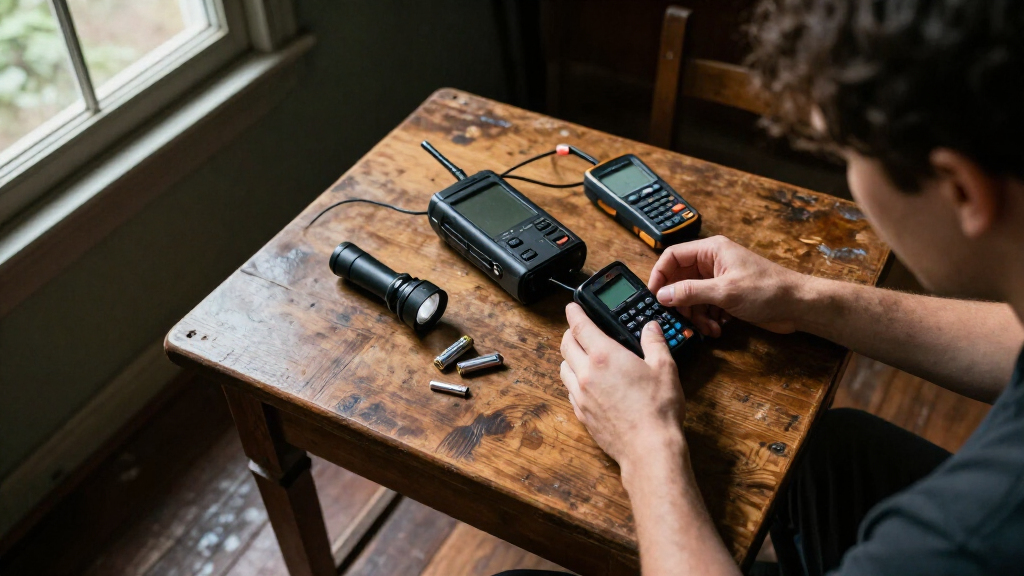
I ranked these 13 options around the demands of paranormal equipment: long operating sessions, devices that may sit in a kit between investigations, and the need to match batteries to different device sizes. I prioritized chemistry and stated storage claims, then weighed capacity claims where provided, pack size, and how clearly a product’s role can be matched to common AA, AAA, or D-cell equipment. A long shelf-life claim helps with backup readiness, but it does not by itself prove longer runtime in every device.
The ranking favors recognizable lithium options for buyers seeking long-lasting AA or AAA power, while keeping alkaline picks in the mix for standard use and D-cell devices. I distinguish products by size, pack quantity, and information supplied rather than treating every battery as interchangeable. The listings do not provide comparable runtime test results across all 13 products, so I do not claim a precise winner for hours of use; buyers should check their device manual and compare stated specifications against its requirements.
| batteries for long lasting paranormal equipment | Battery type |
|---|---|
| Amazon Basics 20-Count AAA Alk | Alkaline |
| Energizer Ultimate Lithium AAA | Lithium |
| Powermax 24-Count AA Batteries | Alkaline |
| Lithium AA Batteries | Lithium |
| EBL Lithium AA Batteries 12 Pa | Lithium |
| BEVIGOR 1.5V Long-Lasting Lith | Lithium metal |
| Energizer D Batteries | Alkaline D cell |
| Duracell Coppertop D Batteries | Alkaline D cell |
| Energizer MAX D Batteries | Alkaline D cell (as described) |
| Energizer Ultimate Lithium AA | Lithium AA |
| Granicell 10-Pack Lithium AA B | — |
| Energizer Ultimate Lithium AA | — |
| Energizer Ultimate Lithium AA | — |
Factors to Consider When Choosing Batteries For Long Lasting Paranormal Equipment
Choosing batteries for paranormal equipment starts with the device, not the longest claim on the package. These broader checks can help prevent wasted cells, poor fit, and backups that are unsuitable when you need them.
Match the Exact Battery Size and Device Requirements
Check the battery compartment or manual for the exact size, voltage, and any chemistry restrictions before ordering. AA, AAA, and D cells are not interchangeable, even if all provide 1.5 volts. Some devices also have limits on lithium cells or require a specific battery type, so a premium chemistry may not be appropriate. For a kit with several devices, make a size-by-device list before buying multipacks. This prevents a common mistake: choosing a large pack because it seems like better value, then finding it does not fit the equipment. Keep replacement cells grouped by size so they are easy to identify in low light.
Separate Runtime From Shelf Life
A long storage-life claim describes how long a battery may retain charge in storage under stated conditions; it does not tell you exactly how long it will run a recorder, flashlight, or sensor. Runtime depends on device draw, operating settings, temperature, battery condition, and how often features such as lights or wireless functions are active. Use shelf-life claims to plan emergency or infrequent-use backups, and look for capacity or device-specific runtime data when sustained operation is your priority. Avoid comparing a 20-year storage claim directly with a 10-year claim as though it guarantees twice the field time. Store spares as directed by the manufacturer and rotate older stock into regular-use devices.
Choose Chemistry for the Job, Not Just the Claim
Lithium cells are often a strong match for buyers who prioritize long storage and demanding use, while alkaline batteries can suit routine equipment and buyers who prefer familiar standard cells. The best fit depends on the device’s compatibility and power draw rather than a blanket rule that one chemistry always lasts longer. Before switching types, check the manual, especially for electronics with precise voltage requirements or rechargeable-only instructions. Do not mix different chemistries, ages, or charge levels in one device, since that can affect performance and raise leakage risk. If a device uses batteries slowly, simple alkaline cells may make more sense than paying for features the device will not use.
Treat Pack Size as a Readiness Decision
A large pack can reduce the chance of running short during several investigations, but it only helps if the batteries match equipment you actually own and can be stored appropriately. Small packs make more sense for testing an unfamiliar device or keeping a compact emergency kit. For teams with several recorders or lights, count the cells needed per session and keep a separate reserve rather than opening every pack at once. Check the product’s stated shelf life and packaging details, and mark when stored batteries enter your kit. Buying solely by cell count can leave you with excess batteries in the wrong size or chemistry.
Plan for Temperature, Storage, and Field Handling
Cold conditions can affect battery performance, and a battery that works well indoors may behave differently during an outdoor investigation. Follow the manufacturer’s operating and storage temperature guidance rather than leaving spare cells in a hot car, damp bag, or direct sun. Keep batteries in their original packaging or a proper case so loose terminals cannot touch metal objects. Carry used and fresh batteries separately, and remove cells from equipment that will sit unused for an extended period if the manual advises it. These habits protect both the cells and the electronics, regardless of which product you choose.
Frequently Asked Questions
Are lithium batteries always the best choice for paranormal equipment?
No. Lithium can be attractive for long storage and demanding use, but the device manual comes first. Some equipment may specify alkaline cells or restrict lithium batteries, and using an unsupported type can create compatibility or performance problems. For low-drain devices used regularly, alkaline cells may be a practical fit. Match chemistry to the device and your use pattern rather than treating one type as universally superior.
Should I buy AA, AAA, or D batteries for an investigation kit?
Buy the sizes required by your actual devices; there is no single best size for a whole kit. The roundup includes AA lithium and alkaline choices, one AAA lithium option, and several D-cell alkaline options, so check each battery compartment before purchasing. Create a simple inventory that lists device, size, chemistry guidance, and cells needed per outing. That list can reveal whether you need a small mixed-size supply or a larger quantity of one type. Never force a different size into a compartment or rely on improvised adapters without device approval.
Does a 20-year shelf-life claim mean a battery will run my equipment longer?
No. Shelf life refers to storage under the manufacturer’s stated conditions, not guaranteed runtime after installation. Runtime varies with battery capacity, device power draw, temperature, and operating features. The products in this roundup do not provide directly comparable runtime results for every device, so a storage claim alone cannot establish which cell will last longest during an investigation. Use shelf life to judge backup readiness, and consult device-specific runtime information when available.
Is it better to keep one large battery pack or several smaller packs?
Choose based on the number of compatible devices and how often you use them. A larger pack, such as the listed 24-count options, can suit a team or a frequently used setup, while a smaller pack can limit excess stock when you are trying a device or maintaining a compact kit. Check that the pack contains the exact size and chemistry your equipment accepts. Keep sealed spares organized and track when they were stored rather than opening multiple packs without a plan. Quantity does not compensate for a mismatch in size or device requirements.
Can I mix old and new batteries or different brands in one device?
I recommend using batteries of the same type, chemistry, and similar age together, and replacing the full set when a device calls for multiple cells. Mixing old and new batteries can cause uneven discharge, reducing useful performance and increasing the chance of leakage. Mixing brands is also a poor way to use leftover cells because their condition and specifications may differ. Follow the device manual for replacement guidance, and remove exhausted batteries promptly. Store spare cells separately so they do not get confused with used ones.
Conclusion
For most buyers with AA paranormal equipment, I’d choose Energizer Ultimate Lithium AA as the best overall direction, selecting the pack size that matches actual use. For best value by quantity, compare the Powermax 24-count AA alkaline and BEVIGOR 24-pack lithium AA against your device’s chemistry requirements rather than choosing by count alone. My best premium pick is Energizer Ultimate Lithium AA for buyers prioritizing lithium and backup readiness; for beginners, Amazon Basics AAA alkaline offers a straightforward option when the device specifically takes AAA cells. For compact devices, choose Energizer Ultimate Lithium AAA; for compatible equipment built for larger cells, compare the Energizer D and Duracell Coppertop D options. The best final choice is the battery size and chemistry your equipment supports, backed by enough fresh spares for the length of your sessions.
Halloween Picks

Star Wars Yoda and R2-D2 Inflatable Halloween Decor, 6 ft with LEDs, Indoor/Outdoor

Gemmy 5.4 ft The Nun Animatronic Halloween Decoration

Spirit Halloween Scary Sitting Scarecrow Animatronic, 4 ft 6 in
As an affiliate, we earn on qualifying purchases.