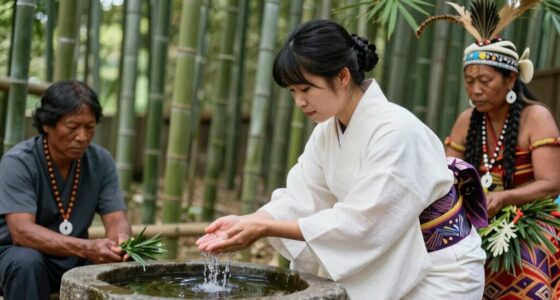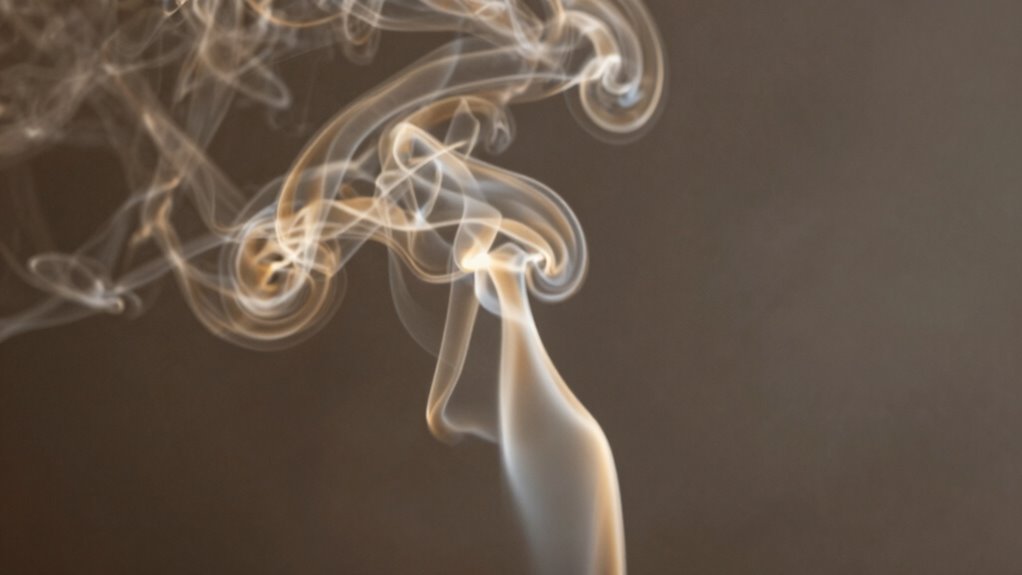

In many traditions, protective smoke symbolizes cleansing, spiritual connection, and safeguarding against negative influences. You might see it as a bridge between the physical and spiritual worlds, carrying prayers and intentions upward. It creates sacred space and reinforces faith in divine protection. Indigenous cultures use smoke from sacred herbs to ward off evil and transform energies. If you’re curious about more symbolic meanings behind these rituals, keep exploring the rich traditions that shape these practices.

Get movie nights delivered free with Prime
- Fast, free delivery on millions of items
- Prime Video, Amazon Music and more included
- Member-only deals all year
Key Takeaways
- Smoke acts as a spiritual bridge, carrying prayers and intentions to higher powers for protection and purification.
- It symbolizes transformation, safeguarding, and divine connection across various indigenous and ancient cultures.
- The rising and swirling movement of smoke represents spiritual ascent and ongoing connection with the divine.
- Creating and dispersing protective smoke is an act of faith that invokes spiritual guardians.
- Smoke’s ephemeral nature reflects life’s impermanence and the continuous process of spiritual cleansing.
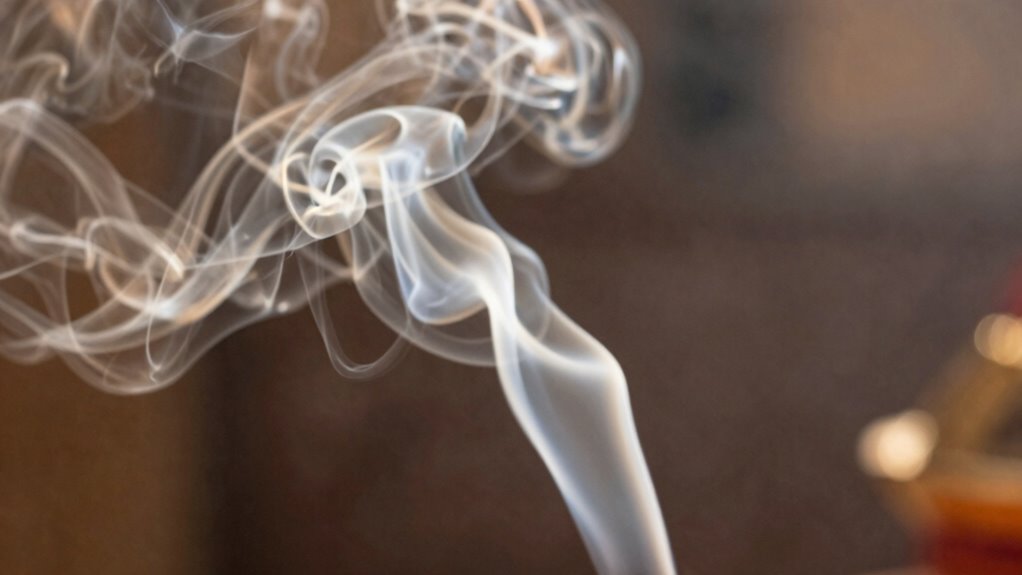
Have you ever wondered why many cultures use smoke in their rituals? Throughout history, smoke has played a crucial role in spiritual practices, often symbolizing protection, purification, and connection to the divine. This isn’t a random choice; it stems from deep-rooted beliefs that smoke can carry prayers, ward off negative energies, and create a sacred space. In many ancient rituals, smoke’s significance goes beyond mere symbolism—it’s believed to influence the spiritual domain directly, acting as a bridge between the physical and the spiritual worlds.
Smoke in rituals symbolizes protection, purification, and divine connection, bridging the spiritual and physical worlds through prayer and sacred practice.
In ancient cultures, smoke’s protective qualities are especially prominent. Indigenous tribes, for example, have long used sacred herbs and resins in their rituals to produce smoke meant to cleanse individuals and environments. This act isn’t just about scent or tradition—it’s about harnessing the spiritual power of the smoke to ward off evil spirits and negative influences. The thick, billowing smoke becomes a visual and sensory marker of transformation and safeguarding, creating a sense of sacredness that elevates the ritual’s importance. People believe that the rising smoke acts as a conduit, delivering their prayers and intentions to higher powers, while simultaneously shielding them from harm. Additionally, the spiritual significance of smoke is often reinforced through specific ritual patterns and prayers, emphasizing its role in spiritual protection and connection. The use of smoke in rituals also aligns with the natural elements recognized for their spiritual and healing properties across cultures. Furthermore, smoke’s ephemeral nature echoes the impermanence of life, reminding practitioners that spiritual protection requires ongoing effort and reverence. The visual aspect of smoke rising and swirling is seen as a symbol of spiritual ascent and the ongoing connection between humans and the divine. The ephemeral nature of smoke reminds practitioners that protection and purification are ongoing processes, requiring continual effort and reverence. Research suggests that the symbolic use of natural elements enhances the effectiveness of these rituals by deepening practitioners’ spiritual focus. In many traditions, the act of creating and dispersing protective smoke is an act of faith—a way to invoke spiritual allies and guardians to watch over individuals, families, and communities.
In essence, the use of smoke in ancient rituals encapsulates a universal desire for safety, purity, and divine connection. Its cultural significance isn’t just about tradition but about actively engaging with a spiritual world that is believed to influence daily life profoundly. When you witness or participate in these smoky rituals, you’re part of a centuries-old practice that underscores humanity’s enduring quest for protection and spiritual harmony.
As an affiliate, we earn on qualifying purchases.
Frequently Asked Questions
How Did Protective Smoke Originate in Ancient Cultures?
Protective smoke originated in ancient cultures through rituals aimed at warding off evil spirits and negative energies. During ancient rituals, people believed smoke had purifying and protective powers, so they used burning herbs, resins, and sacred plants. The cultural origins of these practices vary worldwide, but they all share the common goal of creating a spiritual barrier. You can see this tradition woven into many cultural rituals today, emphasizing its enduring significance.
Are There Specific Herbs Used Universally in Protective Smoke Rituals?
You might find that certain herbs like sage are used universally in protective smoke rituals, thanks to their ritualistic significance and powerful cleansing properties. Imagine a community gathering where herbal combinations are burned to ward off negative energies and invite positivity. These herbs, valued across cultures, symbolize purification and protection, making them central to many traditional ceremonies. Their consistent use highlights their deep-rooted ritualistic significance worldwide.
Can Protective Smoke Be Used for Modern Spiritual Practices?
Yes, you can definitely use protective smoke in modern spiritual practices. It’s great for modern cleansing, helping clear negative energy from your space and mind. Additionally, the aromatherapy benefits of burning herbs like sage or palo santo can promote relaxation and mental clarity. Incorporating protective smoke into your routines enhances your spiritual connection, creates a peaceful environment, and supports emotional well-being, making it a versatile tool for contemporary spiritual growth.
What Are the Health Considerations When Using Smoke for Protection?
When using smoke for protection, you should consider health risks like respiratory irritation or allergies, especially if you’re sensitive to smoke. Always guarantee proper ventilation and avoid inhaling thick smoke directly. Follow safety precautions such as using non-toxic, natural herbs and keeping a fire extinguisher nearby. If you have respiratory issues or allergies, consult a healthcare professional before engaging in smoke rituals to protect your health.
How Does Protective Smoke Influence Psychological Well-Being?
As you breathe in the swirling protective smoke, you might feel a sudden shift in your mental clarity, clearing away doubts and fears. The ritual strengthens your emotional resilience, anchoring you amidst chaos. This sacred act creates a calming aura that shields your mind, fostering a sense of safety. With each puff, you’re not just inhaling smoke but embracing a profound connection to inner peace and stability.
spiritual cleansing smoke bundles
As an affiliate, we earn on qualifying purchases.
As an affiliate, we earn on qualifying purchases.
Conclusion
As you reflect on these traditions, remember that protective smoke acts as a bridge between worlds—guarding, cleansing, and connecting us to unseen forces. Just as smoke rises and disperses, so too does its power to shield and purify. Embrace this ancient symbolism, knowing that in every puff, there’s a silent promise: protection is always within reach, woven into the very air we breathe. Smoke’s true magic lies in its ability to transform fear into faith.
As an affiliate, we earn on qualifying purchases.
As an affiliate, we earn on qualifying purchases.
Fall Picks
fall essentials
As an affiliate, we earn on qualifying purchases.