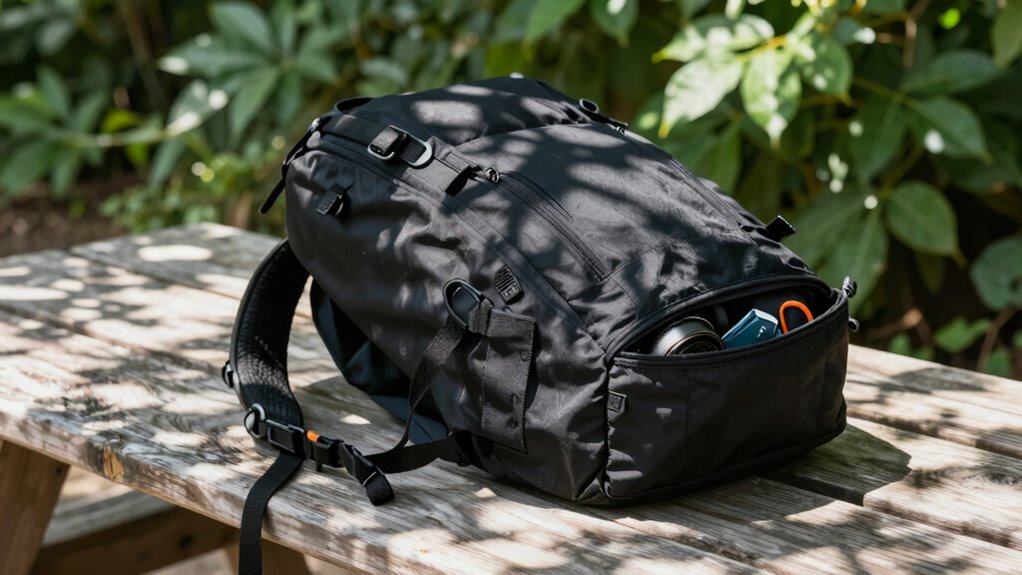

The most important thing new investigators often overlook about camera backpacks is proper weight distribution. Simply packing gear isn’t enough; you need to balance it correctly by placing heavier items closer to your back and centered. This reduces strain and keeps you mobile during long investigations. Without proper distribution, you’ll feel uncomfortable and fatigued quickly. Keep these tips in mind, and you’ll stay more comfortable and efficient—there’s more to improve your packing technique ahead.

Get movie nights delivered free with Prime
- Fast, free delivery on millions of items
- Prime Video, Amazon Music and more included
- Member-only deals all year
Key Takeaways
- Proper weight distribution is often overlooked, leading to discomfort and fatigue during investigations.
- New investigators frequently neglect organized gear placement for quick access in critical moments.
- They may focus on padding and straps without ensuring the load is balanced for comfort.
- Forgetting to regularly reassess and adjust packing can cause ongoing discomfort and inefficiency.
- Placing heavier items closer to the back and center improves mobility and reduces strain.
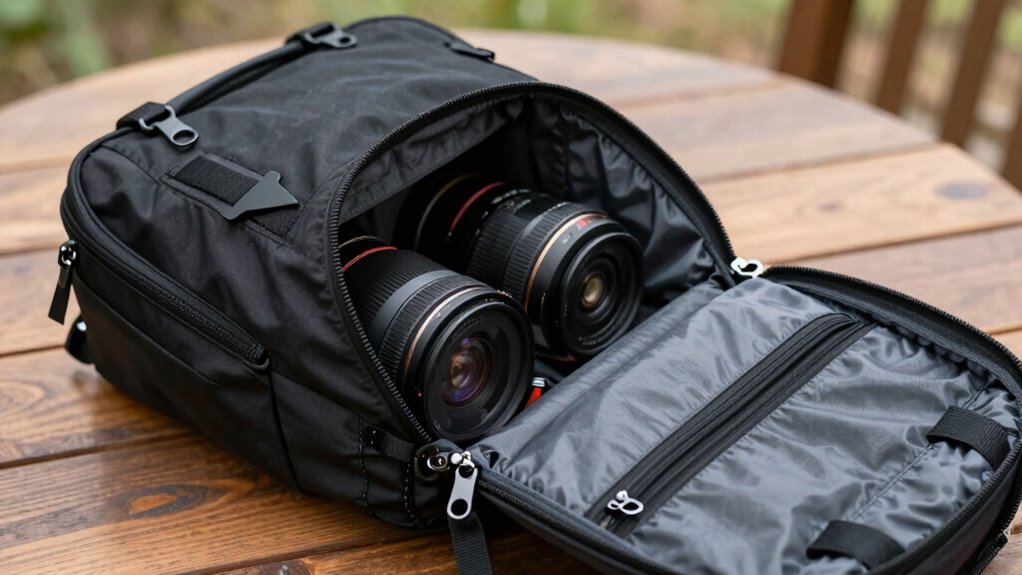
When choosing a camera backpack, many new investigators focus on size, compartments, and comfort, but what they often overlook is the importance of proper weight distribution. It’s tempting to prioritize the number of pockets or the overall capacity, but without considering how you organize your gear, you might find yourself struggling with discomfort and fatigue after just a short walk or a few hours in the field. Equipment organization isn’t just about fitting everything in; it’s about placing your gear thoughtfully so that weight is evenly spread across your back and shoulders. This not only helps prevent strain but also makes it easier to access your equipment quickly when you need it, without rummaging through layers of clutter.
Proper weight distribution and organized gear improve comfort and quick access during investigations.
Comfort considerations go beyond padding and straps. While those elements are important, they don’t compensate for poor weight distribution or disorganized gear. If your camera, lenses, batteries, and accessories are all crammed into one side or jumbled together, you’ll feel the imbalance in your posture. To avoid this, invest time in planning how to pack your backpack. Use designated compartments for each piece of equipment, and keep frequently used items in easily accessible spots. This way, you won’t have to dig through the entire bag when you need your zoom lens or extra battery. Proper equipment organization minimizes unnecessary movement, reduces stress on your back and shoulders, and keeps your gear protected from damage.
Another key element is balancing the weight so that heavier items are positioned closer to your back and centered. This minimizes sway and helps you maintain better posture during long periods of investigation. If your backpack is top-heavy or unevenly loaded, it’ll cause discomfort and fatigue, making it harder to stay alert and mobile. Comfort considerations also include adjustable straps and lumbar support, but these are only effective if your gear is packed correctly. It’s a good habit to periodically reassess your packing method, especially before long investigations, to ensure your setup remains optimized for comfort and efficiency. Incorporating proper weight distribution and ergonomic principles into your packing routine can further improve your comfort and safety in the field. Additionally, understanding how to distribute weight effectively can help prevent injury and enhance your overall mobility during investigations.
Ultimately, the one thing most new investigators forget about camera backpacks isn’t just the physical features but how they organize their gear and distribute weight. Taking a few extra minutes to plan your equipment organization will pay off in comfort, ease of access, and overall performance. Your body will thank you, and your focus will stay sharp for the task at hand. Proper packing isn’t just about convenience — it’s a crucial part of staying effective and safe during your investigations.
camera backpack with adjustable straps
As an affiliate, we earn on qualifying purchases.
As an affiliate, we earn on qualifying purchases.
Frequently Asked Questions
How Should I Choose the Right Size for My Camera Backpack?
To choose the right size for your camera backpack, consider your camera weight and gear needs. Opt for a size that comfortably fits your current equipment plus some room for growth. Make certain the backpack’s durability matches your usage, especially if you’ll carry it often or in tough conditions. A slightly larger pack offers flexibility, but avoid overly bulky ones that can become cumbersome. Balance size, weight, and durability for the best fit.
Are There Specific Features to Look for in a Travel-Friendly Camera Backpack?
When choosing a travel-friendly camera backpack, look for features like lockable zippers and RFID-blocking pockets to enhance travel safety. Opt for lightweight materials to help with weight management, especially if you’re carrying gear for hours. Padded straps and a breathable back panel keep you comfortable during long walks. Water-resistant fabric protects your gear from weather, making your adventures smoother. These features guarantee your equipment stays safe and your travel experience remains hassle-free.
How Do I Ensure My Camera Gear Stays Protected in Different Weather Conditions?
To keep your camera gear protected in various weather conditions, choose a backpack made from weatherproof materials like treated nylon or polyester. Always carry a waterproof cover that easily slips over your bag during rain or snow, providing extra protection. Make certain your camera compartments are padded and secure, preventing damage from moisture or sudden weather changes. Regularly check seals and covers to guarantee they’re in good condition for reliable protection.
What Are the Best Ways to Organize Multiple Lenses and Accessories?
Get your ducks in a row by organizing your lenses and accessories smartly. Use dedicated lens compartments to keep each lens snug and prevent scratches. Store smaller items like batteries and memory cards in accessory pockets for quick access. Label compartments if possible, so you know exactly where everything is. This way, you’ll stay efficient and ready to shoot without digging through your bag, making your workflow smoother and more enjoyable.
How Do I Maintain and Clean My Camera Backpack Effectively?
To keep your camera backpack in top shape, regularly clean the exterior with a damp cloth to maintain backpack durability. For the interior, remove all gear and use a gentle brush or vacuum to clear dust and debris. Check and replace worn camera padding to protect your gear, and make certain zippers and straps are functioning smoothly. Proper maintenance prolongs your backpack’s life and keeps your equipment safe.
ergonomic camera backpack for investigators
As an affiliate, we earn on qualifying purchases.
As an affiliate, we earn on qualifying purchases.
Conclusion
Think of your camera backpack as a trusty steed on your photographic journey. If you forget to saddle it properly—checking your gear, organizing your essentials—you risk a bumpy ride filled with missed shots and frustration. Remember, it’s not just about carrying your gear; it’s about preparing your partner for the adventure ahead. Keep it ready, organized, and well-maintained, so you can focus on capturing the magic, rather than fixing forgotten gear along the way.
As an affiliate, we earn on qualifying purchases.
camera backpack with lumbar support
As an affiliate, we earn on qualifying purchases.
As an affiliate, we earn on qualifying purchases.
Halloween Picks
halloween
As an affiliate, we earn on qualifying purchases.