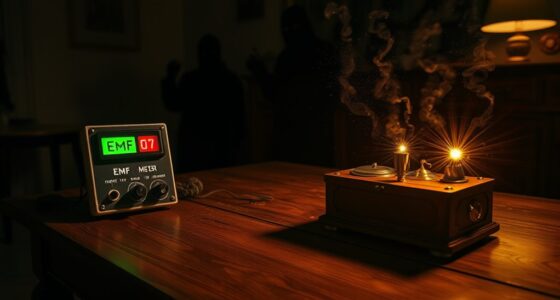
Placebo effects in spiritual cleansing rituals happen when your beliefs and expectations trigger real psychological responses, making you feel lighter or renewed even without scientific proof. Your confidence in the ritual activates chemicals like dopamine, boosting your mood and reducing stress. Cultural symbols and community support reinforce these feelings, amplifying the experience. If you’re curious about how belief influences outcomes and how this can work alongside modern psychology, there’s more to explore.
Key Takeaways
- Belief and expectation in spiritual cleansing activate psychological and neurochemical responses, producing genuine feelings of relief and renewal.
- Cultural symbolism and tradition enhance the placebo effect, strengthening emotional and psychological engagement during rituals.
- Confidence in the ritual’s efficacy increases receptivity, amplifying perceived benefits through focused attention and positive anticipation.
- Personal testimonials often attribute improvements to belief, highlighting the role of expectation in perceived cleansing outcomes.
- Combining rituals with psychological techniques like mindfulness enhances their effectiveness via placebo-driven mental and emotional shifts.
Top picks for "placebo effect spiritual"
Open Amazon search results for this keyword.
As an affiliate, we earn on qualifying purchases.
The Power of Belief and Expectation in Rituals
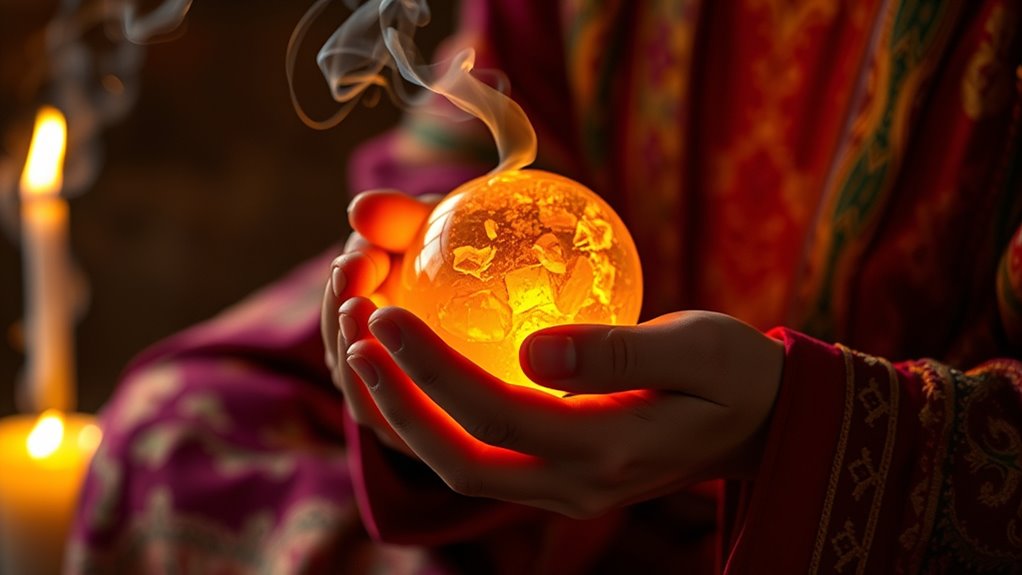
Have you ever wondered why spiritual cleansing rituals often seem to work, even when there’s no scientific evidence behind them? The answer lies in your belief and expectations. When you participate in a ritual, your mind may convince you it will bring change or relief. This powerful mindset can trigger positive feelings and a sense of renewal. Your confidence in the ritual’s effectiveness can amplify its impact, making you more receptive to the experience. Expecting a transformation creates a mental environment where you’re more likely to notice subtle improvements. Fundamentally, your belief acts as a catalyst, shaping how you perceive the results. This psychological readiness helps explain why many people feel lighter, renewed, or cleansed after a spiritual ritual—even without scientific validation. Additionally, understanding the placebo effect can help explain how expectation influences outcomes in various experiences.
Psychological Mechanisms Behind Spiritual Cleansing
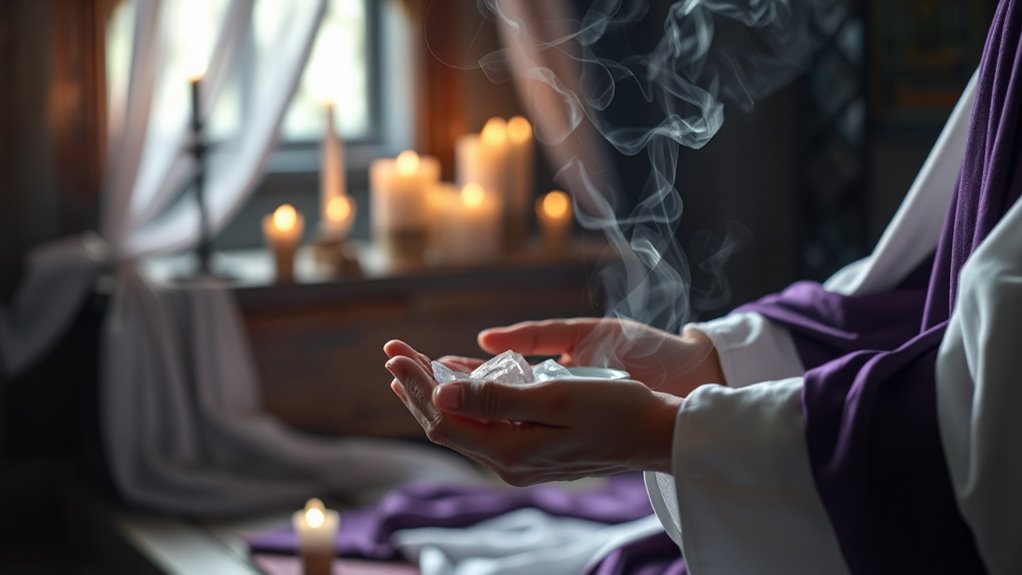
Your belief in the power of a spiritual cleansing activates specific psychological processes that shape your experience. When you trust in the ritual’s effectiveness, your brain releases chemicals like dopamine and endorphins, boosting your mood and reducing stress. This mental shift enhances your perception of clarity and renewal, making the ritual feel more impactful. Expectation also plays a pivotal role—if you anticipate positive change, your mind convinces you that the cleansing worked, reinforcing feelings of relief. Focus and intention direct your attention, amplifying the ritual’s effects. Cognitive biases like confirmation bias lead you to notice improvements, further strengthening your belief. These psychological mechanisms operate together to produce genuine feelings of cleansing, often independent of any physical or supernatural intervention. Additionally, a strong sense of spiritual connection can further enhance the effectiveness of the ritual by fostering trust and openness to positive experiences.
Cultural Significance and Placebo Effect
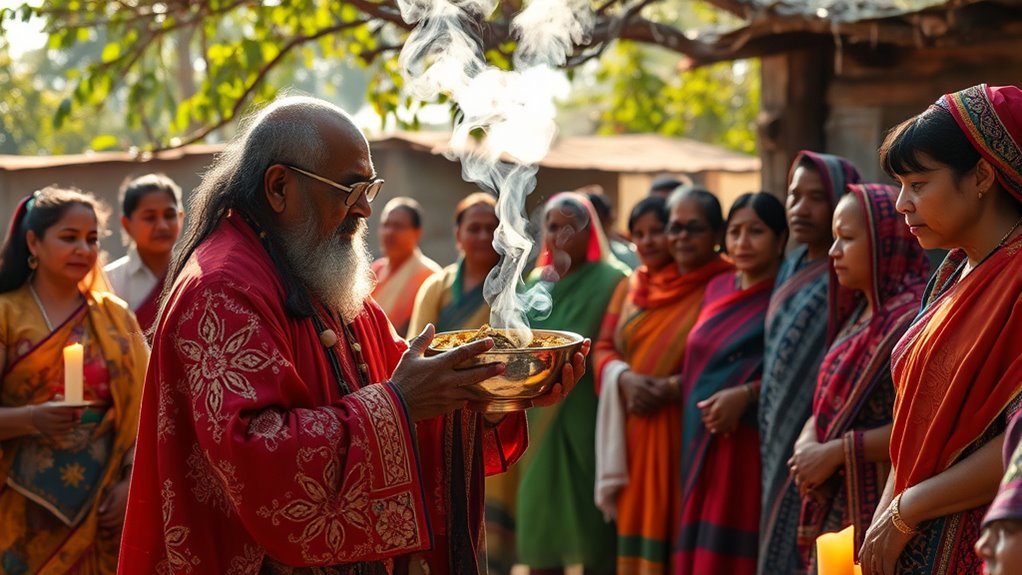
Cultural traditions often embed spiritual cleansing rituals with deep symbolic meaning, which can enhance their psychological impact through the placebo effect. When you participate in these rituals, the cultural context reinforces your belief in their power, making the experience more impactful. The symbols, language, and rituals act as cues that trigger psychological and emotional responses rooted in cultural significance. This cultural framework helps you feel connected, protected, and validated, amplifying the ritual’s effectiveness. Your trust in tradition and community strengthens the placebo effect, encouraging genuine psychological benefits. Additionally, the technology used in some rituals can influence perceptions of efficacy by creating more vivid and engaging experiences.
Case Studies and Personal Testimonials
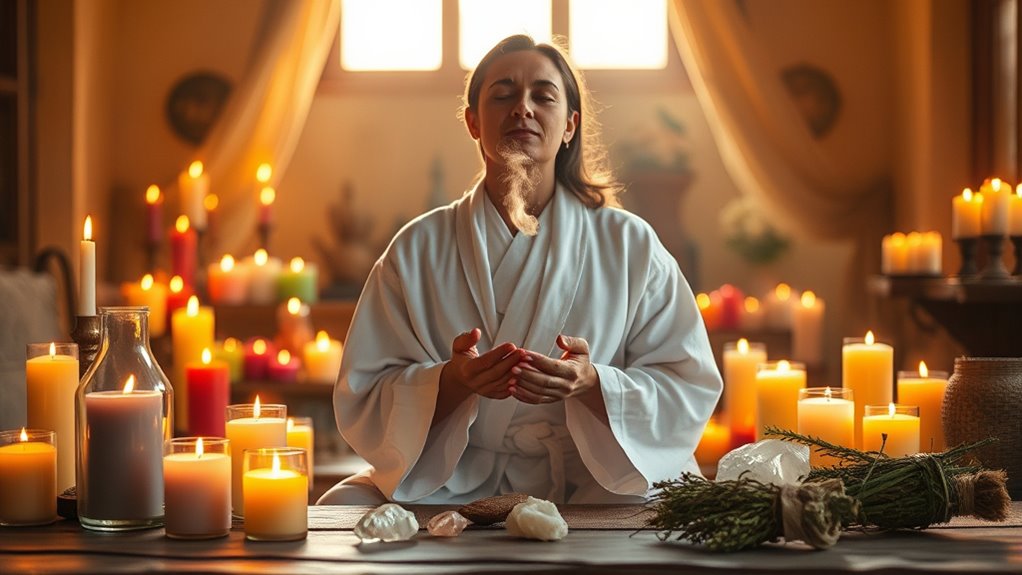
Personal testimonials and real-life case studies offer compelling insights into how spiritual cleansing rituals can produce meaningful experiences, often driven by the power of belief and expectation. Many individuals report feeling lighter, more focused, or emotionally relieved after participating in these rituals. For example, someone might describe how a cleansing ceremony helped them release long-held anxieties or regain a sense of inner peace. These stories highlight how personal conviction can amplify the ritual’s effects, making the experience feel genuine and transformative. Additionally, analytical cookies can help researchers understand the patterns behind these perceived benefits, emphasizing how psychological factors influence outcomes. While some testimonials might include supernatural elements, others emphasize psychological shifts rooted in hope and trust. Overall, these accounts demonstrate that the perceived benefits often hinge on the participant’s mindset, reinforcing the idea that belief plays a pivotal role in the ritual’s impact.
Implications for Combining Rituals With Modern Psychology
Integrating spiritual cleansing rituals with modern psychology offers promising avenues for enhancing mental health and well-being. By combining these approaches, you can leverage the placebo effect to boost confidence and motivation, fostering a stronger sense of control over your mental state. This integration encourages a holistic view, addressing both subconscious beliefs and emotional needs. It also opens doors for innovative therapies that respect cultural practices while grounding them in scientific understanding. You might explore combining mindfulness or visualization techniques with ritualistic elements to deepen their impact. Additionally, this approach can reduce stigma around mental health by normalizing spiritual practices as complementary tools. Moreover, evidence suggests that placebo effects can significantly contribute to positive outcomes in mental health interventions. Overall, thoughtful integration can create personalized treatment plans that honor tradition while embracing evidence-based strategies.
Frequently Asked Questions
Can Placebo Effects Cause Long-Term Spiritual Transformation?
Yes, placebo effects can contribute to long-term spiritual transformation. When you believe a ritual will bring change, your mind may trigger genuine emotional and psychological shifts. These effects can motivate you to adopt new behaviors, perspectives, and habits that sustain growth over time. While the initial change may be rooted in belief, the sustained effort and mindset shifts often lead to meaningful, lasting spiritual development.
Are There Risks Associated With Relying on Placebo in Rituals?
Ever wondered if relying on placebos in rituals could be risky? Yes, there are risks. You might experience false hope, neglect real issues, or become overly dependent on rituals instead of addressing underlying problems. It could also lead to emotional disappointment if expected results don’t materialize. While placebos can offer temporary comfort, they shouldn’t replace professional help when needed. Always balance spiritual practices with practical solutions for your well-being.
How Do Individual Differences Influence Placebo Effectiveness?
Your individual differences, like beliefs, expectations, and cultural background, shape how effective a placebo is for you. If you strongly believe in the ritual’s power, you’re more likely to experience positive effects. Conversely, skepticism can lessen the impact. Your personal mindset and prior experiences also influence how receptive you are to the placebo, making your unique psychological makeup a key factor in the effectiveness of spiritual cleansing rituals.
Can Rituals Be Scientifically Tested for Genuine Healing Effects?
Rituals can be scientifically tested, but it’s like catching lightning in a bottle—challenging yet possible. You’d design controlled experiments comparing ritual participants with a control group, measuring specific health outcomes. Using double-blind studies helps eliminate bias. While results can show correlations, proving genuine healing effects remains tricky due to placebo influences. Still, rigorous testing can reveal whether rituals have specific benefits beyond psychological comfort.
What Ethical Considerations Exist in Promoting Placebo-Based Spiritual Practices?
You should guarantee honesty and transparency when promoting placebo-based spiritual practices. Avoid claiming definitive healing results, as it could mislead others or exploit vulnerable individuals. Respect their autonomy by providing clear information about the nature of these practices, emphasizing personal belief and experience rather than guaranteed outcomes. Always consider cultural sensitivities and avoid manipulation, ensuring your promotion aligns with ethical standards that prioritize well-being and informed consent.
Conclusion
As you experience spiritual cleansing, remember that belief fuels the magic. Whether it’s a modern placebo or a centuries-old ritual, your expectations can transform the outcome. Like the alchemists of old dreaming of turning lead into gold, your mind holds power beyond what you see. Embrace the mystery, knowing that sometimes, the true magic lies in your faith—proving that even in a world of science, hope and belief remain timeless.