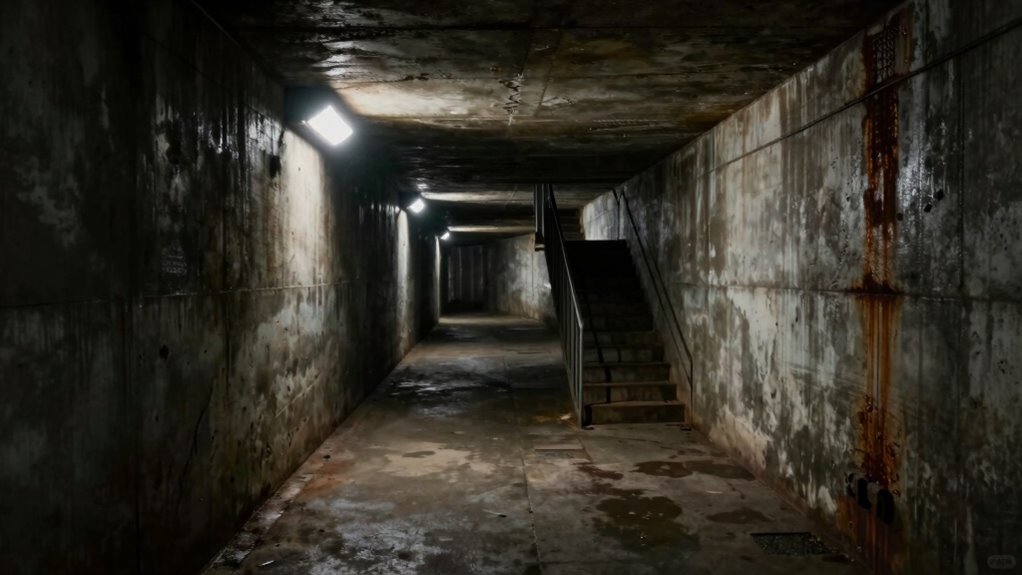

You notice tunnels, passageways, and under-stairs areas feel different because their design, lighting, and materials shape your emotions and perceptions. Bright, even lighting makes them feel safe and accessible, while shadows or dim lights create secrecy or tension. Architectural elements like textures and space size also influence how open or confined you feel. These spaces are crafted to evoke specific feelings, and if you explore further, you’ll discover how design tricks guide your subconscious reactions and storytelling.

Get movie nights delivered free with Prime
- Fast, free delivery on millions of items
- Prime Video, Amazon Music and more included
- Member-only deals all year
Key Takeaways
- Lighting variations, such as brightness and shadows, significantly influence the mood and perceived safety of these spaces.
- Architectural design elements, like materials and ceiling height, shape how open or confined a space feels.
- Symbolism and historical context can evoke feelings of secrecy, mystery, or sanctuary within passageways.
- Spatial layout and purpose dictate emotional responses, whether feeling inviting, ominous, or hidden.
- The overall atmosphere is crafted through strategic use of lighting, textures, and architectural features to evoke specific perceptions.
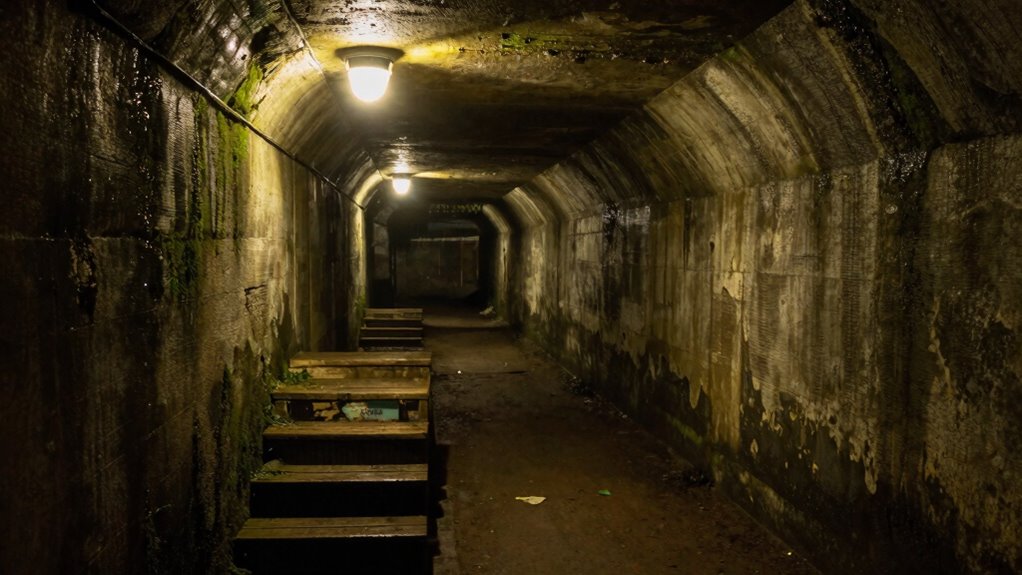
Have you ever considered how tunnels, passageways, and under-stairs areas shape the functionality and mystery of a building? These spaces aren’t just practical routes—they influence how you experience the entire structure. Their design, lighting, and symbolism create atmospheres that can feel inviting, ominous, or even secretive. When you walk through a narrow tunnel or a dimly lit under-stairs area, you might notice how lighting design plays a pivotal role in setting the mood. Bright, evenly distributed light can make a passage feel safe and accessible, while shadows and low lighting add an air of secrecy or tension. Architects intentionally manipulate lighting to guide your emotions and perceptions, emphasizing or downplaying the space’s purpose.
Beyond lighting, these areas often carry deep architectural symbolism. An under-stairs space, for example, might symbolize change or concealment. Historically, such areas could hide hidden passages or serve as retreats, lending a sense of mystery. Tunnels and passageways can represent a journey—either literal or metaphorical—through a building or story. Their design can evoke feelings of curiosity, danger, or sanctuary, depending on how they’re constructed and lit. When you encounter these spaces, you subconsciously interpret their symbols: a dark, narrow corridor might symbolize danger or secrecy, while a brightly lit passage suggests safety and clarity. Additionally, the contrast ratio in lighting design influences how these spaces are perceived, affecting their mood and emotional impact.
Architectural symbols in passageways evoke mystery, danger, or safety through design and lighting choices.
The sensation of these spaces also hinges on their architecture. Tight, confined tunnels can make you feel claustrophobic or vulnerable, especially if the lighting isn’t carefully planned. Conversely, a well-designed passageway with strategic lighting and thoughtful architectural elements can feel open and welcoming. The choice of materials, ceiling height, and even textures influences how you perceive the space’s purpose and atmosphere. Architects often use these elements to craft a narrative—whether it’s a grand, illuminated corridor leading to a palace or a shadowy, narrow passage hinting at hidden secrets. Additionally, the symbolism embedded in these spaces enhances their storytelling power, influencing how we interpret their purpose beyond mere functionality.
Ultimately, tunnels, passageways, and under-stairs areas are more than functional connectors—they’re storytelling devices. Their design, lighting, and symbolism shape your emotional response and understanding of a building’s intent. When you walk through these spaces, you’re engaging with a carefully curated environment that influences your perception of safety, mystery, and meaning. These spaces highlight how architecture isn’t just about structure; it’s about creating experiences that resonate on a subconscious level, making each journey through them unique and memorable.
ambient lighting for passageways
As an affiliate, we earn on qualifying purchases.
As an affiliate, we earn on qualifying purchases.
Frequently Asked Questions
How Do Lighting Conditions Affect Tunnel Atmospheres?
Lighting conditions directly influence tunnel atmospheres by affecting natural illumination, which can make spaces feel more open or confined. Poor lighting may cause you to feel uneasy or disoriented, while adequate illumination enhances visibility and safety. Additionally, lighting impacts ambient temperature perceptions; brighter areas often feel warmer, whereas dimmer zones can seem cooler. Proper lighting consequently creates a more comfortable and navigable tunnel environment, shaping your overall experience.
What Materials Are Best for Soundproofing Passageways?
You should choose materials like dense foam, mass-loaded vinyl, or mineral wool for soundproofing passageways. Imagine acoustic insulation wrapping around walls like a soft, thick blanket, blocking noise from traveling through. Material selection is essential; look for dense, flexible options that absorb sound effectively. These materials create a quiet barrier, making passageways feel calm and secluded, even amid busy surroundings.
How Does Airflow Influence Under-Staircase Environments?
Airflow influences under-staircase environments considerably by affecting airflow dynamics and temperature regulation. You’ll notice that proper airflow prevents stuffiness and dampness, keeping the space fresh. When airflow is restricted, it can cause temperature fluctuations, leading to discomfort or potential mold growth. Ensuring good ventilation enhances air circulation, stabilizes temperature, and maintains a healthier environment, making the space feel more comfortable and less confined.
Are There Safety Standards Specific to Underground Passageways?
You should know that underground passageways follow strict safety standards, like ensuring emergency exits are clearly marked and easily accessible. For example, in a hypothetical commercial building, if the passageway’s structural integrity weakens, it could hinder evacuation during an emergency. These standards help maintain safe environments, ensuring that passageways remain functional and safe, especially in emergencies where quick evacuation is essential.
What Psychological Effects Do Enclosed Spaces Like Tunnels Cause?
Enclosed spaces like tunnels often trigger claustrophobic reactions, making you feel trapped or anxious. Your spatial perception can distort, intensifying feelings of discomfort or fear. You might notice a heightened sense of pressure or limited visibility, which amplifies anxiety. These psychological effects are common, but focusing on deep breaths and grounding techniques can help you regain control and reduce feelings of panic in such confined environments.
architectural textures for hallways
As an affiliate, we earn on qualifying purchases.
As an affiliate, we earn on qualifying purchases.
Conclusion
Next time you walk through a tunnel or slip beneath the stairs, notice how the air feels cooler, the shadows deepen, and the silence thickens around you. These hidden spaces aren’t just passageways—they’re worlds that whisper stories and hold secrets. Embrace the mystery, let your imagination wander through the dark corners, and feel the strange, almost magnetic pull that makes these places uniquely different from open areas. After all, it’s in these shadows where the unknown begins to come alive.
concealed under-stairs storage solutions
As an affiliate, we earn on qualifying purchases.
As an affiliate, we earn on qualifying purchases.
As an affiliate, we earn on qualifying purchases.
Halloween Picks
halloween
As an affiliate, we earn on qualifying purchases.