Ghost encounters are often a product of your mind’s tendency to interpret ambiguous signals as supernatural. Factors like stress, fatigue, cultural beliefs, and personal expectations shape what you see or hear, while neurological processes such as sleep paralysis can cause hallucinations that mimic spirits. Your perceptions are influenced by emotions and past experiences, making many supposed encounters explainable through psychology and science. To understand more about the science behind these phenomena, keep exploring what research reveals.
Key Takeaways
- Ambiguous stimuli are often misinterpreted as ghosts due to the brain’s pattern recognition tendencies.
- Cultural beliefs and personal expectations shape how people perceive and interpret paranormal experiences.
- Stress, fatigue, and emotional states increase susceptibility to hallucinations and ghost-like perceptions.
- Sleep paralysis and vivid dreams can produce ghostly hallucinations rooted in neurological processes.
- Scientific investigations typically explain supposed paranormal phenomena through natural causes, not spirits.
Top picks for "ghost encounter human"
Open Amazon search results for this keyword.
As an affiliate, we earn on qualifying purchases.
Psychological Explanations for Ghost Sightings
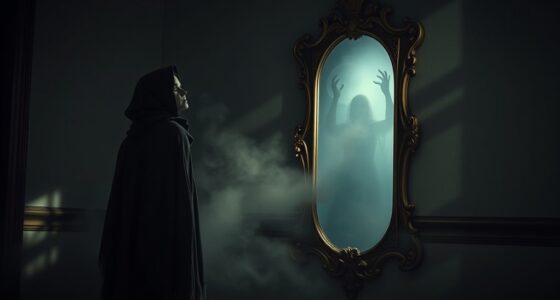
Many ghost sightings can be explained by the mind’s tendency to interpret ambiguous stimuli as supernatural. When you see a flickering shadow or hear unexplained noises, your brain tries to make sense of these unclear signals. Often, your mind fills in gaps based on expectations, fears, or cultural beliefs, creating the illusion of a ghostly presence. This tendency is a survival mechanism—your brain looks for patterns to protect you. Stress, fatigue, and emotional states also influence how you perceive strange events, making you more likely to interpret ordinary stimuli as paranormal. Additionally, visual perception mechanisms play a significant role in how we interpret uncertain images or sounds. By understanding how your mind works, you realize that many ghost encounters are not supernatural but products of psychological processes. This awareness helps demystify many experiences that feel inexplicable at first glance.
The Role of Sleep Paralysis and Hallucinations
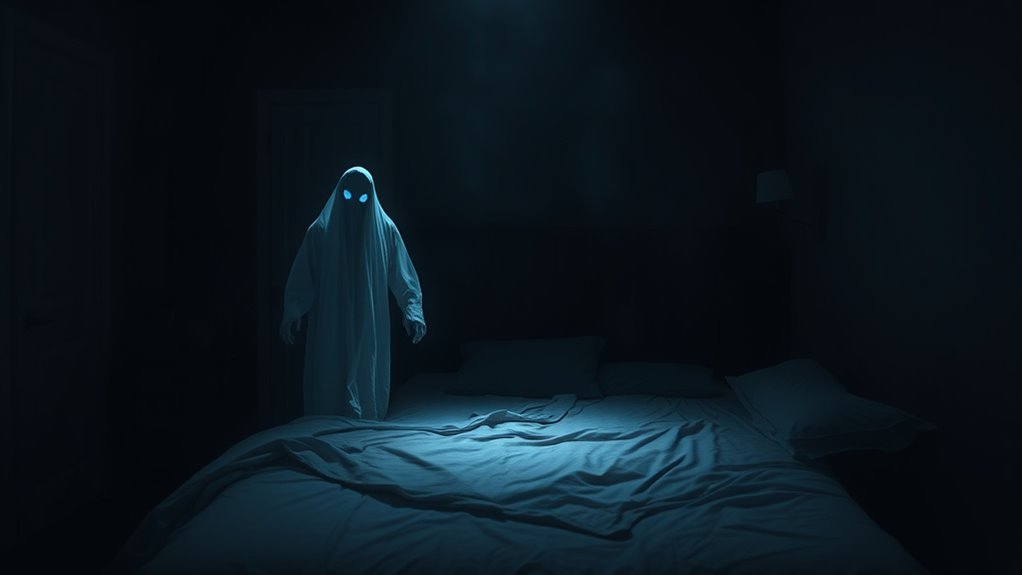
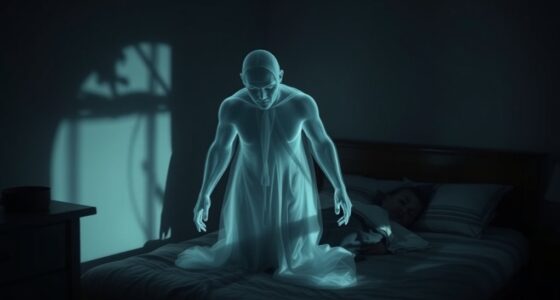
Sleep paralysis and hallucinations play a significant role in many ghost encounters, often leaving people convinced they’ve experienced something supernatural. During sleep paralysis, your body remains unable to move while your mind stays alert, creating an eerie sense of presence or a shadowy figure nearby. Hallucinations, which can occur in this state or during vivid dreams, often involve seeing or feeling ghostly apparitions or strange presences. These experiences are typically frightening but are rooted in neurological processes rather than supernatural forces. Your brain, under stress or disrupted sleep patterns, can generate visuals and sensations that mimic ghostly encounters. Recognizing that sleep paralysis and hallucinations can produce these vivid, convincing experiences helps explain many ghost sightings without invoking the supernatural. Additionally, understanding the neurological basis of these phenomena can demystify the experiences and reduce fear.
Cultural Influences and Personal Expectations
Your cultural background and personal expectations profoundly shape how you interpret ambiguous experiences as ghost encounters. If you grow up in a culture that emphasizes spirits and supernatural beings, you’re more likely to interpret strange sounds or shadows as ghosts. Conversely, if your culture downplays such phenomena, you might dismiss these experiences as coincidences or psychological effects. Personal beliefs also influence your perception; if you expect ghost encounters to happen, you’re more prone to see them. Media portrayals, folklore, and societal norms create a mental framework that guides your interpretation. This means that your environment and upbringing can make you more receptive to supernatural explanations, even when there’s no objective evidence. Your cultural lens filters your experiences, shaping whether you believe in ghosts or see them as products of imagination. Additionally, private placement memoranda often contain detailed disclosures that influence how investors perceive the legitimacy of such phenomena, illustrating the importance of context and expectation in interpretation.
Scientific Attempts to Detect Spirits
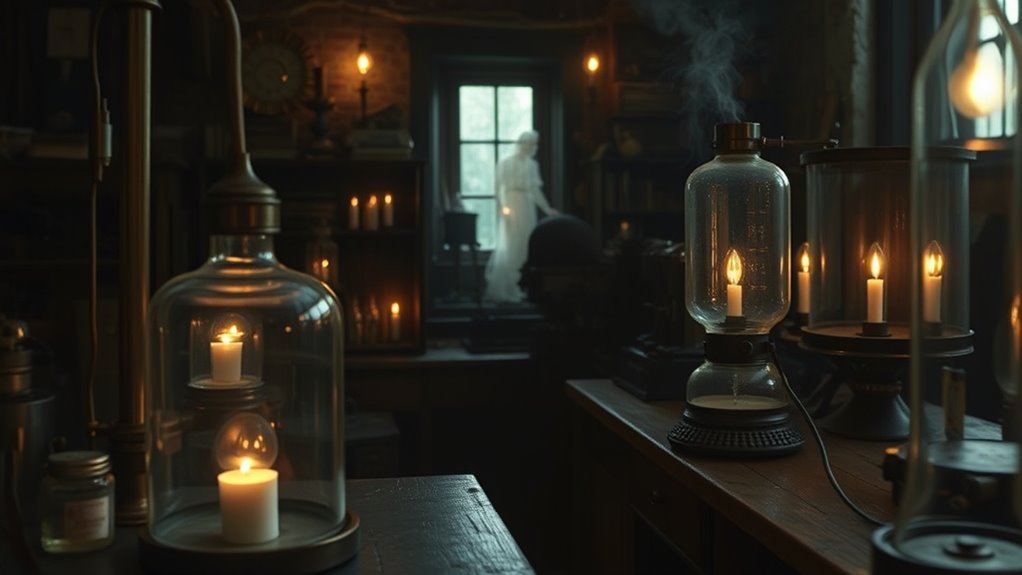
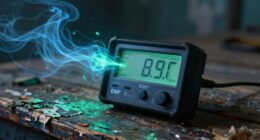
Scientists have long attempted to find objective evidence of spirits through various technological methods. They’ve used devices like electromagnetic field (EMF) meters, infrared cameras, and audio recorders to detect anomalies during supposed paranormal events. Some researchers believe fluctuations in electromagnetic fields could indicate supernatural presence, while others rely on thermal imaging to spot unusual cold spots or movements. Despite these efforts, results remain inconclusive. Many scientists argue that the data can often be explained by natural causes, such as electrical interference or environmental factors. Controlled experiments have failed to produce consistent, replicable findings that confirm spirits’ existence. As a result, mainstream science remains skeptical, viewing these technological attempts more as explorations of human perception than definitive proof of spirits.
The Mind’s Power: Perception and Reality
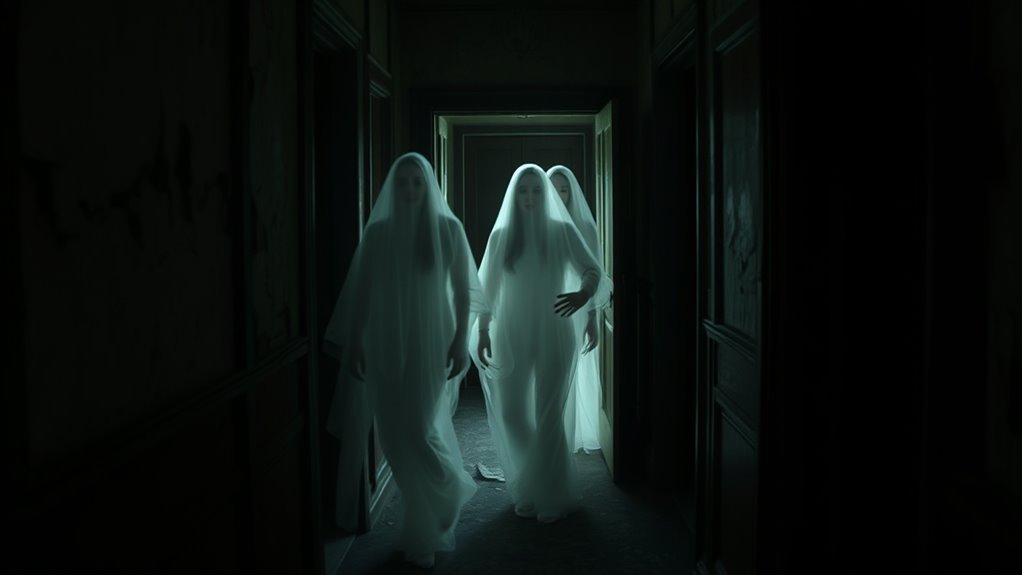
The power of the human mind shapes how you interpret the world, often blurring the line between perception and reality. Your senses can be deceived, leading you to believe in things that aren’t actually there. When you hear strange noises or see fleeting shadows, your brain tries to make sense of ambiguous information, sometimes creating illusions or hallucinations. Emotional states, expectations, and past experiences influence these perceptions, making certain sights or sounds seem real. This mental processing can cause you to interpret ordinary stimuli as supernatural phenomena. Recognizing that your perception isn’t always an accurate reflection of reality helps you understand why ghost encounters might stem from psychological factors rather than actual spirits. The mind’s influence on perception is so profound that mental clarity and awareness of cognitive biases can help you differentiate between reality and illusion. Your mind’s power shapes your reality more than you might realize.
Frequently Asked Questions
Can Ghosts Influence Physical Environments or Objects?
Yes, ghosts can influence physical environments or objects. You might notice objects moving, unexplained noises, or temperature drops during a supposed encounter. These phenomena are often attributed to ghostly activity, where spirits are believed to manipulate their surroundings. While scientific explanations vary, many believe that spirits can cause tangible effects, making the environment feel altered or haunted. If you experience such events, it could be a sign of ghostly influence.
Are There Geographical Hotspots for Ghost Sightings Worldwide?
Imagine a map dotted with whispers and shadows—certain places like Edinburgh, Gettysburg, and the Tower of London stand out as hotspots for ghost sightings. You’ll find these locations rich in history, legend, and mystery, making them prime grounds for tales of the supernatural. Visitors often report strange sounds and apparitions, turning these spots into magnetized areas where ghostly encounters seem to gather like moths to a flickering flame.
How Do Children Perceive and Report Ghost Encounters Differently?
You notice children often perceive and report ghost encounters differently because their imaginations are more vivid and less restrained by skepticism. They tend to interpret strange sounds or sights as ghosts, sharing stories freely and genuinely believing in them. Their minds easily blend reality and fantasy, making their reports more emotional and detailed. As you grow older, skepticism increases, and perceptions become more grounded in logic, often dismissing these encounters as imagination or coincidence.
What Historical Events Are Most Commonly Linked to Ghost Stories?
Historical events like battles, plagues, and tragic accidents often serve as the roots of ghost stories, acting like echoes of the past that refuse to fade away. You might find these tales lingering around old, haunted sites, whispering of lost souls and unfinished business. These stories connect us to history’s darker moments, making the past feel alive, as if ghosts are remnants of memories that refuse to rest.
Are There Documented Cases of Genuine Paranormal Activity?
Yes, there are documented cases of genuine paranormal activity. You might come across reports from credible witnesses, including police officers, scientists, and researchers, describing unexplained phenomena like strange voices, objects moving, or apparitions. While many of these cases remain unverified, some undergo thorough investigation, leaving you to wonder if there’s more beyond our understanding. These accounts fuel ongoing debates about whether spirits or other unseen forces truly exist.
Conclusion
Imagine walking through a foggy forest, where shadows seem to dance just beyond your sight. Like that mist, your mind can create images from shadowy thoughts, making you believe in ghosts. Studies show most sightings align with sleep paralysis or cultural stories, suggesting it’s more about your brain’s clever tricks than spirits. So, next time you think you see a ghost, remember—it’s your mind painting illusions from the fog of imagination.