Many TV ghost hunting shows manipulate reality with dramatic music, visual effects, and quick edits that create illusions rather than genuine evidence. Apparitions are often CGI or filtered, and sound devices like spirit boxes produce random noise mistaken for spirits. These shows also suggest that confronting spirits is safe and necessary, but real investigations are slower, more cautious, and teamwork-based. If you’re curious about what really happens behind the scenes, there’s a lot more to uncover.
Key Takeaways
- TV shows use dramatic music and visual effects to manipulate emotions, not to prove genuine paranormal activity.
- Apparitions and sounds are often fabricated with CGI, filters, or misinterpreted due to editing and special effects.
- Many “spirit communications” via EVP and spirit boxes are false positives caused by noise, interference, or psychological biases.
- Real investigations are slow, methodical, and collaborative, unlike the quick, sensational breakthroughs often shown on TV.
- Ethical investigation emphasizes respect and safety, avoiding provoking spirits, contrary to sensational TV portrayals.

Video Camera, Full HD 1080P 30MP Camcorder, Vlogging Camera for YouTube with Infrared Night Vision, 18X Digital Zoom 3.0“ LCD Screen Digital Camera, Video Recorder with Remote Control and Battery
【Full HD 1080P 24MP Video Camcorder】This video camera supports up to 1080P video resolution and 24.0MP image resolution….
As an affiliate, we earn on qualifying purchases.
As an affiliate, we earn on qualifying purchases.
Overuse of Dramatic Music and Sound Effects
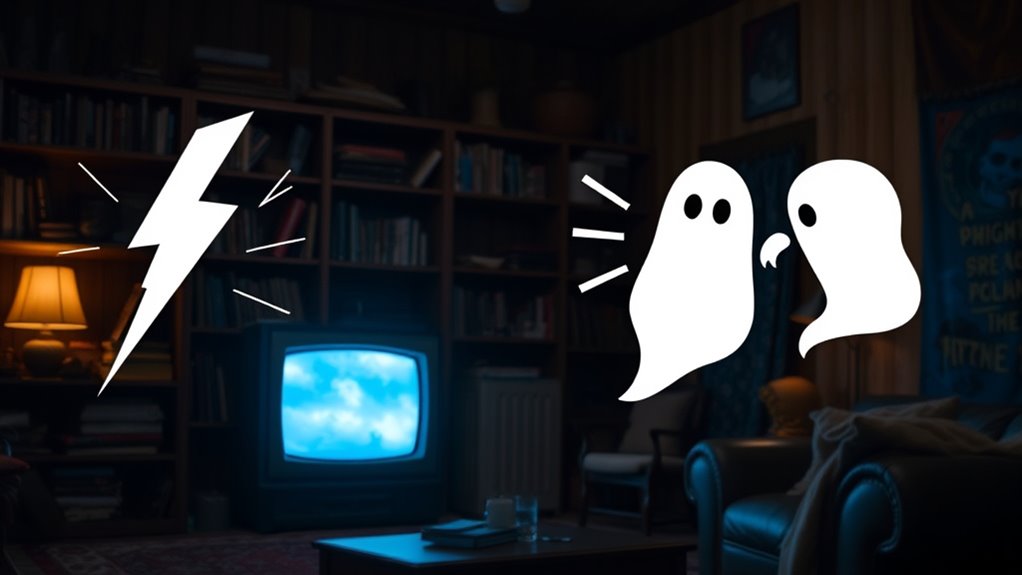
Many ghost hunting shows rely heavily on dramatic music and sound effects to heighten tension. This tactic makes every creak or whisper seem more sinister, but it often manipulates your emotions rather than providing genuine evidence. Instead of relying on these cues, focus on the actual footage and credible observations. The overuse of sound effects can create a false sense of danger, leading you to believe in haunted activity that isn’t really there. Producers purposefully heighten the drama to keep viewers engaged, but it can distort your perception of what’s truly happening. By recognizing this pattern, you become more critical of the show’s authenticity. Remember, genuine paranormal activity doesn’t depend on background music or sound effects—it’s in the quality of the evidence presented. Additionally, understanding the role of sound design can help viewers discern between staged effects and real phenomena.
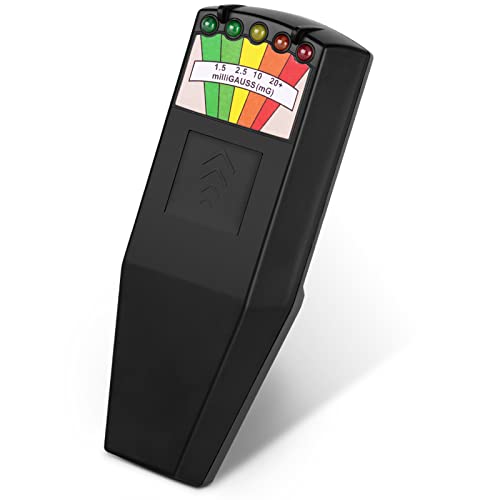
color tree Handheld LED EMF Magnetic Field Ghost Hunting Detector Electromagnetic Paranormal Equipment Tester 50Hz-20,000Hz Black
The EMF Meter Range for Ghost Hunting helps measure the electromagnetic fields to identify appliances that produce high-level…
As an affiliate, we earn on qualifying purchases.
As an affiliate, we earn on qualifying purchases.
The “Ghostly” Apparitions and Visual Effects

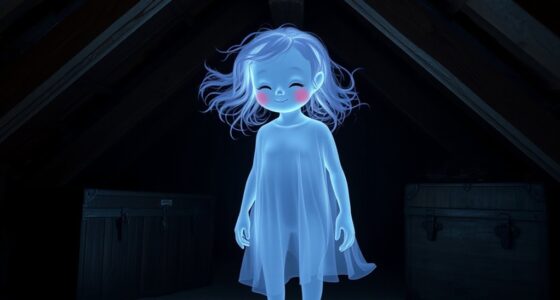
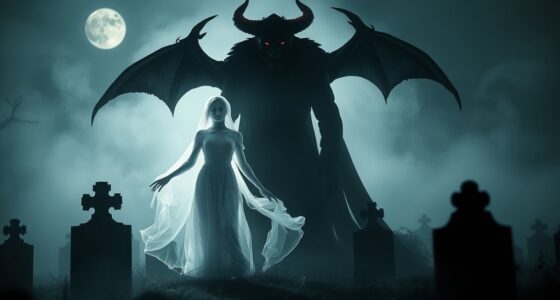
While some ghostly apparitions seem convincing on screen, a closer look reveals that many are created or enhanced through visual effects. Filmmakers and TV producers use filters, overlays, and computer-generated imagery to produce spooky figures or misty shapes that appear suddenly. These effects often rely on simple techniques like slow motion, flickering lights, or overlaying transparent images to mimic paranormal activity. Sometimes, a quick camera shake or editing trick makes the apparition seem more mysterious. You might even notice a lack of consistent logic; the “ghosts” vanish or change shape inexplicably. Recognizing these visual effects helps you see past the illusion and understand that many apparitions are carefully crafted illusions rather than real supernatural encounters. Additionally, understanding special effects techniques can help viewers critically analyze paranormal footage.

Sam and Colby XPLR Spirit Box | Paranormal Detection Equipment; Haunted Survival; Ghost Hunter Scanner; EMF and EVP Detector; Comprehensive Tool for Spirit Communication
Designed by Viral Explorers Sam and Colby: Step up your ghost hunting game with the "Spirit Box," created…
As an affiliate, we earn on qualifying purchases.
As an affiliate, we earn on qualifying purchases.
The Use of Spirit Boxes and Electronic Voice Phenomena (EVP)
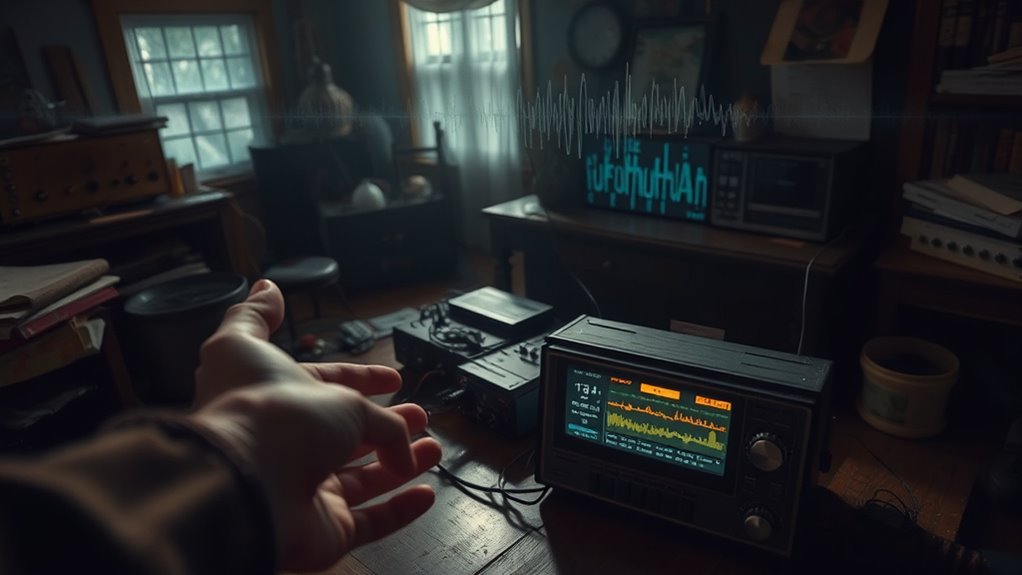
Spirit boxes and Electronic Voice Phenomena (EVP) are popular tools used in ghost hunting to supposedly capture spirits communicating through audio. These devices scan radio frequencies rapidly, creating a jumble of sounds, which believers claim spirits manipulate to produce words. However, many of these “responses” are random noise or coincidental echoes. To understand better, consider this table:
| Aspect | Explanation |
|---|---|
| Radio interference | Often mistaken for spirit communication due to random sounds. |
| Cognitive bias | Listeners tend to hear familiar words, interpreting them as messages. |
| Chance occurrences | Random sounds can seem meaningful when filtered through expectation. |
While intriguing, these methods lack scientific validation, making it likely that many EVP recordings are just coincidences or auditory illusions. Additionally, the psychological factors involved can influence perception and interpretation of these sounds.

11 Pcs Ghost Hunting Kit with 1 EMF Meter,1 EVP Recorder, 1 Spirit Box,1 Speaker,1 Infrared Thermometer,1 UV Light,2 Brass Detection Rods,2 LED Light up Cat Balls & 1 Carrying Case
Complete Ghost Hunting Kit:Ghost hunting equipment kit Includes 1 EMF detector, 1 UV flashlight, 1 EVP recorder, 1…
As an affiliate, we earn on qualifying purchases.
As an affiliate, we earn on qualifying purchases.
The Belief That All Noises Are Paranormal
People often assume that every strange noise must be paranormal, but most sounds have natural explanations. Household creaks, settling foundations, or even animals can produce noises mistaken for ghosts. Wind or temperature changes can cause objects to shift or vibrate, creating unfamiliar sounds. Sometimes, you might hear pipes gurgling or appliances humming, which are perfectly normal but easily misinterpreted. Human perception is prone to jump to supernatural explanations, especially during tense or dark moments. It’s important to *contemplate* these natural causes before assuming something’s paranormal. Understanding the contrast ratio and its impact on image quality can help in distinguishing between genuine phenomena and optical illusions. Jumping to conclusions can lead you to overlook logical explanations and create unnecessary fear. By understanding common sources of household noises, you gain a clearer perspective and avoid falling for the misconception that all strange sounds are ghostly activity.
The Emphasis on Confronting or Provoking Spirits
Provoking spirits on TV often seems exciting, but it can be dangerous and irresponsible. You might unknowingly escalate a situation or disturb genuine entities. Ethically, it’s questionable to intentionally provoke something you don’t fully understand. Additionally, such actions can sometimes lead to disturbing spirits, potentially resulting in unforeseen and frightening consequences.
Risks of Provocation
Many ghost hunting shows emphasize provoking or confronting spirits as a way to get them to reveal themselves, but this approach can be dangerous. When you intentionally stir up a spirit, you risk escalating the situation beyond your control. Spirits may become more agitated, leading to unpredictable responses or negative energy that could affect your mental or emotional well-being. Provocation can also increase the likelihood of attracting malevolent entities, which are more likely to cause harm or distress. Instead of risking these dangers, it’s safer to observe and document without confrontation. Respectful, non-aggressive approaches reduce the chance of adverse reactions and promote a safer, more responsible way to investigate paranormal activity. Remember, safety always comes first in any ghost-hunting effort. Additionally, understanding the signs of spoilage in related contexts underscores the importance of approaching unknown situations with caution and respect.
Ethical Concerns Unveiled
Engaging spirits through confrontation or provocation raises significant ethical questions about respect and responsibility. You may believe that provoking spirits leads to dramatic evidence, but it often disrespects entities that may be misunderstood or harmed. This approach can cause spiritual distress, potentially escalating risks for both the investigator and the environment. By intentionally provoking, you ignore the possibility that spirits deserve dignity and that your actions could have unintended consequences. Responsible ghost hunting should prioritize respect, understanding, and safety over sensationalism. Ethical concerns remind you to contemplate whether your curiosity justifies risking harm or disturbance. Ultimately, confronting spirits without regard for their well-being not only undermines integrity but also perpetuates harmful stereotypes about the supernatural. Using professional-grade equipment and proper techniques can help minimize risks and promote safer, more respectful investigations.
The Portrayal of Ghost Hunters as Lone Heroes
The portrayal of ghost hunters as lone heroes often exaggerates their independence and skill, creating a compelling but misleading image. In reality, most ghost investigations involve teams working together, sharing expertise and equipment. TV shows tend to focus on the solo hero, making it seem like one person can handle everything alone. This skews expectations and ignores the collaborative nature of real investigations. Recognizing this, here’s a quick comparison:
| Aspect | TV Portrayal | Reality |
|---|---|---|
| Solo Hero | One person solves all problems | Team effort with specialists involved |
| Equipment | Limited to what one person carries | Shared resources and advanced tools |
| Skills | Exceptional individual talent | Diverse skills pooled together |
| Investigation Pace | Fast, dramatic breakthroughs | Methodical, time-consuming process |
| Outcome | Clear resolution quickly | Often inconclusive, ongoing efforts |
This helps you see how reality differs from TV fiction. Additionally, understanding the collaborative approach to investigations can lead to more realistic expectations and better outcomes.
Frequently Asked Questions
Are Ghost Hunting Shows Scientifically Credible?
Ghost hunting shows aren’t really scientifically credible. They often rely on sensational footage, unproven technology, and subjective interpretations rather than solid evidence. When you watch, you might see dramatic effects or unexplained sounds, but these don’t prove paranormal activity. Instead, they’re often influenced by camera tricks, environmental factors, or the desire to entertain. So, approach these shows skeptically and remember they’re primarily designed for entertainment, not scientific discovery.
How Do Producers Influence Ghost Hunting Narratives?
Just like a 1950s sci-fi flick, producers shape ghost hunting stories by editing footage, scripting scenarios, and choosing camera angles that heighten suspense. They often prioritize entertainment over accuracy, prompting you to believe in supernatural activity that might not exist. They influence narratives by highlighting certain events while downplaying others, creating a compelling but often misleading story that keeps viewers hooked, even if it’s not entirely truthful.
What Psychological Factors Affect Perceived Paranormal Activity?
You might perceive paranormal activity due to psychological factors like pareidolia, where your brain interprets ambiguous stimuli as familiar objects or faces. Expectancy bias also plays a role; if you believe in ghosts, you’re more likely to interpret sounds or sights as paranormal. Stress, fatigue, and suggestibility heighten these perceptions, causing you to see or hear things that aren’t actually there. Your mind’s power profoundly influences what you believe to be supernatural phenomena.
Are There Ethical Concerns in Ghost Hunting Practices?
Sure, because chasing phantoms in abandoned houses for TV ratings is totally ethical, right? You should consider the ethical concerns in ghost hunting, like respecting property and people’s feelings. You might unintentionally invade privacy or cause distress, and sensationalizing your findings can mislead viewers. Always prioritize safety, consent, and honesty, because if you’re looking for spirits, you might also be searching for integrity—and that’s worth more than a viral episode.
How Accurate Are the Reported “Ghost” Sightings?
Ghost sightings are often inaccurate due to psychological factors like suggestion, fear, and misinterpretation of natural sounds or shadows. Your brain tends to fill in gaps with familiar images or ideas, making you perceive ghosts where none exist. Many reported sightings lack verifiable evidence and are influenced by media portrayals or personal biases. Keep a skeptical mindset, and remember that most ghost encounters can be explained scientifically.
Conclusion
While TV ghost hunts often thrill with dramatic music and eerie visuals, the reality is far less sensational. Behind the spooky effects, many so-called supernatural encounters are just tricks of sound and light. Instead of risking false beliefs or fear, you can appreciate the mysteries of the unknown with a skeptical eye. After all, true curiosity doesn’t need theatrics—it thrives in quiet, careful exploration, not on staged spectacles.