
Flickering lights happen because of electrical issues like loose wiring, faulty components, or unstable power supplies, which cause fluctuations in current and voltage. These variations affect how the light behaves, making it appear dimmer or brighter or causing it to flicker. The way your eyes perceive these changes is influenced by the physics of light and human vision. Keep exploring, and you’ll discover more about the science behind light stability and how to fix it.
Key Takeaways
- Flickering lights often result from voltage fluctuations caused by unstable power supply or faulty wiring.
- Changes in current flow due to circuit issues or overloaded circuits disrupt steady illumination.
- Human perception detects flicker based on light’s intensity, frequency, and the retina’s response.
- Incompatible dimmer switches or aging bulbs can cause inconsistent electrical signals, leading to flickering.
- Proper circuit design, stable power sources, and compatible fixtures help minimize flickering effects.
Top picks for "science behind flicker"
Open Amazon search results for this keyword.
As an affiliate, we earn on qualifying purchases.
How Electrical Circuits Influence Light Stability

Electrical circuits play a crucial role in maintaining consistent lighting. When your circuit is properly designed, it guarantees steady current flow, preventing fluctuations that cause flickering. The wiring layout and connections matter; loose or faulty connections can interrupt the flow, resulting in unstable light output. Circuit components like switches, transformers, and circuit breakers also influence stability—if any of these malfunction, flickering may occur. Proper grounding and insulation help prevent interference and voltage leaks that destabilize your lights. Additionally, the load on your circuit impacts performance; overloading can lead to voltage drops. By ensuring your electrical circuits are well-maintained and correctly configured, you reduce the chances of flickering and enjoy stable, reliable lighting throughout your space. Studies on home security systems show that proper electrical setup can also prevent potential hazards and improve overall safety.
The Role of Voltage Fluctuations and Power Supply Issues

Voltage fluctuations and power supply issues are common causes of flickering lights, often occurring without warning. When your electrical system faces inconsistent voltage levels, your lights can dim, brighten, or flicker unexpectedly. These fluctuations happen for various reasons, such as high demand on the grid, faulty wiring, or issues with transformers. Power surges or drops can cause your lighting to respond instantly, making the flickering noticeable. If your home’s electrical supply isn’t stable, your appliances and lights suffer. You might also experience flickering when large appliances turn on or off, drawing sudden power. Addressing these issues involves checking wiring, ensuring your utility company maintains a stable supply, or installing voltage regulators. Understanding these causes helps you troubleshoot flickering lights effectively.
Understanding the Physics of Light and Human Perception

Understanding how we perceive light involves exploring the physics behind how light behaves and how our eyes interpret it. Light travels as waves or particles, bouncing off objects and entering your eyes. Your retina detects these signals, converting them into electrical impulses sent to your brain. Human perception depends on factors like brightness, color, and flicker rate. Advances in AI in Education are also enhancing how we understand visual perception and learning processes.
Common Causes of Flickering in Household Lighting

Flickering in household lighting is often caused by issues with the electrical components or connections that power your lights. Loose or faulty wiring can cause inconsistent electrical flow, resulting in flickering. If your light bulb isn’t securely screwed in, it can disrupt the connection, leading to flashes of light. Dimmer switches, especially if incompatible with certain bulbs, may cause flickering when adjusting brightness levels. Fluctuations in your home’s power supply—perhaps due to high energy demand or overloaded circuits—can also cause lights to flicker. Additionally, aging or damaged light bulbs can produce uneven illumination. Faulty switches or circuit breakers may intermittently interrupt current flow, creating flickering effects. Understanding these electrical issues can help you identify the root cause of flickering and take appropriate action.
Methods to Fix and Prevent Light Flickering
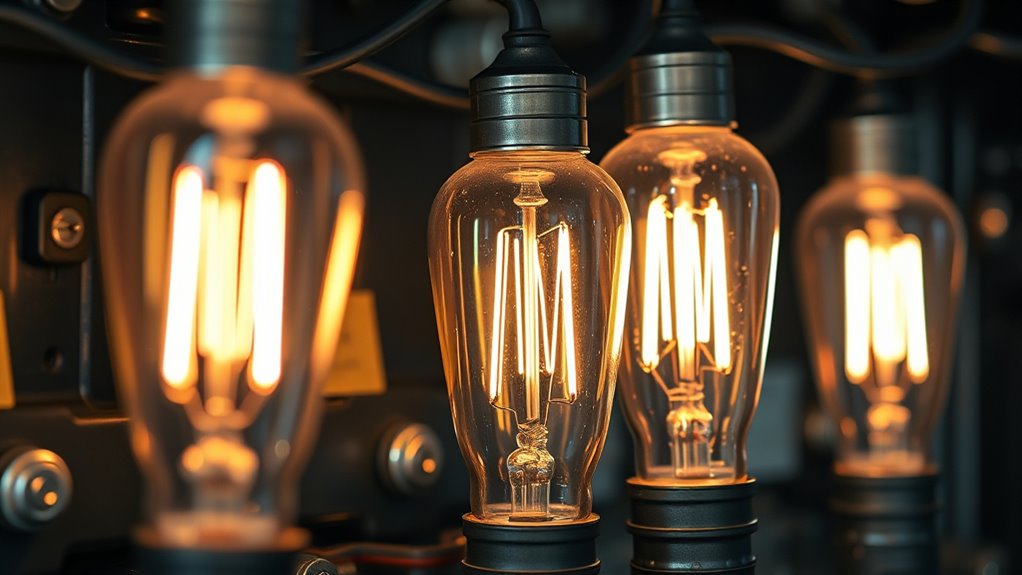
To fix and prevent light flickering, start by inspecting your bulbs and connections. Replace any burnt-out or loose bulbs, ensuring they’re screwed in tightly. Check for any frayed or damaged wires in your fixtures and repair or replace them as needed. If flickering persists, turn off the switch and examine your circuit breaker for overloads or faults. Upgrading to modern LED bulbs can also help, as they resist flickering better than incandescent bulbs. Consider installing dimmer switches compatible with your bulbs to prevent fluctuations. Regular maintenance, like cleaning contacts and tightening connections, keeps your lighting stable. Ensuring your electrical system includes proper wiring and connections can reduce the risk of flickering. If flickering continues despite these steps, consult an electrician to diagnose wiring or circuit issues that might be causing the problem. Proper inspection and maintenance are key to preventing flickering.
Frequently Asked Questions
Can Flickering Lights Indicate Electrical Fire Hazards?
Yes, flickering lights can indicate electrical fire hazards. When your lights flicker unexpectedly, it often means there’s an issue like loose wiring, overloaded circuits, or faulty connections. These problems can generate heat and increase fire risk. You should address flickering lights promptly by turning off affected circuits and calling a professional electrician. Ignoring these signs could lead to electrical fires, so always prioritize safety and proper repairs.
How Do LED Lights Flicker Differently Than Incandescent Bulbs?
LED lights flicker differently than incandescent bulbs because they use electronic components that can cause rapid, subtle flashes. You might notice flickering in LEDs when the driver or dimmer switch isn’t compatible or when there’s inconsistent power. Incandescent bulbs, on the other hand, flicker less because they heat a filament that glows steadily. If your LEDs flicker noticeably, check your dimmer or power supply to prevent potential issues.
Are Flickering Lights Harmful to Human Health?
Flickering lights can be harmful, especially if you experience headaches or eye strain. Studies show that flickering at frequencies below 70 Hz can trigger migraines in sensitive individuals. You might not notice the flicker, but your body reacts to it, causing discomfort or fatigue over time. To protect yourself, opt for flicker-free LED or incandescent bulbs, and consider using quality dimmers and power supplies to reduce flickering effects.
Do Smart Home Systems Affect Light Flickering?
Yes, smart home systems can affect light flickering. When you use smart bulbs or dimmers, they communicate via Wi-Fi or Bluetooth, which can cause minor flickering if signals are unstable or incompatible. You might notice irregularities when adjusting brightness or switching modes. To minimize flickering, make certain your devices are compatible, update firmware regularly, and avoid overcrowding your Wi-Fi network. Proper setup helps create a stable, flicker-free lighting experience.
Can Flickering Lights Impact Your Sleep Patterns?
Yes, flickering lights can impact your sleep patterns. When you’re exposed to flickering or flashing lights, especially during evening hours, it can disrupt your circadian rhythm by interfering with melatonin production. This makes it harder to fall asleep and can reduce sleep quality. To protect your sleep, try to minimize exposure to flickering lights before bed, and consider using dim, steady lighting in the evenings.
Conclusion
Think of your lights as a delicate dance, each step guided by the steady rhythm of a well-tuned orchestra. When voltage dips or circuits falter, the dance falters, causing flickering shadows. By understanding and fixing these issues, you become the conductor, restoring harmony and ensuring your lights shine consistently. With a little attention, you keep the performance smooth, letting your home glow steadily like a peaceful, well-rehearsed ballet.