To avoid false positives in paranormal data, you should follow strict collection protocols by using calibrated tools and documenting all conditions. Employ controls and baseline measurements to distinguish genuine phenomena from environmental noise. Cross-verify findings across multiple methods like audio, electromagnetic, and visuals, to strengthen your conclusions. Be aware of your biases and keep an objective mindset, questioning initial impressions. Maintaining transparent records helps identify sources of error; discover more ways to improve your investigations as you continue exploring.
Key Takeaways
- Use standardized tools and calibration to ensure data accuracy and consistency.
- Record environmental conditions to distinguish natural fluctuations from genuine phenomena.
- Cross-verify findings with multiple data types, such as audio, electromagnetic, and visual evidence.
- Maintain detailed, transparent documentation to facilitate review and reduce misinterpretation.
- Be aware of cognitive biases and avoid jumping to conclusions based on expectations or assumptions.
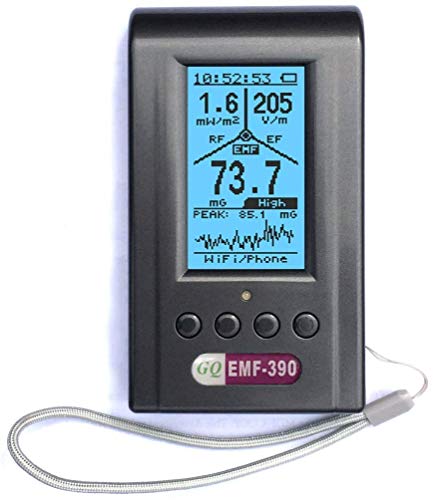
EMF Meter,Advanced GQ EMF-390 Multi-Field Electromagnetic Radiation 3-in-1 EMF ELF RF meter, 5G Cell Tower Smart meter Wifi Signal Detector RF up to 10GHz with Data Logger and 2.5Ghz Spectrum Analyzer
Multiple high sensitivity sensors installed for detecting Power line, Smart meter, Cell phone, Microwave etc.
As an affiliate, we earn on qualifying purchases.
As an affiliate, we earn on qualifying purchases.
Implement Rigorous Data Collection Protocols

To minimize false positives, you need to establish strict data collection protocols from the start. Begin by clearly defining your objectives and the specific phenomena you’re investigating. Use standardized tools and methods, such as calibrated sensors and consistent recording equipment, to guarantee data uniformity. Document every step meticulously—note environmental conditions, equipment settings, and time stamps. Avoid mixing different data sources without proper controls, and prevent contamination by limiting external influences. Regularly check and maintain your equipment to ensure accuracy. Train yourself and team members thoroughly so everyone follows the same procedures. Be disciplined in data collection, avoiding shortcuts or assumptions. Additionally, understanding the principles of ethical hacking can help you identify vulnerabilities in your data collection setup, ensuring your system remains secure from tampering. This rigorous approach creates a reliable foundation, reducing errors and helping distinguish genuine paranormal signals from false positives.
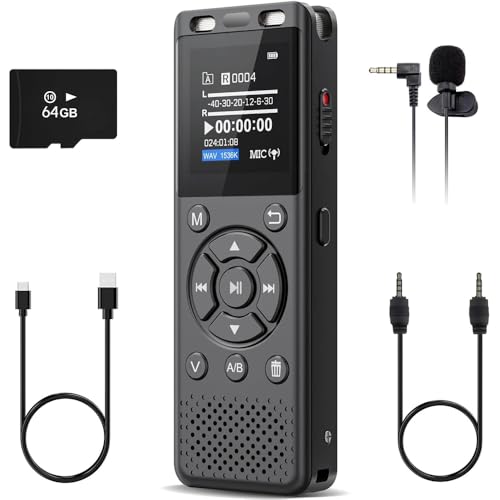
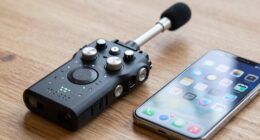
Tonfarb 64GB Digital Voice Recorder with Playback,Audio Recording Device for Lectures Meeting/Classes/Interviews,Tape Recorder with Voice Activated,Password,Noise Reduction,A-B Repeat,MP3 Player Etc
【One Click Record and Save】This voice recorder features instant one-click recording and saving. Even when powered off, simply…
As an affiliate, we earn on qualifying purchases.
As an affiliate, we earn on qualifying purchases.
Use Controls and Baseline Measurements
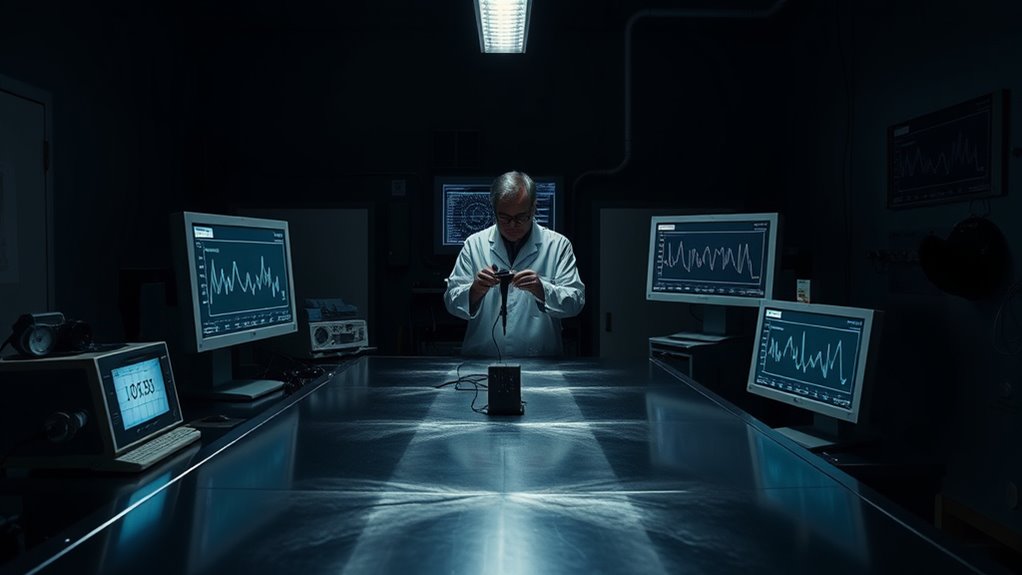
Establishing controls and baseline measurements is vital for distinguishing genuine paranormal phenomena from normal environmental or electronic noise. Before investigating, record environmental conditions like temperature, humidity, electromagnetic activity, and lighting levels over a period. This creates a baseline to compare against during your observations. Use control setups where you suspect no paranormal activity to identify regular fluctuations or interference. By doing so, you can determine if unusual readings are truly linked to paranormal phenomena or are simply part of the environment. Consistently documenting these baseline conditions helps you recognize patterns and filter out false positives. This systematic approach ensures you’re not misinterpreting normal environmental variations or electronic interference as paranormal events. Understanding state-specific tax laws can also be useful for planning financially, much like establishing a baseline helps clarify genuine phenomena. It’s a key step in maintaining the integrity of your data.
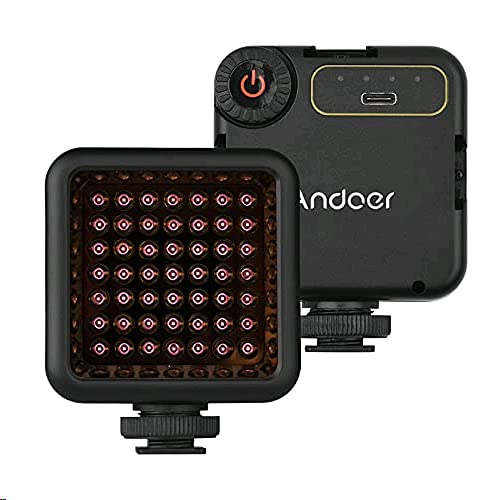
Mini IR Night Vision Light Infrared Photography Light for Video Camera Camcorder Built-in Rechargeable Battery with 3 Cold Shoe Mount for Vlog Video Recording
Versatile Lighting: Ideal for vlogging, video recording, and photography, this compact IR light ensures you're always ready to…
As an affiliate, we earn on qualifying purchases.
As an affiliate, we earn on qualifying purchases.
Cross-Verify Findings With Multiple Methods
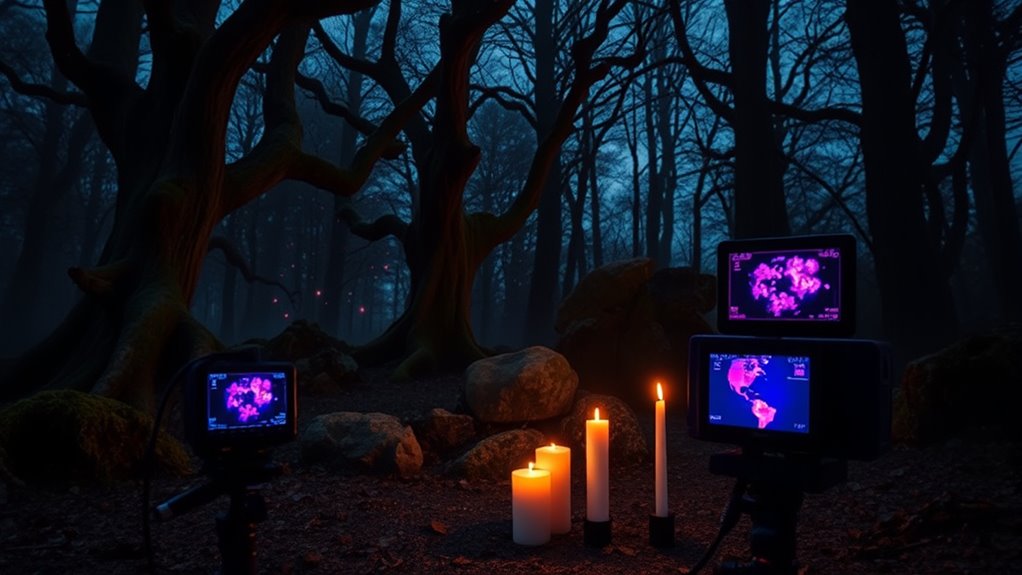
After setting baseline measurements and controls, verifying findings through multiple methods adds another layer of confidence to your observations. Using different approaches helps confirm whether an anomaly is genuine or a false positive. For example, combining audio recordings, electromagnetic readings, and visual inspections can provide corroborating evidence. This cross-verification reduces the risk of misinterpreting noise or equipment errors as paranormal activity. To illustrate, consider this comparison:
| Method | Data Type | Strengths |
|---|---|---|
| Audio Recordings | Sound anomalies | Detects subtle noises |
| EM Field Meters | Electromagnetic fluctuations | Quantifies electromagnetic changes |
| Video Footage | Visual anomalies | Captures movement or light |
Additionally, practicing meditation can help improve your focus and discernment during investigations, making it easier to recognize genuine signals from background noise.

USB Temperature Data Logger Recorder for Temperature Humidity and Atmospheric Pressure, IP65 Waterproof Temperature Logger with PDF and CSV Reports High Accuracy
Real Time measurement: Temp data logger; simultaneous and real time recording of atmospheric conditions with a wide measurement…
As an affiliate, we earn on qualifying purchases.
As an affiliate, we earn on qualifying purchases.
Be Aware of Cognitive Biases and Expectations
Have you ever noticed how your expectations can shape what you perceive during paranormal investigations? If you expect to find evidence of spirits, you might interpret ambiguous sounds or movements as ghostly activity. Cognitive biases like confirmation bias make you focus on data that supports your beliefs while ignoring contradictory information. Your mind tends to fill in gaps or see patterns where none exist, especially when you’re keenly interested in results. To avoid false positives, stay aware of these biases. Question your initial impressions and consider alternative explanations. Recognize that personal beliefs, hopes, or fears can influence your perceptions. Being aware of perception biases can help you critically evaluate your observations and prevent misinterpretations. By remaining objective and questioning your assumptions, you reduce the risk of mistaking coincidence or normal phenomena for paranormal activity.
Document and Review Data Transparently

To effectively minimize false positives during paranormal investigations, it’s vital to document all data thoroughly and review it with transparency. Keep detailed records of every observation, including dates, times, environmental conditions, and equipment used. Use clear, objective language and avoid assumptions or interpretations during documentation. When reviewing data, remain open-minded and scrutinize each piece critically. Cross-check findings with other team members and look for inconsistencies or anomalies that may suggest errors or environmental factors. Maintaining transparency means sharing raw data and methods openly, allowing others to verify results. This approach helps identify biases or overlooked variables that could lead to false positives. Additionally, understanding the testing environment and its influence on data helps ensure accurate interpretation. Ultimately, transparent documentation and review foster trustworthiness and accuracy in your investigation process.
Frequently Asked Questions
How Do I Distinguish Between Genuine Paranormal Activity and Environmental Interference?
To distinguish genuine paranormal activity from environmental interference, you should first control for common sources like electrical devices, drafts, and vibrations. Observe patterns carefully, noting if the activity persists despite environmental changes. Use multiple instruments simultaneously to verify readings. Trust your senses but also rely on data. When anomalies occur consistently, away from environmental factors, you’re more likely witnessing something paranormal rather than natural interference.
What Technological Tools Are Most Effective for Reducing False Positives?
You should use multi-sensor devices like electromagnetic field meters, infrared cameras, and audio recorders to cross-verify signals. These tools help you identify consistent patterns that suggest genuine activity rather than environmental interference. Regular calibration and testing of your equipment are essential. Combining data from multiple sources allows you to filter out false positives effectively. Always document your findings meticulously to analyze patterns and improve your detection accuracy over time.
How Can I Train Myself to Recognize Subconscious Biases During Data Collection?
Like a Jedi in training, you can train yourself to recognize subconscious biases by staying aware of your thoughts and emotions during data collection. Practice mindfulness, question your assumptions, and record your observations meticulously. Regularly review your data to spot patterns of bias. Engage with others to get fresh perspectives and challenge your interpretations. Over time, these habits will sharpen your awareness and help you identify biases before they influence your findings.
Are There Specific Cultural Factors That Influence Paranormal Data Interpretation?
Yes, cultural factors greatly influence how you interpret paranormal data. Your beliefs, traditions, and societal norms shape what you perceive as paranormal, often leading you to see patterns that align with your cultural background. To avoid bias, stay aware of these influences and compare findings across different cultures. Question your assumptions and consider alternative explanations, ensuring your interpretations are as objective and accurate as possible.
How Often Should I Update My Data Collection Protocols for Accuracy?
You should update your data collection protocols at least once a year, or whenever new technology or methods become available. Regular updates guarantee you stay current with best practices, improve accuracy, and reduce false positives. Keep an eye on emerging research and adapt your procedures accordingly. Consistent review and refinement help you maintain reliable data, making your paranormal investigations more precise and credible over time.
Conclusion
By implementing rigorous protocols, using controls and baseline measurements, cross-verifying findings with multiple methods, and staying aware of biases and expectations, you can substantially reduce false positives. Staying disciplined in documentation and transparent review ensures integrity in your data. Consistently applying these practices helps you distinguish genuine phenomena from illusions, avoiding false positives and building trust in your findings. Ultimately, thoroughness, skepticism, and transparency become your best tools in the pursuit of credible paranormal research.