
Orbs in photographs are usually caused by natural factors like dust, pollen, moisture, or reflections near your camera lens, not paranormal activity. These glowing circles often result from camera settings or lens dirt, making them look mystical but having a scientific explanation. While some believe orbs are spirits or supernatural signs, most experts see them as optical illusions or camera artifacts. If you’re curious about how to tell real from fake orbs, there’s more to explore.
Key Takeaways
- Most orbs are caused by natural factors like dust, moisture, or lens reflections, not paranormal activity.
- Scientific investigations attribute orbs to camera artifacts, environmental particles, and lighting conditions.
- Paranormal claims often interpret orbs as spirits, but there’s no empirical evidence linking them to the supernatural.
- Behavior and appearance analysis suggest that genuine orbs move smoothly and remain consistent, unlike false orbs.
- Overall, orbs are better explained by natural and technical factors rather than proof of paranormal phenomena.
Top picks for "orbs proof paranormal"
Open Amazon search results for this keyword.
As an affiliate, we earn on qualifying purchases.
What Are Photographic Orbs?

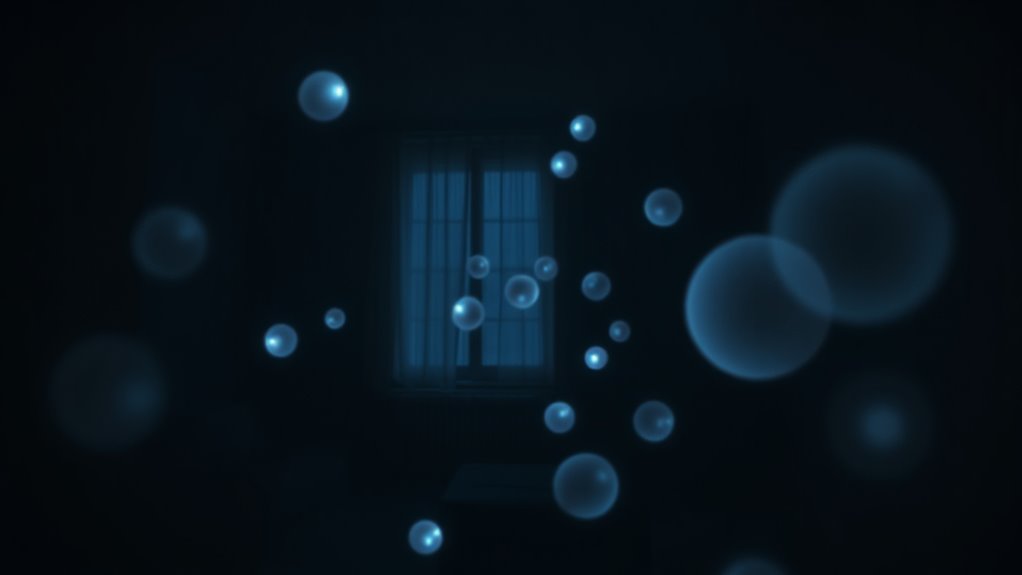
Photographic orbs are spherical spots that often appear in photographs, especially in low-light conditions. You might notice them as small, glowing circles floating in your images. These orbs are usually caused by dust, pollen, or moisture particles close to your camera lens. When the camera’s flash or bright light hits these particles, it reflects back, creating the appearance of a bright, round spot. The shape is typically perfect because of the way the light reflects and the camera’s lens shape. Orbs are most common in photographs taken indoors or in dim environments where particles are abundant and lighting is low. While some see them as evidence of spirits, most experts attribute orbs to optical and environmental factors.
Common Explanations for Orb Phenomena
Most experts agree that the majority of orb phenomena can be explained by natural and technical factors rather than supernatural causes. Dust particles, pollen, and insects often reflect camera flash, creating the appearance of glowing orbs in photos. Moisture droplets or lens flare from bright lights can also produce similar effects. Camera settings, such as slow shutter speeds or high ISO, can enhance these reflections, making orbs appear more prominent. Additionally, dirt or smudges on your camera lens may cause light distortions that resemble orbs. Many times, what you see as an orb is simply a small particle close to the lens illuminated by flash or ambient light, not an indication of paranormal activity. Recognizing these common causes helps demystify orb appearances in photographs. Understanding photographic artifacts can further help distinguish between genuine paranormal phenomena and natural occurrences.
Scientific Investigations and Skepticism

Scientific investigations into orb phenomena often rely on rigorous testing and skepticism to determine their true nature. You’re encouraged to examine orb sightings critically, considering factors like lighting, camera quality, and environmental conditions. Researchers often replicate conditions to see if orbs appear naturally, rather than jumping to paranormal conclusions. Scientific methods involve analyzing photographs, videos, and environmental data to identify common causes such as dust, insects, or reflections. Skepticism plays a crucial role, prompting investigators to question extraordinary claims and seek natural explanations first. You’re urged to prioritize empirical evidence over anecdotal reports, ensuring that interpretations are based on measurable data. Understanding the contrast ratio of images can reveal whether orbs are due to camera artifacts or genuine anomalies. This approach helps separate genuine unexplained phenomena from everyday occurrences, fostering a rational understanding of orb sightings.
Cultural and Paranormal Interpretations

Cultural and paranormal interpretations often shape how you perceive orb phenomena, linking them to spirits, ghosts, or other supernatural entities. Many believe orbs are visual evidence of spirits trying to communicate or manifest. In some traditions, orbs are seen as souls of the deceased, offering guidance or messages from beyond. Others interpret them as portals to another dimension or as signs of spiritual presence. Cultural beliefs influence whether you see orbs as positive signs, warnings, or mere illusions. These interpretations can heighten your perception of paranormal activity, especially if you’re already inclined to believe in the supernatural. While science offers alternative explanations, cultural and paranormal views continue to shape how people understand and interpret these mysterious light phenomena. Additionally, perception biases can influence how you interpret orb sightings based on your cultural background and personal beliefs.
How to Differentiate Between Real and Illusory Orbs
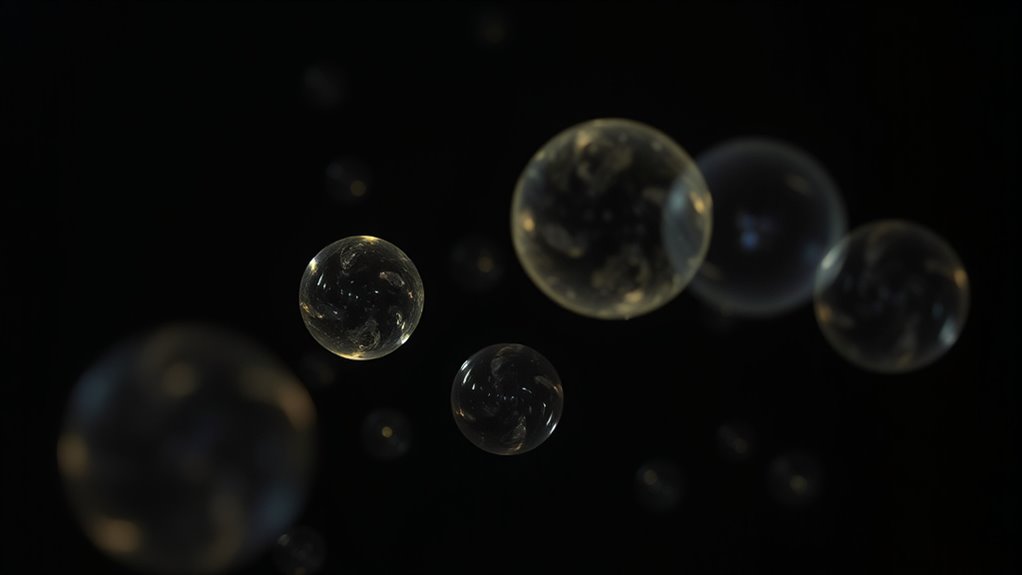
To tell if an orb is real or just an illusion, you need to observe its behavior and appearance carefully. Real orbs often move smoothly and consistently, sometimes drifting or floating without erratic jumps. They usually appear as translucent, glowing circles with diffuse edges, and their size remains relatively stable. Illusory orbs, however, tend to flicker, dart suddenly, or appear only in certain lighting conditions or angles. Pay attention to their context; reflections, dust particles, and camera artifacts often create fake orbs. Use a steady camera and natural lighting to reduce reflections. If an orb’s movement seems unnatural or it appears only in specific shots, it’s likely an illusion. Differentiating these helps you avoid misinterpreting everyday phenomena as paranormal evidence. Additionally, understanding the appearance and behavior of genuine orbs can improve your ability to distinguish them from illusions.
Frequently Asked Questions
Can Orbs Appear in Videos Without Camera Interference?
Yes, orbs can appear in videos without camera interference. These orbs often result from dust, insects, or moisture reflecting light, which camera lenses capture as glowing circles or spheres. Sometimes, environmental factors like light reflections or lens flare create similar effects. So, if you see orbs in your footage, it’s likely due to natural causes rather than paranormal activity, especially if you observe consistent conditions when capturing them.
Are There Specific Locations Where Orbs Are More Common?
If you’re wondering where orbs are more common, you’ll find they often appear in places with high emotional energy or history, like old houses, cemeteries, or places with recent activity. Coincidentally, these locations tend to have lots of dust, moisture, or insects, which can create orb-like effects in photos or videos. So, pay attention to environments where mysterious lights seem to appear unexpectedly—these spots might just be more orb-friendly.
How Do Environmental Factors Influence Orb Appearances?
Environmental factors play a significant role in orb appearances. You’ll notice orbs are more common in humid or dusty areas, where particles float in the air and reflect light. Bright lights, camera settings, and temperature changes also influence their visibility. Wind or movement can stir dust or insects, creating orbs in photos. By understanding these factors, you can better interpret whether orbs are natural phenomena or something more mysterious.
Do Professional Paranormal Investigators Consider Orbs Credible Evidence?
Most professional paranormal investigators don’t consider orbs credible evidence on their own. They see orbs as potential clues but not definitive proof of paranormal activity. You should know that many orbs are caused by dust, insects, or camera reflections. If you’re exploring paranormal claims, it’s best to combine orb observations with other evidence like temperature drops or EVPs, rather than relying solely on orb appearances.
What Technological Advancements Help Detect Orbs More Accurately?
You can now use advanced digital cameras with higher resolution and better low-light sensitivity to detect orbs more accurately. Techniques like infrared and ultraviolet imaging help reveal details invisible to the naked eye. Additionally, software powered by AI analyzes photos for orb patterns, reducing false positives caused by dust or bugs. These technological improvements make your investigations more precise, helping you distinguish genuine paranormal activity from everyday environmental factors.
Conclusion
While some see orbs as proof of paranormal activity, scientific explanations often tell a different story. You might marvel at their mysterious glow, but don’t forget the common causes like dust or camera flaws. By understanding both perspectives, you can appreciate the allure of the unknown without jumping to conclusions. In the end, whether a ghostly presence or just a trick of light, orbs remind you that mystery and science often dance together, inviting curiosity rather than certainty.