

TL;DR

Get movie-night favorites delivered free — and shop member deals
- Fast, free delivery on millions of items
- Access to Prime Big Deal Days deals on October 6–7
- Prime Video, Amazon Music and more included
You can turn one recorded video into a full set of publishing assets—like embeds, playlists, and promotional materials—without needing cloud services. It’s about local-first workflows that keep your content in your hands, not in someone else’s data center.
Imagine finishing a video and having a full publishing kit ready—ready to embed on your site, share on social media, or send out in newsletters—without ever uploading to a cloud platform. It sounds like a dream, but it’s becoming more possible with local-first tools that keep your media on your machine.
This article walks you through how one recorded asset can turn into a multi-platform publishing package, all while sidestepping the usual cloud dependencies. We’ll explore how this approach works, what it offers, and why it might just change how you think about content distribution.
Key Takeaways
- A single video can generate a complete set of publishing assets—embeds, clips, social posts—from your local machine, cutting reliance on the cloud.
- Local-first workflows give you full control, faster turnaround, and better security, especially for solo creators or small teams.
- You can test and finalize your assets offline before publishing, reducing errors and delays.
- While cloud tools excel at collaboration and scalability, they come with tradeoffs that matter more in team environments.
- Combining local creation with cloud distribution offers a flexible, secure, and efficient publishing process.
As an affiliate, we earn on qualifying purchases.
How a Single Video Can Spawn an Entire Publishing Kit — No Cloud Needed
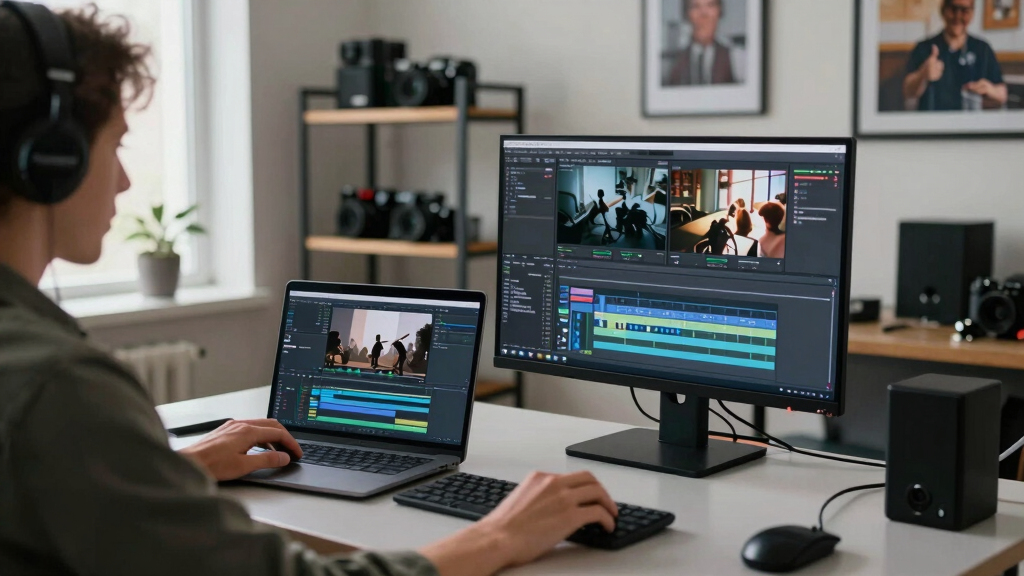
Turning one video into a full publishing kit means generating all the assets you need—titles, descriptions, clips, playlists—directly from your local machine. This approach cuts out the cloud, giving you total control. You start by dropping your video into a tool like ChannelHelm, which analyzes and creates a bundle of outputs.
From a single upload, you get a set of ready-to-use assets: a polished embed, social snippets, short clips, and even blog drafts. All generated offline, with no reliance on cloud storage or online collaboration.
This method isn’t just about convenience; it’s about security, speed, and independence. You’re in the driver’s seat, crafting your content ecosystem without waiting for cloud servers to process or store your work.
As an affiliate, we earn on qualifying purchases.
Why Relying on Cloud Can Limit Your Control and Flexibility
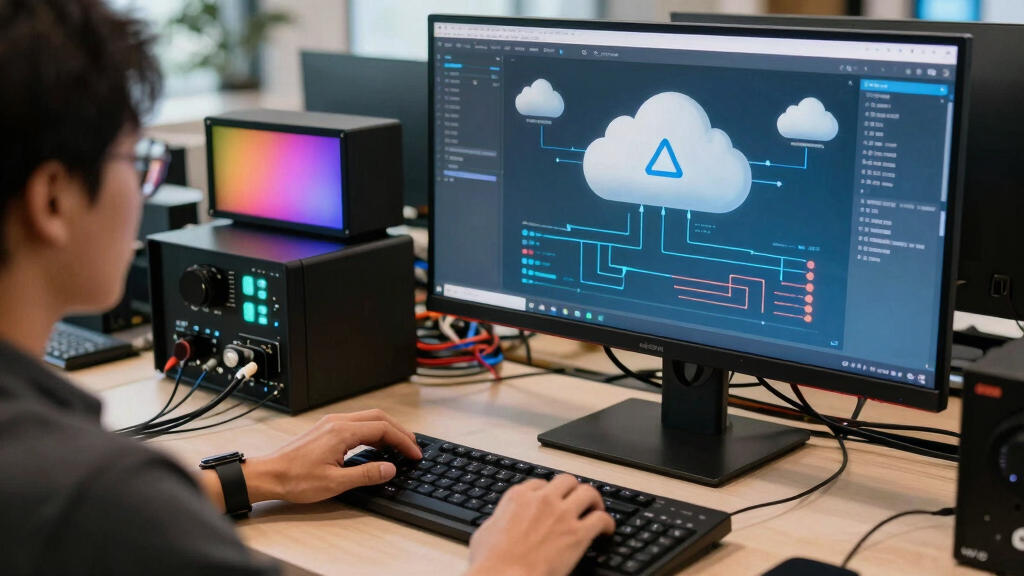
Cloud platforms promise scalability and collaboration, but they often come with tradeoffs. When you upload a video to a cloud service, you’re trusting their infrastructure, policies, and uptime. Plus, you’re limited by their formats, workflows, and often, their pricing models.
For example, a creator who uses cloud tools might upload a video, then wait while the platform generates thumbnails, captions, and clips. But if the cloud service goes down, or if you need to tweak something offline, you’re stuck. This dependency can slow down your workflow and restrict your ability to adapt quickly.
Contrast this with a local-first approach: you own every asset, control every step, and can work offline without interruption. You can generate a playlist and test it on your website immediately—no upload delays, no dependency on external servers. This level of control allows for rapid iteration, customized branding, and enhanced privacy, but it also requires more initial setup and technical know-how. The tradeoff is greater independence at the cost of some convenience and collaboration features that cloud services provide.
As an affiliate, we earn on qualifying purchases.
How to Create a Full Publishing Kit from One Video — Step-by-Step
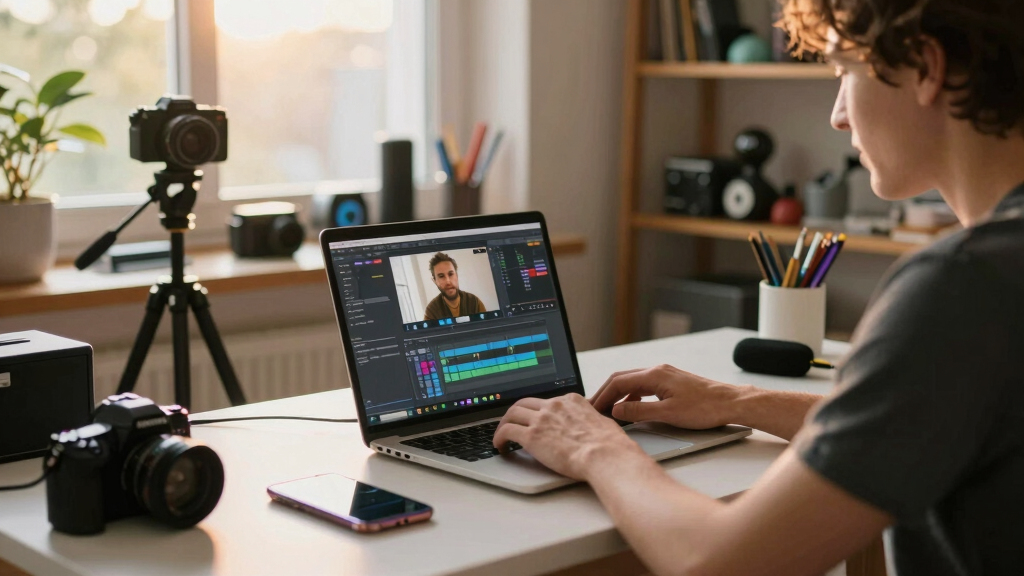
- Drop your video or paste a link: Use a tool like ChannelHelm to ingest your content. It automatically detects your channel and prepares your assets.
- Let the tool analyze and understand: Background workers transcribe, analyze visuals, and fuse data into a structured scene log, which is essential for creating relevant assets. This analysis isn’t just about generating outputs; it’s about understanding the content deeply enough to produce meaningful, contextually accurate assets. The better this understanding, the more tailored and effective your publishing kit becomes, reducing manual editing and ensuring consistency across assets.
- Review in your workspace: See titles, clips, social posts, and blog drafts pop up in your review panel. Edit, regenerate, or approve assets as needed. This step is crucial because it allows you to ensure that the automatically generated assets align with your branding, message, and audience expectations. Since everything is local, you can iterate quickly without waiting for cloud processing or uploads, enabling a more agile and personalized workflow.
- Publish locally: Once approved, export the package—embed code, playlists, thumbnails, and social snippets—to your website or social platforms. This local export means you control the timing and method of deployment, avoiding delays caused by cloud publishing restrictions or API limitations. Your assets are ready for immediate use, and you can even customize or update them on the fly as needed.
This process takes minutes, not hours, and keeps everything in your control. You can test embeds on your phone, tweak playlists, and finalize assets without ever going online. The key is understanding that this workflow emphasizes rapid, flexible, and private publishing—giving you the power to adapt and iterate on your content in moleopedia.com.
As an affiliate, we earn on qualifying purchases.
The Power of a Single Package: Embeds, Playlists, and Promotional Assets
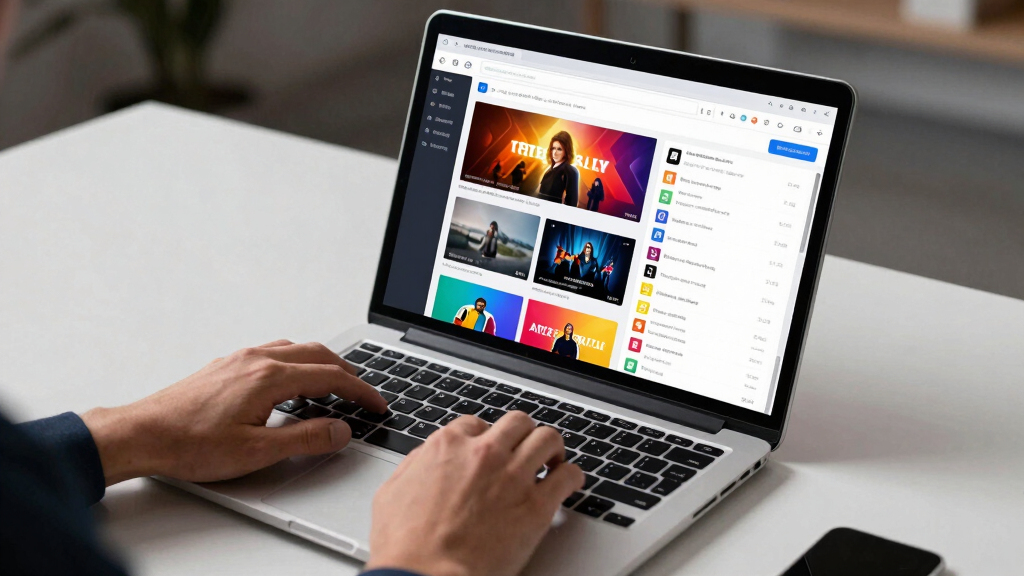
Imagine having a single, unified package that contains everything you need to publish and promote your video. This includes customizable embed codes, social media snippets, playlists, and even blog drafts—ready to deploy without extra steps. For more insights on content management, visit youngsterchoice.com.
Having all these assets in one package means you can maintain a consistent branding and messaging across platforms, which enhances viewer recognition and engagement. It also streamlines your workflow, as you don’t need to generate or gather assets separately for each channel. This consolidation reduces manual effort, minimizes errors, and speeds up your publishing process.
Furthermore, because these assets are styled and assembled locally, you have the flexibility to customize each element to suit specific platforms or campaigns. For example, you might create a vertical clip for Instagram Stories and a horizontal version for YouTube, all from the same analysis. This level of control ensures your content looks professional and cohesive, regardless of where it appears. The tradeoff is that managing a comprehensive package requires some initial setup and understanding of your tools, but the payoff is a faster, more reliable publishing process that keeps your branding consistent and your audience engaged.
Offline vs. Cloud Publishing: Pros and Cons You Need to Know
| Feature | Offline/Local-First |
|---|---|
| Control | You own all assets; no external dependencies. This independence means you can modify, test, and deploy content on your schedule, reducing reliance on third-party systems that may introduce delays or restrictions. It also enhances privacy, since your data stays on your device, and you’re not subject to cloud service policies or outages. |
| Speed | Immediate access and editing; no upload/download delays. This rapid turnaround allows for quick iterations, A/B testing, and real-time adjustments, which are vital for maintaining relevance and engagement in dynamic content environments. |
| Security | Data stays on your device; less risk of breaches. Keeping assets offline minimizes exposure to hacking or data leaks, especially important for sensitive or proprietary content. |
| Collaboration | Limited; best for solo or small teams. While offline workflows excel in control and privacy, they can be less efficient for larger teams needing real-time collaboration, version control, and cloud-based storage for distributed access. |
Cloud systems excel in collaboration, scalability, and disaster recovery. They support real-time edits and team workflows, often with version control and backups. But they depend on internet connectivity and can introduce delays or privacy concerns. The choice depends on your priorities: if control, privacy, and speed matter most, offline workflows are superior. For broader collaboration and scalability, cloud solutions remain compelling, but they come with tradeoffs that can impact your control and security.
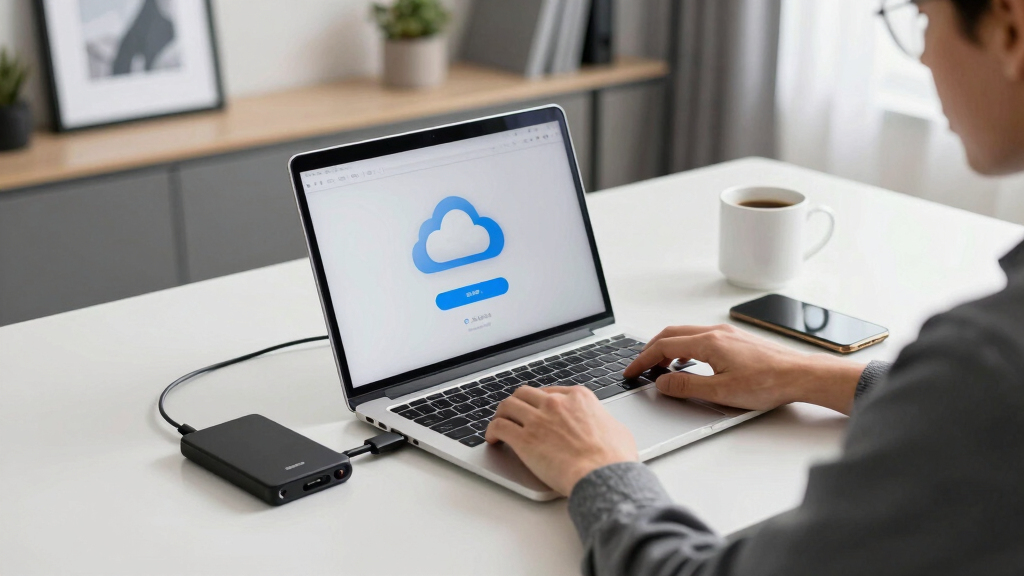
Real-World Example: A Solo Creator Launches a Multi-Platform Campaign Without the Cloud
Meet Sarah, a travel vlogger who shoots, edits, and publishes independently. She uses a local tool to analyze her latest trip video. From one upload, she generates a YouTube embed, TikTok clips, Instagram stories, and a blog draft—all stored on her laptop.
By managing everything locally, Sarah maintains full control over her content and timing. She tests her website embed on her phone, adjusts the formatting or content if needed, and then shares links directly with her audience. She avoids cloud-based delays, data privacy issues, and dependency on external platforms. When she updates her clips or descriptions, she does it on her device and re-publishes instantly. This workflow not only saves her hours but also ensures her content remains private until she’s ready to publish. It exemplifies how offline workflows empower solo creators to be their own publishers, maintaining creative freedom and control at every stage.

How to Test and Finalize Your Publishing Package Before Going Live
Testing is key to catching mistakes and ensuring a smooth launch. With a local publishing kit, you can preview embeds, social snippets, and playlists right on your device. Open your website or social profiles and verify everything looks perfect.
Some tips:
- Use your phone or another device to test playback.
- Check that the styling, aspect ratio, and links work as intended.
- Make quick edits directly in your local workspace and re-export.
This process is swift because you’re working offline, allowing you to catch issues early and make adjustments without waiting for cloud processing or uploads. It minimizes errors, saves time, and gives you confidence that your content will appear exactly as intended when published. This workflow emphasizes thorough, immediate validation, which is crucial for maintaining professionalism and audience trust.

Tradeoffs and When Cloud Tools Still Make Sense
While local-first workflows offer control and security, they aren’t perfect for every scenario. Cloud platforms excel at team projects, real-time collaboration, and rapid iteration. If you have a large team or need instant updates, cloud tools can significantly streamline your workflow by enabling multiple users to work simultaneously, share feedback instantly, and access assets from anywhere.
For example, agencies managing multiple clients often rely on cloud workflows because they facilitate seamless collaboration, version control, and quick distribution. However, these advantages come with tradeoffs: dependence on internet connectivity, potential privacy concerns, and sometimes slower turnaround times due to network latency or server processing. For solo creators or small teams prioritizing privacy, speed, and independence, offline workflows often provide a better fit. The key is to evaluate your specific needs, balancing the convenience of cloud collaboration against the control and security of offline work. In many cases, a hybrid approach—creating assets offline and deploying via cloud—can offer the best of both worlds, leveraging the strengths of each method while mitigating their respective weaknesses.
Frequently Asked Questions
What does “one video in, a whole publishing kit out” actually mean?
It means taking a single recorded video and automatically generating all the assets needed to publish and promote it—like embeds, clips, social snippets, and blog drafts—without uploading to any cloud service.
What outputs are included in the “publishing kit”?
A typical kit includes embed codes, styled playlists, social media snippets, short clips, thumbnails, and draft content for blogs or newsletters—everything you need to publish across platforms.
How is this different from a standard video upload workflow?
Standard workflows often rely on cloud platforms for processing and publishing. This approach keeps all assets on your local device, giving you full control and immediate access without cloud dependency.
What does “without the cloud” mean in practice—fully offline or self-hosted?
It generally refers to a local-first approach where all creation, editing, and asset generation happen offline on your device. Publishing can still be done online, but the core process remains offline.
Can the same workflow produce both embeds and playlists?
Yes. A single recorded asset can generate an embeddable player, curated playlists, and snippets for social media, all from local analysis tools.
Conclusion
Mastering a local-first workflow transforms your content creation process. You become the publisher, the editor, and the distributor—all without waiting on cloud servers or risking privacy breaches.
Next time you finish a video, think of it as the start, not the end. With a little setup, your entire publishing kit can live right on your device, ready for any platform or audience. Your content, your rules.

Halloween Picks
halloween
As an affiliate, we earn on qualifying purchases.