
Tech artifacts like glitches, interference, or device errors often produce visual or audio signals that can trick your mind into thinking they’re paranormal. These technical faults are natural results of hardware limits, software bugs, or electrical noise. Your expectations and cultural stories also influence how you interpret ambiguous stimuli as supernatural. If you keep exploring, you’ll discover how understanding these factors can help explain seemingly haunted phenomena.
Key Takeaways
- Technical glitches and device errors can produce signals or visuals that are mistaken for paranormal activity.
- Electromagnetic interference and faulty wiring generate static and flickers perceived as supernatural signs.
- Data distortions from hardware limitations or software bugs mimic ghostly phenomena.
- Psychological biases and cultural narratives influence perception, leading to misinterpretation of tech artifacts as spirits.
- Brain’s pattern recognition and neural plasticity can cause ambiguous digital stimuli to be falsely interpreted as paranormal events.

ERICKHILL 3 in 1 EMF Detector, Rechargeable EF, RF, MF, WiFi,5G Detector
- All-in-One Detection: Measures EF, MF, RF fields
- Versatile Radiation Monitoring: Detects appliances, Wi-Fi, 5G, paranormal activity
- Instant Readings: No setup, displays all readings immediately
As an affiliate, we earn on qualifying purchases.
As an affiliate, we earn on qualifying purchases.
The Role of Glitches and Errors in Perception
Glitches and errors in digital artifacts often shape how we perceive technology and the paranormal. When your devices display strange flickers, unexpected sounds, or distorted images, your mind begins to fill in the gaps with familiar patterns or stories. These errors create a sense of mystery that can easily be misinterpreted as supernatural phenomena. You might see a glitch as a sign of ghostly activity or a sign from another dimension. Your brain naturally seeks meaning, especially in ambiguous situations, so it interprets these technical faults as evidence of something beyond the ordinary. Understanding that these glitches are simply errors helps you realize how easily perception can be skewed, making you less likely to jump to paranormal conclusions based solely on malfunctioning technology. Additionally, high refresh rates can influence how smooth and natural digital motion appears, sometimes amplifying the uncanny feeling associated with glitches.
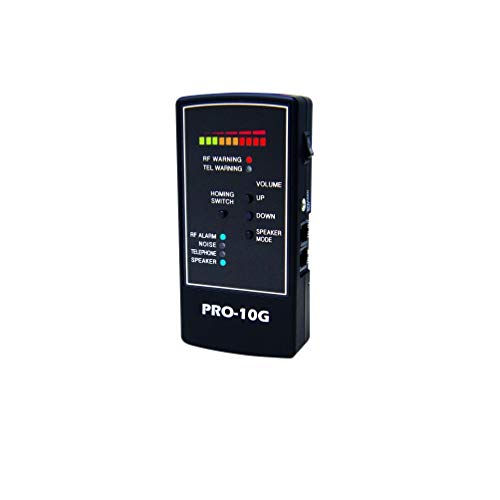
Spytec Pro-10G Small and Portable Bug & Wiretap Detector with Detection for Analog & Digital Devices Up to 40 Feet
As an affiliate, we earn on qualifying purchases.
As an affiliate, we earn on qualifying purchases.
How Noise and Interference Mimic Paranormal Signals
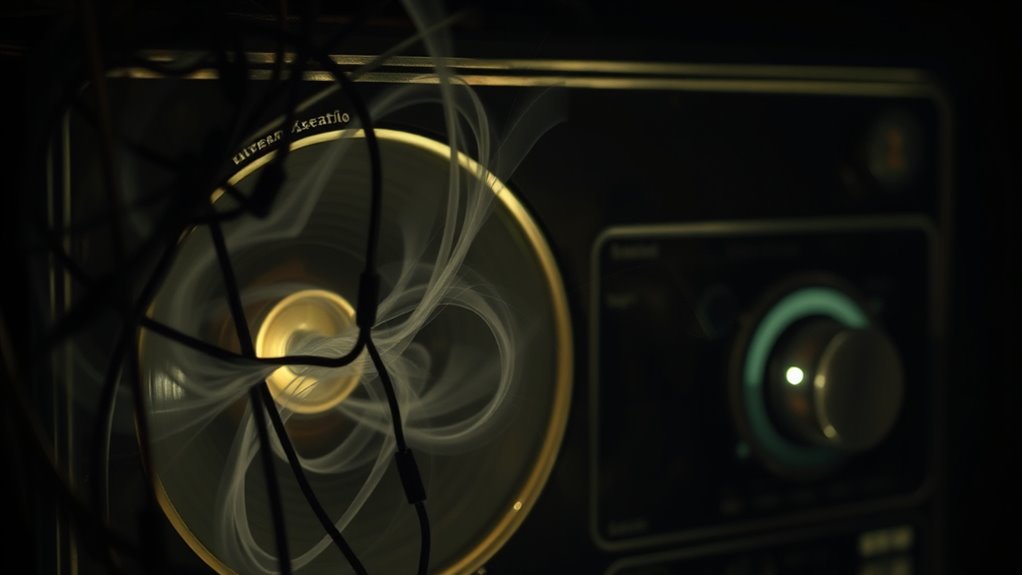
Noise and interference in electronic devices can easily create signals that resemble paranormal activity, leading your mind to interpret random sounds or flickers as ghostly messages. These disturbances often stem from electromagnetic interference, faulty wiring, or weak signals, which produce unpredictable static or flickering lights. When you notice these anomalies, your brain tends to fill in gaps, assigning meaning to random patterns. For example, a sudden crackle on the radio might seem like a voice from beyond, or a flickering light could be mistaken for a spirit’s presence. These false signals are not deliberate but are natural byproducts of electronic imperfections. Recognizing that noise and interference can mimic paranormal signals helps you understand that what you perceive isn’t always supernatural—it’s often just the device’s technical quirks. Additionally, understanding security vulnerabilities can shed light on how such malfunctions occur and how to mitigate them.

Briidea Dirty Electricity Filters, Reduce High-Frequency Noise Caused by Electronic Devices for a Stable and Clean Power Supply for You, Extend the Lifespan of Your Electric Device, White
- Advanced EMI Filtering: Eliminates high-frequency electrical noise
- Creates Healthy Living Environment: Reduces electromagnetic radiation and pollution
- Extends Device Lifespan: Reduces power fluctuations and interference
As an affiliate, we earn on qualifying purchases.
As an affiliate, we earn on qualifying purchases.
Psychological Factors Behind Seeing the Unseen
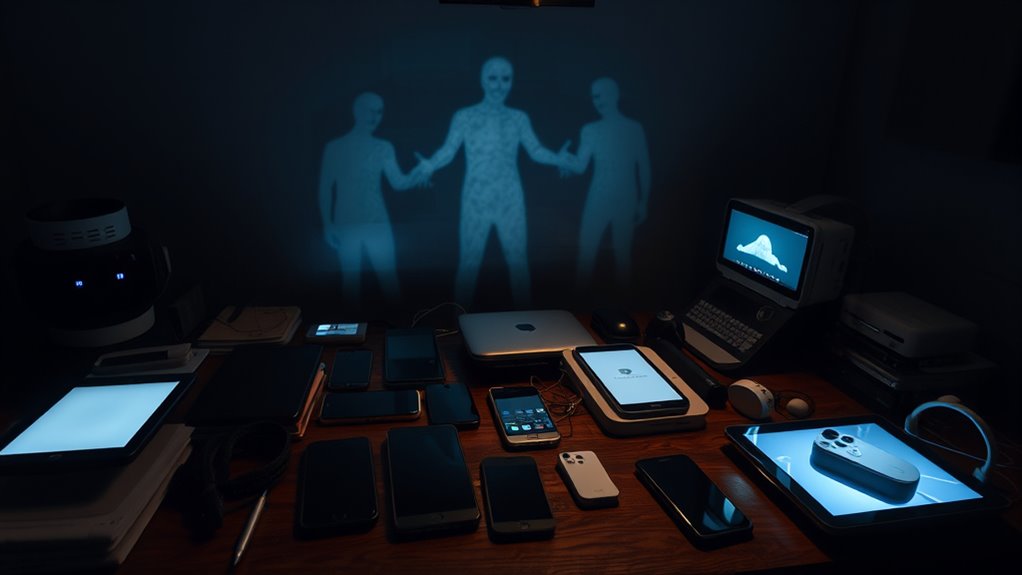
Our minds are powerful tools that can sometimes fill in gaps with false impressions, especially when we’re anxious, tired, or in unfamiliar environments. When you’re exhausted or stressed, your brain seeks patterns and explanations, even if they aren’t real. This tendency makes you more likely to interpret ambiguous stimuli as meaningful or paranormal. Your expectations and prior experiences also shape what you perceive, leading you to see what you’re predisposed to believe. For example, if you’ve heard stories about haunted places, your mind might fill in shadows or sounds as evidence of spirits. This psychological bias creates a feedback loop where your beliefs influence your perceptions, making you more prone to misreading tech artifacts or environmental cues as paranormal phenomena. Regular maintenance and cleaning of your equipment can help reduce false readings caused by dust or debris interfering with sensors.
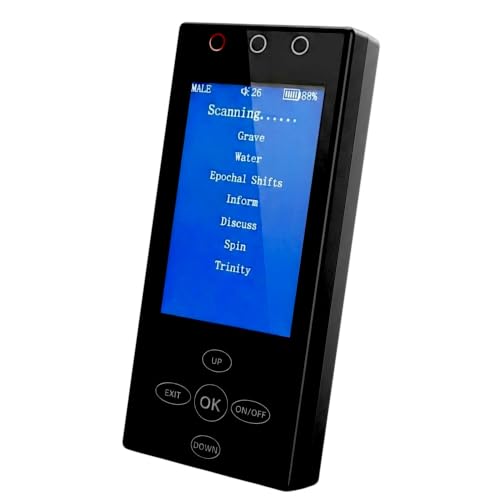
Phantom Chat – Ghost Hunting Spirit Communication Device | EMF Triggered Paranormal Word Generator with Voice Output, LCD Display & Word Logging
- Real-Time Word Display: LCD shows generated words with voice
- EMF Detection: Built-in EMF meter for paranormal triggers
- Data Logging: Automatically records words for review
As an affiliate, we earn on qualifying purchases.
As an affiliate, we earn on qualifying purchases.
The Impact of Expectations and Cultural Narratives
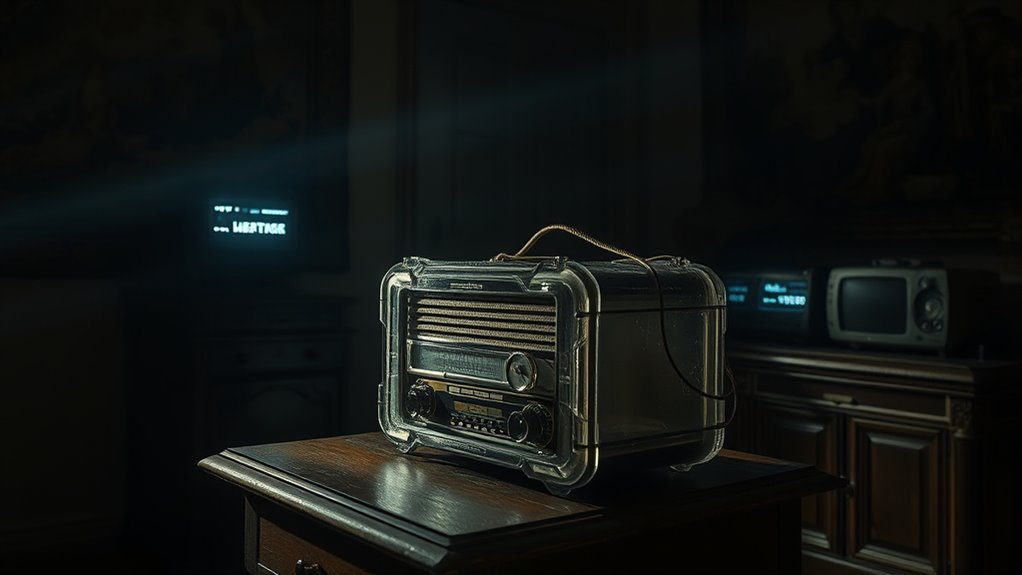
Your expectations and cultural stories considerably shape what you perceive as paranormal. If you’ve heard ghost stories or watched supernatural shows, your mind is more likely to interpret ambiguous stimuli as paranormal. Cultural narratives create a lens through which you filter your experiences, making you more receptive to certain phenomena. For example, in societies where spirits are part of folklore, you’re more prone to see signs of them in everyday objects or tech glitches. These stories prime your subconscious, guiding your interpretation of unfamiliar or inexplicable events. This mental framework can lead you to see the supernatural where there’s actually a logical explanation. Your beliefs influence your perception, often making tech artifacts seem like gateways to otherworldly activity, even when they’re just products of misinterpretation. Additionally, media influence can reinforce these perceptions, further blurring the line between reality and superstition.
Device Limitations and the Misinterpretation of Data
Device limitations often lead to the misinterpretation of data, causing seemingly paranormal phenomena to emerge from ordinary technical glitches. You might notice a flickering screen, unexpected noise, or data inconsistencies that seem inexplicable. These issues stem from hardware constraints, software bugs, or signal interference, which distort the information you receive. When sensors malfunction or data filters fail, you may interpret these anomalies as supernatural events. Limited resolution or slow response times can also create false impressions of activity where there is none. Without understanding these technical boundaries, you risk viewing normal device errors as evidence of paranormal presence. Recognizing that many so-called “hauntings” are just artifacts of device limitations helps prevent misreadings and keeps interpretations grounded in reality. Additionally, awareness of AI-generated music and sound design techniques can help differentiate between genuine phenomena and audio artifacts caused by software errors.
Case Studies: When Technology Feels Haunted
Many stories of supposed haunted technology stem from real incidents where electronic devices behave unpredictably, creating the illusion of paranormal activity. For example, an old radio suddenly turns on by itself, or a smartphone app displays strange messages. These events often result from software glitches, electrical interference, or hardware faults mistaken for ghostly presence. Consider the following cases:
| Incident | Explanation | Outcome |
|---|---|---|
| Flickering lights in a historic building | Faulty wiring or voltage fluctuations | Misinterpreted as ghostly signals |
| Unexplained photos with orbs | Dust or moisture in camera lens | Paranormal reading |
| EMF meter spikes during investigations | Radio frequency interference | Believed to indicate spirits |
These cases show how technology’s quirks can lead to haunted-sounding stories. Understanding technological malfunctions can help differentiate between actual paranormal activity and device anomalies.
Bridging the Gap: Understanding the Mind-Technology Connection
Your perception is shaped by neural pathways that process what you see and experience, especially as technology influences those pathways. Understanding this link helps explain why certain devices or artifacts can feel haunted or uncanny. Recognizing the psychological impact of technology allows you to better grasp the mind-technology connection. For example, familiarity with divorce guidance and related legal and emotional factors can influence how you interpret unexplained phenomena related to technological artifacts.
Neural Pathways and Perception
Understanding how neural pathways shape perception is essential for bridging the gap between the mind and technology. Your brain processes sensory information through complex pathways, filtering and interpreting signals to create your reality. When you encounter tech artifacts, your neural circuits may fill in gaps or misread signals, leading to paranormal misperceptions. For example, ambiguous images or sounds can trigger neural patterns associated with familiar or feared objects, causing you to see or hear things that aren’t there. These pathways are highly adaptable; repeated exposure can strengthen certain connections, making some perceptions more likely. Recognizing how your neural wiring influences perception helps you understand why tech artifacts sometimes produce false or supernatural interpretations, highlighting the importance of understanding your brain’s role in shaping experience. Additionally, understanding the concept of neuroplasticity reveals how your brain can change over time, affecting how you interpret ambiguous stimuli.
Technology’s Psychological Impact
Neural pathways influence not only perception but also how technology impacts your psychological state. When you engage with screens or digital devices, they can alter your mood, focus, and even your beliefs. You might feel heightened anxiety from constant notifications or a sense of connection from social media. These effects are amplified by your brain’s plasticity, which adapts to digital stimuli. Visualize:
- a flickering screen shaping your thoughts
- notifications hijacking your attention
- social media reinforcing your perceptions of reality
This ongoing interaction can reinforce biases, create dependency, or distort your understanding of the world. Recognizing how technology influences your mind helps you stay aware of its psychological power and prevents misreadings rooted in digital manipulation. Additionally, understanding the well-being tips can help mitigate some of these adverse effects and promote healthier digital habits.
Frequently Asked Questions
How Do Ambient Environmental Factors Influence Technological Misreadings?
Ambient environmental factors can cause your devices to misread or malfunction. For example, electromagnetic interference from nearby electronics disrupts signals, leading to false readings. Temperature fluctuations affect sensor accuracy, while humidity and dust can clog or interfere with equipment. These factors can create noise or errors that seem like paranormal activity. You should monitor and control your environment to reduce these influences, ensuring your devices function accurately and minimize misinterpretations.
Can Software Algorithms Intentionally Create False Paranormal Signals?
Yes, software algorithms can intentionally create false paranormal signals, like a magician pulling tricks from a hat. Developers might program these algorithms to generate eerie sounds or visual effects, simulating paranormal activity. They do this to entertain, deceive, or test the limits of perception. Like a puppeteer controlling marionettes, programmers can manipulate data to produce convincing but fabricated signals, blurring the line between reality and illusion.
What Role Does User Bias Play in Interpreting Tech Artifacts as Paranormal?
Your biases substantially influence how you interpret tech artifacts as paranormal. If you believe in the supernatural, you’re more likely to see ghostly signals where none exist. Your expectations, fears, or prior experiences shape your perception, making you more prone to misread data. By remaining skeptical and questioning your assumptions, you can better differentiate between genuine signals and artifacts caused by your subconscious biases.
Are Certain Devices More Prone to Generating Misinterpreted Signals?
Yes, certain devices are more prone to generating misinterpreted signals. For example, analog radios and EMF meters often pick up environmental interference or electronic noise, which can be mistaken for paranormal activity. You might notice that devices with poor shielding or outdated technology tend to produce ambiguous readings. When you use these devices, stay aware of their limitations, and consider environmental factors to avoid false conclusions.
How Does Media Portrayal Affect Public Perception of Tech-Induced Hauntings?
Media portrayal profoundly shapes your perception of tech-induced hauntings by highlighting sensational stories and eerie visuals that capture your imagination. When movies, TV shows, and news reports emphasize mysterious tech phenomena, you’re more likely to believe in their paranormal nature. This sensationalism fuels fears and misconceptions, making you interpret ordinary tech glitches as supernatural events. As a result, media influences your beliefs, encouraging you to see tech artifacts as evidence of paranormal activity.
Conclusion
As you explore the fascinating dance between technology and perception, remember that what feels like a whisper from beyond might just be a subtle glitch or a trick of the mind. Sometimes, the unknown isn’t about spirits or mysteries, but about the limits of our tools and expectations. Embracing this gentle ambiguity can deepen your understanding, guiding you to see the world’s mysteries not as hauntings, but as echoes of our own intricate perceptions.