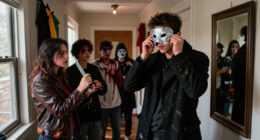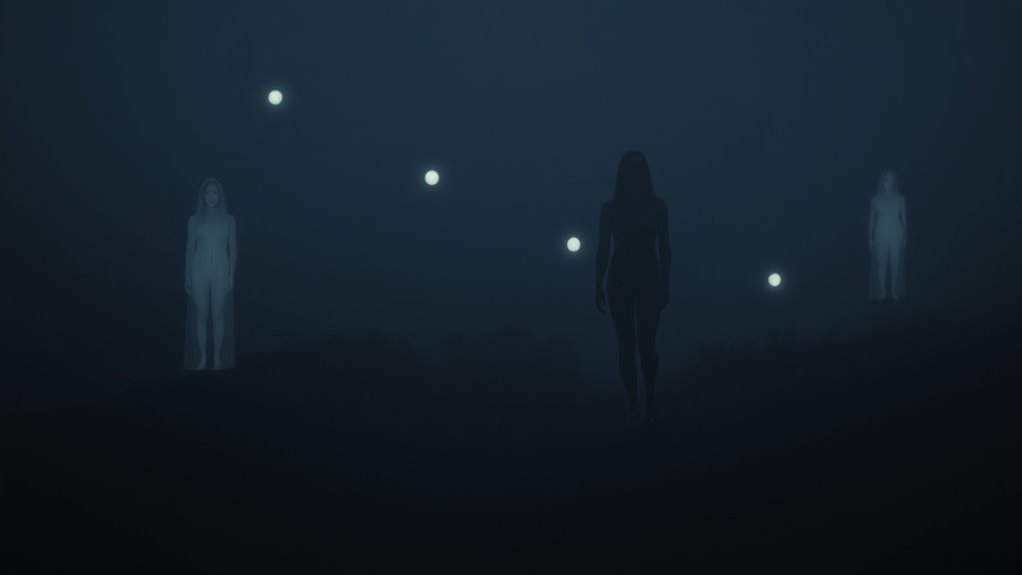
The psychology behind mass paranormal sightings shows how cognitive biases, social influences, and cultural stories shape what you perceive as supernatural phenomena. Group settings, media portrayals, and shared beliefs can amplify suggestion and create collective experiences. Uncertainty and stress heighten sensitivity, while confirmation bias and vivid imagery make these events more memorable. If you stay curious, you’ll uncover deeper insights into how minds and environments work together to produce these intriguing phenomena.

Get movie nights delivered free with Prime
- Fast, free delivery on millions of items
- Prime Video, Amazon Music and more included
- Member-only deals all year
Key Takeaways
- Cognitive biases like confirmation bias and pareidolia cause individuals to interpret ambiguous stimuli as paranormal.
- Social influences, group dynamics, and shared beliefs amplify suggestion and reinforce collective sightings.
- Media exposure shapes expectations and stereotypes, making people more receptive to perceived paranormal phenomena.
- Mass hysteria and emotional contagion spread fear and suspicion, increasing the likelihood of widespread reports.
- Environmental cues and cultural norms guide perceptions, normalizing specific images and entities in collective experiences.
paranormal investigation equipment
As an affiliate, we earn on qualifying purchases.
As an affiliate, we earn on qualifying purchases.
Cognitive Biases and Perception in Collective Experiences
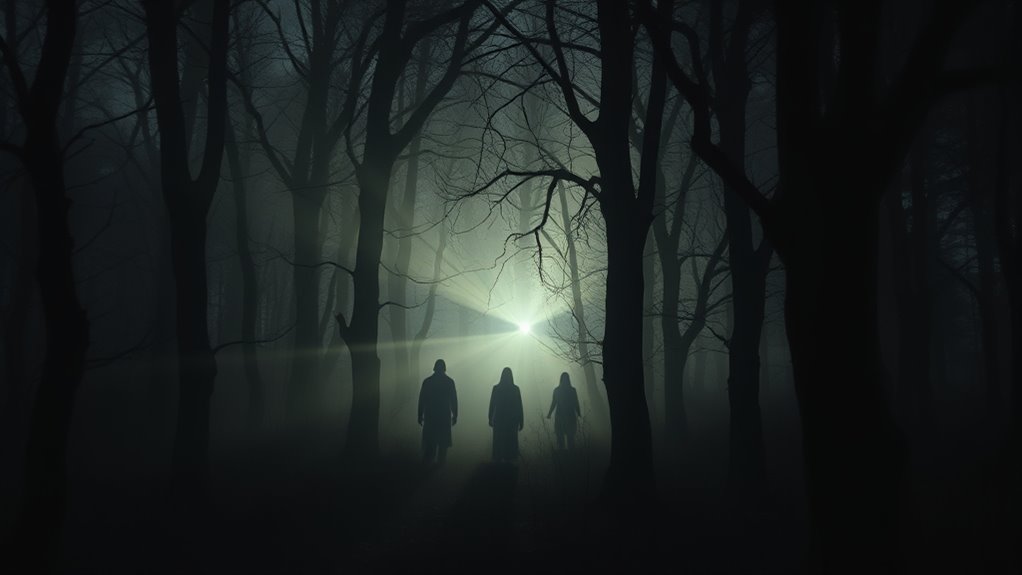
When people gather to share paranormal sightings, their perceptions are often shaped by cognitive biases that influence how they interpret ambiguous stimuli. You might see others’ stories as confirmation of your own beliefs, even if the evidence is weak. Confirmation bias leads you to focus on details that support your expectations, ignoring contradictory information. The perceptual bias of pareidolia causes you to see familiar shapes or figures in random patterns, like shadows or sounds, fueling collective belief. Additionally, the tendency for individuals to remember vivid or unusual sightings more clearly can distort the overall narrative. These biases create a feedback loop, reinforcing shared perceptions and making collective experiences seem more convincing, even when objective evidence remains elusive. Furthermore, understanding the psychological mechanisms behind these biases can help explain why mass sightings often escalate in credibility within groups.
As an affiliate, we earn on qualifying purchases.
The Role of Social Dynamics and Group Influence
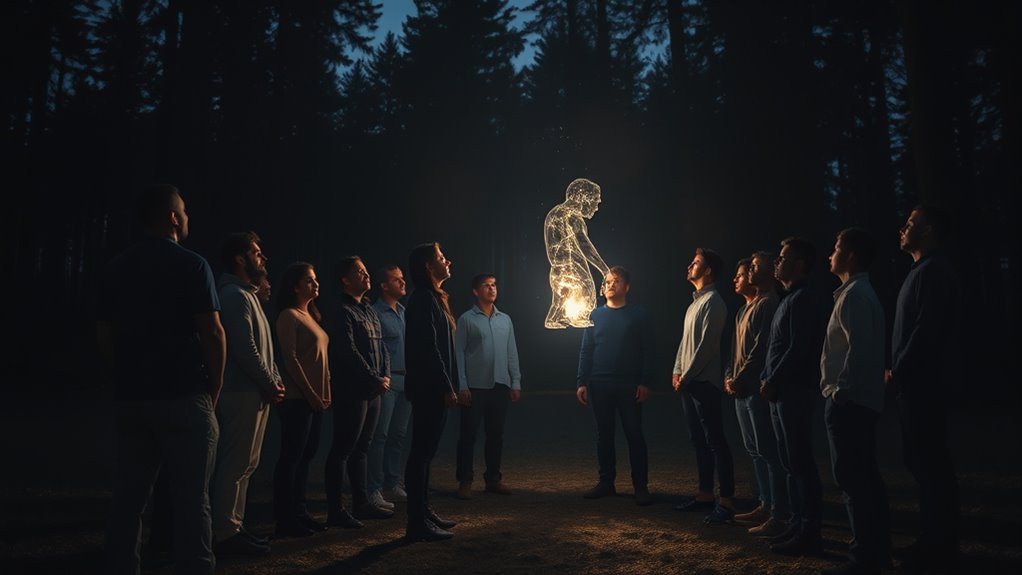
Social dynamics and group influence play a powerful role in shaping collective paranormal experiences. When you’re in a group, the desire to conform or impress others can heighten your sensitivity to unusual stimuli, making you more likely to interpret ambiguous events as paranormal. Group settings also create a shared sense of excitement or fear, which amplifies individual reactions and encourages collective reinforcement of beliefs. If one person perceives something unusual, others may adopt that interpretation, strengthening the group’s perception of a paranormal encounter. Social pressure can lead you to suppress skepticism or doubt, reinforcing the collective experience. Additionally, vetted information indicates that the presence of others influences how you interpret and remember these encounters, often blurring the line between genuine perception and social suggestion.
psychology of mass hysteria book
As an affiliate, we earn on qualifying purchases.
As an affiliate, we earn on qualifying purchases.
Cultural Narratives and Their Impact on Paranormal Interpretations
Your cultural beliefs shape how you interpret paranormal events, guiding what you see as possible or likely. Media exposure fuels your expectations, often framing what you think you might encounter. Folklore and stories you hear regularly reinforce these ideas, making certain narratives feel more real. Additionally, collective perceptions can be influenced by cultural narratives, which shape societal attitudes towards paranormal phenomena.
Cultural Beliefs Shape Perception
Cultural beliefs deeply influence how you interpret paranormal experiences, shaping the narratives you accept and the symbols you recognize. If your culture values spirits and ancestors, you’re more likely to see unexplained phenomena as supernatural messages. Conversely, in societies emphasizing scientific rationality, you might dismiss similar sightings as illusions or psychological effects. These beliefs act as filters, guiding your perception and understanding of strange events. They determine which stories resonate and which are dismissed. Your cultural background influences not only what you see but also how you interpret it, framing experiences within familiar symbols and themes. Recognizing this helps you understand why different cultures perceive the same phenomena so differently, emphasizing that perception is shaped by deeply ingrained cultural narratives. Additionally, Cultural Intelligence (CQ) can aid in understanding these diverse interpretations and improve cross-cultural awareness of paranormal phenomena.
Media Influences Expectations
Media plays a powerful role in shaping your expectations about paranormal phenomena by repeatedly presenting certain themes, symbols, and narratives. These portrayals influence how you interpret mysterious events and sightings. When you see ghosts depicted as translucent figures in abandoned houses or spirits causing poltergeist activity, your mind begins to expect similar scenarios. Media often reinforce specific cultural narratives, making these ideas seem more plausible.
You might notice that media:
- Emphasizes haunted locations with eerie sounds and visual cues
- Portrays spirits as vengeful or tragic figures
- Highlights dramatic investigations that confirm paranormal activity
These repeated themes create mental shortcuts, guiding how you perceive and interpret real-life experiences. Your expectations become shaped, often aligning with media-driven stereotypes.
Additionally, scenic views and natural environments depicted in media can influence the settings where individuals expect paranormal encounters, often linking them to atmospheric and secluded locations.
Folklore Reinforces Narratives
Folklore plays a significant role in shaping the stories we tell about paranormal phenomena, often reinforcing the themes and symbols seen in media. When you hear tales from folklore, they provide familiar patterns that influence your interpretation of strange events. These stories create mental templates—such as ghosts appearing at haunted houses or spirits guiding the lost—that shape how you perceive real experiences. As you encounter new reports or personal sightings, you’re more likely to interpret them through these culturally ingrained narratives. Folklore acts as a lens, giving meaning to ambiguous or unexplained phenomena. This reinforcement makes certain interpretations seem more credible, because they align with long-standing cultural stories. Additionally, personality traits such as confirmation bias can lead individuals to interpret paranormal encounters in ways that support their existing beliefs. Ultimately, folklore strengthens the collective understanding of what constitutes paranormal activity, shaping your expectations and perceptions.
paranormal sighting recording device
As an affiliate, we earn on qualifying purchases.
As an affiliate, we earn on qualifying purchases.
Psychological Factors Contributing to Mass Hysteria
Mass hysteria often spreads quickly because our minds are highly susceptible to psychological factors like suggestion, fear, and social influence. When people see others reacting strongly, you tend to mirror their emotions, fueling collective anxiety. Your perception becomes biased by the group’s mood, making you more likely to interpret ambiguous events as paranormal. Factors like:
Mass hysteria spreads rapidly through suggestion, fear, and social influence, fueling collective anxiety and biased perceptions.
- Confirmation bias, where you notice evidence supporting existing beliefs while ignoring the rest
- Emotional contagion, where feelings spread through social groups
- Stress and uncertainty, which heighten your sensitivity to perceived threats
These elements create a feedback loop, amplifying fears and misconceptions. Recognizing how your mind responds to social cues helps you understand why mass hysteria can escalate so rapidly, often beyond the actual threat. Additionally, Pimple Patches demonstrate how targeted, visual cues can influence perceptions and behaviors in social contexts, highlighting the power of subtle messaging in collective psychology.
The Power of Suggestion and Expectation
Your expectations and cultural norms can shape what you believe to be real, making you more likely to interpret ambiguous stimuli as paranormal. Cognitive biases, like confirmation bias, lead you to notice evidence that supports your beliefs while ignoring contradicting information. Group dynamics further amplify these effects, as shared beliefs influence individual perceptions and reinforce collective sightings.
Influence of Cultural Norms
Cultural norms deeply shape how you interpret and report paranormal experiences, often without realizing it. They influence what you expect to see, hear, or feel in supernatural situations. When a community shares beliefs about ghosts or spirits, you’re more likely to interpret ambiguous events through that lens. These norms can:
- Reinforce specific images or stories about paranormal entities
- Encourage belief by normalizing supernatural explanations
- Shape your emotional responses to strange occurrences
- Wall organization systems can also influence perceptions by creating environments that either conceal or highlight certain details, subtly affecting how paranormal phenomena are observed.
If your culture emphasizes haunted houses or ghost sightings, you may be more prone to perceive unexplained noises as paranormal. Cultural expectations set the stage, guiding what you notice and how you interpret it, often making experiences seem more real or frightening based on what’s accepted locally.
Role of Cognitive Biases
Cognitive biases play a powerful role in shaping how you perceive and interpret paranormal events, often leading you to see what you expect rather than what’s actually there. When you’re in an uncertain situation, your mind fills in gaps based on prior beliefs or suggestions from others. For example, if someone hints that a location is haunted, you’re more likely to interpret strange sounds or shadows as paranormal. Confirmation bias also kicks in, causing you to notice evidence that supports your expectations while ignoring conflicting information. These biases amplify the influence of suggestion, making you more receptive to perceived paranormal activity. Your mental shortcuts and perception shape your experience, blurring the line between perception and reality.
Impact of Group Dynamics
Group settings can substantially influence how you experience paranormal phenomena, often amplifying suggestion and expectation. When you’re with others who believe in paranormal activity, you’re more likely to interpret ambiguous events as supernatural. The group’s shared beliefs create a collective mindset that heightens your sensitivity to potential signs. This dynamic can lead to increased confidence in sightings, even if individual perceptions are uncertain. Factors that strengthen this effect include:
- Peer reinforcement of paranormal explanations
- Social pressure to conform to group beliefs
- Collective anticipation of encountering phenomena
These elements work together to shape your perception, making paranormal experiences seem more real and convincing. The power of suggestion, fueled by group cohesion, plays a pivotal role in mass sightings and the way you interpret them. Additionally, self-understanding can influence how you process and interpret these experiences, as your personality traits and mental state may affect your susceptibility to group influences.
Media Influence and the Spread of Paranormal Stories
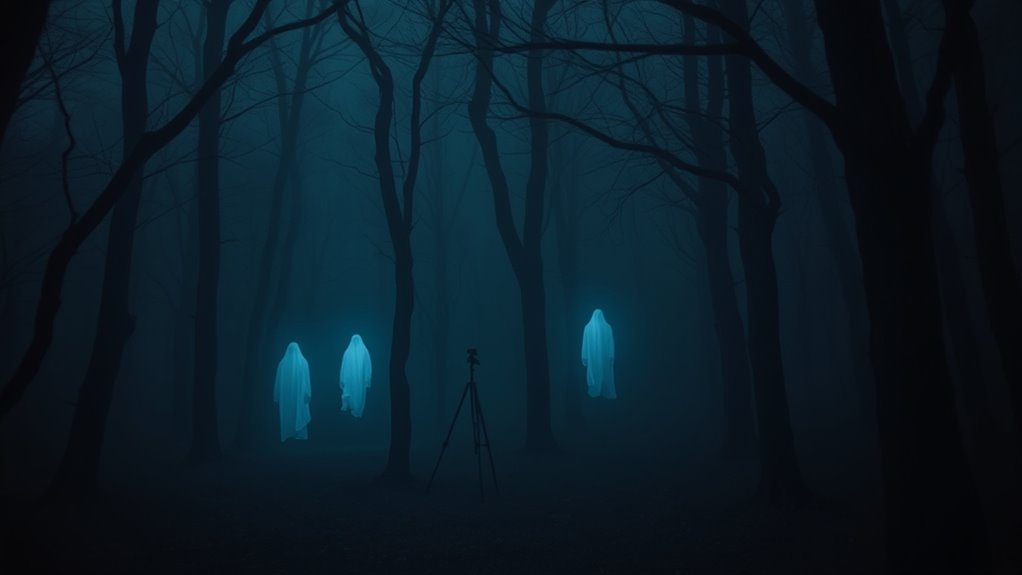
Media plays a powerful role in shaping how stories of paranormal encounters spread and persist. When you see a spooky story on TV, social media, or podcasts, it influences your perception of these events as real or credible. Media coverage often amplifies sensational details, making stories more memorable and convincing. As you share these tales with others, they gain more momentum, creating a collective belief in the paranormal. The repetition of such stories through various platforms reinforces the idea that these phenomena are common or unavoidable. Media also introduces themes and visuals that shape your expectations, making you more receptive to similar sightings or experiences. Ultimately, media acts as a catalyst, spreading and entrenching paranormal stories within the collective consciousness.
Frequently Asked Questions
How Do Individual Psychological Traits Affect Belief in Paranormal Events?
Your psychological traits heavily influence whether you believe in paranormal events. If you’re naturally suggestible or prone to cognitive biases, you’re more likely to interpret ambiguous situations as paranormal. A tendency for heightened imagination or emotional sensitivity can also lead you to see supernatural phenomena where others don’t. Conversely, critical thinkers or skeptics tend to require more evidence before accepting such claims. Your personality shapes how you perceive and interpret these mysterious experiences.
Can Neurological Differences Influence Susceptibility to Mass Paranormal Sightings?
Neurological differences can indeed influence your susceptibility to mass paranormal sightings. If your brain’s sensory processing or pattern recognition areas are more active or sensitive, you’re likelier to interpret ambiguous stimuli as paranormal. This heightened sensitivity makes you more prone to experiencing or believing in supernatural events during mass sightings. Scientific research suggests that variations in brain function can shape how you perceive and respond to mysterious phenomena, increasing your vulnerability to collective beliefs.
What Role Do Childhood Experiences Play in Shaping Paranormal Perceptions?
Your childhood experiences heavily influence your perceptions of the paranormal. If you grew up hearing stories of ghosts or witnessing strange events, you’re more likely to interpret ambiguous stimuli as paranormal. Positive or negative encounters during childhood can shape your beliefs and fears, making you more receptive to paranormal ideas later in life. These early experiences create mental frameworks that influence how you interpret unexplained events around you.
How Do Environmental Factors Trigger Collective Paranormal Experiences?
When environmental factors come into play, they can turn the tide and spark collective paranormal experiences. You might find that eerie weather, sudden noises, or dim lighting set the stage for shared sightings. These triggers act like a spark to dry tinder, igniting fears and beliefs in a group. As a result, the environment becomes a catalyst, making people more receptive to perceiving supernatural phenomena together.
Are There Genetic Predispositions Linked to Belief in the Supernatural?
You might be more inclined to believe in the supernatural if you have certain genetic predispositions. Research suggests genes linked to personality traits like openness to experience and suggestibility can influence your receptivity to paranormal ideas. These genetic factors can make you more responsive to ambiguous stimuli or uncertain situations, leading you to interpret events as supernatural. While genetics isn’t the only factor, it plays a notable role in shaping your beliefs.
Conclusion
Understanding the psychology behind mass paranormal sightings shows how your mind and social influences shape these shared experiences. Biases, cultural stories, and suggestion all work together, creating a sort of collective hallucination—like a modern-day “Wizard of Oz” guiding perceptions. Recognizing these factors helps you see beyond the mystery, realizing that sometimes, the most extraordinary stories are just the product of human psychology and social dynamics at play in the digital age.
Fall Picks
fall essentials
As an affiliate, we earn on qualifying purchases.