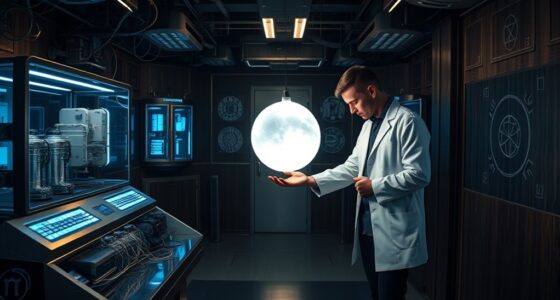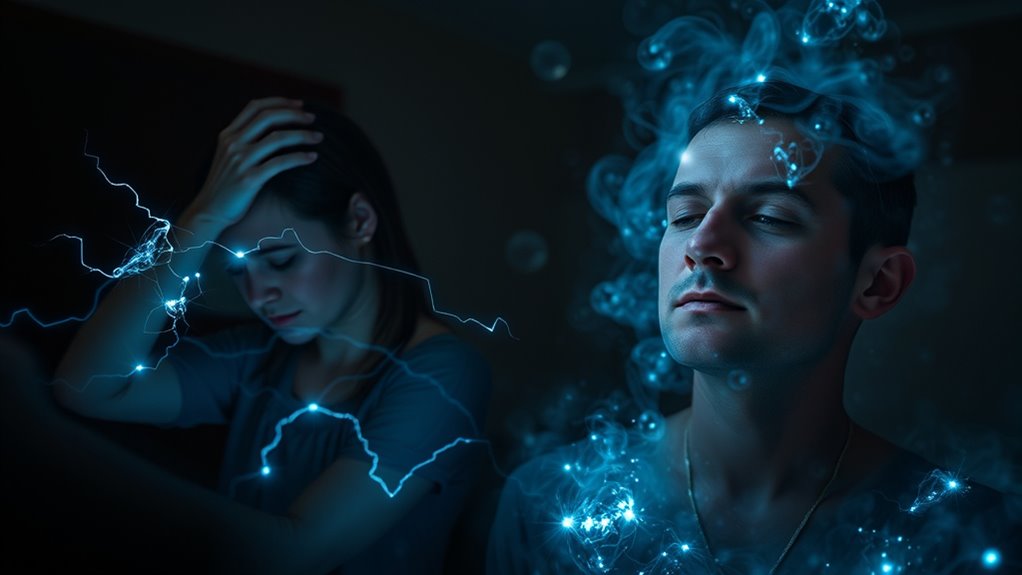

Electromagnetic hypersensitivity involves physical symptoms blamed on electromagnetic fields from technology, while paranormal sensitivity relates to perceiving spirits or supernatural energies. Scientific research shows little evidence that electromagnetic exposure causes symptoms, often attributing feelings to psychological factors like anxiety or beliefs. Paranormal experiences are highly subjective and influenced by cultural and personal perceptions. Both involve sensations beyond normal senses, but their causes differ. To understand how perception shapes these experiences, there’s more to explore if you continue.

Get movie nights delivered free with Prime
- Fast, free delivery on millions of items
- Prime Video, Amazon Music and more included
- Member-only deals all year
Key Takeaways
- Both involve perception beyond normal senses but differ in triggers: electromagnetic fields for EHS and supernatural energies for paranormal sensitivity.
- Scientific evidence largely discounts biological effects from electromagnetic exposure, while paranormal experiences are often subjective perceptions.
- Psychological factors such as anxiety, suggestion, and beliefs strongly influence symptoms and experiences in both sensitivities.
- Symptoms overlap, including headaches, fatigue, and dizziness, but their perceived causes—EMFs or spirits—differ culturally and contextually.
- Cultural, media, and societal influences shape how individuals interpret and respond to both electromagnetic hypersensitivity and paranormal perceptions.
As an affiliate, we earn on qualifying purchases.
Defining Electromagnetic Hypersensitivity and Paranormal Sensitivity

Electromagnetic hypersensitivity (EHS) is a reported condition where individuals experience adverse symptoms they attribute to exposure to electromagnetic fields from devices like cell phones, Wi-Fi, or power lines. People with EHS often report symptoms such as headaches, fatigue, dizziness, and skin irritation, which they believe are caused by electromagnetic radiation. These symptoms can be disruptive and lead individuals to avoid certain environments or technologies. Paranormal sensitivity, on the other hand, involves perceiving or sensing supernatural phenomena beyond scientific explanation. It includes experiences like sensing spirits, psychic impressions, or otherworldly energies. While EHS is linked to physical sensations attributed to electromagnetic exposure, paranormal sensitivity involves perceived extrasensory perceptions that lack scientific validation. Both involve heightened awareness, but they stem from different origins and interpretations.
As an affiliate, we earn on qualifying purchases.
Scientific Perspectives and Research Findings
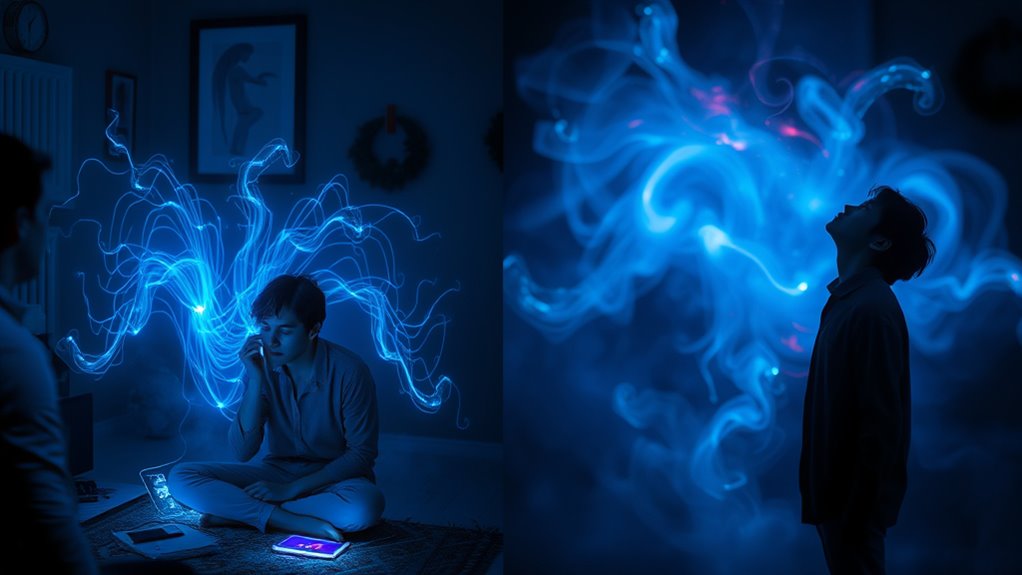
Scientific research on electromagnetic hypersensitivity has generally found little evidence to support a direct link between electromagnetic field exposure and the symptoms reported by individuals. Multiple controlled studies have failed to demonstrate consistent physiological effects or objective markers correlating with reported symptoms. Most findings suggest that these symptoms are not caused by electromagnetic fields themselves but may result from psychological factors, such as anxiety or the nocebo effect. Some researchers believe that individuals may be highly suggestible or sensitive to environmental cues unrelated to electromagnetic exposure. Overall, scientific consensus indicates that electromagnetic hypersensitivity lacks a solid biological basis, with the evidence pointing toward psychological or contextual factors influencing symptom perception. This perspective challenges claims that electromagnetic fields directly induce health issues. Additionally, understanding the role of psychological factors can help in developing effective approaches to managing symptoms.
spiritual sensing paranormal device
As an affiliate, we earn on qualifying purchases.
As an affiliate, we earn on qualifying purchases.
Psychological Explanations and Cognitive Factors
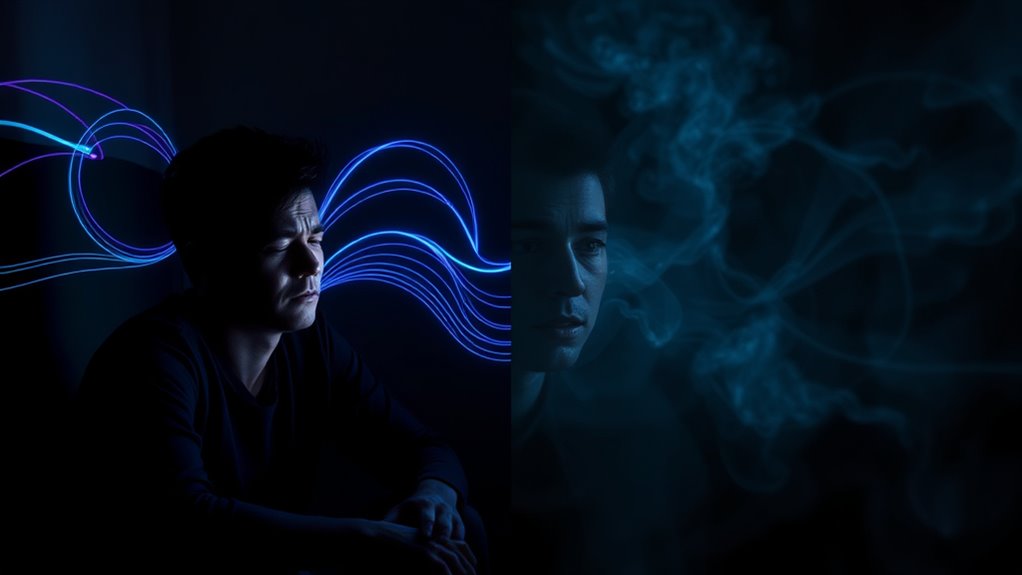
Your beliefs and expectations can profoundly influence how you perceive symptoms, often through the placebo effect. Cognitive biases, like confirmation bias, lead you to focus on information that supports your fears while ignoring evidence to the contrary. Recognizing these psychological factors helps explain why some individuals experience sensitivities without clear physical causes. Additionally, mindfulness practices can help individuals become more aware of their thought patterns and reduce the impact of these biases.
Placebo Effect Influence
The placebo effect plays a significant role in shaping your perceptions of electromagnetic hypersensitivity and paranormal sensitivity. When you believe a symptom or experience is real, your mind can create or amplify sensations, even without actual triggers. This psychological influence can lead you to attribute normal sensations to external causes, reinforcing false beliefs. Understanding this effect helps clarify why some individuals report symptoms despite no environmental cause. Here’s how it works:
| Expectation | Response |
|---|---|
| Belief in sensitivity | Heightened awareness of sensations |
| No real exposure | Symptoms persist or appear |
| Trust in treatment | Perceived relief or worsening |
Recognizing the placebo effect allows you to question whether your perceptions stem from genuine exposure or psychological influences. Additionally, cognitive factors such as suggestion and expectation play a key role in shaping these perceptions.
Cognitive Biases Impact
Cognitive biases considerably shape how you interpret sensations and experiences related to electromagnetic and paranormal sensitivities. You might jump to conclusions, attributing minor discomforts to electromagnetic exposure or supernatural causes without considering alternative explanations. Confirmation bias leads you to notice information that supports your beliefs while ignoring evidence to the contrary. The placebo effect can make you feel better simply because you expect improvement. Additionally, the availability heuristic causes you to overestimate the likelihood of rare events because they stand out in your memory. These biases influence your perception, reinforcing beliefs in sensitivities that may not have a scientific basis. Recognizing these cognitive tendencies helps you critically evaluate your experiences and consider psychological factors that could be at play. Furthermore, understanding the role of perception can help you distinguish between actual sensory stimuli and cognitive distortions.
As an affiliate, we earn on qualifying purchases.
Cultural Influences and Social Perceptions
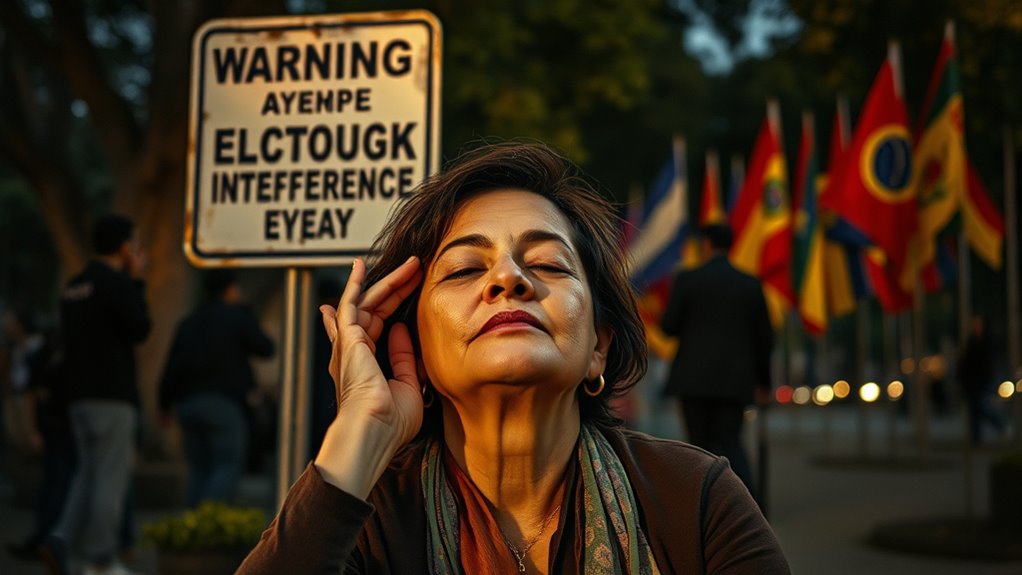
Cultural beliefs and societal attitudes considerably shape how electromagnetic hypersensitivity (EHS) and paranormal sensitivity are perceived and understood. In some cultures, EHS may be dismissed as psychological or fabricated, while others recognize it as a legitimate health concern, influenced by local beliefs about technology and health. Similarly, paranormal sensitivity often reflects cultural narratives around spirits, ghosts, or supernatural forces, influencing public acceptance or skepticism. Media portrayal plays a crucial role, amplifying fears or legitimizing experiences. Social perceptions can lead to stigmatization or validation, depending on prevailing attitudes. These cultural frameworks affect how individuals interpret their symptoms and experiences, shaping societal responses, support systems, and even policy decisions related to both EHS and paranormal phenomena. Public awareness and education can significantly influence how these phenomena are understood and addressed within different cultural contexts.
Comparing Symptoms and Personal Experiences
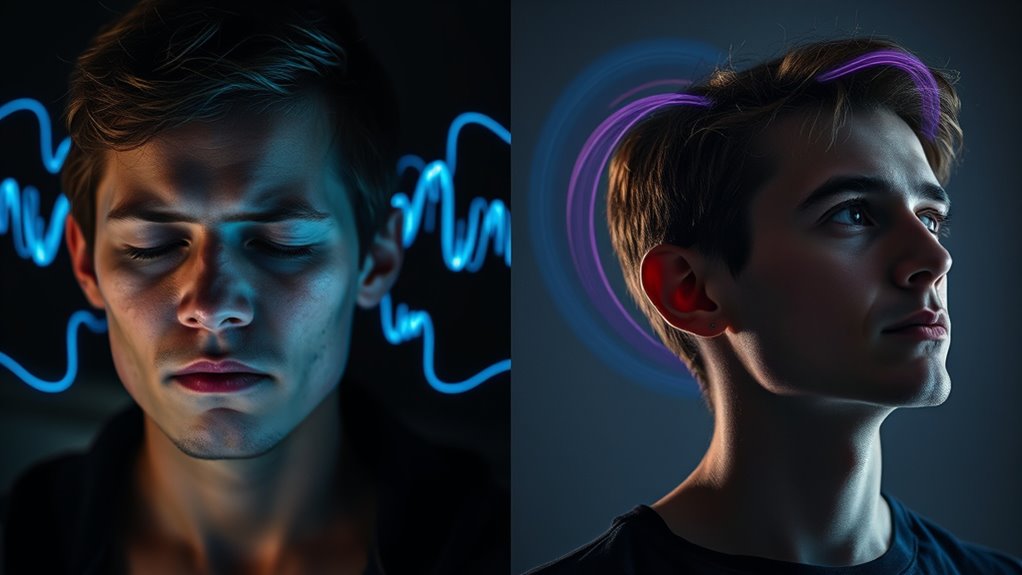
You might notice that symptoms of electromagnetic hypersensitivity and paranormal sensitivity often overlap, but subtle differences can emerge. Personal experiences vary widely, with some individuals reporting intense reactions while others remain unaffected. Exploring these similarities and differences helps you understand how personal perceptions shape these phenomena. Additionally, understanding the best anime movies and their storytelling techniques can provide insight into how perceptions and emotional responses are shaped by various media.
Symptom Similarities and Differences
Electromagnetic hypersensitivity (EHS) and paranormal sensitivity often present with remarkably similar symptoms, making it challenging to distinguish between the two. You might experience headaches, fatigue, dizziness, or skin sensations like tingling or burning. Both can cause feelings of anxiety or unease, and some report sleep disturbances. However, differences can include the triggers: EHS symptoms usually worsen near electronic devices or wireless signals, while paranormal sensitivity may involve inexplicable phenomena like cold spots or sudden chills. It is also helpful to understand that some of these symptoms are common in vetted Mother Baby Kids products, which are designed to be safe and free from harmful ingredients. Here are some common symptoms:
- Headaches and fatigue
- Skin sensations such as tingling or burning
- Anxiety or emotional distress
- Sleep disruptions or nightmares
Personal Experience Variability
Personal experiences with electromagnetic hypersensitivity and paranormal sensitivity vary widely, reflecting individual differences in perception, environment, and psychological factors. You might notice some people report intense physical symptoms from electromagnetic sources, like headaches or fatigue, while others feel nothing. Conversely, paranormal sensitivity experiences differ, with some individuals sensing unseen energies or spirits, and others remaining unaffected. These variations often depend on personal beliefs, prior experiences, and environmental cues. Your reactions are shaped by your psychological state, attention, and context, making each person’s experience unique. Additionally, sensitivity to electromagnetic fields can be influenced by environmental exposure levels and individual susceptibility. This variability shows that sensitivity isn’t solely about exposure but also about perception and interpretation. Understanding this helps you see that personal experiences are deeply subjective, influenced by a mix of physical, mental, and emotional factors.
Implications for Understanding Human Sensory Perceptions
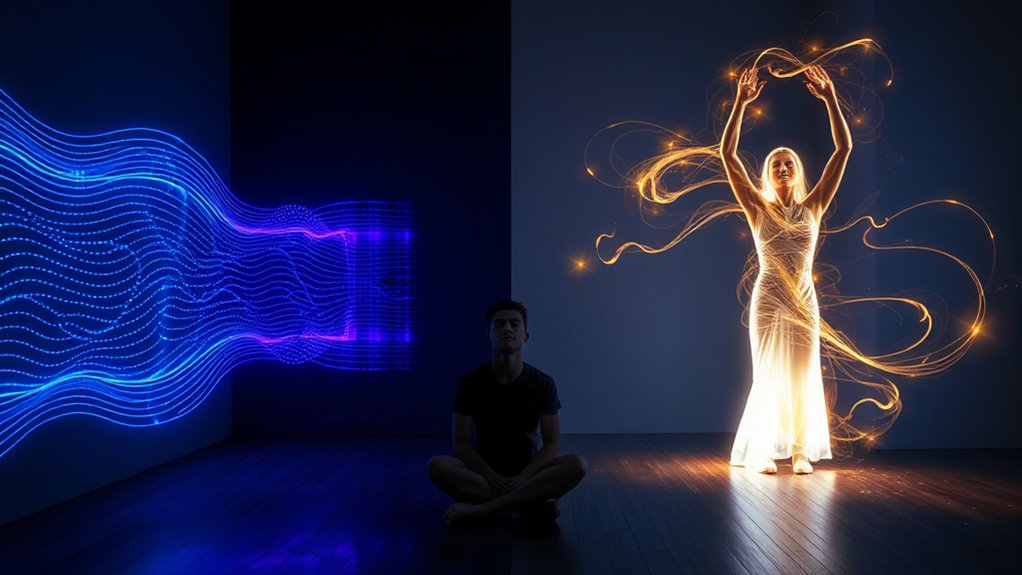
Understanding electromagnetic hypersensitivity and paranormal sensitivity challenges traditional views of human sensory perception by suggesting that individuals may detect stimuli beyond the established five senses. This broadens the scope of what humans can perceive and questions the limits of sensory awareness. It prompts you to reconsider how perceptions are formed and what might influence them. These phenomena imply that sensory perception might include subtle signals or energies not yet fully understood. To visualize this:
- You might sense electromagnetic fields where others feel nothing.
- Some claim to perceive paranormal energies or spirits.
- Your senses could be attuned to environmental or unseen cues.
- Perceptions may vary markedly between individuals, indicating a complex and layered sensory system.
Additionally, emerging research on preppy dog names and other culturally significant naming conventions illustrates how human perception can be influenced by societal and cultural factors, expanding our understanding of sensory and cognitive diversity. This opens new avenues for exploring human consciousness and perception’s boundaries.
Frequently Asked Questions
Can Electromagnetic Hypersensitivity Be Diagnosed With Medical Tests?
No, electromagnetic hypersensitivity can’t be diagnosed with specific medical tests. Doctors usually rely on your medical history and symptom reports to identify the condition. They may conduct tests to rule out other health issues, but there’s no definitive test for electromagnetic hypersensitivity itself. If you experience symptoms when exposed to electromagnetic fields, keep a detailed diary and consult your healthcare provider to explore possible causes and management options.
How Do Paranormal Sensitivities Differ Across Cultures?
You’ll notice that paranormal sensitivities vary widely across cultures. In some societies, people believe they can communicate with spirits or see future events, while others view such abilities as supernatural or supernatural phenomena. Cultural beliefs shape how these sensitivities are interpreted and accepted. You might find that certain practices or legends influence perceptions, making some sensitivities highly respected or feared, depending on the cultural context.
Are There Any Known Genetic Factors Linked to These Sensitivities?
Currently, there’s no solid evidence linking specific genetic factors to paranormal or electromagnetic sensitivities. You might wonder if genetics play a role, but research hasn’t identified clear genetic markers for these experiences. Instead, environmental, psychological, and cultural influences seem more impactful. While some believe genetics could influence sensory perception, scientific consensus remains that these sensitivities are complex and likely shaped by multiple non-genetic factors.
What Role Does Media Play in Shaping Public Perceptions?
Like a mirror reflecting society’s fears, media amplifies perceptions of these sensitivities. It paints vivid pictures—sometimes sensational, sometimes sympathetic—that shape your beliefs and fears. By choosing what stories to tell and how to tell them, media acts as a lighthouse guiding public opinion, making you more aware, or more anxious, about unseen forces. Your understanding is often molded not just by facts, but by the stories that reach your eyes and ears.
Can These Sensitivities Be Influenced by Environmental Changes?
Yes, environmental changes can influence your sensitivities. If you’re exposed to increased electromagnetic fields or unfamiliar stimuli, you might notice heightened reactions or discomfort. Conversely, improvements in your surroundings, like reducing exposure to certain signals or energies, can lessen symptoms. Your perceptions are often shaped by your environment, so staying aware of changes and managing your surroundings can help you better understand and potentially control your sensitivities.
Conclusion
As you explore electromagnetic hypersensitivity and paranormal sensitivity, you might notice how personal experiences often align with cultural stories or coincidences, blurring the lines between reality and perception. While science offers explanations rooted in psychology and physiology, your own perceptions can feel eerily connected to unseen forces or mysterious events. Sometimes, it’s the coincidences — the subtle hints of our minds and surroundings — that lead you to wonder whether you’re sensing something beyond the ordinary.
Halloween Picks
halloween
As an affiliate, we earn on qualifying purchases.