
Protective charms work through the powerful placebo effect, rooted in your beliefs, cultural symbolism, and emotional trust. When you carry or use them, your mind expects safety and healing, which can trigger chemical responses like endorphin and dopamine release. These responses enhance feelings of protection and reduce stress, boosting your overall well-being. If you continue, you’ll uncover how your mindset and traditions can influence your health more deeply.
Key Takeaways
- Protective charms leverage cultural symbols and rituals that reinforce belief, activating psychological and neurochemical responses similar to placebo effects.
- The ritual process and consistent reinforcement enhance confidence, strengthening the perceived protective power of charms.
- Belief in charms triggers the brain’s reward systems, releasing endorphins and dopamine, which promote feelings of safety and well-being.
- Cultural significance and collective belief amplify the placebo effect, making charms more effective through social and psychological reinforcement.
- The mind-body connection means that positive expectations about charms can lead to real physiological improvements and stress reduction.
The Historical Significance of Protective Amulets
Throughout history, people have turned to protective amulets to ward off evil and bring good fortune. These objects, often crafted from stones, metals, or bones, carry deep cultural significance. Ancient civilizations, like the Egyptians and Greeks, believed amulets had spiritual power, often inscribing symbols or prayers on them. People wore or carried these charms to safeguard against negative energies, illnesses, or misfortune. In many societies, amulets served as symbols of divine protection, passed down through generations. Their importance extended beyond superstition—these objects reflected cultural identity and societal values. Over time, amulets became intertwined with rituals and traditions, cementing their role in human history as tangible symbols of hope and protection. Their enduring presence highlights their significance across different cultures and eras, emphasizing the cultural importance of protective symbols in human history.
Belief Systems and the Psychology of Superstition

Belief systems and the psychology of superstition reveal how our minds seek order and control in uncertain situations. You often look for patterns or rituals to reduce anxiety, creating a sense of safety. Superstitions serve as mental shortcuts, giving you confidence in unpredictable circumstances. The table below shows common beliefs and their psychological functions:
| Belief | Example | Psychological Effect |
|---|---|---|
| Omens | Breaking a mirror | Fear of bad luck |
| Rituals | Knocking on wood | Sense of control |
| Symbols | Lucky charms | Emotional reassurance |
| Omnipresent beliefs | Superstitions about Friday 13 | Reduces uncertainty |
| Personal rituals | Avoiding black cats | Enhances perceived safety |
These systems help you cope, reinforcing your sense of mastery amid chaos. Additionally, recognizing how angel numbers appear as modern signs can further reinforce your feeling of connection and control.
The Science Behind the Power of Belief

When you believe in a charm’s power, your brain releases chemicals like endorphins and dopamine, which can boost your sense of safety. This neurochemical response helps explain how belief alone can trigger real physical effects. Understanding these mechanisms shows how powerful your mind truly is in shaping your experience. Additionally, cultivating a positive mindset through affirmations and visualization can reinforce these beneficial responses and support overall well-being.
Neurochemical Responses to Faith
The power of faith triggers specific neurochemical responses in the brain, fueling the placebo effect’s ability to produce real physiological changes. When you believe in a protective charm, your brain releases chemicals like dopamine and endorphins, which enhance feelings of safety and reduce stress. These neurotransmitters activate pathways associated with reward and relaxation, helping to bolster your sense of well-being. Additionally, faith can influence the release of serotonin, which stabilizes mood and promotes calmness. This neurochemical cascade creates a feedback loop, reinforcing your belief in the charm’s effectiveness. Understanding the flushing mechanisms behind how our bodies respond to belief can shed light on the profound connection between mind and body. As a result, your brain’s chemistry aligns with your expectations, making the protective effect seem tangible. This intricate interplay between belief and neurochemistry underscores how powerful your mind can be in shaping physical health outcomes.
Placebo Effect Mechanisms
The placebo effect occurs through a complex interplay of psychological and physiological processes that activate the brain’s natural healing mechanisms. When you believe a treatment will work, your brain releases chemicals like endorphins and dopamine, which reduce pain and improve mood. This belief also triggers neural pathways that influence bodily functions, such as immune responses or muscle relaxation. Your expectations shape how your brain interprets signals from the body, often leading to real physical changes. This connection between mind and body explains why even inert objects, like charms, can produce measurable health benefits. By reinforcing positive beliefs, your brain can initiate a cascade of responses that promote healing, demonstrating that the power of belief itself has tangible physiological effects. Additionally, inspiring father-daughter bonds can foster emotional well-being that supports physical health.
How Placebo Effects Influence Perception and Healing
Your beliefs can directly shape how you perceive pain and recovery, often making a real difference in your health. Expectation plays a key role, as your mind’s focus influences your body’s response. Rituals and symbols strengthen this connection, reinforcing your confidence in the healing process. Additionally, cultivating a consistent creative practice can enhance your ability to harness the power of positive expectations and resilience in health-related contexts.
Mind Over Body
Although the mind and body are separate, they constantly influence each other through perceptions and beliefs. When you believe a charm can protect or heal you, your brain releases chemicals that boost your confidence and reduce stress. This psychological shift can lead to real physical changes, like lowered blood pressure or pain relief. Your expectations shape how your body responds; if you trust in a charm’s power, your body may activate healing processes without any actual medical intervention. This connection shows how your mental state can directly impact your health outcomes. The mind’s influence isn’t just psychological—it can initiate tangible physiological effects. By harnessing this mind-over-body power, you can enhance healing and well-being through belief alone. Recognizing the role of placebo effects underscores how powerful your mind can be in shaping your health.
Expectation’s Role
Expectations shape how you perceive and experience healing, often determining the effectiveness of a placebo. When you believe a charm or remedy will protect or cure you, your mind may trigger real physiological responses that support recovery. This mental anticipation can reduce stress, release endorphins, and bolster your immune system, all of which contribute to feeling better. Your beliefs influence how you interpret sensations—what might seem like pain could diminish because you expect relief. The power of expectation isn’t just in the mind; it can create tangible effects on your body’s healing processes. By holding positive beliefs about a charm or treatment, you enhance its potential to work, demonstrating how your mindset fundamentally shapes your healing journey. Additionally, recognizing angel numbers can provide reassurance and spiritual guidance, reinforcing your positive outlook and healing mindset.
Rituals and Belief
Rituals often serve as powerful tools that reinforce belief in a treatment’s effectiveness, shaping how you perceive and respond to healing efforts. When you engage in specific routines—like rubbing a charm or performing a ceremony—you create a psychological framework that boosts confidence in the remedy. These rituals activate your mind’s expectations, magnifying the placebo effect. To illustrate, consider the following common ritual elements:
| Ritual Step | Action | Purpose |
|---|---|---|
| Preparation | Cleansing hands | Signal readiness |
| Invocation | Speaking a blessing | Strengthen belief |
| Application | Placing the charm | Enhance perceived power |
| Affirmation | Repeating positive words | Reinforce confidence |
| Closure | Thanking or final gesture | Seal the ritual’s intent |
Additionally, establishing a consistent ritual routine can further strengthen the psychological impact and foster greater belief in the healing process.
Cultural Variations in Protective Symbols
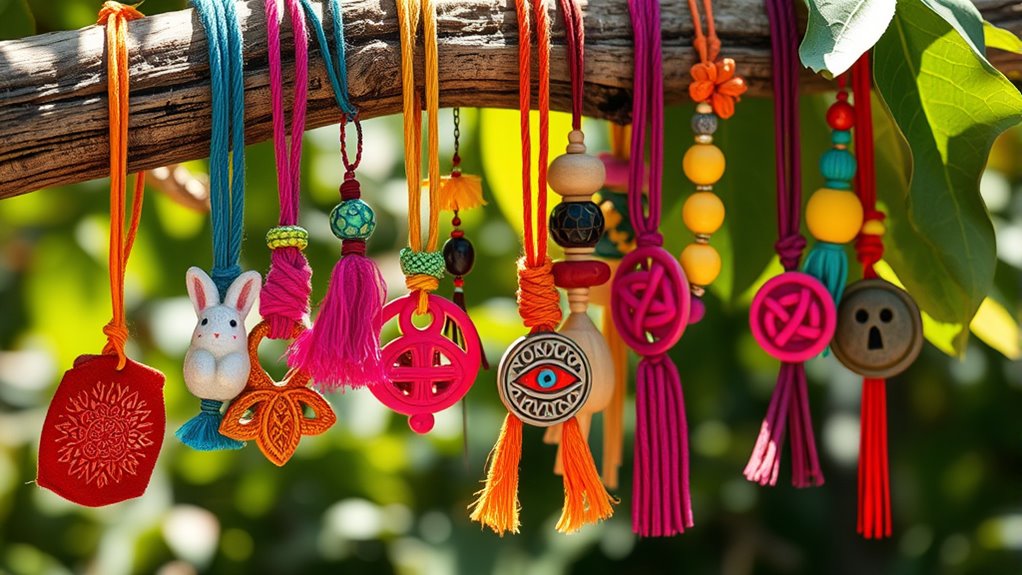
Across cultures, protective symbols serve as powerful tools for warding off harm and invoking safety. You might carry a talisman, wear a specific amulet, or display an image believed to hold protective powers. These symbols vary widely: in some societies, a Nazar’s blue eye wards off evil, while in others, a cross or a horseshoe is considered lucky and protective. The meanings behind these symbols are deeply rooted in cultural traditions, histories, and religious beliefs. They act as psychological anchors, reinforcing your sense of security. Despite differences, the core idea remains the same: these symbols serve as visual or tactile reminders that safety is within reach, harnessing collective belief to enhance their protective effects. Their cultural significance boosts their placebo power in diverse societies. Additionally, the cultural significance of these symbols can influence their effectiveness by strengthening collective belief and personal confidence in their protective abilities.
Case Studies Demonstrating the Efficacy of Charms

Numerous case studies highlight how charms and protective symbols can genuinely influence outcomes beyond mere belief. For example, in some communities, individuals who carry specific amulets report fewer illnesses and feel more secure during stressful events. A particular study found that soldiers who wore protective talismans before battle experienced lower anxiety levels and better focus, despite no scientific link between the objects and actual safety. Similarly, patients using charms believed to promote healing often reported faster recovery rates, regardless of medical treatment. These cases suggest that the power of charms extends beyond superstition, impacting psychological well-being and behavior. While the physical effects remain debated, the consistent positive outcomes in these situations demonstrate that charms can serve as powerful psychological tools that shape perceptions and influence real-world results.
The Role of Expectation in Enhancing Well-Being
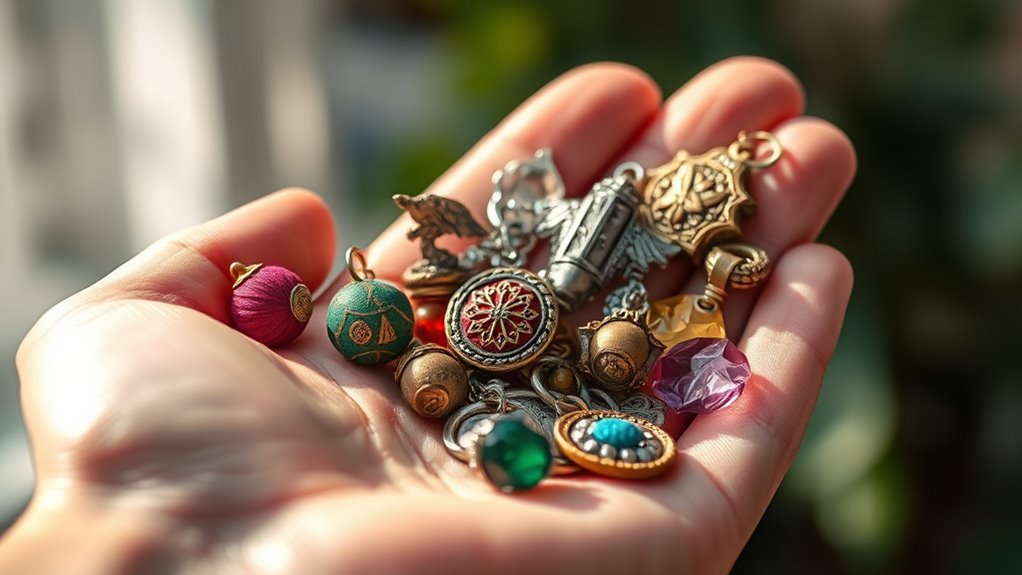
Your beliefs can directly boost healing and improve your overall well-being. When you expect positive outcomes, your mind can strengthen the connection between thoughts and physical health. These expectations often shape real results, highlighting the powerful role your mindset plays.
Belief Boosts Healing
Belief plays a powerful role in healing by shaping your expectations and influencing your body’s response. When you genuinely believe a treatment or charm can help, your mind releases chemicals that support recovery, such as endorphins and dopamine. This mental state can reduce pain, lessen stress, and improve your overall sense of well-being. Your positive expectation creates a feedback loop, encouraging your body to activate healing processes. Even if the treatment itself is inert, your confidence in its effectiveness can trigger real physiological changes. This phenomenon highlights how your mindset can amplify physical health outcomes, making belief not just psychological but an essential component of healing. Fundamentally, what you expect can greatly boost your body’s ability to recover and feel better.
Mind-Body Connection Strengthens
When you expect a positive outcome, your mind actively influences your body’s physiological processes, strengthening the connection between mental states and physical health. This expectation triggers real changes in your brain chemistry, such as the release of endorphins and neurotransmitters that promote healing and reduce stress. As your mind anticipates improvement, it sends signals that can boost immune function, lower blood pressure, and ease pain. The power of belief helps your body respond more effectively to treatments and natural healing processes. Over time, these mental cues reinforce a cycle where confidence and optimism enhance physical well-being. Recognizing this link allows you to harness your expectations intentionally, making your mental outlook a essential component of your overall health.
Expectations Shape Outcomes
Expectations don’t just influence your mindset—they can actively shape real outcomes in your health and well-being. When you believe a charm or ritual will help, your brain releases chemicals that boost your confidence and reduce stress. This positive mindset can improve immune function, lessen pain, and enhance recovery. Your beliefs create a self-fulfilling cycle: expecting a benefit encourages behaviors that support better health. Even if the charm has no direct power, your conviction can trigger physiological responses that promote healing. By focusing on the anticipated positive effects, you reinforce your motivation to stay healthy and resilient. In essence, your expectations serve as mental catalysts that can transform belief into tangible health benefits. Your mindset becomes a powerful tool for wellness.
The Mind-Body Connection and Its Implications

The mind and body are deeply interconnected, meaning your mental state can considerably influence your physical health. When you believe in the effectiveness of a charm or a ritual, your brain releases chemicals that can promote healing and reduce stress. This mind-body link explains why positive expectations can lead to real physiological changes, like lowered blood pressure or pain relief. Your thoughts, beliefs, and emotions don’t just stay in your head—they impact your immune system, hormone levels, and overall well-being. Recognizing this connection helps you understand the power of your mindset in health outcomes. It also highlights how mental focus and belief can activate your body’s natural healing processes, making your psychological state a vital factor in physical health.
Ethical Considerations of Using Placebos in Healing
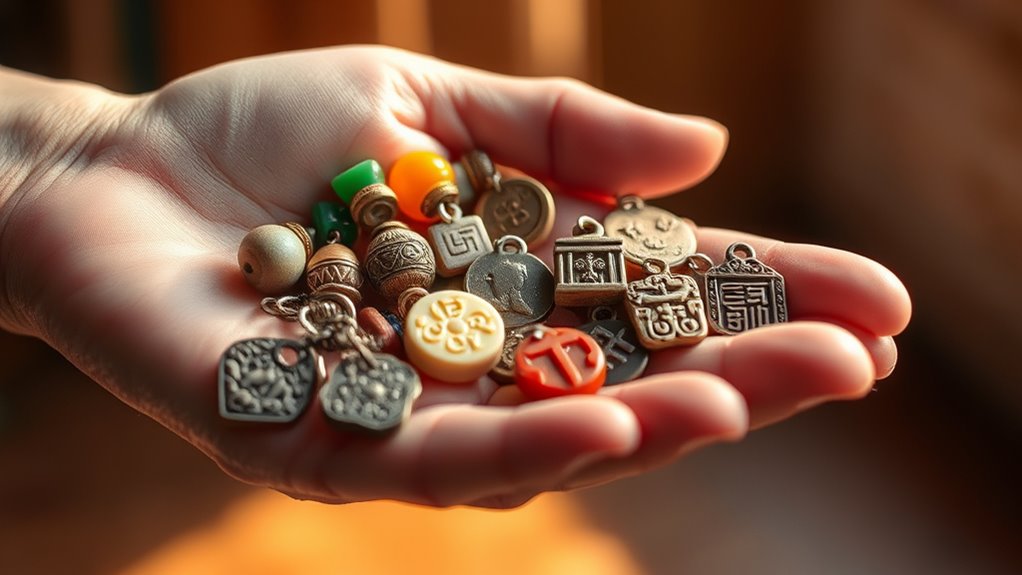
Using placebos in healing raises important ethical questions because it involves intentionally deceiving patients about their treatment. You might wonder if it’s right to withhold full truth to achieve a therapeutic effect. On one hand, if a placebo provides relief, it can be considered beneficial. On the other hand, deception can undermine trust between you and your healthcare provider, potentially damaging the therapeutic relationship. You must also consider informed consent—patients deserve to know what they’re receiving. Some argue that using placebos without disclosure violates ethical standards, while others believe the benefits outweigh the potential harm. Ultimately, balancing honesty with the need to promote healing requires careful thought, transparency, and respect for patient autonomy.
Harnessing the Power of Belief for Personal Wellness
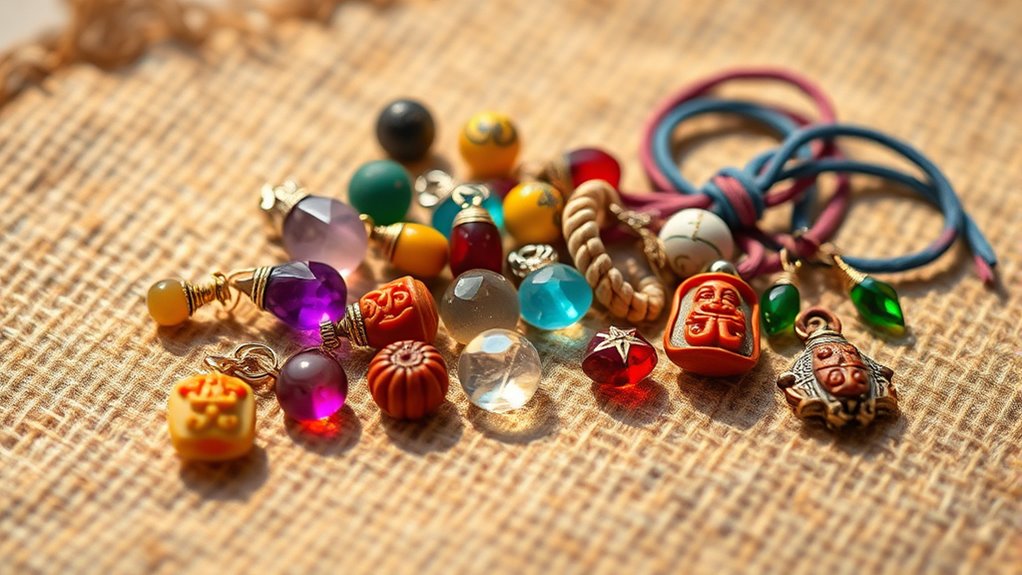
Belief has a powerful influence on your physical and mental well-being, shaping how your body responds to various health challenges. When you genuinely believe in a remedy or protection, your mind can trigger real physiological changes, boosting your resilience and reducing stress. To harness this power, focus on cultivating positive expectations and reaffirming your confidence in healing practices. Visualization techniques, affirmations, and mindfulness can reinforce your belief system, making your mind a tool for wellness. Remember, your mindset matters—believing in the effectiveness of a charm or ritual can activate your body’s natural healing processes. By aligning your thoughts with your health goals, you create a mental environment conducive to recovery and balance, turning belief into a powerful catalyst for personal well-being.
Frequently Asked Questions
Can Protective Charms Have Any Negative Psychological Effects?
Protective charms can sometimes cause negative psychological effects if you become overly reliant on them or develop anxiety when not using them. You might feel more vulnerable without the charm, leading to decreased confidence or increased stress. These effects stem from placing too much trust in external objects rather than your own resilience. It’s important to balance belief in charms with self-confidence to avoid unnecessary fear or dependence.
How Do Modern Therapies Incorporate Belief and Placebo Effects?
Modern therapies harness belief and placebo effects by fostering positive expectations and trust in treatment. You might experience improvements simply because you believe in the process, even if the treatment has no direct biological impact. Therapists often use reassurance, ritual, and confidence-building techniques to enhance this effect. By creating a strong therapeutic alliance, they tap into your mind’s power to promote healing, making your belief a crucial part of recovery.
Are There Specific Materials That Enhance a Charm’s Efficacy?
Certain materials like crystals, metals, and natural objects are believed to enhance a charm’s efficacy. You might choose amethyst for protection, gold for strength, or herbs for specific blessings. When you select materials that resonate with your intentions and beliefs, you amplify your confidence and focus, which can boost the charm’s power. Ultimately, your personal connection and belief play a vital role in making the charm effective.
How Do Individual Differences Influence Belief in Charms’ Power?
Your belief in a charm’s power is shaped by your personal experiences, cultural background, and current mindset. If you’re open-minded or have positive past outcomes, you’re more likely to trust its effectiveness. Conversely, skepticism or doubts can weaken its influence. Your emotional state and sense of control also play roles, making your psychological connection to the charm vital in how strongly you perceive its protective power.
Can Placing a Charm in a Specific Location Increase Its Effectiveness?
Yes, placing a charm in a specific location can boost its perceived effectiveness. When you position it where you spend a lot of time or where you feel vulnerable, your belief in its power grows. This focus and intention reinforce its protective qualities. By consciously choosing a meaningful spot, you enhance your psychological connection, making the charm seem more potent and increasing your confidence in its ability to shield you.
Conclusion
So, next time you hold a lucky charm or believe in its power, remember—you’re wielding a force so mighty, it could move mountains! Your faith can turn ordinary objects into potent protectors, transforming your reality in ways you never imagined. The placebo power of protective charms isn’t just superstition; it’s a superpower within you. Embrace it, believe fiercely, and watch your world shift—because your mind is the greatest shield of all!