Carbon monoxide poisoning can cause sensations like cold spots, eerie shadows, and hallucinations, making it seem like a haunting. As CO affects your brain and body, you might feel dizzy, confused, or see strange lights, which are mistaken for paranormal activity. Symptoms often improve when you ventilate the area, indicating an environmental issue. To avoid misdiagnosing a dangerous situation, it is crucial to understand these signs—stay tuned for more on protecting yourself and your home.
Key Takeaways
- Carbon monoxide poisoning causes symptoms like hallucinations, confusion, and cold sensations, which can resemble paranormal experiences.
- CO exposure often results in eerie feelings or shadows, mistaken for supernatural activity.
- Symptoms worsen indoors near appliances and improve with ventilation, indicating a physical cause rather than a haunting.
- Hallucinations and disorientation from CO poisoning can mimic ghostly visions or spirit encounters.
- Recognizing environmental triggers and symptom relief after ventilation helps differentiate poisoning from genuine paranormal events.

NICGOL 4 in 1 Upgraded Natural Gas Leak Detector and Carbon Monoxide Detectors, Dual Sensor Gas Leak Detector & Carbon Monoxide Detectors Plug in (Temperature & Humidity) for Home, RV (Black)
NICGOL 4-in-1 Advanced Detection: This upgraded 4-in-1 gas & carbon monoxide detector combines sensors for natural gas, carbon…
As an affiliate, we earn on qualifying purchases.
As an affiliate, we earn on qualifying purchases.
Recognizing the Symptoms That Resemble Supernatural Encounters
Because carbon monoxide poisoning can cause symptoms that closely resemble supernatural experiences, it’s important to recognize the signs early. You might feel dizzy, confused, or experience headaches that seem to come out of nowhere. Some people report seeing strange lights or shadows, which could easily be mistaken for ghosts or spirits. Fatigue and weakness are common, making you feel unusually exhausted even after rest. Nausea or vomiting may also occur, adding to the confusion of whether it’s a medical issue or something paranormal. Notice if symptoms worsen when you’re indoors, especially near appliances or heating systems. Recognizing these signs promptly can prevent misdiagnosis and help you seek appropriate medical attention before more serious effects develop. Essential oils for respiratory health can sometimes provide relief, but they should not replace urgent medical evaluation in cases of possible carbon monoxide poisoning.

Professional 16 in 1 Air Quality Monitor Indoor 10h Battery & 5.5" Display 9 AQI+7 AQI Alerts, Portable CO2 Monitor Air Quality Tester for CO2, TVOC, PM2.5 PM1.0 PM10, HCHO Temp/ Humidity AQI & Time
【Professional 16-in-1 Indoor Air Quality Monitor】Experience the ultimate indoor air quality monitoring with our 16-in-1 Air Quality Monitor,…
As an affiliate, we earn on qualifying purchases.
As an affiliate, we earn on qualifying purchases.
How Carbon Monoxide Distributes and Affects Your Body
When you breathe in carbon monoxide, it quickly enters your bloodstream and binds to hemoglobin more readily than oxygen does. This prevents your blood from delivering oxygen to your organs and tissues, causing symptoms like dizziness, confusion, and fatigue. The gas spreads rapidly throughout your body, affecting essential functions. To visualize, consider this table:
| Body Area | Effect of CO | Symptoms |
|---|---|---|
| Brain | Reduced oxygen delivery | Headaches, confusion |
| Heart | Strains on cardiac tissue | Chest pain, irregular heartbeat |
| Muscles | Fatigue and weakness | Weakness, difficulty moving |
| Organs | Impaired function | Nausea, dizziness |
Carbon monoxide’s silent spread can quickly turn deadly, making it imperative to recognize its effects early. Understanding air filtration processes is crucial for preventing exposure to this dangerous gas.
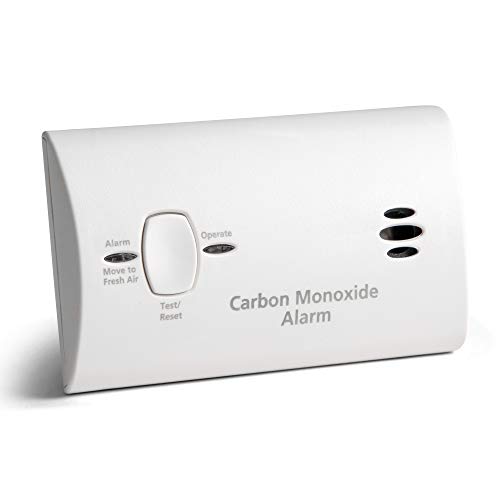
Kidde Carbon Monoxide Detector, Battery Powered CO Alarm with LEDs, Test-Reset Button, Low Battery Indicator, Portable
Electrochemical sensor technology detects CO gas
As an affiliate, we earn on qualifying purchases.
As an affiliate, we earn on qualifying purchases.
Common Sources of Carbon Monoxide in Residential Settings
Many common household appliances and systems can produce or release carbon monoxide if they malfunction or are used improperly. Gas furnaces, water heaters, and stoves are typical sources, especially when vents are blocked or damaged. Fireplaces and wood-burning stoves can also emit CO if not properly maintained or ventilated. Small engines, like generators or portable heaters used indoors, pose risks when operated without adequate ventilation. Car exhaust fumes can seep into garages or enclosed spaces, creating dangerous levels. Even charcoal grills used inside or near open windows can produce CO. Always guarantee appliances are regularly inspected, vents are clear, and proper ventilation is maintained to reduce the risk of carbon monoxide buildup in your home. Regularly checking for signs of spoilage, such as off-smell or discoloration, can help ensure that household items like lemon juice remain safe to use.
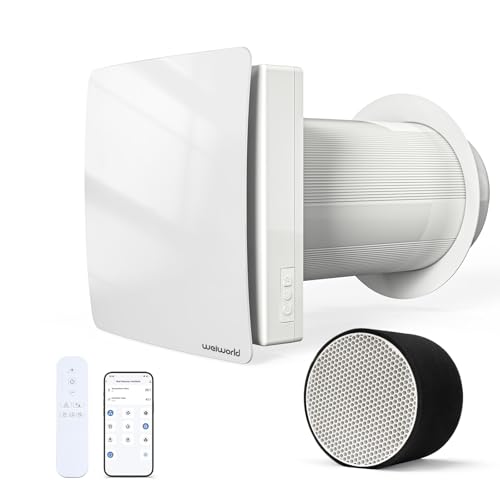
Weiworld Heat Recovery Ventilator with Ceramic Heat Exchanger, Wall-Mounted Fresh Air System with WiFi/Remote Control for Home, Attic, Garage – Supply, Exhaust & Recirculation Ventilation Fan
Heat Recovery Ventilator (HRV) for single room ventilation: Equipped with a high-efficiency ceramic heat exchanger that recovers up…
As an affiliate, we earn on qualifying purchases.
As an affiliate, we earn on qualifying purchases.
The Role of Environmental Factors in Poisoning Incidents

Environmental factors play a vital role in carbon monoxide poisoning incidents. Indoor combustion sources and poor ventilation can quickly increase danger levels. Understanding how environmental conditions influence risk helps you take better precautions to stay safe. Additionally, lack of awareness about common dream symbols or signs of poisoning can delay critical responses, increasing danger.
Indoor Combustion Sources
Indoor combustion sources play a significant role in carbon monoxide poisoning incidents, often because their emissions go unnoticed until symptoms appear. Common sources include gas stoves, space heaters, fireplaces, and water heaters. When these appliances are faulty, improperly maintained, or used in poorly ventilated spaces, they produce carbon monoxide without obvious signs. You might not see or smell the gas, making it easy to overlook the danger. Continuous operation or malfunctioning equipment can cause dangerous levels of CO to build up inside your home. Since carbon monoxide is odorless and colorless, you won’t detect it without a detector. Being aware of these sources and ensuring proper maintenance and ventilation can reduce your risk of poisoning and prevent tragic misunderstandings. Additionally, proper ventilation systems can help disperse harmful emissions and further decrease the likelihood of dangerous buildup indoors.
Poor Ventilation Risks
Poor ventilation considerably increases the risk of carbon monoxide poisoning because it allows the gas to accumulate to dangerous levels indoors. When your home or workspace has limited airflow, any CO produced from appliances or heating sources stays trapped, raising the danger of exposure. Without proper ventilation, even small emissions can quickly reach harmful concentrations. This is especially true in enclosed spaces, such as basements or poorly ventilated rooms, where CO can build up unnoticed. You might not realize the danger until symptoms appear, making ventilation a critical safety factor. Ensuring good airflow by opening windows, using exhaust fans, or installing ventilation systems helps disperse CO, reducing the likelihood of dangerous buildup and safeguarding your health. Additionally, regular maintenance of appliances and monitoring for indoor air quality can further prevent CO accumulation.
Environmental Conditions Influence
Environmental conditions play a crucial role in determining the risk of carbon monoxide poisoning. Cold weather, for example, increases the use of heating appliances, raising the chance of faulty or poorly ventilated equipment releasing CO. High humidity and damp environments can also worsen indoor air quality, trapping CO and preventing it from dispersing. Poorly maintained chimneys or exhaust systems, especially in enclosed spaces, create ideal conditions for CO buildup. Additionally, using charcoal grills or generators indoors or near open windows can lead to dangerous concentrations. Wind and outdoor air flow influence how quickly CO disperses; still air allows it to accumulate. Proper ventilation and regular maintenance are essential to minimize CO risks and ensure safe indoor environments.
Differentiating Between Paranormal Activity and Poisoning Signs

Distinguishing between paranormal activity and carbon monoxide poisoning can be challenging because both may cause similar symptoms, such as dizziness, confusion, and hallucinations. To tell them apart, pay attention to patterns and environment. Paranormal events often occur unpredictably and with a sense of eeriness, while poisoning symptoms tend to worsen over time with continued exposure. Additionally, astrological compatibility and cultural beliefs may influence how individuals interpret their experiences, but medical evaluation is essential for accurate diagnosis. Consider this table:
| Paranormal Activity | CO Poisoning Symptoms | Common Features |
|---|---|---|
| Unexplained noises or movements | Headaches, nausea | Both can cause confusion |
| Sudden cold spots or feelings | Dizziness, hallucinations | Disorientation, altered perception |
| Occurs sporadically or during events | Worsens with exposure, improves after ventilation | Physical symptoms linked to environment |
The Importance of Proper Detection and Monitoring Devices

Accurately identifying carbon monoxide poisoning requires more than just recognizing symptoms; it demands reliable detection and monitoring devices. These tools are essential to prevent dangerous exposure and distinguish poisoning from other issues like hauntings. Proper devices include:
Reliable detection devices are crucial to prevent carbon monoxide poisoning and avoid confusing it with supernatural issues.
- Carbon Monoxide Detectors – Install these on every level of your home, especially near bedrooms.
- Continuous Monitoring Systems – Use these in areas with fuel-burning appliances for real-time alerts.
- Portable CO Monitors – Carry these when traveling or working in potentially risky environments.
- Regular Maintenance and Calibration – Ensure detectors are tested monthly and replaced as recommended.
Having the right devices helps you respond quickly and accurately, reducing the risk of harm and preventing false alarms that could be mistaken for supernatural activity.
Steps to Take When You Suspect Carbon Monoxide Exposure
If you suspect someone is experiencing carbon monoxide poisoning, act quickly to guarantee safety. First, immediately move the person to fresh air—preferably outdoors or in a well-ventilated space. Do not try to diagnose or treat them on the spot; prioritize removing them from the source of exposure. Call emergency services right away and inform them of the situation. While waiting for help, check if the person is conscious and breathing; if they’re unresponsive and you’re trained, perform CPR. Keep them calm and still to prevent further absorption. Do not re-enter the contaminated area until professionals confirm it’s safe. Acting swiftly can prevent serious health consequences or death. Always prioritize rapid evacuation and professional medical assistance. Be aware that electric bikes can sometimes produce high speeds or electrical issues that might contribute to dangerous situations if not properly maintained.
Preventive Measures to Protect Your Home From Carbon Monoxide Risks
To effectively prevent carbon monoxide poisoning, taking proactive steps to safeguard your home is essential. Start by installing carbon monoxide detectors on every level, especially near bedrooms and appliances. Regularly maintain and inspect your heating systems, water heaters, and gas appliances to ensure they’re functioning properly. Never use portable generators, grills, or space heaters indoors or in enclosed spaces. Additionally, ensure proper ventilation in areas where fuel-burning appliances operate. Proper ventilation practices are vital for dispersing dangerous gases and reducing buildup.
Here are four key measures:
- Install and test carbon monoxide detectors regularly.
- Schedule annual inspections for heating and fuel systems.
- Never run generators or grills indoors.
- Keep vents and chimneys clear of obstructions.
These steps help minimize risks and keep your home safe from deadly carbon monoxide buildup.
Frequently Asked Questions
Can Carbon Monoxide Poisoning Cause Hallucinations Similar to Ghost Sightings?
Yes, carbon monoxide poisoning can cause hallucinations that feel like ghost sightings. When you’re exposed to high levels of CO, your brain doesn’t get enough oxygen, leading to visual and auditory hallucinations. You might see or hear things that aren’t there, which can easily be mistaken for supernatural phenomena. If you notice these symptoms, get fresh air immediately and seek medical help, as CO poisoning can be life-threatening.
How Quickly Can Symptoms of Poisoning Develop in a Household Setting?
Symptoms of carbon monoxide poisoning can develop quickly, often within minutes to a few hours of exposure. If you’re in a household with a faulty appliance or blocked vents, you might start feeling dizzy, headache, or nausea rapidly. It’s essential to get fresh air immediately and seek medical help if you notice any symptoms. Early detection can prevent serious health effects or fatalities, so don’t ignore even mild symptoms.
Are There Age Groups More Susceptible to Confusing Poisoning Symptoms With Supernatural Events?
You’re more likely to confuse poisoning symptoms with supernatural events if you’re elderly or have young children. These groups may have difficulty recognizing subtle signs or communicating discomfort, leading to misinterpretation. Additionally, individuals with pre-existing mental health issues might be more prone to perceiving hallucinations or strange sensations as paranormal activity. Staying alert and understanding the symptoms can help you differentiate between a haunting and a health emergency.
What Long-Term Health Effects Can Result From Undetected Carbon Monoxide Exposure?
Think of your body as a delicate clock, where each part relies on precise timing. When you breathe in carbon monoxide undetected, it silently sabotages this harmony, leading to long-term health effects like memory loss, fatigue, and heart issues. Over time, the damage accumulates, much like rust corroding a trusted clock, causing permanent malfunction. Protect yourself by ensuring proper ventilation and timely detection to keep your body’s rhythm steady and true.
Can Carbon Monoxide Poisoning Be Mistaken for Other Neurological or Psychiatric Conditions?
Yes, carbon monoxide poisoning can be mistaken for other neurological or psychiatric conditions. You might experience symptoms like confusion, dizziness, headaches, or mood changes, which are common in mental health disorders or neurological issues. Because these signs are vague and nonspecific, it’s essential to get tested promptly, as untreated CO poisoning can cause serious, lasting damage.
Conclusion
Stay vigilant, because carbon monoxide can dance through your home like an unwelcome ghost, mimicking supernatural hauntings. By understanding its subtle signs and trusting your detectors, you’re the brave guardian of your own safety. Don’t let this silent intruder turn your peaceful haven into a haunted house. Remember, awareness is your sword, and prevention is your shield—protect your home, and keep the real spirits of safety alive.