A shadow figure is a dark, shadowy silhouette you might spot out of the corner of your eye or during stressful or exhausted moments. These forms often appear as featureless shapes with humanoid outlines that move silently, sometimes darting or vanishing suddenly. While many see them as supernatural entities, experts suggest they’re usually psychological or physiological, caused by illusions, stress, or sleep states. Want to uncover the mysterious origins and meanings behind these elusive shadows? Keep exploring.
Key Takeaways
- Shadow figures are dark, featureless silhouettes often perceived as human-shaped entities seen in peripheral vision or during stress.
- They are commonly linked to psychological states like sleep paralysis, hallucinations, or visual misperceptions.
- Cultural beliefs interpret shadow figures as spirits, ancestors, or supernatural beings with symbolic significance.
- Movements range from stillness to sudden, jerky motions, often silent and unpredictable.
- Scientific explanations attribute shadow figures to natural phenomena, perception errors, or physiological processes rather than supernatural causes.

Anti Snoring Device | Positional Sleep Apnea Device | Side Sleep Trainer to Stop Snore | Includes Ball to Prevent Back Sleeping | Positional Therapy for Snoring Relief | Adjustable, Lightweight Vest
【HELPS TO STOP SNORING】 This positional sleep apnea device is designed to prevent back sleeping and promote side…
As an affiliate, we earn on qualifying purchases.
As an affiliate, we earn on qualifying purchases.
The Origins of Shadow Figures

Shadow figures have fascinated and mystified people for centuries, with their origins shrouded in mystery. Many believe these forms date back to ancient times, appearing in folklore and religious stories across cultures. Some think shadow figures are echoes of spiritual entities or spirits, linked to rituals and beliefs about the afterlife. Others suggest they could be manifestations of subconscious fears or memories, projected onto the environment. In some cases, historical accounts describe encounters with shadowy figures during times of crisis or grief, adding to their enigmatic nature. Scientific explanations often point to psychological or neurological factors, such as sleep paralysis or hallucinations. Additionally, the cultural significance of shadow figures varies widely, reflecting the diverse beliefs and fears of different societies. Regardless of their true origins, shadow figures continue to intrigue, blending cultural myths with personal experiences.

Weighted Blackout Sleep Mask for Men: 3D Contoured Zero Eye Pressure Sleep Mask for Stress Relief, Deep Sleep & Airplane Travel Essentials, Night Shift, Office Nap, Adjustable Strap, Blue
Gentle Weighted Comfort: Applies soothing pressure to relax facial muscles, helping you fall asleep faster and enjoy deeper,…
As an affiliate, we earn on qualifying purchases.
As an affiliate, we earn on qualifying purchases.
Common Visual Features and Descriptions
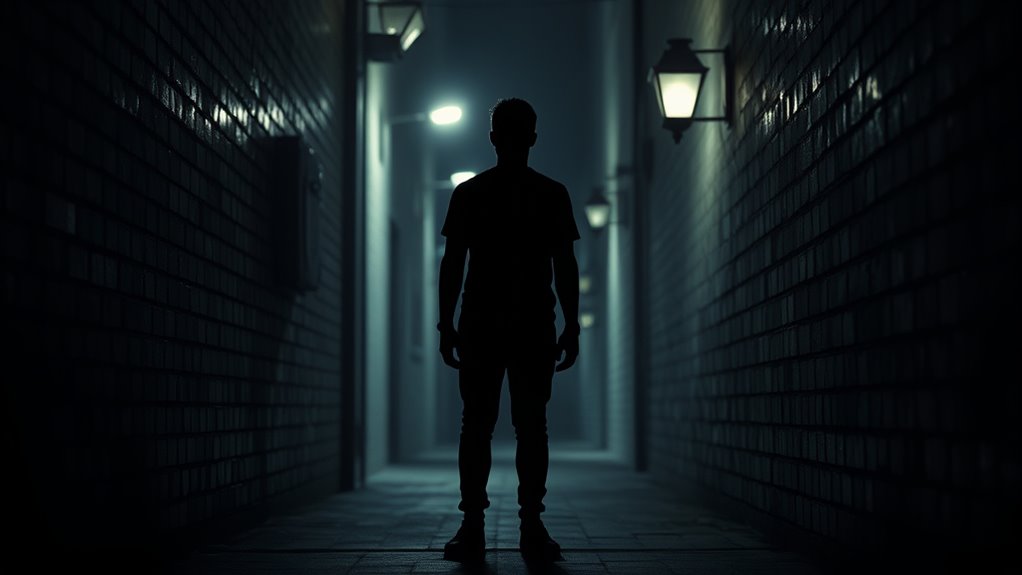
You notice that shadow figures often appear as dark silhouettes with undefined outlines, making their shapes seem mysterious. Their movement can be sudden or slow, and their behavior varies from stillness to quick, jerky motions. Recognizing these visual features helps you better understand what makes shadow figures so intriguing and eerie. Additionally, their visual features can vary depending on lighting and perspective, adding to their elusive nature.
Silhouette and Outline
Have you ever noticed how shadow figures often appear as simple, dark shapes against a lighter background? Their silhouettes are usually featureless, with no detailed facial features or textures. Instead, they present a clear outline that hints at a human form, with shoulders, head, and limbs distinguishable by their shape. The outline is sharp or slightly blurred, depending on the lighting conditions. These figures often lack any internal detail, making their shape the primary clue to their identity. You might see a figure with broad shoulders or a narrow waist, but no facial or clothing details. The silhouette creates a stark contrast, emphasizing their dark, featureless outline against the illuminated background, making them easy to recognize as shadowy forms. Additionally, AI-generated images can sometimes produce shadow figures with inconsistent or unnatural outlines, highlighting the importance of understanding their common visual features.
Movement and Behavior
Often, these figures move with an unnerving silence, their motions sudden or jerky, as if they’re not fully connected to the environment around them. You might notice them darting quickly behind objects or appearing in one place only to vanish seconds later. Their behavior can seem unpredictable—sometimes stalking slowly, other times rushing abruptly. They often react to your presence with abrupt stops or quick shifts in direction. Movement might seem stiff or strained, like they’re struggling to control their own motion. These behaviors evoke a sense of unease, as if they’re trying to communicate or escape. The erratic, silent movements make it difficult to predict their next action, adding to their mysterious and unsettling presence. Additionally, their unpredictable movement patterns can resemble the erratic behavior of jet boats navigating shallow waters, which often move suddenly or unpredictably due to environmental conditions.

TIM CHESS 3 Packs Impossible Cone, Spiral Cone Fidget Toy, Impossible Pyramid Passthrough 3D Printed Fidget Toys Adults, Spiral Illusion Desktop Decoration for Anxiety Relaxing (Purple Blue)
【Mind-Bending Spiral Cone Fidget Toy】The spiral design challenges perception with a sleek visual twist. The mini pyramid’s two…
As an affiliate, we earn on qualifying purchases.
As an affiliate, we earn on qualifying purchases.
Different Types of Shadow Entities
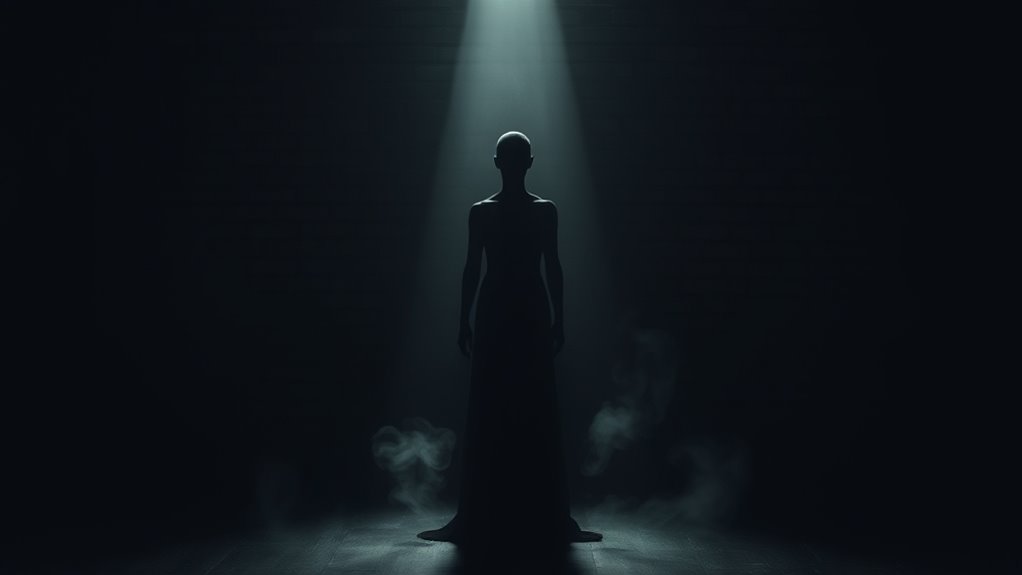
Shadow entities come in various forms, each with distinct characteristics and behaviors that can evoke fear or curiosity. Some appear as vague, shifting silhouettes, barely distinguishable from the darkness around them. Others look like well-defined figures with human shapes, sometimes with features that seem eerily familiar or entirely unknown. Some shadow figures move swiftly, darting through your peripheral vision, while others remain still for long periods, almost watching. You might encounter shadow beings that seem to float or glide, creating an unsettling sensation of levitation. Certain types are described as malevolent or threatening, while others seem neutral or even protective. Recognizing these differences can help you understand the variety of shadow entities and the experiences reported across different encounters. Exploring the spiritual and emotional significance of shadows can also provide deeper insight into their presence and meaning.

Cloud b Calming Mini Nightlight Star Projector | Gentle Brightness | 3 Colors | 1 Constellation | Auto-Shutoff | Dream Buddies Patch The Puppy
dream buddies: Friends to help ease fear of the dark.
As an affiliate, we earn on qualifying purchases.
As an affiliate, we earn on qualifying purchases.
Psychological Explanations and Theories
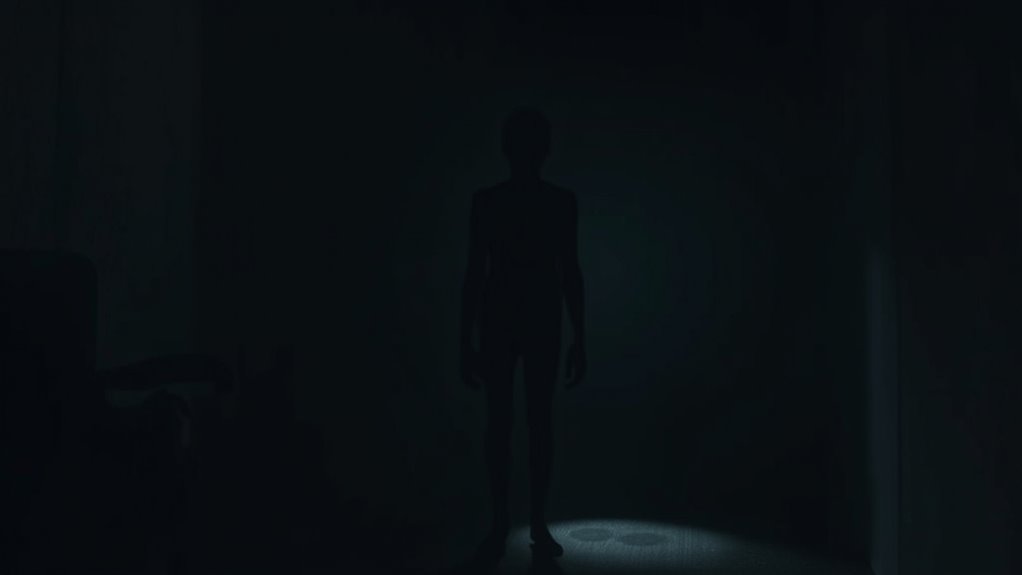
Many researchers believe that the mysterious appearances of shadow figures can be explained through psychological processes rather than supernatural causes. These experiences often stem from the way your brain interprets ambiguous stimuli or stress. For example, your mind might create shadowy shapes due to exfoliation, sleep paralysis, where you’re awake but unable to move, leading to hallucinations of figures. Pareidolia, the tendency to see familiar shapes, like faces or figures, in random patterns or shadows. Fear and anxiety, which heighten your alertness and can cause your brain to interpret shadows as threatening entities. Understanding these theories helps you recognize that shadow figures may be products of your mind’s natural responses, rather than supernatural entities.
Cultural and Historical Perspectives
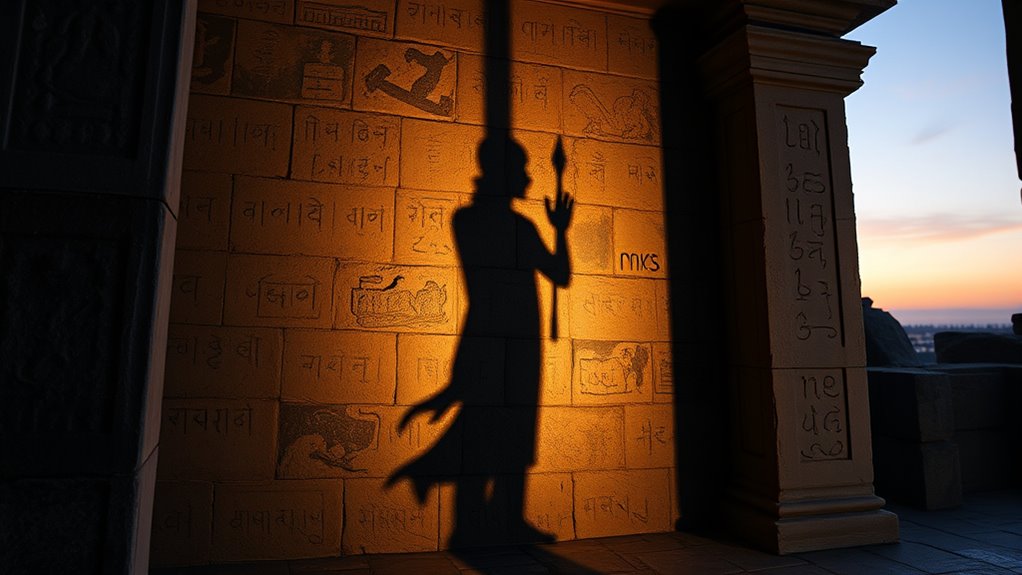
You may notice that shadow figures appear in stories from many cultures, often linked to spirits or ancestors. These beliefs reflect diverse origins rooted in folklore and legend. Exploring these variations helps you understand how different societies interpret mysterious, shadowy forms. Aromatherapy techniques can be used to create a calming environment when exploring these cultural stories.
Origins in Folklore
Throughout history, folklore across cultures has shaped the way people perceive mysterious, dark figures that lurk just beyond the edge of perception. These stories often serve as cautionary tales or explanations for unexplained events. You’ll find that many cultures attribute shadow figures to:
- Spirits or ancestors, believed to protect or warn.
- Malevolent entities, seen as omens or punishers.
- Trickster figures, representing chaos or transformation.
These narratives reflect deep-seated fears, moral lessons, or spiritual beliefs. In many traditions, shadow figures symbolize the unknown or subconscious mind. Their origins are rooted in the human need to understand darkness, mortality, and the unseen forces guiding life. Additionally, some interpretations link shadow figures to cognitive processes, illustrating how our minds interpret ambiguous stimuli. These stories have persisted, shaping modern interpretations of shadow figures today.
Cross-Cultural Variations
Across different cultures, shadow figures take on a surprising variety of forms and meanings, reflecting diverse spiritual beliefs and societal values. In some traditions, they are spirits of ancestors guiding or warning the living, while in others, they represent malevolent entities or protective guardians. For example, in Japanese folklore, shadowy yokai can be mischievous or dangerous, depending on the context. Native American cultures often see shadow figures as spiritual messengers or spirits of the deceased. In Western history, shadow figures have been linked to ghost sightings or manifestations of guilt and fear. These varying interpretations reveal how societies interpret unseen forces, often projecting their fears, hopes, or understanding of the spiritual sphere onto these mysterious figures. Cultural perspectives shape how you perceive and interpret shadow figures across different traditions. Understanding cultural symbolism helps explain the diverse meanings attributed to shadow figures worldwide.
Encounters and Personal Experiences
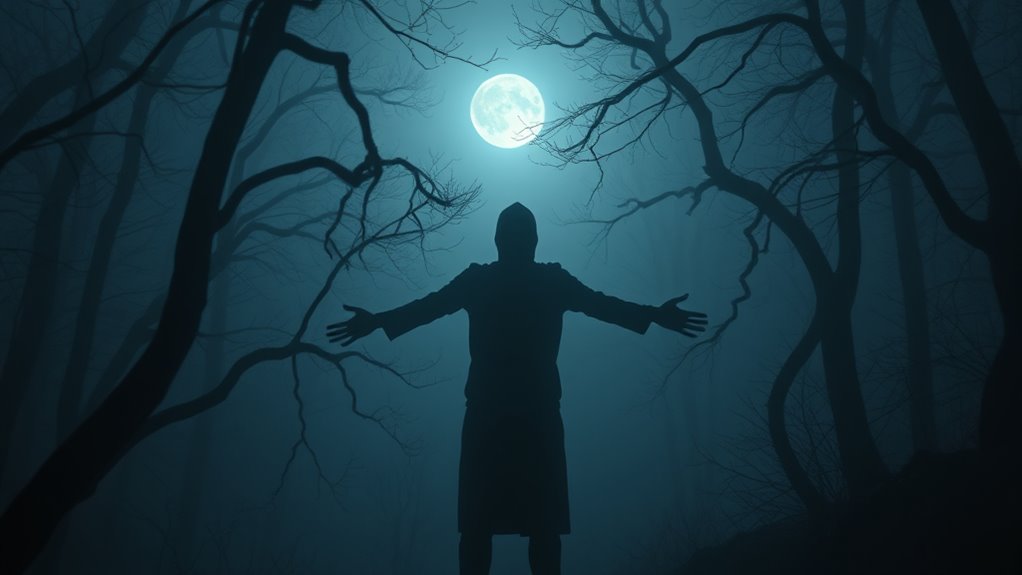
Many people have reported sudden, chilling encounters with shadow figures that seem to materialize out of nowhere. You might feel a dark presence lurking in your peripheral vision or sense someone standing nearby when no one’s there. These experiences often happen during moments of stress, exhaustion, or loneliness, heightening your awareness of the unknown. Understanding the nature of shadow figures can sometimes provide insight into these unsettling encounters. Common themes in personal stories include: 1. Feeling watched or stared at, with no visible source. 2. Witnessing a dark silhouette that quickly disappears. 3. Experiencing a sense of dread or unease during the encounter. While each story varies, these encounters tend to leave a lasting impression, fueling curiosity and fear about what these shadow figures truly are.
The Role of Sleep and Hypnagogic States
As you drift into the boundary between wakefulness and sleep, your mind enters hypnagogic states—those fleeting moments where reality blurs and vivid images or sensations can appear. During this time, your brain processes memories, fears, and imagination, often creating strange, shadowy figures. These states can make you perceive shapes or figures that aren’t really there, blending dreams with waking life. Recognizing this natural progression helps you understand why shadow figures sometimes appear at the edge of sleep. Here’s a quick comparison:
| Hypnagogic State | Common Experiences |
|---|---|
| Transition Phase | Vivid images, fleeting shadows |
| Perception | Blurred boundaries, hallucinations |
| Awareness | Usually brief, sometimes frightening |
Paranormal Beliefs and Interpretations

Many cultures see shadow figures as spirits or supernatural entities, shaping how people interpret these phenomena. Common paranormal theories suggest they are ghosts, interdimensional beings, or manifestations of energy. Scientific explanations, however, point to psychological and physiological factors that influence what you perceive.
Cultural Interpretations of Shadows
Shadows have long fascinated cultures around the world, often carrying deep spiritual and supernatural significance. Across different societies, shadows are seen as more than mere darkness—they symbolize spirits, ancestors, or portals to the supernatural domain. For example, some cultures interpret shadow figures as:
- Guardians or protective spirits guiding individuals.
- Manifestations of ancestors watching over loved ones.
- Signs of impending change or spiritual presence.
These interpretations influence rituals, art, and folklore, shaping how people view unseen forces. Sometimes, shadows are believed to be spirits trying to communicate, while other times, they’re omens of danger. Your cultural background shapes whether shadows are revered, feared, or misunderstood, revealing how humans have always sought meaning in the unseen.
Common Paranormal Theories
Paranormal theories about shadow figures suggest that these shapes are more than just optical illusions or natural phenomena; many believe they are glimpses into a hidden dimension. Some think shadow figures are spirits of the deceased, lingering between life and death, trying to communicate or offer guidance. Others believe they are interdimensional beings, slipping through different realities. Certain theories propose shadow figures are energy manifestations from emotional trauma or unresolved issues, appearing as a reflection of suppressed feelings. Some also see them as guardian spirits, watching over you or warning of impending danger. While these ideas inspire curiosity, they remain speculative, rooted in personal experiences and cultural beliefs rather than scientific evidence. Still, they continue to fuel fascination and debate among those intrigued by the paranormal.
Scientific Explanations Explored
Scientific explanations offer a grounded perspective on shadow figures, shifting the focus from supernatural beliefs to psychological and physiological factors. Researchers suggest that these figures may result from visual misperceptions, stress, or sleep-related phenomena. To understand better, consider these key points:
- Optical illusions: Shadows or shapes are often misinterpreted due to poor lighting or visual processing errors.
- Sleep paralysis: During this state, you might see fleeting shadowy figures as your brain struggles to distinguish reality from hallucination.
- Psychological factors: Anxiety, trauma, or heightened suggestibility can cause the mind to perceive figures that aren’t there.
How to Differentiate Real From Illusionary Shadows
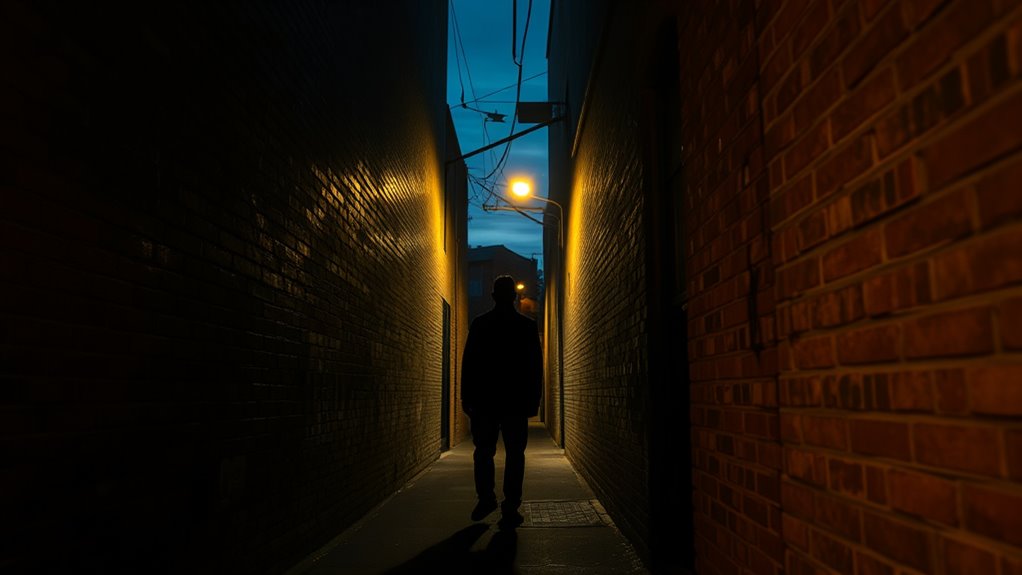
Determining whether a shadow is real or illusionary can be challenging, especially in unfamiliar or dimly lit environments. To differentiate, start by examining the shadow’s shape and movement. Real shadows tend to have consistent edges and change predictably with your movements or the light source. Illusionary shadows may appear distorted, flicker unexpectedly, or seem disconnected from your actions. Check the light source: shadows cast from a single, steady light are more reliable, while multiple or moving light sources can create confusing illusions. Also, observe if the shadow persists when you move out of the area or change your position. If it disappears or shifts oddly, it’s likely illusionary. Using these clues helps you distinguish between genuine shadows and trickery of light and perception.
Managing and Responding to Shadow Sightings
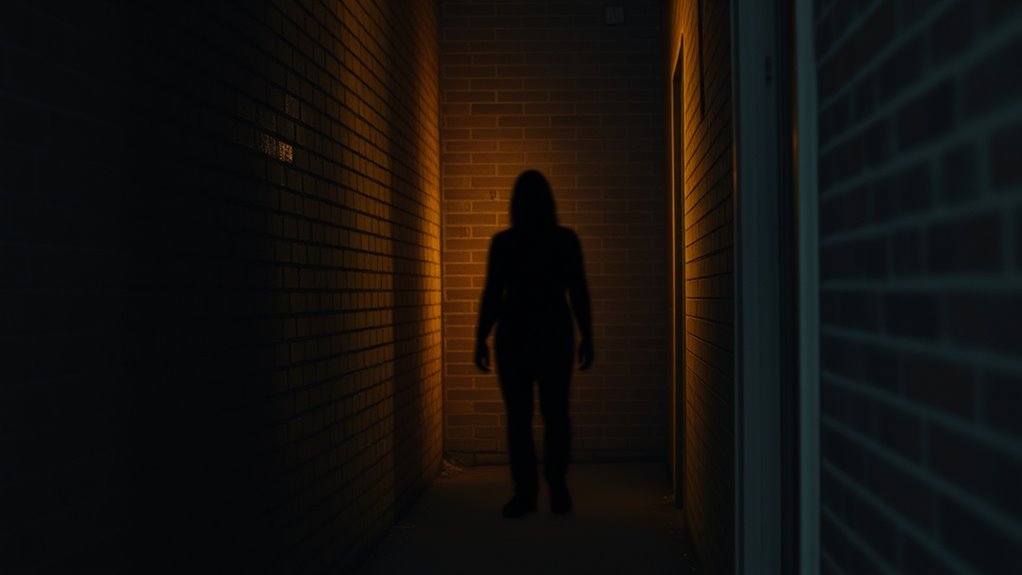
When you notice a shadow that seems out of place or difficult to explain, it’s important to stay calm and assess the situation carefully. Keep your emotions in check and avoid jumping to conclusions. To respond effectively, consider these steps:
- Pause and Observe: Take a moment to evaluate if the shadow persists or changes.
- Eliminate Environmental Factors: Check for sources of light, reflections, or movement that could explain the shadow.
- Seek Support if Needed: If you feel uneasy, talk to someone you trust or document what you saw for future reference.
Remaining calm and methodical helps you better understand the situation and prevents unnecessary panic. Trust your instincts, but verify facts before jumping to conclusions.
Frequently Asked Questions
Can Shadow Figures Be Explained by Science or Are They Supernatural?
Shadow figures can often be explained by science rather than being supernatural. Your brain interprets ambiguous stimuli, especially in low-light conditions or when you’re tired, which can create the illusion of shadows or figures that aren’t really there. Sometimes, psychological factors like stress, sleep paralysis, or hallucinations contribute to these experiences. While they feel real, most shadow figures have natural explanations rooted in perception and cognition.
Are Shadow Figures Always Harmful or Can They Be Benign?
You might think shadow figures are always harmful, but that’s not the case. Sometimes, they’re just benign or neutral, like harmless shadows that wander through your mind. They can be fleeting or even comforting, like an old friend’s silhouette in the night. Not every shadow figure is a threat; many are simply your mind’s way of processing experiences or fears. So, don’t jump to conclusions—sometimes, it’s just a shadow passing through.
How Common Are Shadow Figure Sightings Worldwide?
Shadow figure sightings are quite common worldwide, with many experiencing brief, fleeting glimpses. People report these encounters in various settings, from homes to unfamiliar places, often during moments of stress or fatigue. While some see them as harmless or even intriguing, others find them unsettling. Overall, these sightings happen more often than you might think, and they’re part of a shared human experience that spans cultures and locations globally.
Do Shadow Figures Appear More Frequently in Certain Environments?
Shadow figures often appear more frequently in dark, quiet environments, much like whispers in a silent room. You’re more likely to see them in places with low lighting, abandoned buildings, or during late-night hours when your surroundings are less active. These settings create the perfect backdrop for shadow figures to emerge, as the lack of light and movement heightens your sensitivity, making it easier for your mind to interpret shadows as mysterious or supernatural entities.
Can Shadow Figures Be a Sign of Mental Health Issues?
Yes, shadow figures can sometimes indicate mental health issues, especially if you frequently see them during episodes of anxiety, depression, or psychosis. These visions might be linked to sleep disorders or hallucinations caused by stress or trauma. If you notice persistent or distressing shadow figures, it’s important to seek help from a mental health professional to explore underlying causes and find appropriate treatment.
Conclusion
Now that you’ve uncovered the secrets of shadow figures, you’re practically a detective in a supernatural thriller! Whether they’re illusions, fears, or something else entirely, these shadowy visitors can turn your nights into epic tales of mystery and wonder. So next time you spot one, remember—you’re the hero in your own spooky story. Embrace the mystery, and who knows? Maybe you’re just one shadow away from discovering the universe’s greatest secrets!