

Residual spirits are like echoes of past events, replaying the same scene without awareness or interaction, often linked to tragedies or emotional places. Intelligent spirits, on the other hand, are conscious entities that can perceive, respond, and communicate with you, showing signs of awareness and adaptability. Noticing their behavior—whether they remain static or actively respond—helps you differentiate between them. To uncover more about how these spirits behave and how to identify them, keep exploring further.
Key Takeaways
- Residual spirits are unchanging energy recordings of past events; intelligent spirits are conscious entities capable of interaction.
- Residual spirits replay specific scenes without awareness or response, while intelligent spirits can recognize and communicate with the living.
- Behavioral cues differentiate them: residuals exhibit static, repetitive actions; intelligent spirits show responsive, adaptable behavior.
- Environmental triggers influence intelligent spirits’ activity, whereas residuals are tied to locations with emotional or historical significance.
- Identifying spirit type aids investigations by clarifying whether phenomena are echoes or active entities seeking interaction.

Sam and Colby XPLR Spirit Box | Paranormal Detection Equipment; Haunted Survival; Ghost Hunter Scanner; EMF and EVP Detector; Comprehensive Tool for Spirit Communication
Designed by Viral Explorers Sam and Colby: Step up your ghost hunting game with the "Spirit Box," created…
As an affiliate, we earn on qualifying purchases.
As an affiliate, we earn on qualifying purchases.
Defining Residual Spirits and Their Characteristics

Residual spirits are believed to be the lingering echoes of past events, impressions of energy left behind on a location or object. They don’t interact or respond to you; instead, they replay scenes like a tape recorder, often seen as fleeting images or sounds. These spirits are shaped by intense emotions or significant moments, such as trauma, celebration, or tragedy. You might notice them during specific times or under certain conditions, like at anniversaries or in places with strong emotional ties. Unlike intelligent spirits, residual spirits don’t have awareness or consciousness. They follow a set pattern, repeating their “scene” without deviation. Their presence is more about the energy imprint than a conscious entity, making them more like echoes than active participants in the spiritual domain. Additionally, the concept of dog names can sometimes be linked to places or objects associated with residual spirits, as owners often choose meaningful names reflecting their personal connections.
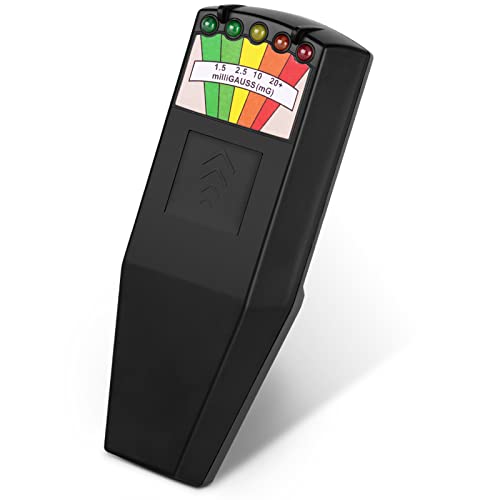
color tree Handheld LED EMF Magnetic Field Ghost Hunting Detector Electromagnetic Paranormal Equipment Tester 50Hz-20,000Hz Black
The EMF Meter Range for Ghost Hunting helps measure the electromagnetic fields to identify appliances that produce high-level…
As an affiliate, we earn on qualifying purchases.
As an affiliate, we earn on qualifying purchases.
Exploring the Nature of Intelligent Spirits

Unlike residual spirits, which simply replay past scenes, intelligent spirits are considered conscious entities capable of interaction and response. They can perceive your presence, communicate, and even influence their environment. To better understand, consider these key aspects:
- Awareness: They possess a level of consciousness, allowing them to recognize and react to stimuli.
- Communication: Intelligent spirits often attempt to convey messages or signals, sometimes through EVP or physical manifestations.
- Autonomy: They act independently, making choices based on their awareness and intentions.
These qualities set them apart from residual spirits, making intelligent spirits dynamic entities with active roles in their surroundings. Exploring their nature reveals a complex, responsive dimension of the spirit world.
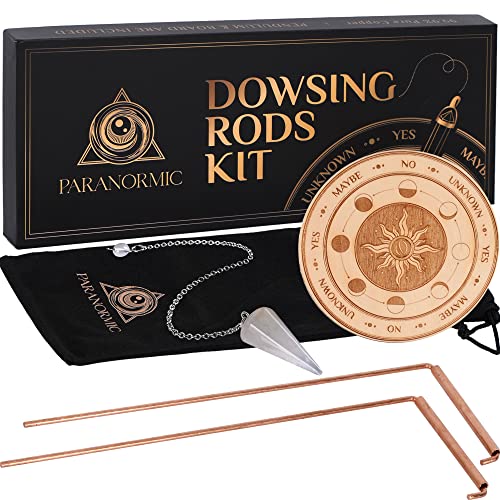
PARANORMIC 99.9% Pure Copper Dowsing Rods – Professional Ghost Hunting Equipment Kit – Dowsing Rods Spiritual Kit for Ghost Hunting & Investigation
Mystifying Methods – Step into the mystical world of dowsing with quality metaphysical supplies. Your copper spirit sticks,…
As an affiliate, we earn on qualifying purchases.
As an affiliate, we earn on qualifying purchases.
How Residual and Intelligent Spirits Differ in Behavior
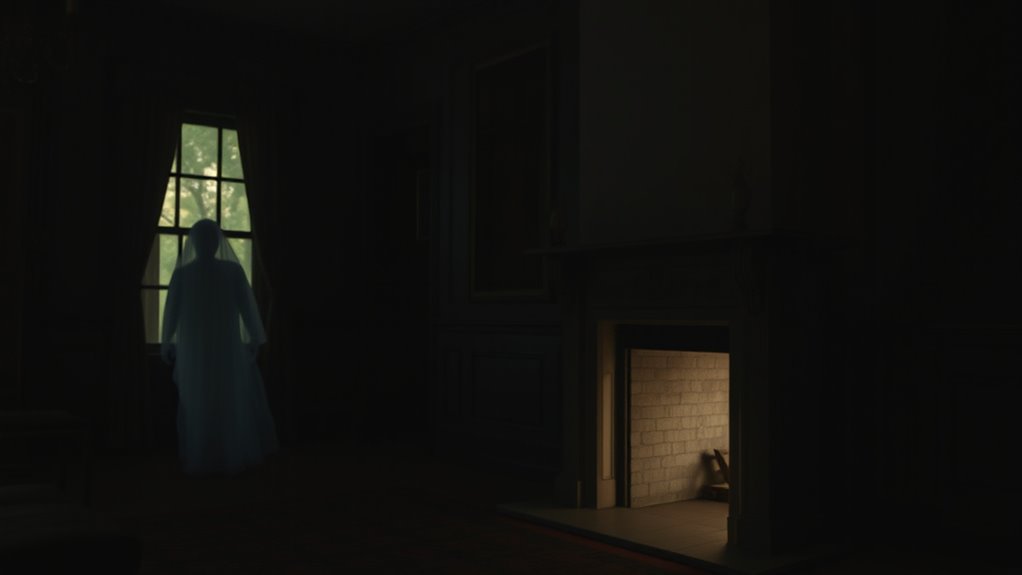
You can observe clear differences in how residual and intelligent spirits behave, especially in their level of activity and responsiveness. Residual spirits tend to repeat the same actions or sounds, showing little awareness of their surroundings. They appear static, almost like recordings from the past. In contrast, intelligent spirits respond to questions, adapt their behavior, and seem aware of your presence. They may communicate through words, gestures, or reactions. To illustrate:
| Behavior Aspect | Residual Spirits | Intelligent Spirits |
|---|---|---|
| Response to questions | No response or repetitive sounds | Answer or react meaningfully |
| Level of activity | Static, repetitive actions | Dynamic, adaptable actions |
| Awareness | Lacks awareness of present moment | Shows awareness of surroundings |
This difference underscores their distinct natures and how they interact with the environment.

Divination Pendulum Copper Divining Rod with Metal Detector Pendant for Spiritual Dowsing and Energy Finding(B)
Crafted from high-quality metal with a striking gold finish, this divination pendulum adds an elegant touch to your…
As an affiliate, we earn on qualifying purchases.
As an affiliate, we earn on qualifying purchases.
Methods for Identifying the Type of Spirit Encountered

To identify the type of spirit you’re encountering, pay attention to emotional imprint clues and how the spirit interacts with its surroundings. Watch for consistent behavior patterns in apparitions that might suggest intelligence, or signs of residual energy that feel more static. Additionally, look for environmental anomalies, like sudden temperature changes or unexplained noises, which can reveal important details about the spirit’s nature. Recognizing aura variations can also help differentiate between residual and intelligent spirits, as aura colors and states often reflect the energy and intent behind the apparition.
Emotional Imprint Clues
Emotional imprint clues serve as key indicators when distinguishing between residual and intelligent spirits. These clues reveal the spirit’s emotional signature, offering insight into their nature.
- Intensity of Feelings: Residual spirits often evoke strong, unchanging emotions like sadness or fear, while intelligent spirits display more nuanced, responsive feelings.
- Consistency of Emotion: If the emotional imprint remains constant regardless of your interaction, it’s likely residual. Conversely, shifting emotions suggest an intelligent spirit reacting to your presence.
- Reaction to Your Presence: Residual spirits typically don’t respond or acknowledge you, whereas intelligent spirits react, showing surprise, curiosity, or engagement.
- Environmental Factors: The setting and context can also influence emotional imprints, as residual spirits tend to manifest in places tied to their past, while intelligent spirits can adapt their responses based on new stimuli environmental cues.
Apparition Behavior Patterns
Apparition behavior patterns provide essential clues for distinguishing between residual and intelligent spirits during encounters. Residual spirits tend to follow repetitive, unchanging actions that mirror past events. You might see them perform the same movements or gestures repeatedly, unaffected by your presence. In contrast, intelligent spirits often exhibit responsive behaviors; they may interact with you, change their actions, or attempt to communicate. For example, they might shift position when you ask questions or react to your presence. Pay attention to how the apparition behaves over time—residual energy feels static, while intelligent spirits display dynamic, adaptable actions. Recognizing these patterns helps you determine whether you’re witnessing a recorded echo of the past or an active, aware entity attempting to engage with you. Understanding spirit behavior can further enhance your ability to interpret these encounters accurately.
Environmental Anomalies Detection
Environmental anomalies can serve as vital indicators when trying to identify whether you’ve encountered a residual or intelligent spirit. Pay attention to unusual phenomena around you. To help differentiate, consider these key signs:
- Persistence: Residual spirits often produce consistent, unchanging anomalies, like repeating sounds or images.
- Response: Intelligent spirits tend to react to your presence or questions, creating dynamic changes in the environment.
- Timing: Sudden, unexplained events that occur unpredictably suggest an active, intelligent entity, whereas residuals are usually tied to specific moments or locations.
- Symbolic Significance: Recognizing spiritual symbols or motifs that appear during encounters can provide insight into whether the spirit has conscious intent or is merely a residual imprint.
The Role of Environment and Context in Spirit Manifestations

The environment you’re in can greatly influence spirit activity, with certain locations naturally more prone to manifestations. Environmental triggers like sounds, temperature changes, or objects moving can signal presence or influence the type of spirit encountered. Understanding the context and signs around you helps interpret whether an encounter is residual or intelligent. Additionally, being aware of backup power options can ensure safety during unexpected disturbances or outages.
Location’s Impact on Activity
Where spirits choose to manifest often depends heavily on their environment and the context surrounding them. Certain locations naturally attract activity because they hold significance or energy. For example:
- Historical sites where emotional events took place tend to draw residual spirits enthusiastic to replay moments.
- Places of tragedy like accident sites or battlefields often host intelligent spirits seeking communication or closure.
- Personal spaces such as homes with strong emotional ties can foster both residual and intelligent activity.
- The ambiance of a space, including lighting, decor, and overall atmosphere, can influence the likelihood and type of spirit activity present.
Your awareness of these factors helps you understand why some locations feel more alive with spirit activity. Recognizing the environment’s influence allows you to interpret potential encounters more accurately and appreciate how surroundings shape spiritual interactions.
Environmental Triggers and Signs
Your surroundings often serve as triggers that can activate or influence spirit manifestations, making certain signs more noticeable or meaningful. The environment’s energy, objects, and even recent events can create conditions that attract spirits or prompt specific signs. For example, an old, creaky house may heighten sensitivity to unexplained sounds, while sudden temperature drops might signal a spirit’s presence. Certain objects, like personal belongings or items with emotional significance, can also act as focal points for activity. Environmental factors such as lighting, ambient noise, or even weather changes can amplify or diminish signs. Recognizing these triggers helps you understand the context in which signs occur, allowing you to better interpret what might be influencing or encouraging manifestation at any given moment. Additionally, understanding the role of virtual environments can help explain how digital spaces may also serve as modern triggers for spirit activity.
Contextual Interpretation Factors
Understanding the role of environment and context is essential when interpreting spirit manifestations, as these factors considerably influence how signs appear and are perceived. Your surroundings, personal beliefs, and emotional state shape the meaning and clarity of spirits’ messages. Consider these key factors:
- Location – A familiar, sacred space might amplify residual energy, while a new environment could trigger intelligent interactions.
- Time of day – Nighttime often heightens sensitivity, making spirits more active or noticeable.
- Personal mindset – Your expectations, fears, or openness can distort or clarify what you observe.
- Projection of visual clarity – The visual quality of spirit manifestations can be affected by environmental factors, impacting how clearly signs are perceived.
Being aware of these elements helps you differentiate between residual echoes and intelligent communication, ensuring you interpret signs more accurately. Recognizing the influence of environment and context empowers you to approach spirit manifestations with clarity and confidence.
Implications of Recognizing Spirit Types in Paranormal Investigations

Recognizing different spirit types during paranormal investigations can markedly influence how you interpret and respond to phenomena. When you identify a residual spirit, you understand it’s a recording of past events, often unresponsive to your presence. This awareness helps you avoid unnecessary concern or misjudgment of the activity. Conversely, encountering an intelligent spirit signals a conscious entity capable of interaction, which may require a different approach, such as communication or protection measures. Knowing the type guides your investigation strategy, ensuring you remain respectful and cautious. It also helps prevent false assumptions about danger or activity levels. Ultimately, accurately recognizing spirit types allows you to interpret evidence more effectively, leading to clearer insights and safer, more respectful interactions with the unseen world. Understanding spirit identification techniques can further enhance your ability to differentiate between these entities.
Frequently Asked Questions
Can Residual Spirits Ever Become Intelligent Over Time?
Residual spirits typically don’t become intelligent over time because they’re like recordings of past events, not conscious entities. However, if a residual spirit somehow gains awareness or interacts with living beings, it could seem like it’s evolving into an intelligent spirit. Still, most experts agree that true intelligence requires consciousness and free will, which residual spirits lack. So, the chances are very slim that they become truly intelligent.
Are There Specific Tools to Distinguish Residual From Intelligent Spirits?
Think of tools like a detective’s kit, helping you tell apart residual from intelligent spirits. You can use EMF meters, digital voice recorders, and spirit boxes to detect activity and communication. Residual spirits often don’t respond or change, like a looping movie, while intelligent spirits interact and answer questions. Trust your intuition too; it’s like a lighthouse guiding you through the fog of the unknown.
Do Cultural Beliefs Influence How Residual and Intelligent Spirits Are Perceived?
Yes, cultural beliefs greatly influence how you perceive residual and intelligent spirits. If your culture emphasizes ancestral spirits, you might see residual spirits as echoes of the past, while intelligent spirits are seen as active entities. Your community’s traditions, religious practices, and stories shape your understanding, making you more receptive or skeptical about these spirits’ presence. These beliefs color your interpretations, affecting how you interact with and interpret spiritual phenomena.
Can Residual Spirits Cause Physical Interactions or Only Emotional Impressions?
Residual spirits act like ghostly echoes that whisper through the walls, mostly leaving emotional impressions rather than physical touches. They rarely cause tangible interactions, instead stirring feelings of nostalgia or fear. Think of them as faded photographs—beautiful but unable to reach out and touch you. So, if you feel a sudden chill or emotional surge, it’s more likely the spirit’s lingering memory, not a physical encounter.
How Do Residual and Intelligent Spirits Impact Psychological Well-Being?
Residual and intelligent spirits can both impact your psychological well-being, but in different ways. Residual spirits might cause you to experience emotional impressions or memories that evoke feelings of unease or nostalgia. Intelligent spirits, on the other hand, could actively communicate or influence your thoughts, potentially leading to anxiety or confusion. Recognizing these influences helps you stay grounded and manage your mental health more effectively.
Conclusion
As you uncover the mysteries behind residual and intelligent spirits, you become a detective in a world where echoes and whispers paint vivid portraits of the past. Recognizing their unique signatures is like tuning into different radio stations—some static, others clear and intentional. With each encounter, you forge a deeper connection to the unseen domain, transforming curiosity into clarity. Embrace this journey, for the spirits are waiting to share their stories, if only you listen closely.