
Your fear during paranormal experiences is rooted in evolutionary survival instincts, with your brain automatically reacting to ambiguous stimuli as threats. Cognitive biases, cultural beliefs, personal memories, and media influences all shape how you perceive and respond to the unknown, fueling heightened reactions. Understanding how your brain and mind work together helps you manage these fears better. If you keep exploring, you’ll discover more about why your mind reacts the way it does in these situations.
Key Takeaways
- Fear in paranormal experiences is rooted in evolutionary survival mechanisms, triggering automatic fight-or-flight responses to perceived threats.
- Cognitive biases like confirmation bias and the availability heuristic reinforce beliefs and shape interpretations of ambiguous stimuli as paranormal.
- Cultural symbols, myths, and media portrayals influence perceptions, heightening fear and framing unexplained events as supernatural threats.
- Personal memories and past experiences modulate emotional responses, with trauma amplifying fear during paranormal encounters.
- Psychological strategies such as grounding, positive self-talk, and skepticism help manage and reduce fear during paranormal experiences.

40 Somatic Therapy Exercise Cards – Mindfulness and Coping Skills Cards for Anxiety and Stress Relief | Emotional Healing, Grounding and Meditation Tool for Body Awareness | Perfect Self-Care Gift
✨TRANSFORM YOUR SELF-LOVE AND AWARENESS JOURNEY: Each card presents a thoughtfully crafted exercise that integrates somatic therapy techniques…
As an affiliate, we earn on qualifying purchases.
As an affiliate, we earn on qualifying purchases.
The Evolutionary Roots of Fear Responses
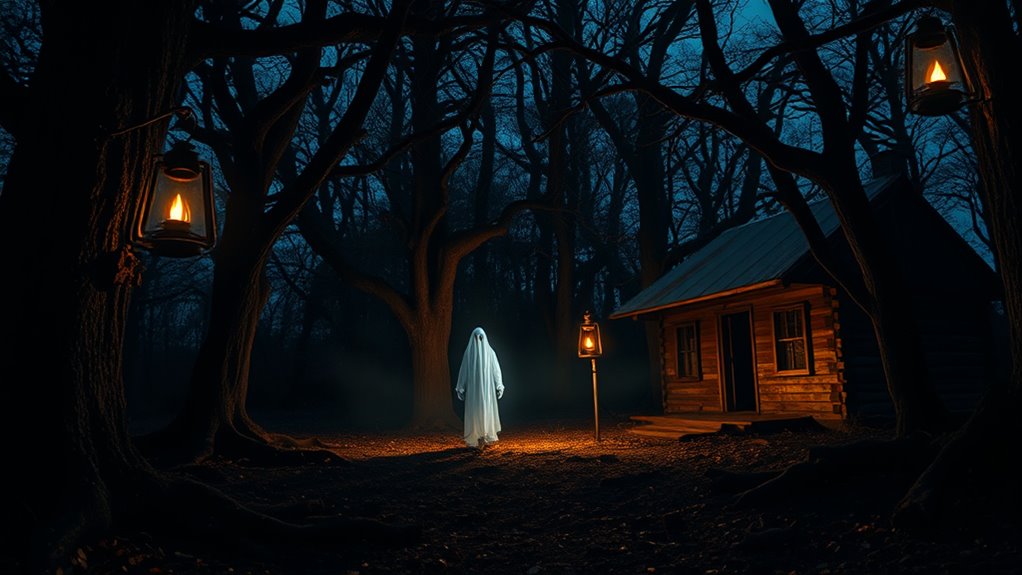
Since fear has been fundamentally essential to human survival, our ancestors developed automatic responses to threats that still influence us today. When you sense danger, your body activates the fight-or-flight response, releasing adrenaline and preparing you to react quickly. This response is deeply ingrained, helping early humans escape predators or confront threats. Over time, these reactions became hardwired into your brain, making you react instinctively to perceived dangers, even if they’re not real. In paranormal situations, this evolutionary trait can cause your mind to interpret ambiguous stimuli as threatening or supernatural, fueling fear. These primal responses are automatic, bypassing conscious thought, which is why you often feel fear before fully understanding the situation. Essentially, your fear response is a legacy of your survival instincts.

WDphouly Affirmation Cards for Women, 120 Positive Affirmation Cards (6 Themes), Daily Affirmations for Inspiration, Mindfulness & Self Care, Uplifting Gift for Women
POWERFUL AFFIRMATIONS – These positive affirmation cards are simple yet profoundly effective. Tap into your hidden power through…
As an affiliate, we earn on qualifying purchases.
As an affiliate, we earn on qualifying purchases.
The Role of Cognitive Biases in Paranormal Perception

Your mind’s natural tendencies can shape how you interpret ambiguous or unusual experiences, especially in paranormal situations. Cognitive biases, like confirmation bias, make you notice evidence that supports your beliefs while ignoring contradicting information. If you already believe in ghosts, you’re more likely to interpret strange noises or shadows as paranormal, overlooking logical explanations. Similarly, the availability heuristic causes you to judge the likelihood of paranormal events based on recent or vivid memories, making such experiences seem more frequent or believable. These biases act as mental shortcuts, filtering your perceptions and reinforcing your beliefs. Recognizing how cognitive biases influence your interpretations helps you understand why paranormal experiences often feel so convincing, even when they have rational explanations. Additionally, contrast ratio plays a role in how vivid or realistic an experience appears, influencing your perception of its authenticity.

Dunzy Ghost Hunting UV Flashlight, Ghost Hunting Equipment, 51 LED Light Handheld Black Light for Investigation Paranormal Equipment for Home Office Outdoor Inspections Gifts
UV Flashlight: you'll receive a UV flashlight to enhance your ghost-hunting experience; This indispensable tool helps you uncover…
As an affiliate, we earn on qualifying purchases.
As an affiliate, we earn on qualifying purchases.
How Cultural Beliefs Shape Fear of the Unknown
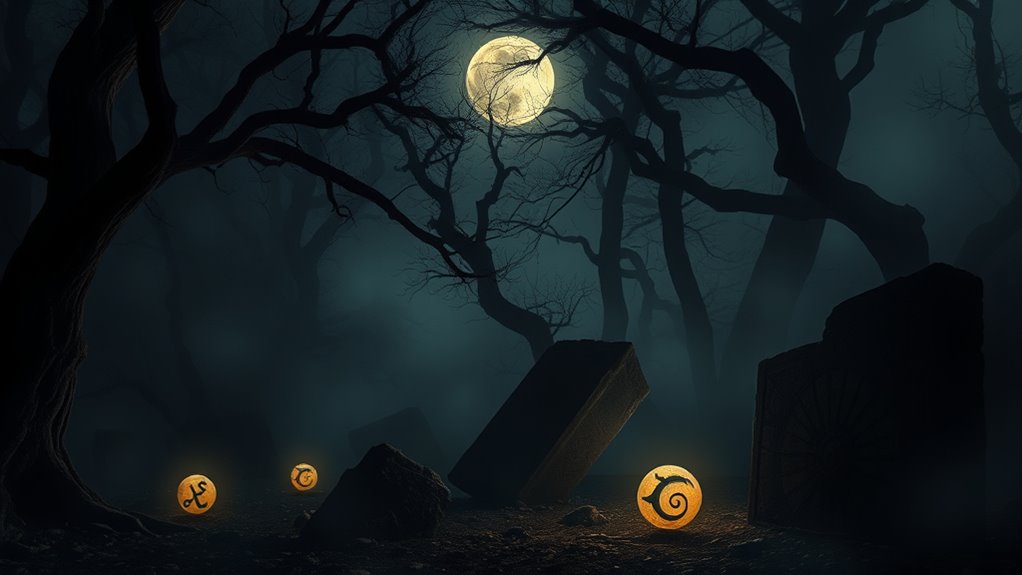
Your cultural background influences how you perceive and fear the unknown, often rooted in historical events and shared stories. Symbols and myths passed through generations shape your instincts and reactions to paranormal ideas. Understanding these influences helps explain why some fears feel universal while others are culturally specific. Additionally, familiar objects like self-watering plant pots can symbolize safety or neglect, reflecting subconscious attitudes toward care and control in your environment.
Historical Influences on Fear
Cultural beliefs throughout history have profoundly shaped how societies perceive and respond to the unknown, often fueling fears associated with paranormal phenomena. In ancient times, unexplained events were often seen as divine signs or punishments, which heightened fear and superstition. During the Middle Ages, the rise of religious influence cast spirits and witches as malevolent forces, intensifying societal panic. The Enlightenment brought skepticism, yet fears persisted through folklore and tales that reinforced mysterious threats. These historical narratives created a collective mindset that linked the supernatural with danger, influencing how individuals interpret strange experiences. Over time, such beliefs have embedded themselves into cultural memory, shaping modern fears and perceptions about the paranormal, even as scientific understanding advances. Additionally, cultural memory plays a significant role in maintaining these fears across generations.
Cultural Symbols and Myths
Symbols and myths deeply influence how societies perceive and fear the unknown, often shaping our reactions to paranormal phenomena. These cultural beliefs embed fears into collective consciousness, making certain symbols or stories powerful triggers for fear. For example, ghosts or demons are often linked to specific symbols that evoke dread. Recognizing these connections can help you understand why some experiences feel more terrifying based on cultural context. The table below illustrates how symbols and myths reinforce fear across cultures:
| Cultural Symbol | Associated Myth or Fear |
|---|---|
| Black Cats | Bad luck, witches |
| Crosses | Protection or evil spirits |
| Owls | Omens of death |
| Red Eyes | Malevolent spirits |
These symbols shape your perceptions, amplifying fear and shaping your paranormal experiences. Understanding the role of cultural symbols in shaping fear can also be enhanced by recognizing how collective consciousness influences societal reactions to the unknown.

The Science of Fear: How the Culture of Fear Manipulates Your Brain
As an affiliate, we earn on qualifying purchases.
As an affiliate, we earn on qualifying purchases.
The Impact of Personal Experiences on Fear Levels
Your personal memories can strongly influence how afraid you feel in paranormal situations. If you’ve had a frightening experience before, it might amplify your fear the next time you encounter something unusual. Conversely, different emotional responses can cause your fear levels to vary greatly from one experience to another. Additionally, understanding essential oils associated with calming effects might help in managing anxiety during such encounters.
Personal Memory Influence
Personal memories play a crucial role in shaping how fear manifests during paranormal encounters. Your past experiences, especially those linked to trauma or unresolved emotions, influence how intensely you react when faced with the unknown. If you’ve previously encountered something unsettling, your memory can amplify fear responses, making the experience feel more threatening. Conversely, positive or neutral memories may lessen fear or even provide a sense of familiarity, reducing anxiety. Your brain draws on these memories to interpret ambiguous stimuli, often filling gaps with fear-inducing associations. This personal memory influence can heighten your emotional response, making the experience feel more real and immediate. Recognizing how your memories shape your fear responses allows you to better understand and manage your reactions during paranormal situations. Additionally, vetted products can help create a calming environment that may reduce anxiety and fear responses.
Emotional Response Variability
Because past experiences shape how you interpret and react to paranormal stimuli, emotional responses can vary widely from person to person. If you’ve previously encountered frightening or unsettling events, you might feel intense fear or panic when faced with similar situations. Conversely, if you’ve had neutral or even positive encounters, your emotional response could be less severe or more curious. Personal beliefs and cultural background also influence how you perceive paranormal activity, affecting your fear levels. Some might feel an adrenaline rush or excitement, while others may experience dread. This variability stems from your unique history and mindset, highlighting that fear isn’t universal but deeply personal. Your emotional response is shaped by a complex interplay of memories, expectations, and perceptions, and understanding the psychological mechanisms behind these reactions can help you better process paranormal experiences.
The Influence of Media and Popular Culture
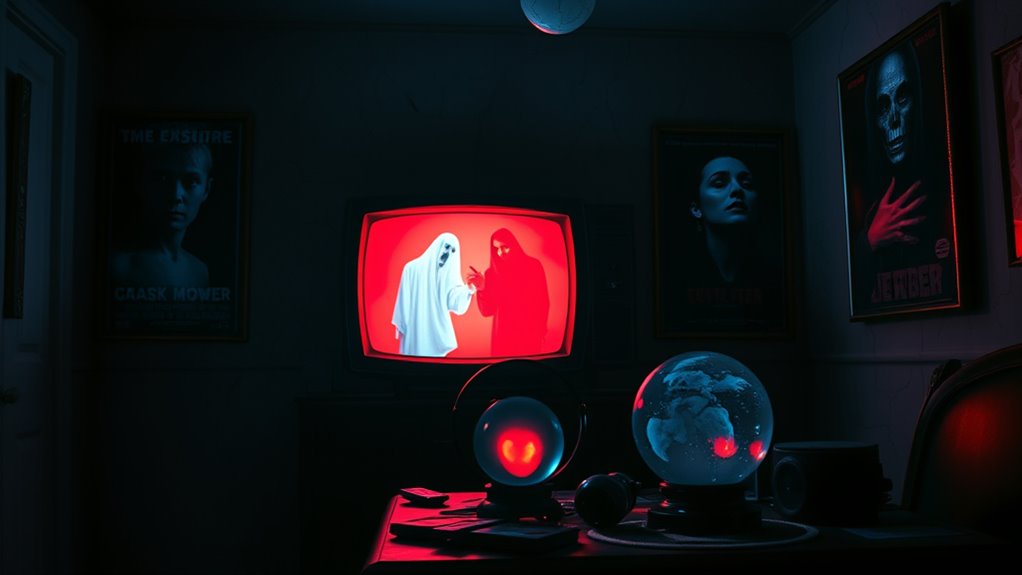
Media and popular culture play a powerful role in shaping how you perceive and experience fear in paranormal contexts. Horror movies, TV shows, and books often dramatize supernatural events, making them seem more plausible and terrifying. When you watch or read these stories, your mind absorbs vivid images and narratives that can heighten your sensitivity to paranormal cues. Repeated exposure to sensationalized accounts creates associations between ordinary phenomena and supernatural threats, amplifying your fear responses. Additionally, cultural symbols and stereotypes influence how you interpret strange experiences, often leading you to see them as paranormal rather than explainable by science. This media-driven framing can reinforce beliefs, making you more prone to fear when encountering ambiguous or unexplained events in real life. Moreover, understanding resources and tools available for exploring paranormal experiences can help differentiate between fiction and reality, reducing unwarranted fear.
Psychological Factors Behind Skepticism and Curiosity
While media shapes how you perceive paranormal phenomena, your psychological makeup also influences your reactions. If you’re naturally skeptical, you tend to question unexplained events, seeking logical explanations before accepting anything supernatural. Curiosity, on the other hand, drives you to explore the unknown, pushing you past doubts and encouraging open-mindedness. Your personal experiences, beliefs, and cognitive biases shape whether you approach paranormal claims with suspicion or fascination. For instance, a desire for certainty can fuel skepticism, while a thirst for discovery sparks curiosity. These psychological factors influence how you interpret ambiguous stimuli—whether dismissing or investigating strange occurrences. Your mindset acts as a filter, coloring your responses to paranormal stimuli based on internal traits rather than external evidence alone. Understanding psychological factors can help explain individual differences in paranormal experiences and reactions.
The Neurobiology of Fear in Paranormal Situations
When you encounter an unexplained noise or sighting, your brain activates specific neural pathways that generate the intense feeling of fear. This response involves the amygdala, which processes threats and triggers adrenaline release, heightening your senses. Your sympathetic nervous system kicks in, increasing heart rate and blood flow to muscles, preparing you to fight or flee. The hippocampus assesses the situation, linking it to past experiences or fears, while the prefrontal cortex evaluates the threat’s significance. These processes combine to create the visceral sensation of fear. Activation of the amygdala and hypothalamus, release of stress hormones like adrenaline and cortisol, heightened sensory perception and alertness, memory retrieval linked to past threats, and rapid physiological reactions preparing you for action. Additionally, the neurobiology of fear involves complex interactions between these brain regions to produce the intense emotional and physical responses associated with threatening or paranormal situations.
Strategies for Managing Fear During Paranormal Encounters
Facing paranormal encounters can trigger intense fear, but having effective strategies can help you stay calm and regain control. First, focus on your breathing—deep, slow breaths can reduce anxiety and help you think clearly. Remind yourself that fear is a natural response, and that you’re safe in this moment. Ground yourself by identifying physical sensations, like feeling your feet on the ground or holding onto a solid object. Use positive self-talk to counteract irrational thoughts, reinforcing that you can handle the situation. If possible, remove yourself from the environment or seek support from someone you trust. Remember, staying composed allows you to think more clearly, making it easier to manage your fear and respond effectively.
Frequently Asked Questions
How Do Individual Differences Affect Fear Responses to Paranormal Events?
Your individual differences shape how you respond to paranormal events. If you’re naturally more anxious or have a vivid imagination, you’re more likely to feel intense fear. Conversely, if you’re skeptical or have a calm demeanor, you might dismiss or downplay the experience. Past experiences, cultural background, and personality traits all influence your perception and emotional reaction, making your fear response unique to you.
Can Fear of the Paranormal Serve as a Protective Psychological Mechanism?
Yes, fear of the paranormal can act as a protective mechanism. It prompts you to stay cautious and avoid potentially dangerous situations or places associated with negative experiences. This fear heightens your alertness, helping you recognize threats and respond accordingly. By doing so, it keeps you physically and psychologically safe, encouraging you to trust your instincts and stay away from harm’s way.
What Role Does Childhood Trauma Play in Paranormal Fear Experiences?
Childhood trauma can profoundly shape your fear of the paranormal, as traumatic experiences often trigger deep-seated fears and anxieties. When you encounter unsettling stories or sights, your mind may magnify these memories, mixing real trauma with supernatural suspicions. This psychological pairing predisposes you to perceive paranormal events as personal threats, fueling fear. Recognizing this link helps you understand your reactions, enabling you to confront and cope with your fears more effectively.
How Do Sleep Paralysis and Hallucinations Influence Paranormal Fears?
Sleep paralysis and hallucinations can intensify your fears of the paranormal by making you feel trapped or overwhelmed. During sleep paralysis, you might see or sense strange entities, which amplifies your terror. Hallucinations can distort reality, making you believe in supernatural presence. These experiences trick your mind into perceiving threats that aren’t real, encouraging your fears to grow and fueling your belief in paranormal activity.
Are There Genetic Factors That Predispose Individuals to Fear the Supernatural?
Yes, genetic factors can influence your susceptibility to fear the supernatural. Your genes may affect your brain’s wiring, emotional responses, and tendency toward anxiety, making you more prone to paranormal fears. If your family has a history of anxiety or fear-related traits, you’re more likely to experience heightened fear of supernatural phenomena. While genetics play a role, your environment and experiences also shape how you perceive and respond to these fears.
Conclusion
Remember, understanding the psychology behind your fears can help you stay grounded during paranormal encounters. While it’s natural to feel scared, recognizing these influences allows you to manage your reactions better. Don’t be fooled into thinking that every unexplained experience is supernatural; your mind plays tricks on you. By staying curious and rational, you can face the unknown with confidence, turning fear into fascination rather than paralysis.