
Not all spirits are evil; across cultures, they serve a wide range of roles. Some are seen as benevolent protectors, ancestral guides, or natural forces, while others are considered unpredictable or dangerous if disrespected. Negative views often stem from misconceptions or folklore that exaggerate malevolence. Understanding different cultural perspectives reveals that spirits often reflect human hopes, fears, and respect. Continue exploring to uncover how diverse beliefs shape our view of spirits and their true nature.
Key Takeaways
- Many cultures view spirits as neutral or benevolent, serving as protectors and ancestral guides rather than evil entities.
- Negative perceptions of spirits often stem from myths, misunderstandings, or cultural fears, not inherent malevolence.
- Spirits symbolize natural forces, moral lessons, or ancestral connections, reflecting human hopes and societal values.
- Different traditions recognize spirits as complex beings, with some acting protectively and others requiring rituals for appeasement.
- Modern perspectives increasingly see spirits as reflections of human feelings, making blanket labels of evil overly simplistic.
Top picks for "spirit evil cultural"
Open Amazon search results for this keyword.
As an affiliate, we earn on qualifying purchases.
Historical Perspectives on Spirits and Their Roles
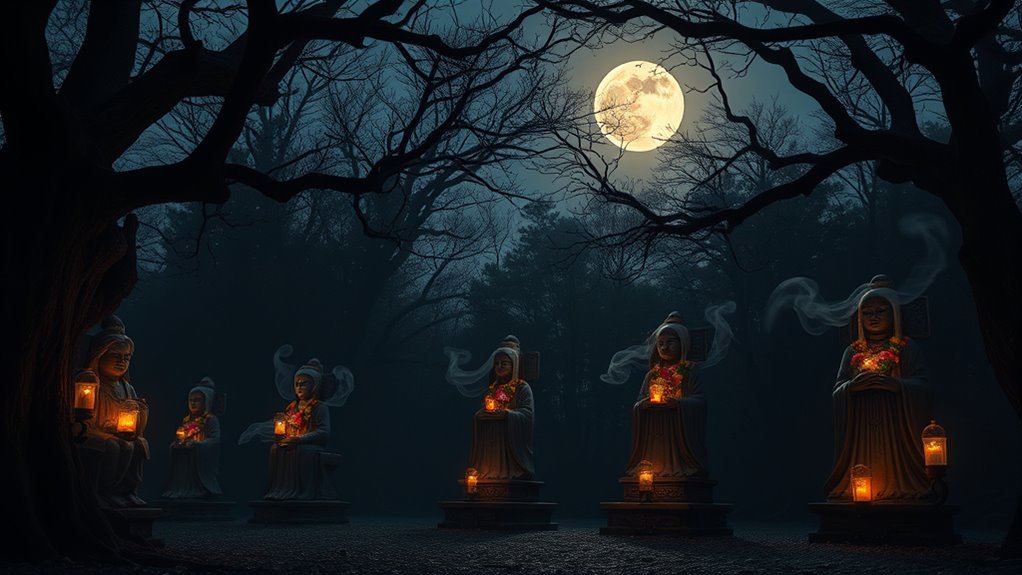
Throughout history, societies have viewed spirits through diverse lenses, shaping their roles and significance. In many cultures, spirits are seen as protectors or messengers connecting the living and the divine. Ancient civilizations like the Greeks and Romans believed spirits guided personal fate and honored ancestors, fostering community bonds. Conversely, some cultures regarded spirits as unpredictable or dangerous, requiring rituals to appease or ward them off. During the Middle Ages, spirits often symbolized moral lessons or fears, influencing religious practices. In Indigenous traditions, spirits embody natural forces and ancestral wisdom, emphasizing harmony with nature. These perspectives reveal that spirits were neither inherently good nor evil but served as reflections of societal values, fears, and hopes. Their roles evolved with cultural contexts, shaping how they’re perceived today. Recognizing the cultural significance of spirits helps us understand their complex roles across different societies and historical periods.
Cultural Interpretations of Benevolent and Malevolent Spirits

Cultural interpretations of spirits often reflect a society’s values and fears, shaping whether these beings are seen as benevolent protectors or malevolent threats. In some cultures, spirits are revered as guardians who ensure harmony and well-being, like ancestral spirits honored through rituals. Conversely, other societies view spirits as dangerous entities that cause illness or misfortune if disrespected. These perceptions influence daily practices, rituals, and taboos, guiding how people interact with the unseen world. You might find that some traditions emphasize appeasing spirits to maintain social order, while others dread malevolent spirits lurking to punish moral failings. Additionally, the spiritual symbolism associated with different spirits often reinforces societal norms and moral values. Overall, these interpretations reveal a society’s hopes, anxieties, and moral outlooks, coloring how spirits are integrated into cultural identity and communal life.
Mythology and Folklore: Spirits as Protectors and Ancestral Guides

In many mythologies and folk traditions, spirits are celebrated as protectors and guides who uphold community well-being and honor ancestors. You might encounter stories where spirits act as guardians, offering wisdom, safety, or aid during difficult times. These spirits often represent the enduring connection between the living and the departed, serving as ancestral guides who guarantee traditions are preserved. In some cultures, spirits are seen as benevolent entities that ward off evil and bring blessings. Their presence reinforces cultural values and provides a sense of continuity across generations. Rather than being malevolent, these spirits embody protection, guidance, and respect for the cycle of life and death. Their roles highlight a view of spirits as integral, positive forces within cultural narratives. Embracing a positive perception of spirits can foster mental resilience and deepen cultural understanding.
Modern Views and Misconceptions About Spirit Entities
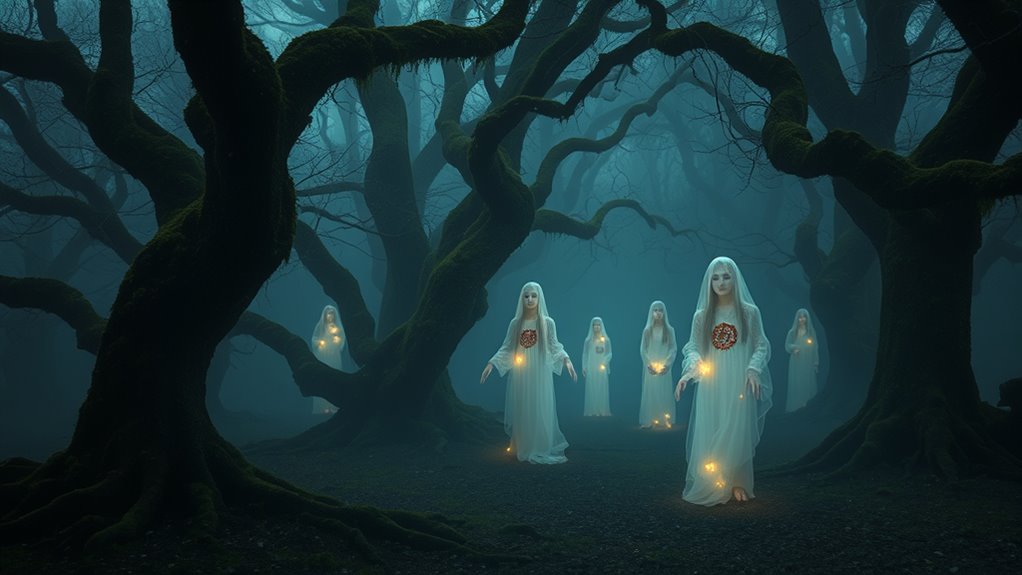
Many people today mistakenly see spirits solely as malevolent or dangerous entities, influenced by popular media and horror stories. This misconception oversimplifies their true nature. In reality, many cultures view spirits as neutral or even helpful beings, guiding and supporting us. Media often sensationalizes spirits as evil to evoke fear, but this isn’t accurate for all traditions. Here’s a quick look at common misconceptions:
| Misconception | Reality | Cultural Examples |
|---|---|---|
| Spirits are always evil | Many are benign or protective | Ancestor spirits in Asia |
| Spirits cause harm | Some are neutral or benevolent | Guardian spirits in Africa |
| All spirits are ghosts | Spirits can be ancestors, nature, or deities | Nature spirits in Indigenous cultures |
| Spirits are frightening | Many bring comfort or guidance | Spirit guides in shamanism |
| Spirits are unpredictable | Many are understood and respected in traditions | Native American practices |
Additionally, understanding the types of spirits recognized across cultures can help dispel fears and promote respect for their roles.
Rethinking the Nature of Spirits: Are They Truly Evil?

Are spirits inherently evil, or is that a misconception fueled by fear and sensational stories? Many cultures see spirits as neutral or even helpful entities, not malicious beings. Often, negative perceptions stem from misunderstandings or stories that exaggerate encounters. Some spirits are believed to guide, protect, or serve as messengers, not harm. Their actions depend on context, cultural beliefs, and individual perceptions. It’s important to question whether labeling all spirits as evil oversimplifies complex traditions. By rethinking their nature, you realize that spirits aren’t inherently good or bad—they reflect human feelings, fears, and hopes. Considering this, you may see spirits less as threats and more as parts of a broader spiritual landscape that deserves understanding rather than fear. Arcade Machine technologies demonstrate how specialized hardware and performance optimization can influence user experiences, much like how cultural perceptions shape our understanding of spirits.
Frequently Asked Questions
How Do Different Cultures Define the Morality of Spirits?
Different cultures see spirits as either benevolent or malevolent based on their beliefs and traditions. You might find spirits viewed as protectors in some societies, guiding and assisting people. In others, spirits can be mischievous or dangerous, demanding respect or offerings. Cultural stories shape these views, influencing how you interact with spirits—whether with reverence, caution, or celebration. Morality depends on cultural context and spiritual beliefs.
Are There Scientific Explanations for Spiritual Encounters?
Scientific explanations for spiritual encounters suggest they’re often rooted in psychological or neurological factors. You might experience these encounters due to heightened emotions, stress, or sleep paralysis, which can create vivid, otherworldly sensations. Some researchers propose that the brain’s activity, especially in areas related to perception and belief, can produce these experiences. While science doesn’t confirm spirits, it offers plausible reasons for why you might feel like you’ve encountered one.
Can Spirits Change From Malevolent to Benevolent Over Time?
Yes, spirits can change from malevolent to benevolent over time. You might find that their behavior shifts as they evolve or as your relationship with them deepens. Sometimes, spirits respond to your intentions, actions, or energy, becoming more helpful or protective. Keep an open mind and stay respectful; these changes often depend on your interactions and the spirit’s own journey, guiding them toward positive transformation.
What Role Do Spirits Play in Mental Health and Well-Being?
Spirits can influence your mental health and well-being, often serving as sources of comfort or guidance. If you believe in spirits, they might help you find peace or motivate you during tough times. However, negative or malevolent spirits can contribute to anxiety or fear. Recognizing your feelings and cultural beliefs helps you understand how spirits impact your mental state, allowing you to seek support or healing when needed.
How Have Modern Media Influenced Perceptions of Spirits’ Morality?
Have you ever wondered how movies and TV shows shape what you think about spirits? Modern media often paints spirits as either evil villains or friendly helpers, influencing your perceptions deeply. These portrayals can make you fear or trust spirits based on fictional stories rather than cultural truths. You might ask, does this media-driven image reflect reality or just create stereotypes? Ultimately, it’s your understanding that’s shaped by what you consume.
Conclusion
You might be surprised to learn that 65% of cultures worldwide see spirits as protectors rather than threats. This suggests that not all spirits are evil—in fact, many serve as guiding ancestors or guardians. By understanding different cultural views, you can see spirits beyond the simple label of good or evil. Rethink what you’ve been told; spirits aren’t necessarily malevolent, and exploring their roles might just change how you view the unseen world around you.