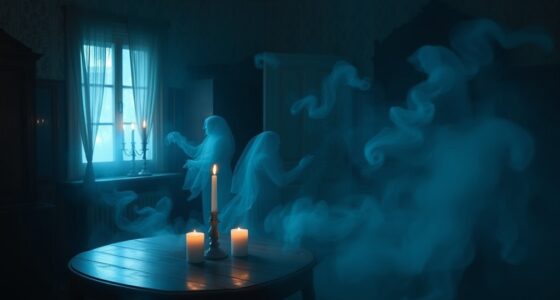
During sleep paralysis, your brain remains partially alert while your body stays immobile, often leading to vivid hallucinations of ghostly figures or presences. These experiences happen because of disrupted sleep cycles, altered sensory processing, and emotional factors like fear or stress. Cultural beliefs also influence how you interpret these encounters, making them seem like supernatural visits. If you keep exploring, you’ll discover how science explains these eerie episodes and their cultural meanings.
Key Takeaways
- Sleep paralysis involves hallucinations of shadowy figures or presences, often interpreted as ghosts or spirits.
- The feeling of a “presence” during paralysis results from misfiring in the brain’s temporal lobe.
- Cultural beliefs influence whether individuals interpret paralysis experiences as supernatural encounters.
- Heightened fear and anxiety during episodes amplify the perception of ghostly or paranormal entities.
- The brain’s attempt to interpret unfamiliar sensations during sleep paralysis can produce vivid, realistic “ghost” encounters.

Kolbs Bed Wedge Pillow for Sleep Apnea, FSA Eligible Acid Reflux, and Back Pain Relief, with Chic Jacquard Cover – Headboard Wedges for Sleeping (Standard Width 7.5" Height)
FSA Eligible. Experience unparalleled comfort with our sleep apnea pillow, designed to elevate your upper body and improve…
As an affiliate, we earn on qualifying purchases.
As an affiliate, we earn on qualifying purchases.
Understanding the Mechanics of Sleep Paralysis

Sleep paralysis occurs when your mind wakes up before your body can fully regain control, leaving you temporarily unable to move or speak. During this state, your brain is partially alert but your muscles remain paralyzed, a natural mechanism to prevent acting out dreams. This paralysis happens because the changeover between sleep stages, especially REM sleep, is disrupted. Normally, your body suppresses muscle activity during REM to prevent physical movements, but in sleep paralysis, this suppression persists after waking. As a result, you experience a disconnect between your consciousness and physical state. This phenomenon can last from a few seconds to several minutes. Understanding this process helps you realize that sleep paralysis is a natural, though often unsettling, part of sleep regulation. Additionally, the sensation of a ‘presence’ or ‘shadow figure’ during episodes is often linked to vetted the hallucinations associated with sleep paralysis.

Earth Therapeutics R.E.M. Sleep Mask: New! Allows for Crucial Lid Movement (Unlike Flat Masks)
SPECIALLY MOLDED – Our Earth Therapeutics R.E.M Sleeping Mask offers a specially molded mask to contour away from…
As an affiliate, we earn on qualifying purchases.
As an affiliate, we earn on qualifying purchases.
Common Visual and Auditory Hallucinations During Episodes

During sleep paralysis episodes, you might see shadowy figures lurking in the corner of your vision or hear unsettling voices calling your name. These hallucinations often feel vivid and dreamlike, blurring the line between wakefulness and sleep. Understanding these common visual and auditory experiences can help demystify what’s happening during these frightening encounters. Additionally, emotional regulation can be disrupted during sleep paralysis, intensifying feelings of fear and helplessness.
Shadowy Figures Appear
Many people experiencing sleep paralysis report seeing shadowy figures that seem to lurk just beyond their line of sight. These figures often appear as dark silhouettes or humanoid shadows, intensifying feelings of fear and helplessness. Sometimes, they seem to watch you silently, heightening the sensation of being observed. These visions can be fleeting or linger for minutes, often leaving an impression of malevolence or mystery. The table below highlights common characteristics of these shadowy figures:
| Feature | Description | Effect on Experience |
|---|---|---|
| Appearance | Dark, undefined shapes | Creates fear and confusion |
| Movement | Still or slow, sometimes sudden | Heightens alarm and unpredictability |
| Interaction | Often silent, sometimes invasive | Raises feelings of threat or vulnerability |
| Location | Near the bed or in peripheral vision | Enhances the feeling of being watched |
Unsettling Auditory Voices
Have you ever heard voices that seem to come from nowhere while trapped in sleep paralysis? These unsettling auditory hallucinations can feel incredibly real. You might notice:
- Voices whispering your name or speaking in strange languages
- Sudden loud noises like banging or shouting
- Echoes that seem to bounce around your room
- Conversations with unseen entities, leaving you confused and frightened
These sounds often appear without warning, intensifying your fear and sense of helplessness. They can be fleeting or persistent, making it hard to distinguish real from hallucinated. While terrifying, these auditory experiences are common during sleep paralysis episodes and are part of the brain’s distorted perception during these moments. Color accuracy impacts how vivid and realistic these hallucinations may seem, adding to their unsettling nature.
Vivid, Dreamlike Images
As the unsettling sounds of voices fade, vivid, dreamlike images often take their place, blurring the line between reality and imagination. You might see shadowy figures lurking in the corner or a glowing figure standing silently. The images can be startling or strangely beautiful, like scenes from a dream. Colors may seem more intense, and shapes may distort or multiply. Sometimes, you hear whispers or distant melodies echoing through the darkness. These hallucinations feel real, yet they’re fleeting and surreal. To help visualize, consider this table:
| Image Type | Description | Sensory Experience |
|---|---|---|
| Shadowy Figures | Dark silhouettes with vague features | Cold, ominous presence |
| Glowing Entities | Bright, ethereal beings | Soft, calming light |
| Distorted Scenes | Twisted familiar places | Disorienting, surreal |
| Whispering Voices | Faint voices or melodies | Eerie, haunting |
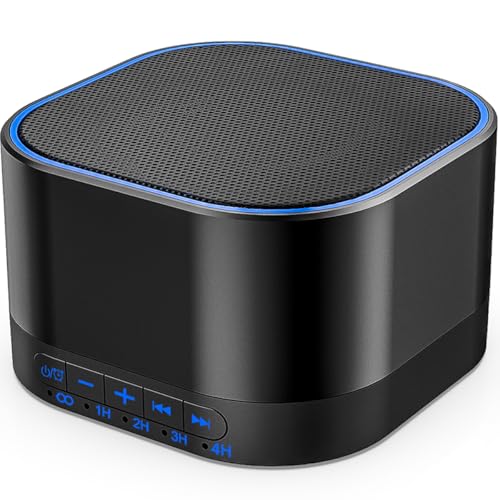
Magicteam White Noise Machine with 20 Non Looping Natural Soothing Sounds Memory Function 32 Levels of Volume Powered by AC or USB and Sleep Sound Timer Therapy for Baby Kids Adults Black
❤20 Non-Looping Sleep Sounds: White noise ,Brown noise, pink noise, blue noise, fan,brook, rain, ocean,bird and Bonfire,suitable for…
As an affiliate, we earn on qualifying purchases.
As an affiliate, we earn on qualifying purchases.
The Cultural Significance of Ghost Encounters in Sleep Paralysis
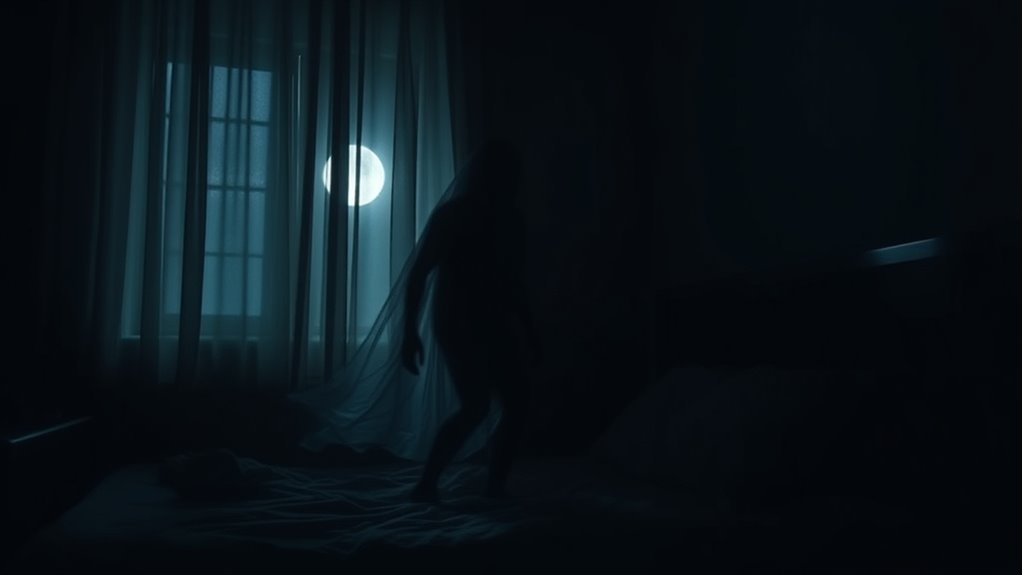
Throughout history, different cultures have interpreted ghost encounters during sleep paralysis in unique ways, often seeing them as spirits or supernatural signals. These beliefs shape how individuals understand and react to their experiences. Exploring these cultural views reveals much about how societies perceive life, death, and the unseen. For example, some cultures interpret these encounters as Polynesian symbols for strength, signifying resilience in facing the unknown.
Cultural Interpretations of Spirits
Different cultures interpret the terrifying spirits encountered during sleep paralysis in ways that reflect their unique beliefs and traditions. These encounters often embody cultural fears, values, or spiritual concepts. For example, some societies see these spirits as ancestral messengers, while others view them as malevolent demons. The way you interpret these visions influences your emotional response and cultural understanding. Here are some common cultural perspectives: 1. In Western cultures, spirits are often seen as ghosts or lost souls seeking closure. 2. In Japanese tradition, they might be interpreted as Yūrei—restless spirits haunted by injustice. 3. African cultures sometimes view these spirits as ancestral guardians or warnings. 4. Indigenous cultures may see them as spiritual guides or messengers from the spirit world. Recognizing the influence of cultural beliefs can help individuals contextualize and find meaning in their sleep paralysis experiences.
Historical Ghost Encounter Beliefs
Historical beliefs about ghost encounters during sleep paralysis reveal deep-rooted cultural meanings attached to these chilling experiences. Across different societies, these episodes were often seen as evidence of spirits, demons, or ancestral spirits visiting or warning the living. In medieval Europe, these encounters were linked to demonic possession or witchcraft, fueling fears of malevolent forces. In Japanese folklore, similar episodes were thought to be caused by vengeful spirits or yūrei, reflecting cultural attitudes toward death and the afterlife. Indigenous cultures worldwide viewed these experiences as communication with ancestors or spiritual guides. These interpretations shaped rituals, taboos, and societal responses to sleep paralysis, embedding ghost encounters into cultural identity and spiritual beliefs. Understanding these historical perspectives reveals how deeply intertwined sleep paralysis and ghost legends are across human history. Additionally, AI analysis of historical texts can uncover patterns in cultural narratives, providing insight into how societies have historically interpreted these supernatural encounters.
G Keni Nursery Night Light for Baby, Portable LED Touch Night Lamp for Kids and Adult, Breastfeeding, Sleep Aid, USB Rechargeable Nursing Lamp, Bedside Dimmable Warm Night Light, Soft Eye Caring
[ Touch Activated Night Light ] A simple short touch on the top of this LED bedside night…
As an affiliate, we earn on qualifying purchases.
As an affiliate, we earn on qualifying purchases.
The Psychological Factors Contributing to Supernatural Interpretations
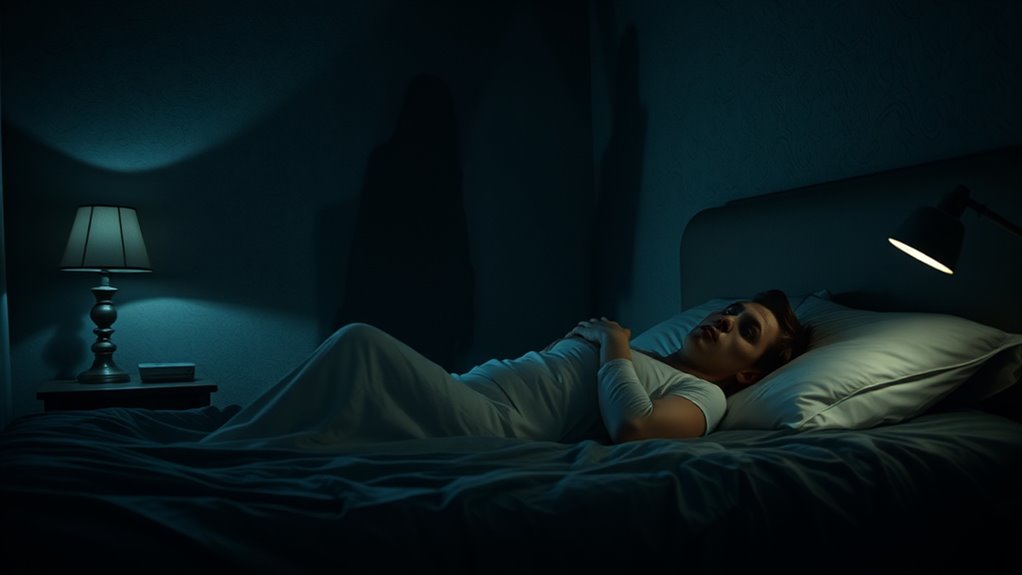
Psychological factors play a significant role in how you interpret sleep paralysis experiences as supernatural events. Your mind seeks explanations for these frightening sensations, often defaulting to supernatural beliefs. Several factors influence this process:
- Cultural Background: Your cultural stories and beliefs shape how you perceive strange encounters.
- Anxiety Levels: Higher anxiety can amplify fear, making supernatural explanations more tempting.
- Expectation and Suggestibility: If you’re primed to believe in ghosts, you’re more likely to interpret paralysis as paranormal.
- Personal Experiences: Past encounters or stories can bias you toward supernatural interpretations during sleep paralysis episodes.
- The Role of Creative Practice: Engaging in creative activities can influence how you process and interpret these experiences by fostering open-mindedness and resilience, which can help you reframe frightening episodes. Creative Practice
These factors combine to influence your perception, turning a physiological event into a perceived supernatural encounter.
The Brain’s Role in Creating Ghostly Apparitions
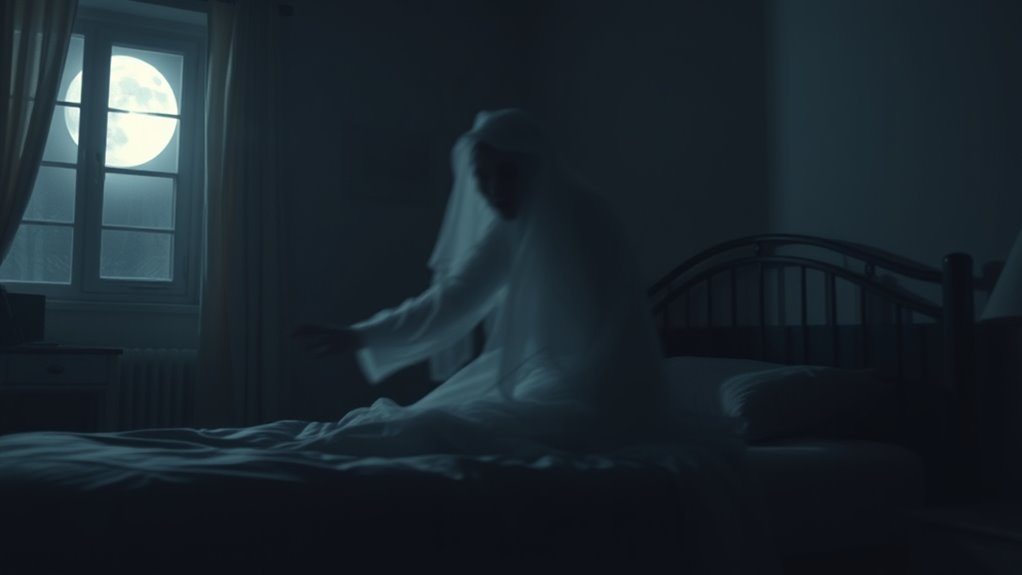
Your brain plays a central role in turning the physical sensations of sleep paralysis into vivid, ghostly apparitions. During sleep paralysis, your mind remains semi-conscious, with heightened activity in areas responsible for visual and emotional processing. This heightened activity can cause you to see shadowy figures or strange shapes that your brain interprets as ghosts. The brain also struggles to distinguish between dream imagery and reality, blurring the lines between waking perception and hallucination. Additionally, the amygdala, which processes fear, becomes hyperactive, amplifying feelings of terror and making these visions even more convincing. Your brain’s attempt to interpret unfamiliar sensations and emotional responses creates the eerie, otherworldly experiences often reported during sleep paralysis episodes. Understanding how the brain constructs these experiences can shed light on the phenomenon of hallucinations during sleep.
How Sleep Environment and Stress Influence Experiences
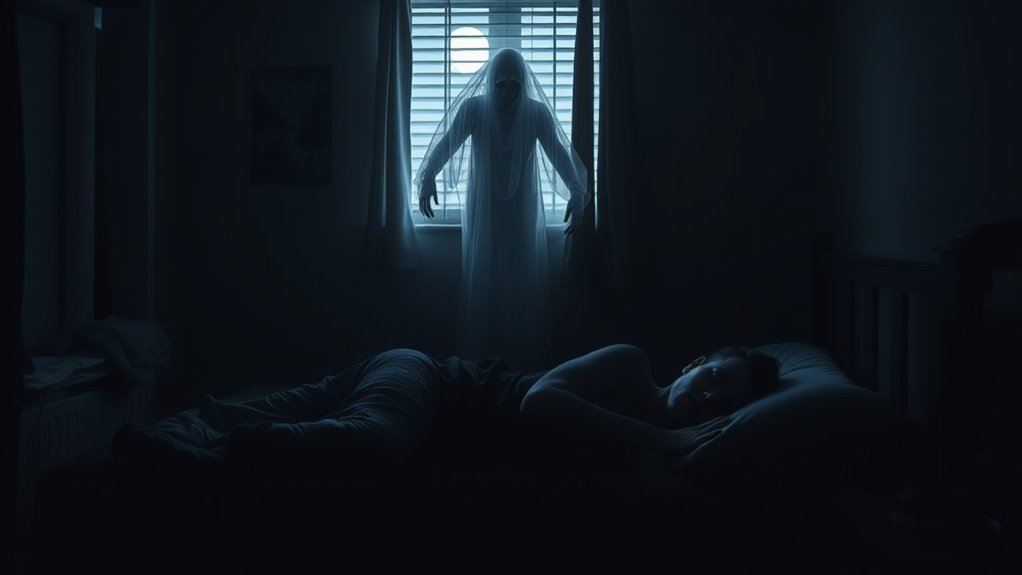
The environment you sleep in can considerably influence the likelihood and intensity of sleep paralysis and ghostly encounters. Stress, noise, and light exposure can all heighten your chances of experiencing these episodes. To help reduce the risk, consider these factors:
- Keep your sleeping area dark and quiet to promote deep, uninterrupted sleep.
- Manage stress through relaxation techniques before bed, like meditation or deep breathing.
- Avoid screens and bright lights at least an hour before sleep to prevent disruption of melatonin production.
- Maintain a consistent sleep schedule to help regulate your body’s internal clock.
- Using the right oil for airless sprayers can help ensure optimal functioning of your equipment, just as maintaining a calm sleep environment supports better rest.
Creating a calm, stable sleep environment can lower stress levels and diminish the frequency and vividness of sleep paralysis episodes, reducing the chances of frightening ghostly encounters.
Cross-Cultural Perspectives on Sleep Paralysis and Spirits
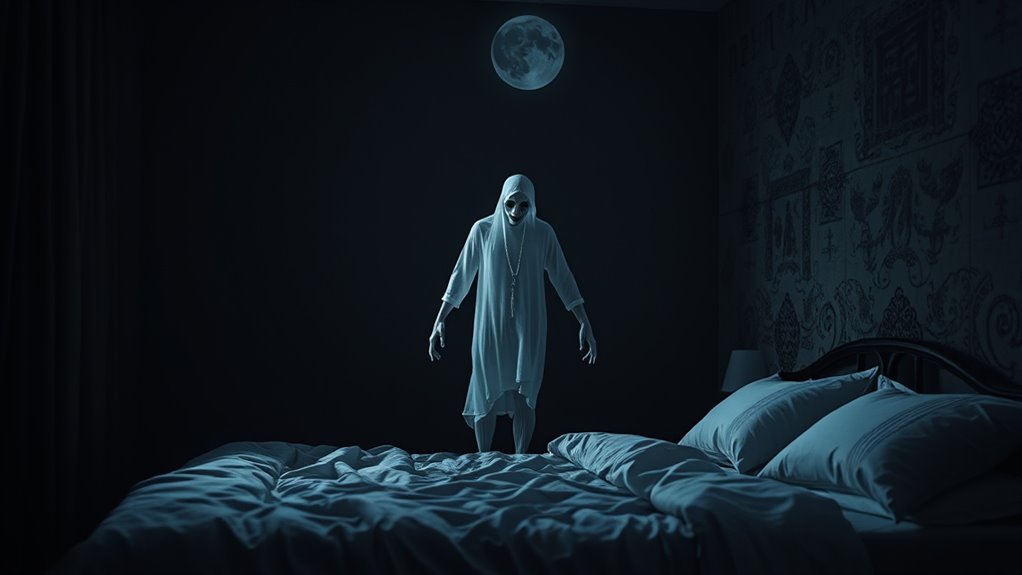
Across many cultures, sleep paralysis is often linked to spirits or supernatural beings, reflecting diverse beliefs about unseen forces. In some traditions, people see shadowy figures or demons during these episodes, interpreting them as malevolent spirits trying to communicate or harm. In Japan, sleep paralysis is associated with the “Kanashibari,” where spirits or ghosts immobilize sleepers, often linked to ancestral spirits or vengeful entities. In Latin America, encounters are sometimes seen as visits from spirits needing help or delivering messages. Indigenous cultures in Africa and Australia interpret these experiences as interactions with ancestors or spirits guarding or testing the sleeper. These cultural perspectives shape how individuals perceive and respond to sleep paralysis, blending supernatural explanations with their spiritual worldviews. Recognizing these cultural interpretations can help individuals better understand their experiences and reduce associated fears.
Scientific Explanations for the “Presence” Feelings
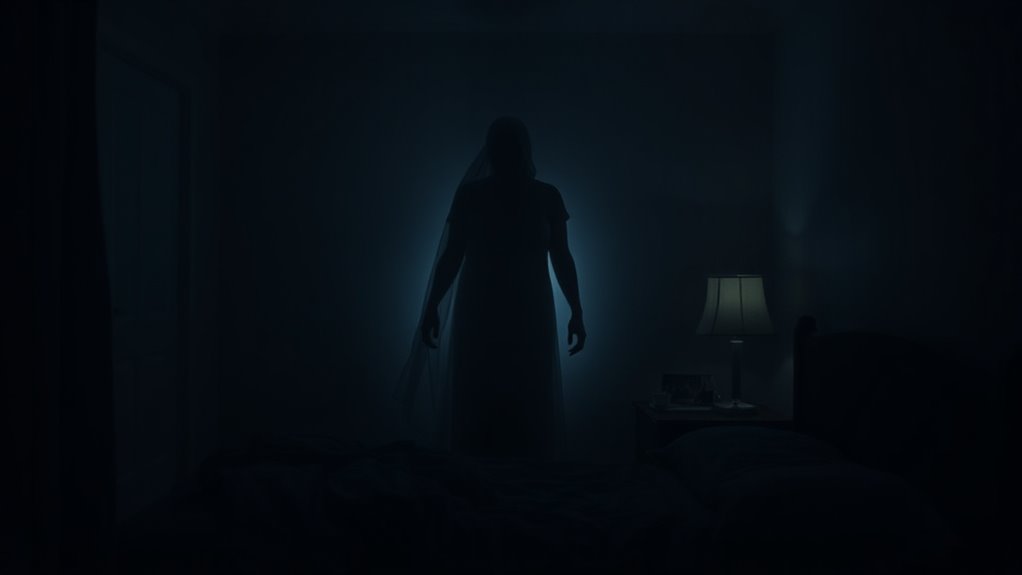
Scientific research suggests that the feelings of a “presence” during sleep paralysis result from a complex interplay of brain mechanisms. Your brain misinterprets signals, creating the sensation of someone or something nearby. This occurs because of disruptions in normal sensory processing and consciousness. Here are some key explanations:
- Misfiring of the Temporal Lobe: It can generate hallucinations resembling a “presence” or a figure.
- Altered Sensory Processing: Your brain interprets muscle atonia as a sign of danger, heightening alertness.
- Fear and Anxiety: These emotions amplify feelings of an unseen entity.
- Sleep State Dissociation: The shift between sleep stages causes vivid, realistic hallucinations.
Together, these factors craft the vivid “presence” that many experience during sleep paralysis episodes.
Implications for Recognizing and Managing Sleep Paralysis Experiences
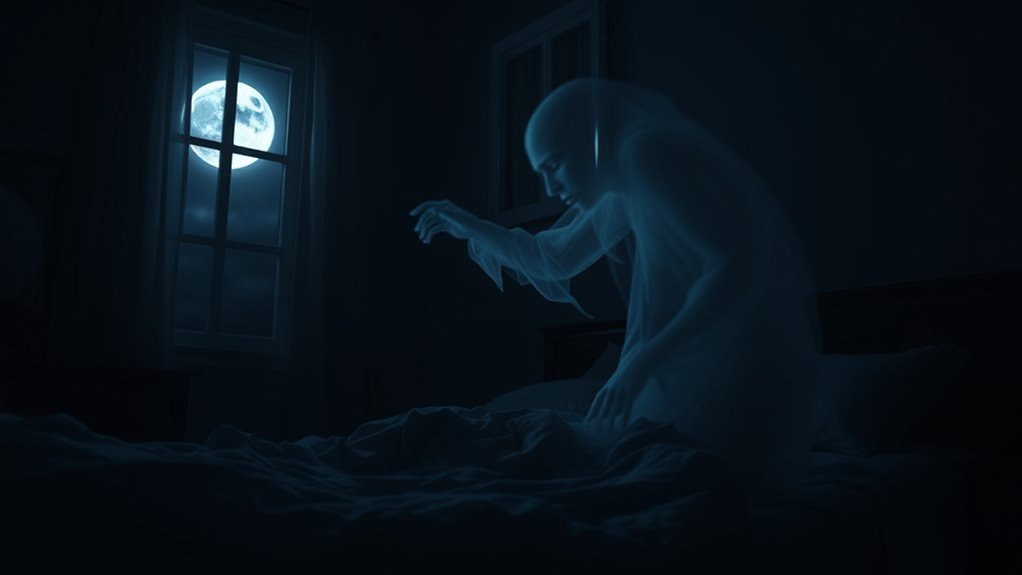
Recognizing sleep paralysis episodes can help reduce fear and confusion, allowing you to better manage the experience. When you identify the signs—such as a temporary inability to move, hallucinations, or a sense of pressure—you can approach the event calmly. Understanding that it’s a natural sleep phenomenon diminishes panic and helps you regain control. To aid recognition, consider these tips:
| Tip | Effect |
|---|---|
| Remain calm and breathe slowly | Reduces panic and anxiety |
| Remind yourself it’s temporary | Eases fear and distress |
| Practice good sleep habits | Prevents episodes |
| Educate yourself about sleep paralysis | Promotes understanding |
Frequently Asked Questions
Can Sleep Paralysis Be a Sign of Underlying Health Conditions?
Yes, sleep paralysis can indicate underlying health issues, such as sleep disorders like narcolepsy or insomnia, mental health conditions like anxiety or PTSD, and even certain medications. When you experience frequent or severe episodes, it’s important to consult a healthcare professional. They can help identify any underlying causes and develop a treatment plan to reduce your episodes and improve your overall sleep quality.
Are Certain Populations More Prone to Ghost-Related Sleep Paralysis Episodes?
Have you ever wondered why some people seem more haunted by sleep paralysis? Certain populations, like those under high stress, experiencing trauma, or with a family history of sleep disorders, are more prone to ghost-related episodes. If you’re part of these groups, you might notice vivid, frightening hallucinations during paralysis. Recognizing these factors can help you better understand and manage your experiences, making the shadows less intimidating.
How Do Personal Beliefs Influence Interpretation of Sleep Paralysis Experiences?
Your personal beliefs shape how you interpret sleep paralysis experiences. If you believe in spirits or ghosts, you’re more likely to see these episodes as supernatural encounters. Conversely, if you view them as biological or psychological phenomena, you’ll see them as sleep-related issues. Your cultural background, fears, and expectations influence your perception, making your interpretation deeply personal and subjective. This mindset can intensify or diminish the emotional impact of these episodes.
Is There a Genetic Component to Susceptibility to Sleep Paralysis?
Yes, genetics can influence your susceptibility to sleep paralysis. Research suggests that if family members experience it, you’re more likely to have episodes yourself. Specific genes related to sleep regulation and brain chemistry may play a role, making some individuals more prone. While environmental factors matter, your genetic makeup partly determines how often and intensely you might experience sleep paralysis. So, your family history could be a key factor.
Can Sleep Paralysis Be Completely Prevented or Cured?
No, sleep paralysis can’t be completely prevented or cured. While you can reduce its frequency by maintaining a consistent sleep schedule, managing stress, and avoiding stimulants before bed, you can’t eliminate it entirely. Think of it like weather—sometimes, despite your best efforts, storms still appear. Staying informed and practicing good sleep hygiene helps you manage episodes better, but total prevention remains unlikely.
Conclusion
As you drift through the shadowy domain of sleep paralysis, remember it’s a mind’s whisper, a fleeting shadow on the wall of consciousness. These ghostly encounters are stories your brain spins in the dark, blending science and culture into a haunting dance. By understanding this nocturnal performance, you can navigate the night’s mysteries with clarity. Embrace the shift, and let the dawn bring light to these fleeting, ethereal whispers of sleep.