
Not all orbs are paranormal; many are caused by natural factors like dust, pollen, insects, or moisture droplets reflecting light. Camera effects such as lens flare, internal reflections, or dirt on the lens can also produce orb-like artifacts. Environmental conditions, like fog or light pollution, contribute too. Recognizing differences—such as shape, movement, and consistency—helps identify natural causes. To understand what truly creates these mysterious visuals, you’ll find more details as you explore further.
Key Takeaways
- Many orbs are caused by environmental particles like dust, pollen, or moisture reflecting light, not paranormal activity.
- Camera artifacts such as lens flare, dust, or internal reflections often produce orb-like images unrelated to spirits.
- Variations in lighting, camera settings, and environmental conditions can create false positives that mimic paranormal orbs.
- Psychological biases and pattern recognition lead people to interpret natural phenomena as supernatural entities.
- Repeated orbs in the same location are more likely natural or environmental, not necessarily evidence of paranormal presence.
400x300mm DIY PC Case Dust Mesh Filter, 2Pack PVC Dustproof Mesh Filter Cover with Magnetic Strip for Computer PC Case
Effective Dust Protection for PC Longevity: This 400x300mm PVC mesh filter effectively blocks dust and debris from entering…
As an affiliate, we earn on qualifying purchases.
As an affiliate, we earn on qualifying purchases.
Common Natural Causes of Orbs in Photography
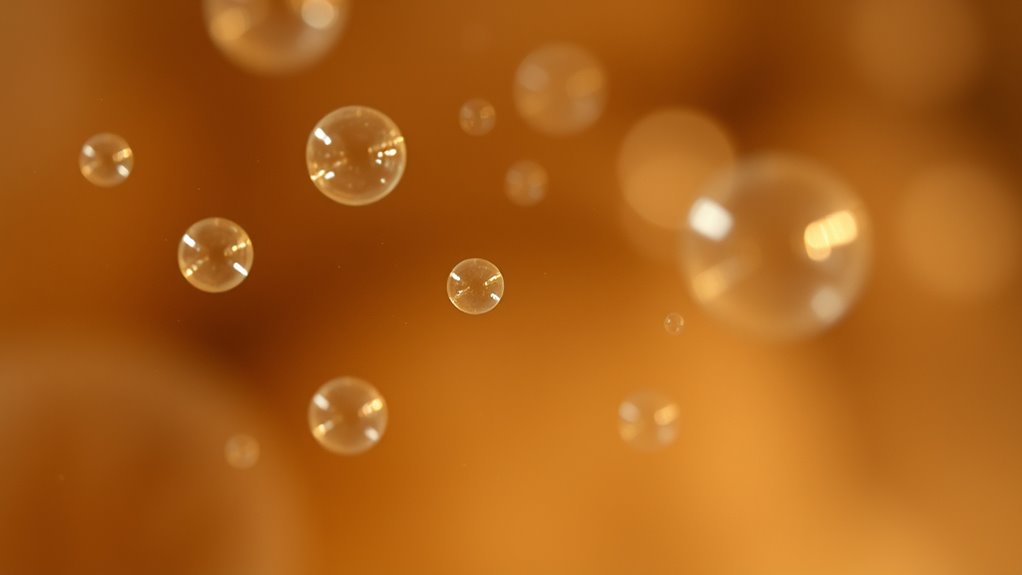
Many orbs captured in photographs are actually caused by natural factors rather than anything paranormal. Tiny particles like dust, pollen, or insects often reflect light from your camera’s flash or other light sources, creating bright spots that appear as orbs. Moisture droplets in the air, such as humidity or fog, can also produce similar effects when illuminated. Camera lens flare, caused by bright lights hitting the lens at certain angles, can generate orbs or circular artifacts. Additionally, scratches or smudges on the lens or camera sensor can reflect light in ways that mimic glowing orbs. These natural causes are common and easily explainable, making it important to examine your environment and equipment before jumping to supernatural conclusions. Understanding light reflection properties can help clarify how these optical artifacts form in different conditions.
lens flare reduction filters
As an affiliate, we earn on qualifying purchases.
As an affiliate, we earn on qualifying purchases.
The Role of Dust, Dirt, and Moisture
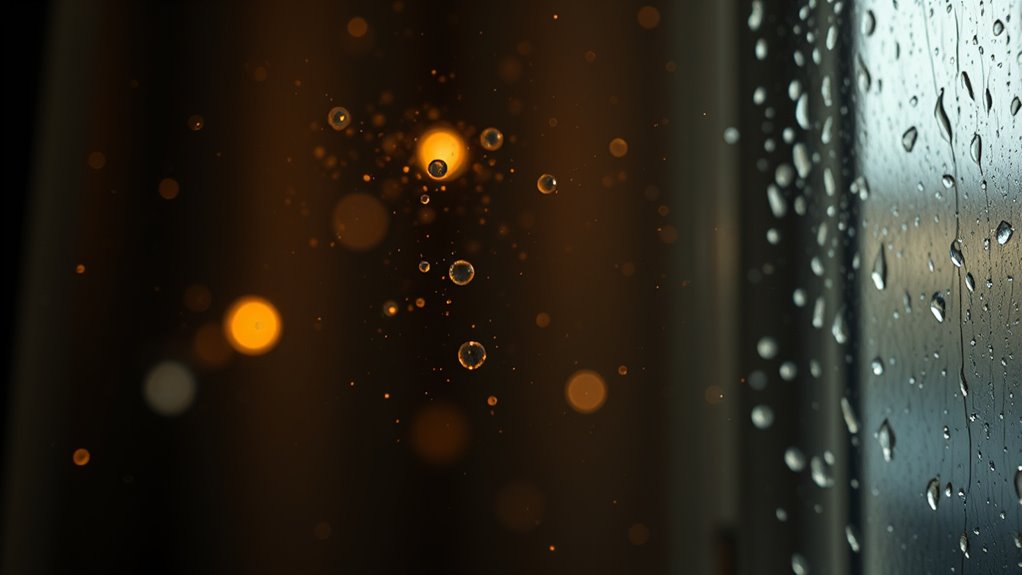
Dust, dirt, and moisture play significant roles in creating the appearance of orbs in photographs. When you take a picture, particles like dust or dirt floating in the air can reflect the camera’s flash, appearing as bright, circular spots—what many call orbs. Moisture, such as humidity or water droplets, can also refract light, producing similar effects. These tiny particles are often too small for the naked eye to notice, but the camera captures them clearly. If your environment is dusty or humid, you’re more likely to see orbs in your photos. Additionally, factors like air quality and proper maintenance of filters can influence the presence of airborne particles. Understanding that these elements can cause orb-like images helps you recognize that not every orb is paranormal. Instead, many are simply natural particles interacting with your camera’s light.
moisture and humidity camera sensor cleaner
As an affiliate, we earn on qualifying purchases.
As an affiliate, we earn on qualifying purchases.
How Camera Flashes Create Orb-Like Effects
Camera flashes can create orb-like effects because they produce a sudden burst of light that interacts with particles in the air. When the flash fires, it illuminates dust, moisture, or pollen nearby, causing these particles to reflect the light back to your camera. This reflection appears as bright, circular orbs in your photos. The size and shape of these orbs depend on particle size, distance, and camera settings. To better understand, consider this table:
| Particle Type | Effect in Photos | Common Locations | Size Range | Explanation |
|---|---|---|---|---|
| Dust | Bright, small | Indoors, outdoors | 0.1-2 mm | Reflects flash brightly |
| Pollen | Slight glow | Gardens, fields | 1-5 mm | Less reflective, larger particles |
| Moisture | Diffused glow | Humid areas | Varies | Causes soft, blurry orbs |
| Smoke | Ghostly shapes | Fires, kitchens | 1-3 mm | Creates semi-transparent orbs |
| Fibers | Faint spots | Indoor air | <1 mm | Often mistaken for paranormal orbs |
Understanding this helps you recognize that many orbs are just reflections of particles illuminated by your camera flash. This knowledge can also be applied when analyzing images to distinguish between natural effects and potential paranormal phenomena.

37mm+52mm Thread Macro Lens Fill Light (Only Light), Portable Phone Lens Ring Light with High Power 32 LED/CRI 95+/ 45 Light Modes, Lens Attachments for All 37mm+52mm Phone Lens/Filter/Camera Lens
【Revolutionary Designs】: The industry's first macro lens filler light that will enhance your smartphone photography! This compact, powerful…
As an affiliate, we earn on qualifying purchases.
As an affiliate, we earn on qualifying purchases.
Lens Reflections and Internal Artifacts
You might notice bright spots or shapes in your photos that aren’t truly in the scene. These often result from light reflecting off your lens or internal sensor artifacts caused by camera flaws. Understanding these effects helps you distinguish between real anomalies and camera-induced illusions. Recognizing sensor artifacts can prevent misinterpretation of your images.
Light Reflection Effects
Light reflection effects, such as lens reflections and internal artifacts, can create orbs that appear to float in photographs without any paranormal source. When light hits the camera lens at certain angles, it can bounce internally, producing bright spots or circles that resemble orbs. These reflections often occur with bright lights, fluorescent bulbs, or sunlight, especially if the lens is dirty or scratched. Internal artifacts, like dust or scratches on the lens or sensor, can also generate similar effects. These artifacts are often caused by camera optics and can be mistaken for paranormal phenomena. These orbs are usually uniform in shape, often circular or polygonal, and tend to appear close to the lens. Recognizing these reflection effects helps you distinguish between genuine paranormal orbs and those caused by camera optics, preventing false assumptions about supernatural activity.
Camera Lens Flaws
Lens flaws, such as reflections and internal artifacts, can produce orbs that are mistaken for paranormal phenomena. These flaws occur naturally within the camera lens or sensor, especially when taking photos in bright or varied lighting conditions. For example, internal reflections happen when light bounces between lens elements, creating circular or oval shapes that appear as orbs. Similarly, dust or smudges on the lens or inside the camera can cause light scattering, resulting in unintended artifacts. These flaws are often inconsistent, changing with different angles or lighting setups, making them unreliable indicators of paranormal activity. Understanding camera lens physics helps you distinguish between genuine anomalies and camera-induced artifacts, preventing misinterpretation of images and ensuring you don’t mistake lens flaws for supernatural phenomena.
Internal Sensor Artifacts
Internal sensor artifacts, including lens reflections and internal reflections within the camera body, can create misleading spots or shapes in your images that seem paranormal. These artifacts often appear as bright spots or strange shapes, especially when photographing bright lights or reflective surfaces. Recognizing these helps prevent misinterpretation of paranormal activity. Understanding camera mechanics is essential for identifying and differentiating genuine anomalies from camera-induced illusions.
The Impact of Light Pollution and Environmental Factors
Environmental factors like light pollution considerably influence what you see in the night sky. When artificial lights from cities and towns flood the area, they drown out faint celestial objects, making it harder to spot genuine phenomena. This excess glow can create reflections and glare that mimic or enhance the appearance of orbs in photos or videos. Additionally, environmental conditions like fog, haze, or moisture in the air can cause light to scatter, producing bright spots or orbs that aren’t paranormal. Wind-blown particles, dust, and insects can also reflect light from nearby sources, creating false positives in your observations. Recognizing these factors helps you understand that many orbs are simply environmental artifacts, not supernatural entities. Implementing proper HEPA filtration can reduce airborne particles and improve air clarity, minimizing false orbs caused by dust or insects.
Differences Between Genuine Evidence and Photographic Artifacts
Understanding the key differences between genuine paranormal evidence and photographic artifacts is essential when reviewing your observations. Recognizing these differences helps you avoid false conclusions. Here are three main points to consider:
Distinguishing real paranormal evidence from photographic artifacts prevents false conclusions and enhances your investigations.
- Origin: Genuine orbs result from paranormal activity or specific environmental conditions, while artifacts usually stem from camera flaws, reflections, or dust particles.
- Consistency: Authentic orbs often appear consistently in similar conditions or locations, whereas artifacts are random and vary from shot to shot.
- Appearance: Paranormal orbs tend to have a defined shape and subtle glow, while artifacts might look blurry, irregular, or have sharp edges caused by lens reflection or digital noise.
- Environmental Factors: Understanding the setting and conditions during a photograph can provide clues as to whether the orb is a genuine phenomenon or an artifact.
Tips for Identifying Authentic Paranormal Orbs
To identify authentic paranormal orbs, start by examining their appearance and behavior carefully. Genuine orbs often appear as soft, glowing circles with smooth edges and consistent brightness, unlike dust or bugs which tend to have irregular shapes or flickering. Look for orbs that move deliberately or seem to hover in place without erratic motion typical of insects or debris. Authentic orbs usually lack external distractions like reflections or lens flare and often appear in specific locations or during certain conditions, such as low light or heightened emotional moments. Take note of their size, color, and movement—paranormal orbs tend to maintain a stable form and may change in intensity but rarely flicker wildly. With keen observation, you can better differentiate between authentic paranormal phenomena and mundane artifacts. Additionally, understanding camera settings can help prevent misinterpretation of optical illusions as paranormal activity.
The Psychology Behind Perceiving Orbs as Supernatural
Your mind often fills in gaps based on what you expect to see, making you more likely to interpret ordinary orbs as supernatural. Cognitive biases can lead you to see patterns or faces where none exist, especially if you believe in paranormal activity. Your beliefs and assumptions shape how you perceive and interpret these visual cues.
Perception Biases in Sight
Perception biases play a significant role in how many people interpret orbs seen in photographs or in real life. Your mind naturally seeks patterns, especially in uncertain situations, which can lead you to see something familiar where there might be none. This tendency makes you more likely to interpret random visual phenomena as supernatural.
Consider these common biases:
- Confirmation Bias: You notice orbs more often when you believe in paranormal activity, reinforcing your expectation.
- Pattern Recognition: Your brain tries to make sense of ambiguous shapes, leading you to see faces or spirits.
- Selective Attention: You focus on specific details that support your beliefs, ignoring other explanations like dust or camera artifacts.
These biases shape your perception and can make ordinary visual cues seem extraordinary.
Cognitive Expectations and Beliefs
When you believe in the supernatural, your mind actively seeks evidence that supports those beliefs, making it easier to interpret ordinary orbs as proof of spirits or paranormal activity. Your expectations influence what you see, often filling in gaps or focusing on details that confirm your worldview. If you’re convinced that spirits cause orbs, you’re more likely to notice and interpret ambiguous lights or reflections as supernatural. This cognitive bias, known as confirmation bias, reinforces your beliefs and makes you more receptive to perceiving orbs as paranormal. Your prior beliefs shape your perception, leading you to interpret ordinary phenomena in a way that aligns with your worldview. Recognizing this psychological tendency can help you understand why orbs sometimes seem more meaningful than they actually are.
Scientific Investigations and Studies on Orb Phenomena
Scientific investigations into orb phenomena often focus on identifying natural explanations rather than assuming paranormal origins. Researchers examine common causes like dust, insects, reflections, or camera artifacts that produce orb-like images. They use controlled experiments and high-speed photography to analyze when and how orbs appear. This helps determine if lighting conditions or environmental factors are responsible, rather than supernatural activity.
Scientific studies show orbs result from dust, reflections, and camera effects, not paranormal activity.
Here are three key points from studies:
- Many orbs are caused by dust or insects close to the camera lens.
- Reflections from glass or shiny surfaces can create orb illusions.
- Camera settings, like flash or long exposure, often produce orb artifacts.
Frequently Asked Questions
Can Orbs Be Caused by Electronic Interference or Digital Glitches?
Yes, orbs can be caused by electronic interference or digital glitches. When you take photos with digital cameras or smartphones, nearby electronic devices like TVs, Wi-Fi routers, or fluorescent lights can emit signals that create reflections or artifacts resembling orbs. These glitches often appear as circular or fuzzy shapes in your images. To reduce this, try turning off nearby electronics or adjusting your camera settings before capturing photos.
Are There Specific Camera Settings That Increase Orb Appearances?
You can increase orb appearances by adjusting your camera settings. Use a higher ISO to boost sensitivity, which makes small light reflections more visible. Enable a fast shutter speed to capture quick movements clearly. Also, try using a smaller aperture to focus more sharply on close objects, reducing background noise. Keep your lens clean and avoid using a flash, as this can create unwanted light artifacts that look like orbs.
Do Certain Weather Conditions Make Orbs More Likely in Photos?
Weather conditions are like the canvas for orb appearances, influencing their likelihood in photos. Humidity, fog, rain, and snow create moisture in the air, which can reflect or refract light, making orbs more prominent. Wind stirs particles, increasing their presence. Overcast skies diffuse light, reducing shadows and highlighting floating orbs. So, when the weather is moist and misty, you’re more likely to capture orbs, whether paranormal or not.
How Do Different Types of Camera Sensors Affect Orb Formation?
Different camera sensors influence orb formation by how they handle light and noise. CCD sensors tend to produce clearer, sharper images with fewer orbs, while CMOS sensors might generate more artifacts and reflections, making orbs more apparent. Your camera’s sensitivity, lens quality, and settings also affect orb appearance. To minimize false orbs, use high-quality equipment and adjust exposure and focus, ensuring you’re capturing genuine images rather than sensor artifacts.
Is There Scientific Evidence Proving Orbs Are Paranormal Entities?
You might think orbs are ghosts floating in the air, but scientific evidence doesn’t support that. Studies show orbs are often caused by dust, moisture, or camera artifacts, not paranormal entities. While they can appear mysterious, there’s no concrete proof linking orbs to supernatural activity. Instead, they’re more like optical illusions, revealing how easily our eyes and cameras are fooled by simple environmental factors.
Conclusion
While many orbs are just natural or photographic artifacts, some remain intriguing. By understanding common causes like dust, reflections, and environmental factors, you can better distinguish between genuine paranormal evidence and everyday glitches. Keep a skeptical eye, but also stay curious. Trusting scientific investigations alongside your observations can help you enjoy the mystery without jumping to conclusions. After all, exploring the unknown is part of the fun—just remember to question what you see.