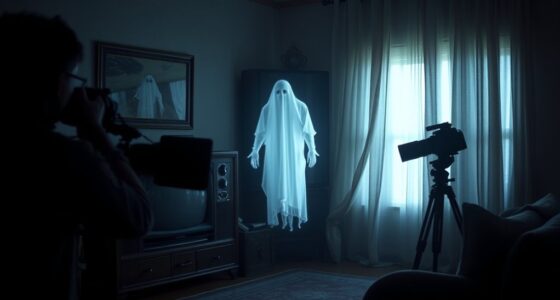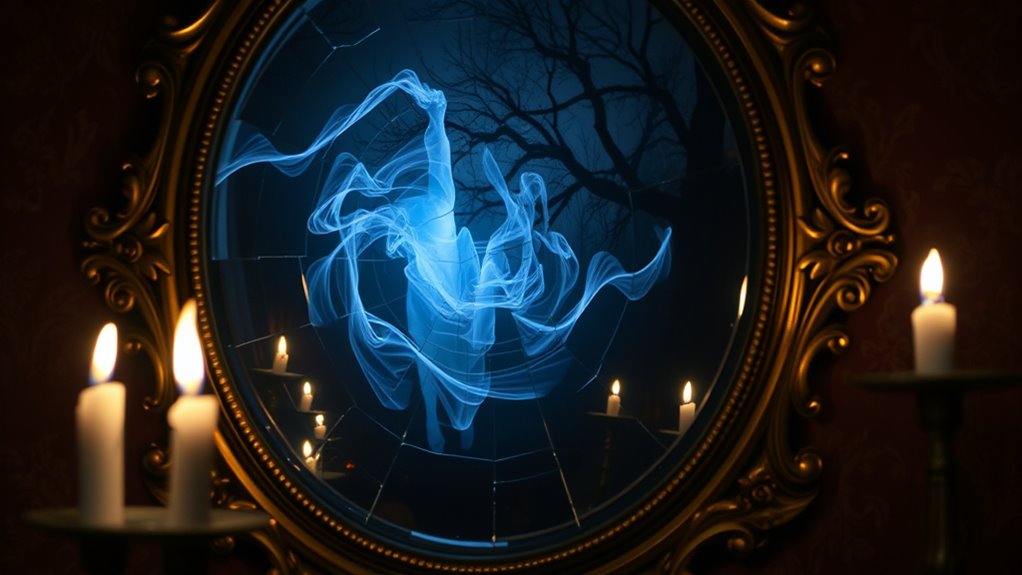
The myth of the haunted mirror as a portal to other worlds stems from centuries of folklore, cultural beliefs, and media portrayals. People have long thought mirrors can trap spirits, reveal hidden realities, or serve as gateways to supernatural domains. While stories and legends keep this myth alive, scientific explanations point to optical illusions and perception tricks. If you want to uncover the true origins and why this myth persists, there’s more to explore below.
Key Takeaways
- Haunted mirrors are mythologized as portals to other dimensions or spirits, rooted in cultural folklore and legends.
- Media depictions reinforce the idea of mirrors as gateways to supernatural realms and malevolent entities.
- Scientific explanations attribute eerie mirror phenomena to optical illusions, reflections, and psychological factors.
- Cultural fears of death, the unknown, and the supernatural sustain the myth of haunted mirror portals.
- Stories of haunted mirrors often include ghostly apparitions, flickering lights, and mysterious voices, fueling the myth’s popularity.
Origins of the Haunted Mirror Legend
The legend of haunted mirrors has roots that stretch back centuries, blending folklore, superstition, and cultural beliefs. Early cultures believed mirrors held mystical powers, capable of trapping spirits or revealing hidden truths. In ancient China, mirrors were thought to reflect the soul, making them gateways to the spiritual world. European folklore linked mirrors to the afterlife, warning that breaking one could release restless spirits. Some cultures believed mirrors could trap or absorb negativity, while others thought they could show alternate realities or future events. These superstitions grew stronger over time, fueling stories of mirrors that housed malevolent entities or served as portals to other dimensions. The myth persisted, evolving through generations as a cautionary symbol of unseen forces lurking behind reflective surfaces. Researching trending genres can help writers craft stories that resonate with modern audiences interested in supernatural themes.
Cultural Significance of Mirrors in Mythology
Mirrors have long held a prominent place in mythologies around the world, serving as powerful symbols of truth, transformation, and mystery. In many cultures, they represent gateways to hidden worlds or reflections of the soul. You can imagine a mirror as a window into another universe, like in the table below:
| Reality | Mythical Realm |
|---|---|
| Daily reflection | Spirit worlds |
| Self-awareness | Inner truths |
| Aging and mortality | Immortality myths |
These symbols remind us that mirrors aren’t just objects; they embody deeper meanings, revealing hidden truths and guiding personal transformation across cultures. They serve as bridges between the tangible and the mystical, shaping legends and beliefs worldwide. Additionally, the concept of positive thinking can be metaphorically linked to the way mirrors reflect our inner attitudes and perceptions, influencing our personal growth and resilience.
Famous Stories and Urban Legends
Throughout history, stories about haunted mirrors and mysterious portals have captivated people’s imaginations, blending folklore with urban legends that persist to this day. You’ve likely heard tales of mirrors that show more than your reflection, revealing ghostly figures or alternate worlds. The legend of the “Black Mirror” warns of a cursed object that traps souls, while urban legends tell of mirrors that transport viewers to another dimension when looked into at midnight. Many stories recount individuals who see themselves aging rapidly or glimpsing ghostly apparitions behind the glass. These stories often circulate in local communities or online forums, fueling the myth that certain mirrors hold supernatural powers. While skeptics dismiss these as hoaxes or psychological tricks, the allure of these tales keeps the mystery alive. Additionally, cookies and privacy policies play a role in how information about these stories is shared and believed online.
The Science Behind Reflections and Optical Illusions
Reflections and optical illusions work through the precise way light interacts with surfaces and your eyes. When light hits a smooth surface like a mirror, it bounces directly back, creating a clear reflection. Optical illusions happen when your brain interprets visual information differently than intended, leading to surprising or misleading images. Understanding how light behaves helps explain why these illusions can be so convincing. Here are four key points to understand:
Reflections and illusions trick your eyes through precise light interactions and brain interpretation.
- Refraction: Light bends as it passes through different mediums, altering how objects appear.
- Reflections: Smooth surfaces bounce light in predictable ways, forming images.
- Persistence of Vision: Your brain retains images briefly, which can blend or distort what you see.
- Illusory Contours: Your mind fills in missing information, creating shapes or figures that aren’t actually there.
These principles explain how illusions trick your perception without any supernatural influence.
Psychological Factors Contributing to Haunted Mirror Stories
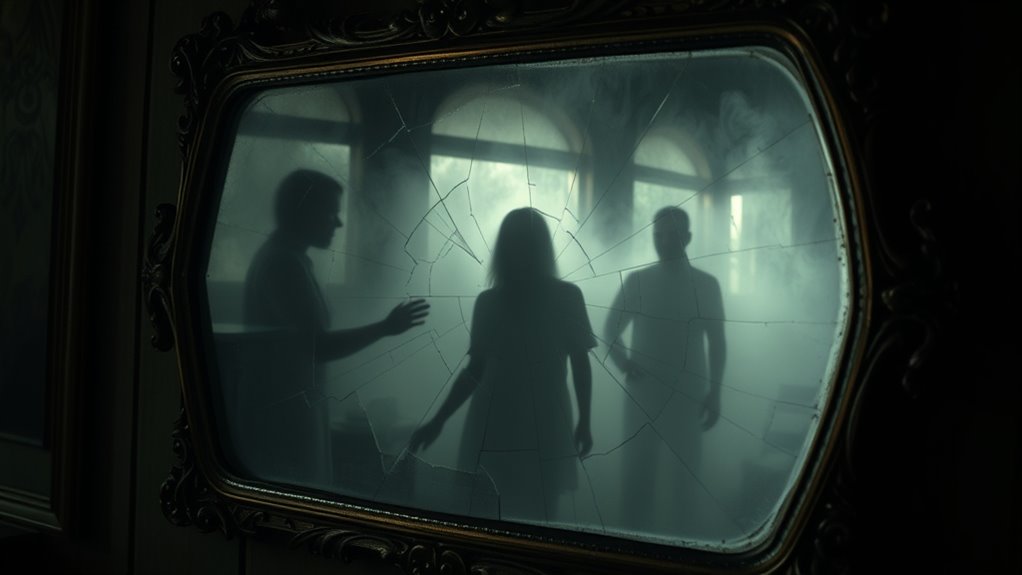
Many haunted mirror stories stem from psychological factors that shape how you perceive and interpret ambiguous images. Your mind tends to fill in gaps or see familiar shapes in unclear reflections, especially when you’re tired, anxious, or in dim lighting. These mental processes can create the illusion of seeing something supernatural, like a ghostly figure or portal. Confirmation bias also plays a role—you may interpret ordinary reflections as extraordinary if you believe in haunted mirrors. Additionally, personal fears and memories influence what you see, making you more likely to perceive a haunting. Your brain’s tendency to seek patterns and assign meaning to vague images fuels these stories, even when no actual supernatural presence exists. Factors such as alimony laws can also influence how individuals interpret their experiences, as stress and financial concerns may heighten perception of supernatural occurrences.
Media and Pop Culture Influences
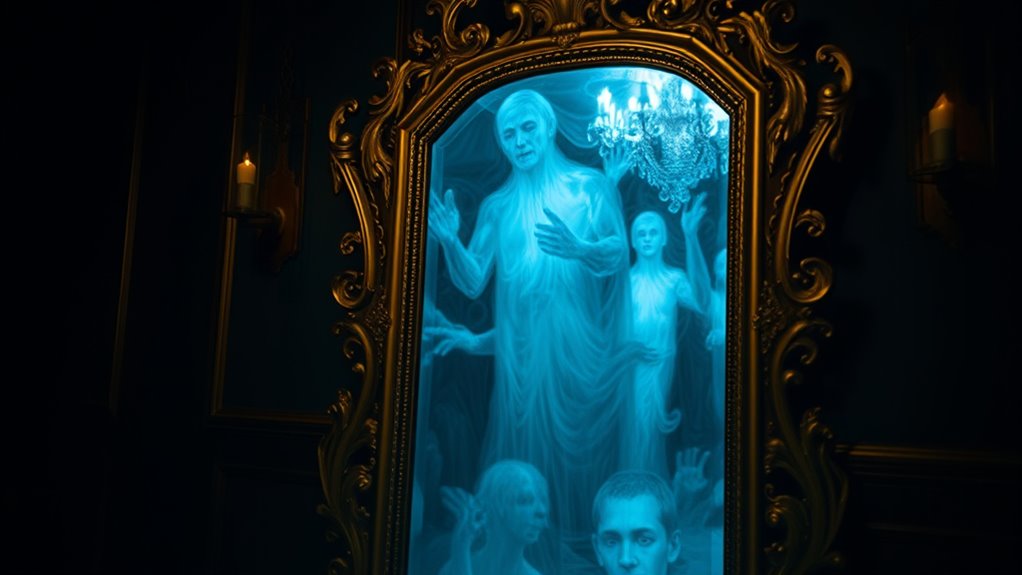
Hollywood often portrays mirrors as gateways to other worlds, fueling our fascination and fears. Video games also incorporate superstitions, making haunted mirrors seem like real threats. These pop culture influences shape how we perceive mirror legends and their supposed powers. Additionally, such portrayals can distort our understanding of the cultural significance of mirrors, leading to unnecessary fears or misconceptions.
Hollywood’s Mirror Mystique
Media and pop culture have played a pivotal role in shaping the myth of haunted mirrors, turning them into symbols of mystery and supernatural power. Hollywood films, TV shows, and literature often depict mirrors as portals to other worlds or haunted objects harboring spirits. This portrayal fuels our fascination and fear. Consider these iconic examples:
- Classic horror movies like *Poltergeist* and *The Ring* use mirrors to evoke dread.
- Supernatural TV series show characters confronting spirits through reflective surfaces.
- Celebrity horror stories amplify the allure of cursed or haunted mirrors.
- Popular culture often links mirrors to secret worlds, reinforcing their mystique.
Additionally, the contrast ratio in such stories enhances the visual impact, emphasizing the eerie contrasts between light and dark reflections. These portrayals embed the idea that mirrors hold supernatural secrets, blurring the line between fiction and reality and enthralling audiences worldwide.
Video Game Superstitions
Video game superstitions have become deeply intertwined with popular culture, often fueled by stories, rumors, and in-game legends that players share online. You might have heard about avoiding certain actions to prevent bad luck or causing glitches by performing specific rituals. These superstitions spread through forums, streaming platforms, and social media, creating a shared mythology among gamers. Some believe that knocking on their controllers or avoiding certain game times can influence gameplay outcomes. Others swear by secret codes or hidden Easter eggs that release supernatural effects. While many of these beliefs are unfounded, they add an extra layer of mystique to gaming. These superstitions fuel community bonding and make gaming history feel alive, blurring the line between reality and digital legend. Interestingly, these beliefs often mirror cultural superstitions found in broader society, highlighting how shared narratives can enhance social connections.
Common Features of Haunted Mirror Tales
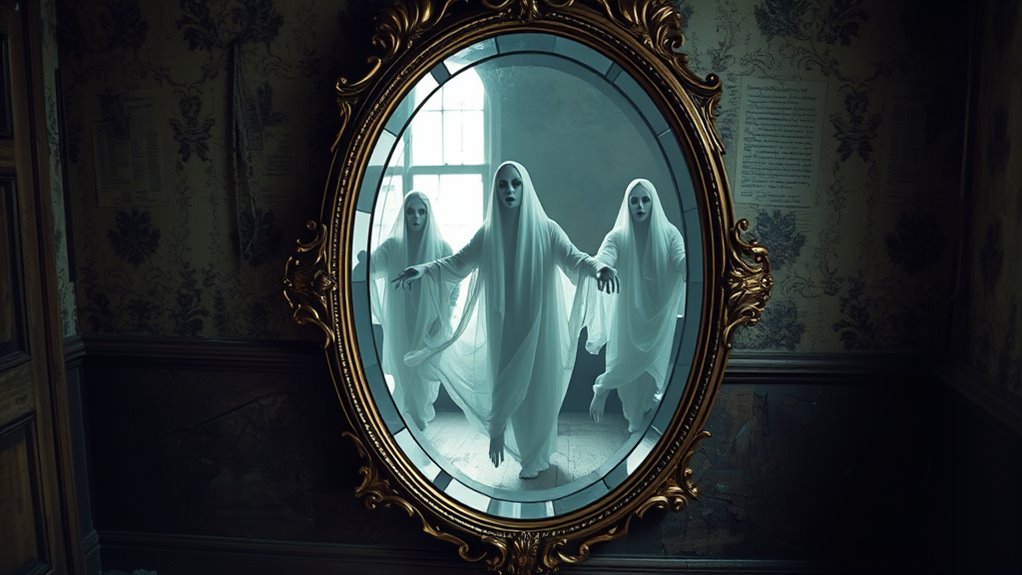
Haunted mirror tales often share strikingly similar features that make them both eerie and compelling. First, they usually describe mirrors that seem to reflect more than just your image—sometimes showing ghostly figures or alternate realities. Second, there’s often an element of danger or a curse tied to the mirror, warning viewers to avoid it. Third, these stories frequently involve a specific origin, like a haunted house or a tragic event linked to the mirror’s history. Finally, the tales often include strange phenomena such as flickering lights, unexplained noises, or sudden cold spots when the mirror is nearby. These common features create a sense of mystery and fear, fueling the myth that some mirrors hide portals to the supernatural. Additionally, many stories mention vintage decor or antique frames that lend an air of authenticity and history to the mirror, enhancing its haunted reputation.
Debunking the Myth: Scientific Explanations
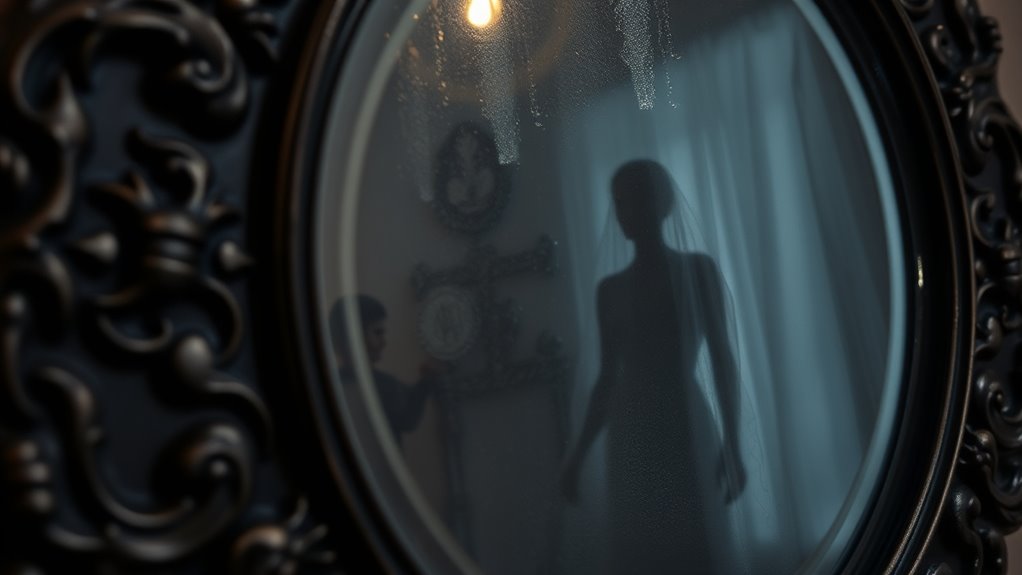
While haunted mirror stories often evoke supernatural imagery, many of the phenomena attributed to these mirrors can be explained through science. Optical illusions, such as reflections and shadows, can create eerie images that seem otherworldly. Low lighting and reflections from nearby objects may cause faces or figures to appear where none exist. Psychological factors like pareidolia lead your brain to interpret vague patterns as faces or figures, fueling ghostly stories. Additionally, exposure to certain chemicals or materials in older mirrors—like mercury or arsenic—can cause hallucinations or health issues that influence perception. Understanding these scientific explanations helps demystify the phenomena, showing that what seems supernatural often has rational roots rooted in perception, environment, and psychology. Moreover, research into precious metals and their properties reveals that metallic surfaces can sometimes produce unusual visual effects under specific conditions, contributing further to these misconceptions.
Why the Haunted Mirror Myth Endures
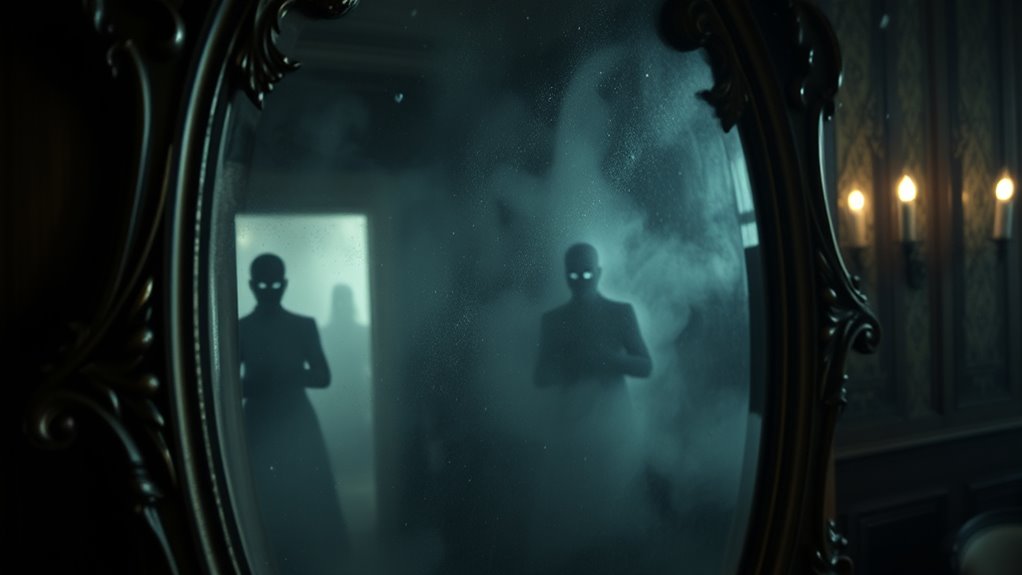
You might notice that cultural fears about the unknown keep these stories alive, making the myth feel real to many. Media often reinforces the idea of haunted mirrors, keeping the mystery front and center. This combination of tradition and storytelling helps the myth endure over time.
Cultural Fears Persist
The myth of haunted mirrors persists because they tap into deep-seated cultural fears about the unknown and the boundary between life and death. These fears stem from centuries of stories and beliefs that mirrors can reveal hidden worlds or trap spirits. You might worry that a mirror could reflect something beyond the physical domain, blurring reality. Four reasons these fears endure include:
- Cultural symbolism of mirrors as gateways
- Historical associations with spirits and superstitions
- Fear of losing control over the unknown
- Stories that reinforce the idea of spirits lurking in reflective surfaces
These elements keep the myth alive, resonating with our primal anxieties about mortality and the mysteries beyond life.
Media Reinforces Myths
Media plays a powerful role in keeping the myth of haunted mirrors alive by depicting them as portals to the supernatural. Films, TV shows, and stories often portray mirrors as gateways to other worlds or spirits, reinforcing fears and beliefs. This consistent imagery influences how we perceive mirrors, making the myth seem real. To understand this influence, consider the following:
| Media Portrayal | Audience Impact | Cultural Reflection |
|---|---|---|
| Supernatural themes | Fosters fear | Reinforces existing myths |
| Visual effects | Creates realism | Shapes perceptions |
| Repetition | Normalizes stories | Embeds myths into culture |
| Popularity | Spreads beliefs | Sustains myths over time |
| Fear exploitation | Maintains suspense | Keeps myths alive |
Through repeated, vivid portrayals, media sustains the haunted mirror myth, blurring fact and fiction.
Frequently Asked Questions
Are There Real Haunted Mirrors in History or Documented Cases?
Yes, there are documented cases of haunted mirrors that people believe exhibit supernatural activity. Throughout history, stories have emerged of mirrors showing apparitions, strange reflections, or even causing harm. For example, the Mirror of the Witch in Scotland is said to have cursed its owners. While skeptics attribute these stories to psychological factors or hoaxes, many believe these mirrors hold genuine paranormal energy, making them a fascinating part of supernatural folklore.
How Do Different Cultures Interpret Mirror-Related Supernatural Stories?
You see reflections flicker with shadows in many cultures’ stories, each interpreting mirrors differently. In China, mirrors are portals to spirits, while in Western traditions, they reveal hidden truths or trap souls. Indigenous stories warn against disturbing sacred mirrors, and in Japan, they symbolize purity and the spiritual universe. These tales evoke vivid images of shimmering surfaces and unseen domains, reminding you that mirrors often symbolize more than just reflection—they’re gateways to the unknown.
Can Modern Technology Detect or Disprove Haunted Mirror Phenomena?
Modern technology can help you detect or disprove haunted mirror phenomena by using tools like electromagnetic field meters, infrared cameras, and audio recorders. These devices can identify unusual energy patterns, temperature changes, or sounds that might suggest supernatural activity. While they can’t definitively prove or disprove ghostly presence, they provide scientific data that can support or challenge claims of hauntings, giving you a more objective perspective.
What Psychological Conditions Might Influence Belief in Haunted Mirrors?
Your mind is a delicate tapestry, woven with threads of emotion, expectation, and past experiences, which can shape your belief in haunted mirrors. Conditions like hallucinations, sleep paralysis, or anxiety can distort perception, turning ordinary reflections into ghostly apparitions. When your subconscious whispers fears or desires, it paints illusions in the mirror’s glass, making you see what you desperately want or dread to believe.
How Do Mirror Myths Affect Contemporary Art and Literature?
Mirror myths inspire contemporary art and literature by sparking ideas of reflection, identity, and the supernatural. You might see artists and writers exploring themes of duality, hidden truths, or alternate realities through mirrors. These stories invite you to question appearances and confront your own fears or secrets. As a result, mirror myths fuel creative expression, encouraging you to look deeper into human nature and the mysterious allure of the unknown.
Conclusion
As you step back from the shimmering surface, remember that what you see is often just a fleeting illusion, a trick of light and mind. The stories of haunted mirrors linger like faint echoes in a quiet room, gently inviting curiosity but rarely revealing true secrets. In the end, these tales are delicate reflections of our fears and fascination, softly reminding us that sometimes, the most mysterious things are simply shadows dancing on the wall.