Haunted hotel stories are often marketing myths rooted in folklore, misinterpreted events, and media exaggeration. Hotels use ghost stories to attract guests, craft spooky atmospheres, and boost tourism. Many tales stem from local legends or tragic incidents that get exaggerated over time without scientific proof. Media and pop culture have also fueled these legends, making them more sensational. If you want to uncover how these myths influence guest experiences and hotel reputation, there’s more to uncover below.
Key Takeaways
- Many haunted hotel stories originate from local legends and folklore, often exaggerated over time without scientific proof.
- Media portrayals and pop culture amplify ghost stories, turning them into marketing tools to attract thrill-seeking tourists.
- Hotels use themed décor, ghost tours, and social media to craft a haunted reputation that enhances guest engagement and interest.
- Natural explanations like creaky floors or drafts are often mistaken for paranormal activity, with no scientific validation.
- The stories are primarily constructed for marketing, leveraging emotional appeal and mystique rather than verified historical or scientific evidence.
The Origins of Haunted Hotel Stories

Many haunted hotel stories trace their origins to local legends and folklore that have been passed down through generations. These tales often emerge from small communities where stories grow more dramatic over time, fueled by word of mouth and local history. Sometimes, they’re rooted in real events—like tragic accidents or mysterious deaths—that become part of the area’s lore. Hotel owners and staff might repeat these stories to attract guests, but their roots are often in community storytelling rather than verified history. Over the years, these tales evolve, gaining supernatural elements or eerie details to make them more enthralling. As a result, many haunted hotel stories are less about actual hauntings and more about the power of tradition and storytelling. Essential oils and aromatherapy practices are sometimes used to create calming atmospheres that distract from or reinterpret unsettling narratives.
The Role of Media and Pop Culture

Media and pop culture often amplify ghost stories, making them seem more real and compelling. These stories shape cultural legends that hotels use to attract guests seeking a spooky experience. By highlighting these tales, hotels turn media-driven myths into powerful marketing tools. Additionally, the intriguing allure of haunted hotel stories can enhance the overall ambiance and appeal of a destination.
Media Amplification of Ghosts
Media and pop culture play a essential role in shaping the public’s perception of haunted hotels, often amplifying stories of ghostly encounters beyond their original context. Films, TV shows, and books dramatize hauntings, making them more sensational and memorable. This creates a cycle where stories become exaggerated or fabricated to attract attention.
A new sentence with sensational stories and the rest of the sentence.
Cultural Legends and Marketing
Cultural legends and pop culture have a powerful influence on how haunted hotels are marketed and perceived. Movies, TV shows, and stories often depict hotels as haunted, embedding ghostly legends into public consciousness. When you see a film featuring a haunted hotel, it’s easy to assume the real place is just as spooky, even if that’s not true. Hotel owners and marketers sometimes tap into these stories to attract guests, knowing the allure of a haunted reputation. These legends become part of the hotel’s identity, whether rooted in reality or fiction. As a result, cultural narratives shape expectations and perceptions, making it seem like ghostly activity is inevitable, even when it’s just clever storytelling or marketing exploits. Additionally, predictive analytics can be used by marketers to identify audience preferences and tailor haunted hotel promotions more effectively.
Marketing Strategies and Tourism Boosts

You can attract more visitors by highlighting ghostly legends and spooky stories that resonate with your audience. Creative marketing campaigns that play up mythical tales often lead to increased bookings and tourism spikes. When you leverage these stories effectively, you turn your hotel into a must-visit haunted destination. However, it’s important to be aware of potential legal changes that could impact how you present your stories or manage customer expectations.
Ghostly Legends Attract Tourists
Ghostly legends have become a powerful tool in attracting tourists to haunted hotels. These stories create intrigue and add a mysterious allure that draws visitors seeking a thrilling experience. By sharing tales of ghostly apparitions, unexplained noises, or haunted histories, hotels can boost their appeal without heavy advertising. Here are three ways legends work effectively:
- They create a sense of authenticity that appeals to curiosity seekers.
- They encourage visitors to explore the hotel’s history and architecture.
- They generate word-of-mouth buzz, drawing new guests enthusiastic for paranormal encounters.
These legends give hotels a unique identity, making them stand out in a competitive market. When used skillfully, ghostly stories can turn a simple stay into an unforgettable adventure, boosting tourism naturally.
Spooky Marketing Campaigns
Haunted hotels often harness the power of spooky marketing campaigns to attract visitors and boost tourism. They use themed ads, eerie visuals, and ghostly stories to create a sense of mystery and excitement. These campaigns generate buzz and curiosity, often appealing to thrill-seekers and paranormal enthusiasts alike. To illustrate, here’s a quick look at some common tactics:
| Strategy | Example | Effect |
|---|---|---|
| Themed Events | Ghost hunts, midnight tours | Increase bookings during off-peak seasons |
| Social Media Campaigns | Creepy videos and contests | Boost online engagement |
| Mysterious Advertisements | Teasers of haunted rooms | Build anticipation and intrigue |
These strategies can be effective, but their true power lies in creating an allure that keeps visitors coming back for more. Understanding local tourism trends can help hotels tailor their campaigns to maximize appeal and repeat visits.
Mythical Stories Drive Bookings
Mythical stories have become a powerful tool for hotels seeking to attract guests and boost tourism. When you craft compelling legends around your property, you tap into visitors’ curiosity and desire for unique experiences. These stories create an emotional connection, making your hotel stand out in a crowded market. To maximize this strategy, consider these approaches:
- Share intriguing legends on your website and social media to spark interest.
- Offer themed experiences or tours based on the stories, encouraging guest participation.
- Incorporate local folklore into your branding to evoke authenticity and cultural appeal.
- Highlight haunted folklore or cryptid legends associated with your location to deepen guest engagement and enhance the mystique.
The Power of Suggestion and Collective Memory

The power of suggestion plays a crucial role in shaping how guests perceive haunted hotels, often blurring the line between reality and imagination. When you hear stories or see eerie images, your mind becomes more receptive to noticing supposed signs of ghosts. This collective memory reinforces beliefs, making encounters seem real even without evidence. Social cues and shared experiences create a feedback loop, amplifying the perception of paranormal activity. Additionally, the influence of crochet styles for locs and other crafting trends demonstrates how visual cues can shape perceptions and reinforce collective beliefs.
Lack of Verifiable Evidence
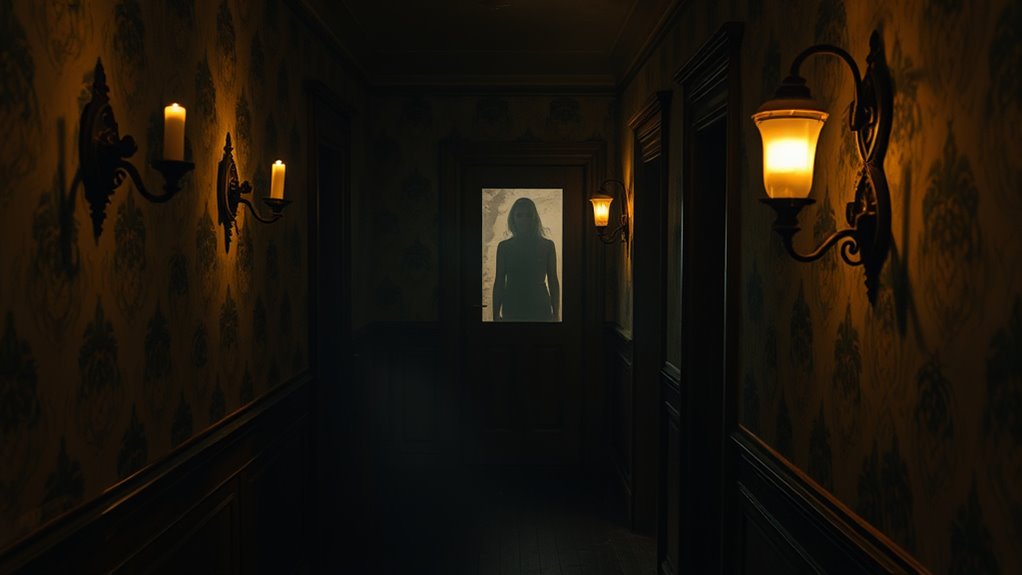
While collective memories and suggestive storytelling influence perceptions, they don’t provide concrete proof of paranormal activity. You need verifiable evidence to truly confirm ghosts or hauntings. Without solid proof, claims remain speculative. Here are three reasons why evidence falls short:
- Eyewitness accounts are subjective and prone to bias or misinterpretation.
- Paranormal investigations often lack scientific rigor, making results inconclusive.
- Many supposed sightings can be explained by natural causes like creaky floors, drafts, or lighting effects.
- Even specialized appliance labs testing methods have yet to produce consistent, scientifically validated proof of hauntings.
Without tangible, scientific evidence, the stories remain unverified. This lack of proof makes it difficult to distinguish between genuine hauntings and elaborate marketing tactics. If you’re seeking truth, you’ll find that ghost stories often rest on belief rather than evidence.
Historical Events Often Misinterpreted
Many haunted hotel stories stem from misunderstood or misrepresented historical events. Sometimes, a tragic incident is exaggerated or distorted over time, turning a simple accident into a ghostly legend. For example, a murder that occurred decades ago might be remembered as a haunting, even if no evidence supports paranormal activity. These stories often gain traction because they tap into local history or folklore, but they don’t stand up to factual scrutiny. As a result, hotel owners or marketers may promote these tales to attract guests, even if the stories are based on misinterpretations. Recognizing these distortions helps you see that many haunted hotel legends are more about storytelling than actual history. It’s important to differentiate between myth and reality when exploring these spooky tales. Additionally, understanding how stories evolve over time can offer insight into why these legends persist despite lacking factual basis.
The Influence of Local Legends and Folklore

Local legends and folklore often shape the stories hotel marketers use to attract guests, as these tales resonate deeply within communities. These stories tap into local identity and history, making the hotel seem more authentic and intriguing. You might hear about ghostly apparitions linked to famous landmarks or mysterious events tied to the area’s past. Marketers leverage these legends to create a sense of mystery and allure, even if the stories are exaggerated or unverified. Here are three ways folklore influences haunted hotel marketing:
Local legends add authenticity, intrigue, and cultural significance to haunted hotel marketing efforts.
- They add an air of authenticity and local flavor.
- They generate curiosity and attract thrill-seekers.
- They reinforce the hotel’s historic or cultural significance.
How Hotels Craft Their Haunted Reputation
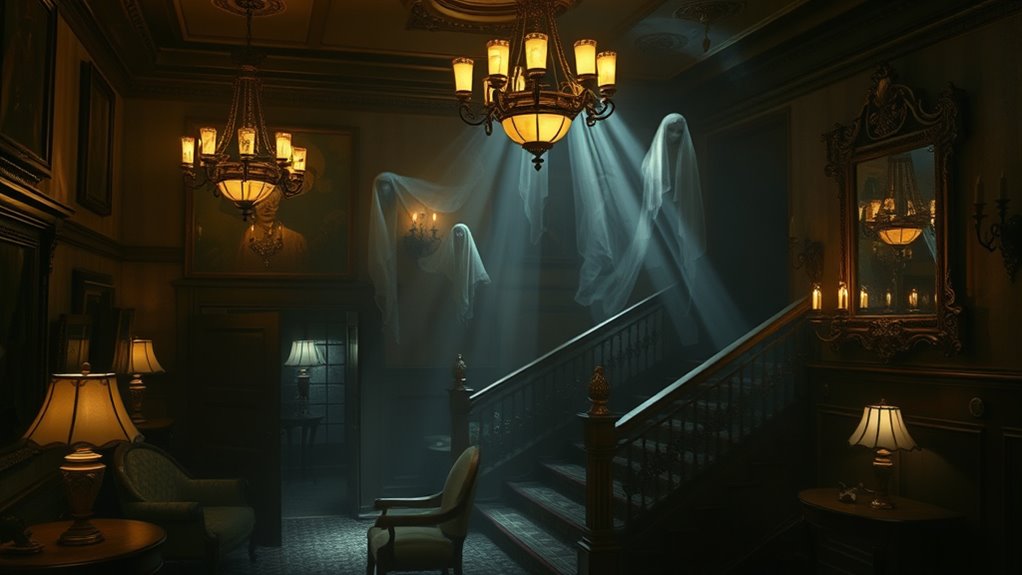
Hotels actively craft their haunted reputations by blending history, storytelling, and strategic marketing techniques to captivate guests’ imaginations. They highlight ghost stories, real or fabricated, to create an air of mystery that draws curiosity. Some hotels emphasize their historic significance, emphasizing tales of past residents or tragic events, even if these stories are exaggerated or mythologized. They use themed décor, spooky imagery, and special events like ghost tours or themed nights to reinforce the haunted vibe. Social media campaigns and online reviews often amplify these stories, encouraging guests to share their own experiences or spread rumors. By carefully curating these elements, hotels generate buzz and intrigue, making their haunted reputation a powerful marketing tool that entices thrill-seekers and paranormal enthusiasts alike.
The Impact on Guest Experience and Expectations

The haunted reputation hotels cultivate considerably shapes guests’ expectations before they even arrive. You might anticipate eerie encounters or supernatural thrills, which can heighten your excitement or anxiety. This mindset influences your overall experience, often making you more alert to minor details. It can also lead to:
- Enhanced anticipation: Expecting ghostly sightings or mysterious events keeps you enthusiastic and engaged.
- Heightened sensitivity: You may interpret normal noises or shadows as paranormal, intensifying the scare factor.
- Potential disappointment: When your expectations aren’t met, it can lead to frustration, overshadowing the actual stay.
Understanding this dynamic helps you balance excitement with realism, ensuring your experience remains enjoyable regardless of ghostly myths. The reputation shapes perceptions, but your mindset ultimately controls your experience.
Frequently Asked Questions
Are There Any Scientifically Proven Cases of Haunted Hotel Phenomena?
There are no scientifically proven cases of haunted hotel phenomena. When you experience strange noises or sightings, it’s often due to psychological factors like suggestion, stress, or environmental influences. Researchers have investigated these claims and found no objective evidence supporting supernatural activity. Instead, your mind may fill in gaps with fears or expectations, making you think the hotel is haunted when it’s likely just your perception or natural causes at play.
How Do Hotel Owners Financially Benefit From Haunted Reputation Marketing?
You can boost your hotel’s revenue by marketing its haunted reputation because it attracts thrill-seekers and curiosity-driven guests. By emphasizing ghost stories and spooky experiences, you create a unique selling point that sets your hotel apart from competitors. This marketing strategy often leads to higher bookings, premium pricing, and repeat visits from guests enthusiastic for paranormal adventures, ultimately increasing your profits through a distinctive, memorable experience.
Do Guests Typically Experience Paranormal Activities During Their Stays?
Most guests don’t actually experience paranormal activities during their stays. Many reports are exaggerated or influenced by the hotel’s haunted reputation. Some guests might feel uneasy or imagine things, but there’s little concrete evidence to support genuine paranormal events. Hotels often encourage these stories to attract visitors, making the experience seem more mysterious. So, while some guests might claim encounters, it’s usually part of the haunted hotel hype rather than reality.
How Do Cultural Differences Influence Haunted Hotel Stories Globally?
Cultural differences paint haunted hotel stories like vibrant tapestries, each thread revealing unique fears and legends. You’ll find that stories in Japan might whisper of spirits tied to nature, while Western tales often involve restless souls seeking justice. These narratives reflect deeper societal values, shaping what’s considered scary or sacred. So, what haunts one culture may be a comforting memory in another, illustrating how storytelling adapts to the soul of each community.
What Psychological Factors Contribute to Belief in Haunted Hotel Legends?
You believe in haunted hotel legends because your mind seeks patterns and explanations for strange experiences. Your brain fills gaps with familiar stories, creating a sense of mystery. Fear and anticipation heighten your senses, making you interpret normal sounds as supernatural. Social influence also plays a role; if others share these beliefs, you’re more likely to accept them. Emotional states like anxiety or excitement can further reinforce your belief in haunted legends.
Conclusion
You might find that over 70% of haunted hotel stories are rooted in legends rather than facts. So, next time you hear a spooky tale, remember it’s often a clever marketing ploy or folklore. These stories boost tourism and create memorable experiences, even if they lack proof. By understanding the myths, you can enjoy your stay without falling for the haunted hype—knowing it’s often more about storytelling than ghostly encounters.