
The “cursed object” phenomenon has deep roots in history, culture, and psychology. You may find these objects linked to tragic events, spiritual beliefs, or societal fears. Famous items like the Hope Diamond or Annabelle doll have stories often backed by tragedy and superstition, which reinforce belief in their dark powers. Psychological biases like confirmation and pattern recognition keep these stories alive. If you’re curious about how these objects continue to intrigue us today, there’s more to discover.
Key Takeaways
- Cultural beliefs and stories shape perceptions of cursed objects, linking them to misfortune, tragedy, or supernatural power.
- Cursed objects often symbolize societal fears, moral lessons, or warnings, reinforcing cultural values and taboos.
- Psychological biases like confirmation bias and pattern recognition contribute to the enduring belief in curses.
- Media, folklore, and sensationalism amplify the allure of cursed objects, blending mystery with danger.
- Modern interpretations view cursed objects as symbols of superstition, curiosity, and human fascination with the unknown.
Origins and Historical Roots of Cursed Objects
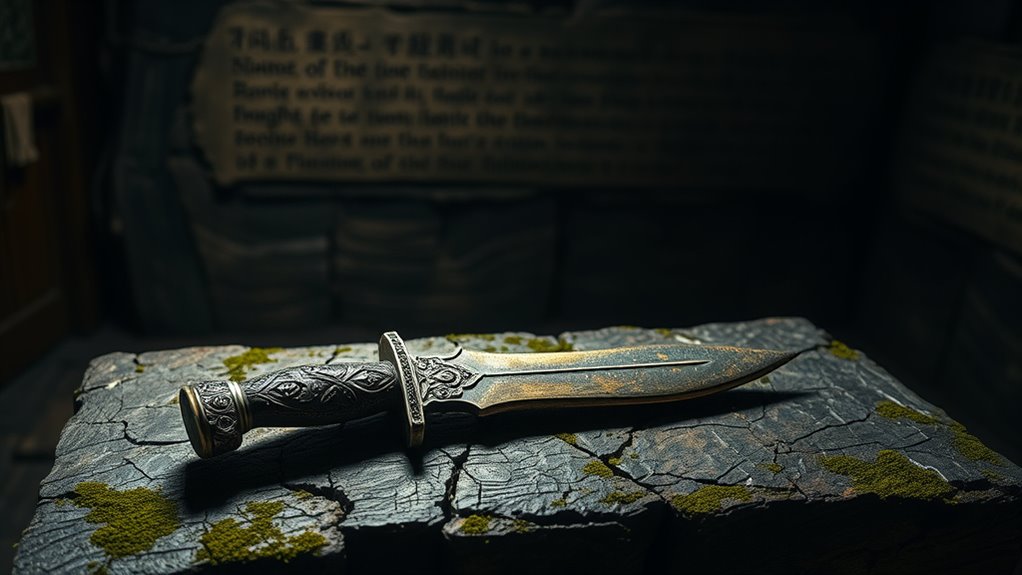
Throughout history, people have believed that certain objects carry dark energies or curses, often attributing misfortune or tragedy to them. These objects, known as cursed objects, often originate from stories, legends, or religious beliefs. Ancient cultures believed that objects could hold spiritual power, either protecting or harming their owners. Some items became cursed after tragic events or violent deaths linked to them, fueling superstitions. Religious artifacts, such as relics or icons, were sometimes thought to harbor malevolent energies, especially if mishandled or stolen. Throughout the ages, tales of cursed objects spread, reinforcing the idea that material items could possess a life of their own, capable of influencing fate and bringing about disaster. Interestingly, material composition can sometimes play a role in whether an object becomes cursed or not. This deep-rooted fear has persisted across cultures and centuries.
Cultural Significance and Symbolism
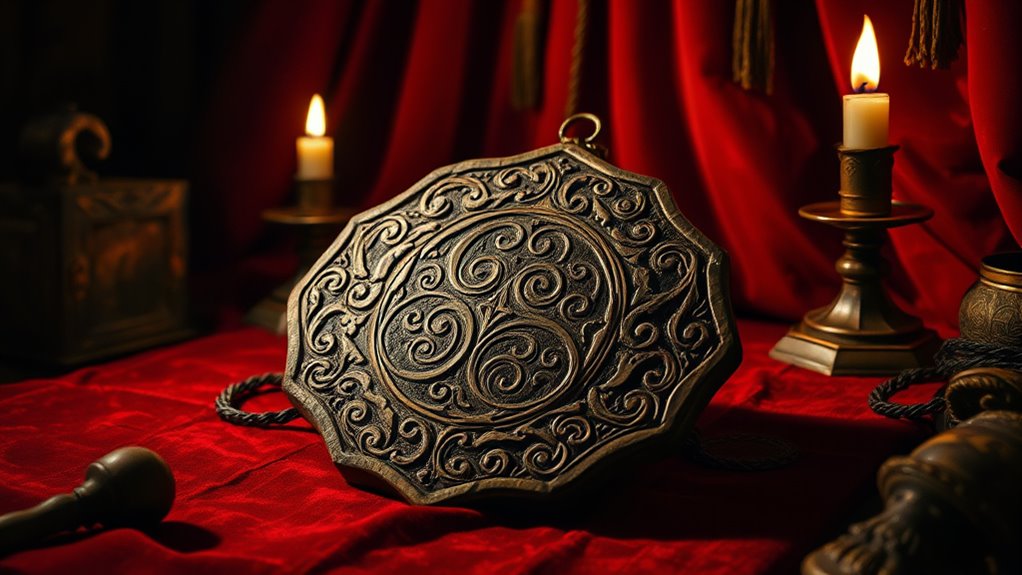
Cursed objects often hold deep cultural significance and symbolism that reflect the beliefs and values of the societies that created them. They serve as more than mere artifacts; they embody fears, hopes, and moral lessons. For example:
Cursed objects embody cultural fears, hopes, and moral lessons, reflecting society’s beliefs and values.
- Protection – Some objects symbolize safeguarding against evil spirits or misfortune.
- Power – Certain items represent authority or supernatural strength within a culture.
- Punishment – Cursed objects can act as warnings, embodying moral lessons for offenders.
- Spiritual Connection – They often serve as links between the physical and spiritual worlds, reinforcing religious or mystical beliefs.
Additionally, the history of pinball machines demonstrates how cultural shifts can influence perceptions of objects, transforming them from simple entertainment devices into symbols with deeper societal meanings.
These symbols influence how societies perceive luck, morality, and the divine, embedding the cursed object deeply into cultural narratives and collective consciousness.
Famous Examples and Their Stories
Some cursed objects have gained fame because of the dramatic stories behind them, capturing people’s imaginations and fears. Take the Hope Diamond, for instance, believed to bring misfortune and tragedy to its owners, with tales of death and disaster linked to it. Then there’s the Annabelle doll, which supposedly causes terrifying paranormal activity, inspiring movies and fear. The Terracotta Army’s weapons are rumored to be cursed, warning against greed and war. The Black Forest Cuckoo Clock is said to bring bad luck to those who own it, with stories of sudden misfortune. These examples stand out because their stories are dramatic, unsettling, and often backed by accounts of tragedy, making them enduring symbols of the mysterious power attributed to cursed objects. The stories behind these objects often involve supernatural beliefs that reinforce their feared reputations.]
Psychological Perspectives and Cognitive Biases
When you believe an object is cursed, your mind can influence how you perceive events around it, often reinforcing the idea that misfortune is inevitable. Your biases shape your interpretation of outcomes, making you notice only negative coincidences. Consider these key psychological factors:
- Confirmation Bias: You focus on events that support the cursed narrative while ignoring evidence to the contrary.
- Placebo Effect: Your belief alone can cause real changes in your experience, making the curse seem more real.
- Pattern Recognition: Your brain seeks meaningful connections, even when none exist, linking unrelated misfortunes to the object.
- Illusory Correlation: You perceive a relationship between the object and bad luck, ignoring randomness or other causes.
Together, these biases create a powerful mental framework that sustains the cursed object phenomenon.
The Enduring Allure and Modern Interpretations
The allure of cursed objects persists because they tap into deep-seated fears and fascination with the unknown, blending mystery with a sense of danger. Modern interpretations often reflect society’s desire for thrill and curiosity about hidden forces. People are drawn to stories of objects with mysterious powers, fueled by media, folklore, and sensationalism. These objects symbolize the allure of the forbidden, serving as reminders of unseen dangers lurking beneath everyday life. In today’s culture, cursed objects also function as symbols of superstition and skepticism, sparking debates about their reality. Whether viewed as supernatural or psychological constructs, they continue to captivate because they challenge our understanding of control and fate. The fascination endures, revealing our persistent need to confront mystery and the fears it stirs. Sometimes, the cultural significance of these objects is amplified by their association with specific historical or mythological narratives, deepening their mystique.
Frequently Asked Questions
How Do Cursed Objects Influence Modern Popular Culture?
Cursed objects influence modern popular culture by fueling stories, movies, and TV shows that emphasize mystery and danger. You see haunted artifacts in horror films and urban legends that captivate audiences. These objects spark curiosity and fear, making them perfect for storytelling. Their presence in pop culture keeps the idea alive, encouraging people to explore the unknown and even question the history behind everyday items.
Are There Scientifically Proven Cases of Cursed Objects Causing Harm?
There are no scientifically proven cases of cursed objects causing harm. While stories of objects bringing bad luck or misfortune persist, experts attribute these to psychological effects like suggestion and confirmation bias. You might feel uneasy holding a supposedly cursed item, but it’s your mind influencing your experience, not any supernatural force. Without empirical evidence, cursed objects remain fascinating legends rather than proven threats.
What Role Does Confirmation Bias Play in Believing Cursed Object Stories?
Confirmation bias heavily influences your belief in cursed object stories. When you hear about a supposed curse, you tend to notice and remember the incidents that support the story while ignoring evidence that contradicts it. This selective perception reinforces your belief, making the curse seem real. By seeking out stories that confirm your expectations, you unintentionally deepen your conviction, even if there’s no scientific proof.
Can Cursed Objects Be Considered a Form of Psychological Manipulation?
Yes, cursed objects can be a form of psychological manipulation. When you believe an object is cursed, your mind becomes more suggestible to negative thoughts and fears. This belief can lead you to interpret events as proof of the curse, reinforcing your anxiety and making you more vulnerable to manipulation by others who exploit these fears. fundamentally, it’s your own mind being manipulated through the power of suggestion and belief.
How Do Different Cultures Interpret the Concept of Cursed Objects?
You’ll find that different cultures interpret cursed objects through their unique beliefs and traditions. Some see them as spiritual warnings or protective talismans, while others view them as symbols of misfortune or divine punishment. In many societies, cursed objects carry stories that reinforce moral lessons or cultural values. By understanding these varied perspectives, you gain insight into how humans across the world attribute meaning and power to objects around them.
Conclusion
Just like a magnet draws metal, the cursed object phenomenon pulls us into its web of mystery and intrigue. Its roots run deep through history and culture, amplified by stories that feed our fears and fascination. Whether real or imagined, these objects serve as mirrors for our beliefs and biases. In the end, they’re not just cursed items—they’re symbols of our enduring desire to find meaning in the unknown, shaping our perceptions like a shadow that follows us.