To set up a controlled paranormal experiment, first define clear objectives and hypotheses to guide your investigation. Choose appropriate equipment like EMF meters and audio recorders, and select a site with a history of activity that’s safe and accessible. Establish environmental controls, such as turning off unnecessary electronics and maintaining consistent lighting and temperature. Document baseline conditions, use systematic data collection methods, and consider double-blind procedures. Learning how to implement these steps will help you design more reliable experiments.
Key Takeaways
- Clearly define specific, measurable objectives and hypotheses to guide data collection and analysis.
- Select a site with a documented history of activity and ensure environmental controls to minimize external influences.
- Prepare and calibrate all equipment regularly, using multiple devices for cross-verification of data.
- Establish a stable baseline environment by documenting normal conditions before monitoring for anomalies.
- Implement standardized data recording procedures and plan for repeated experiments to verify findings.

ERICKHILL 3 in 1 EMF Detector, Electromagnetic Field Radiation Detector for EF, RF, MF, WiFi,5G Signal,Triple Alarm Modes, Type-C Charging, EMF Meter for Home, Office, and Paranormal Investigation
All-in-One Detection: RT-100S 3-in-1 EMF Reader measures Electric (EF), Magnetic (MF), and Radio Frequency (RF) fields to monitor…
As an affiliate, we earn on qualifying purchases.
As an affiliate, we earn on qualifying purchases.
Define Clear Objectives and Hypotheses
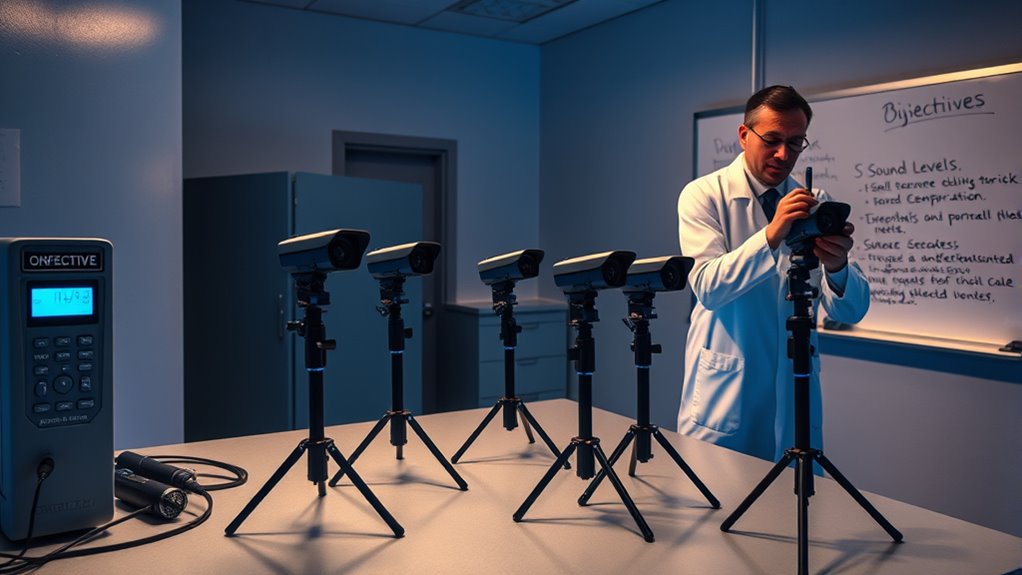
Before conducting any controlled paranormal experiment, clarifying your objectives and hypotheses is vital. You need to determine exactly what you want to observe or prove. Are you testing for specific types of activity, like sounds or visual phenomena? Or are you exploring whether a location is haunted? Once you define your goal, formulate a clear hypothesis—such as “Electronic devices will malfunction when paranormal activity occurs.” This focus helps you stay organized and guarantees your experiment remains objective. Avoid vague intentions like “I want to find ghosts,” because they lack direction. Instead, set specific, measurable aims. Clear objectives and hypotheses give your experiment structure, guiding your data collection and analysis effectively. Additionally, understanding relationships and communication can help you better interpret any interactions or anomalies during your experiment.

Digital Infrared Thermometer gun for cooking,BBQ,Pizza oven,Ir Thermometer with Backlight,-58℉~932℉(-50℃~500℃) Handheld Non Contact Heat Laser Temperature Gun (Not for Human)
Temperature measurement range:-50℃-500℃ (-58℉-932℉)Display resolution: 0.1 ℃ or 0.1 ℉
As an affiliate, we earn on qualifying purchases.
As an affiliate, we earn on qualifying purchases.
Select Appropriate Equipment and Tools
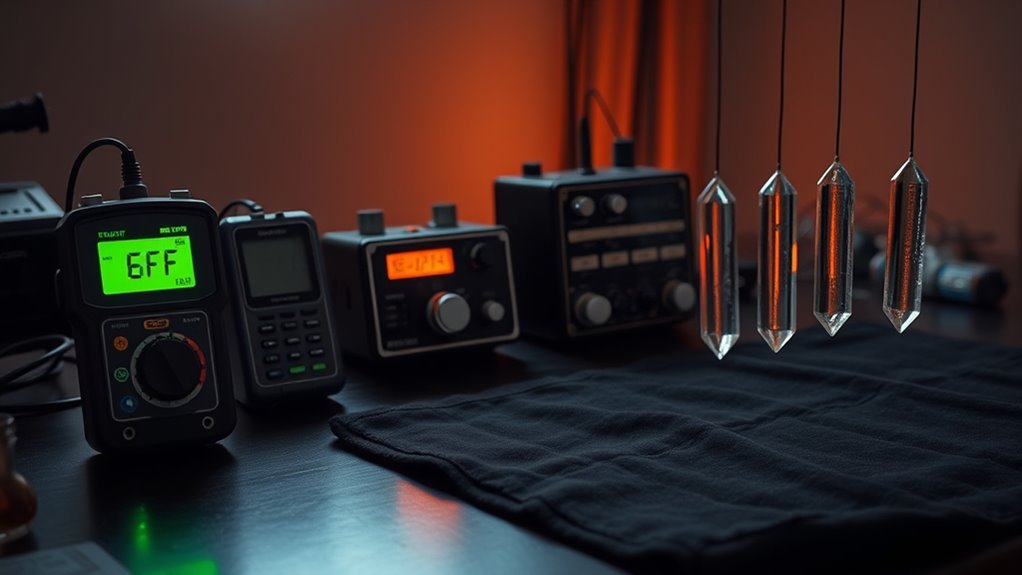
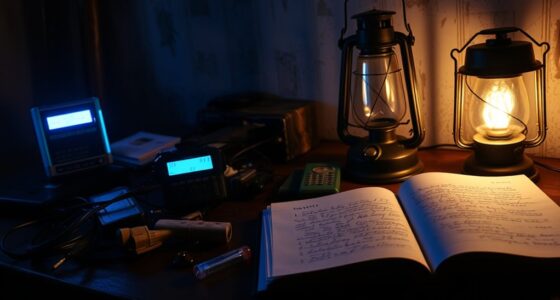
Choosing the right equipment and tools is essential for gathering reliable data in your paranormal experiments. You want devices that can detect subtle changes in environmental conditions, such as EMF meters, digital thermometers, and audio recorders. Invest in quality equipment to guarantee accuracy and consistency. Use EMF meters to monitor electromagnetic fluctuations, which are often linked to paranormal activity. Digital thermometers help track temperature drops or spikes, while high-quality audio recorders can capture unexplained sounds or voices. Keep your equipment calibrated and in good working order. Avoid relying solely on one device; instead, use multiple tools simultaneously to cross-verify your findings. Proper selection and handling of your tools will increase your chances of recording credible evidence and improve the overall reliability of your experiment. Additionally, employing air purifiers with HEPA filtration can help maintain a stable environment by reducing airborne pollutants that might interfere with sensitive equipment.
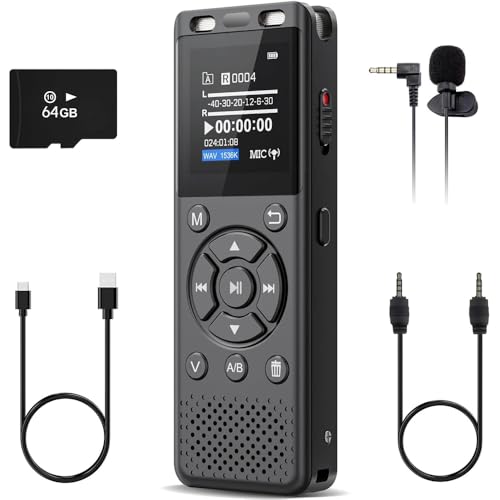
Tonfarb 64GB Digital Voice Recorder with Playback,Audio Recording Device for Lectures Meeting/Classes/Interviews,Tape Recorder with Voice Activated,Password,Noise Reduction,A-B Repeat,MP3 Player Etc
【One Click Record and Save】This voice recorder features instant one-click recording and saving. Even when powered off, simply…
As an affiliate, we earn on qualifying purchases.
As an affiliate, we earn on qualifying purchases.
Choose a Suitable Investigation Site
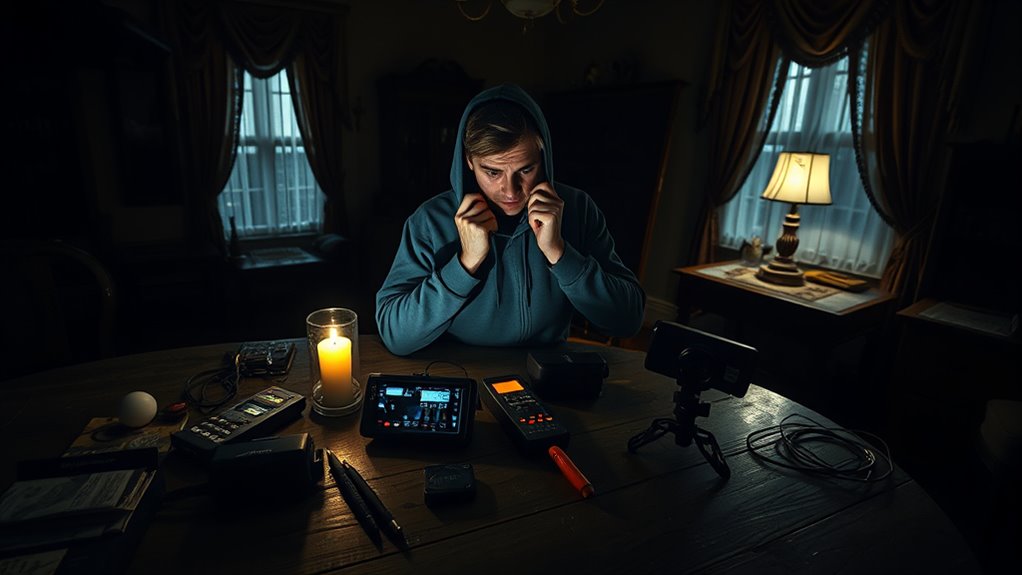
Selecting the right investigation site is crucial for capturing credible paranormal evidence. You want a location with a history of activity but also manageable in size and complexity. Look for sites that are accessible, safe, and free of external interference, such as noise or light pollution. Avoid overly busy or unpredictable environments that could introduce confounding variables. Consider the site’s layout, as open spaces can help monitor movement, while enclosed areas may trap sounds or energies. Incorporating natural techniques can further enhance the quality of your investigation by minimizing environmental variables.

Air Purifiers for Home with H13 Quiet HEPA Filter Up to 1076 Ft² for Pet Hair, Odors, Pollen, Smoke, Compact Air Cleaner with 3 Speeds, Timer, Aroma Quiet 360°Intake Filter, White
Effortless Operation: Simplified control panel with intuitive design makes it easy to operate. No complicated setup—just one tap,…
As an affiliate, we earn on qualifying purchases.
As an affiliate, we earn on qualifying purchases.
Establish a Control Environment
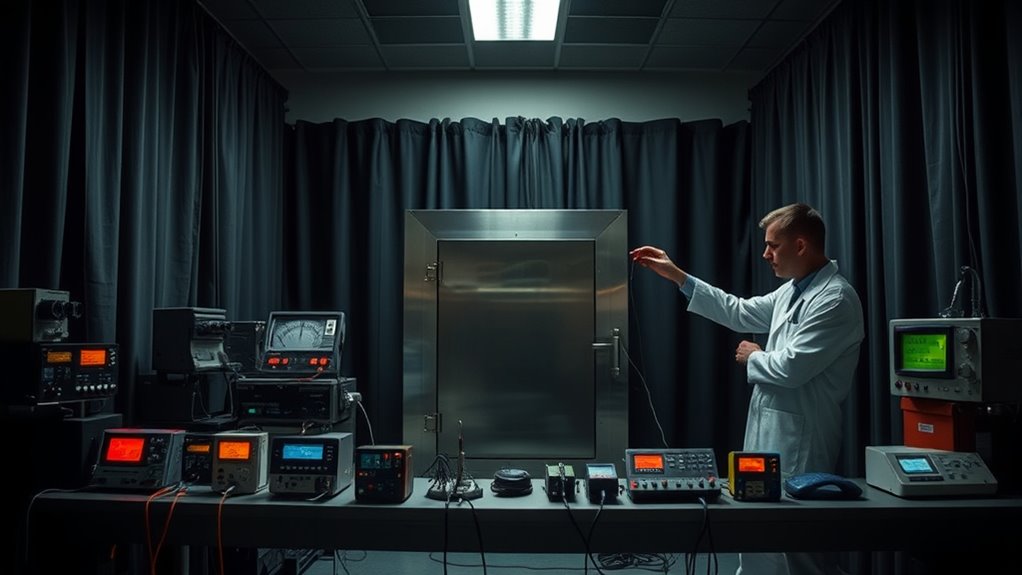
Establishing a control environment is essential to guarantee that your paranormal investigation yields reliable and credible results. To do this, eliminate external influences that could affect your observations. Choose a location with minimal foot traffic, noise, or electronic interference. Turn off or remove unnecessary devices, such as smartphones, Wi-Fi routers, and other electronics that could generate electromagnetic signals. Use consistent lighting—preferably dim but stable—to prevent lighting changes from skewing your data. Set up physical barriers if needed to isolate specific areas. Document these conditions thoroughly so you can compare them with your active investigation later. Creating a stable, controlled environment helps you distinguish genuine paranormal activity from natural or environmental factors, ensuring your findings are as accurate as possible. Paying attention to environmental factors can significantly improve the reliability of your results.
Document and Record Baseline Data
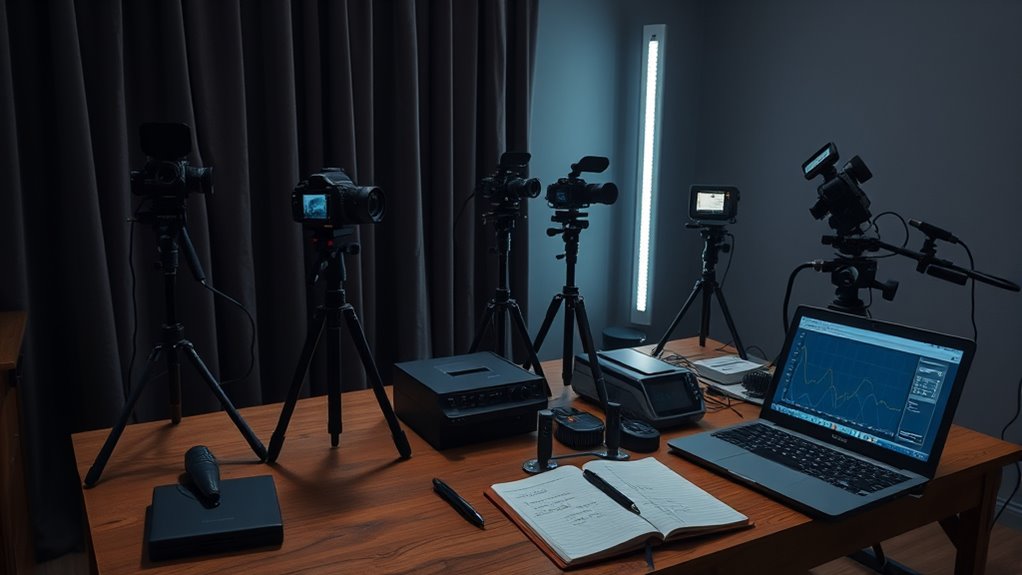
To get accurate results, you need to establish normal conditions in your testing environment. Use consistent methods to record baseline data so you can reliably compare it with future observations. This approach guarantees you identify genuine anomalies rather than normal fluctuations or method inconsistencies. Incorporating delivery timing considerations can further improve the accuracy of your baseline data.
Establish Normal Conditions
Before conducting paranormal experiments, documenting and recording baseline data to understand the environment’s normal conditions is essential. This step helps you identify typical patterns and distinguish them from anomalies. Take systematic measurements of temperature, humidity, light levels, and sound during quiet periods. Record any regular activity, such as creaks or background noise, to establish a clear picture of normalcy. Use the table below to organize your baseline data:
| Parameter | Typical Range | Observations |
|---|---|---|
| Temperature | 68-70°F | Stable, no sudden drops |
| Humidity | 40-50% | Consistent throughout the day |
| Light Levels | Dim to bright | No unusual fluctuations |
| Sound | Ambient noise | Background conversations, creaks |
| Activity Notes | None | No abnormal occurrences |
This record keeps your experiment controlled and reliable. Additionally, understanding environmental factors can help differentiate between natural and paranormal phenomena.
Use Consistent Methods
Using consistent methods to document and record baseline data is essential for ensuring the reliability of your paranormal experiments. When you apply the same procedures each time, you minimize variables that could skew your results. Use the same equipment, settings, and measurement techniques when collecting data. Keep detailed logs of environmental conditions, such as temperature, humidity, and lighting, to track changes over time. Record the times of day and specific locations where measurements occur. This consistency allows you to accurately compare data across different sessions and identify genuine anomalies. By maintaining uniformity, you’ll build trust in your findings and reduce the risk of false positives. Ultimately, using reliable, repeatable methods strengthens the credibility of your experiment and its conclusions.
Implement a Double-Blind Procedure
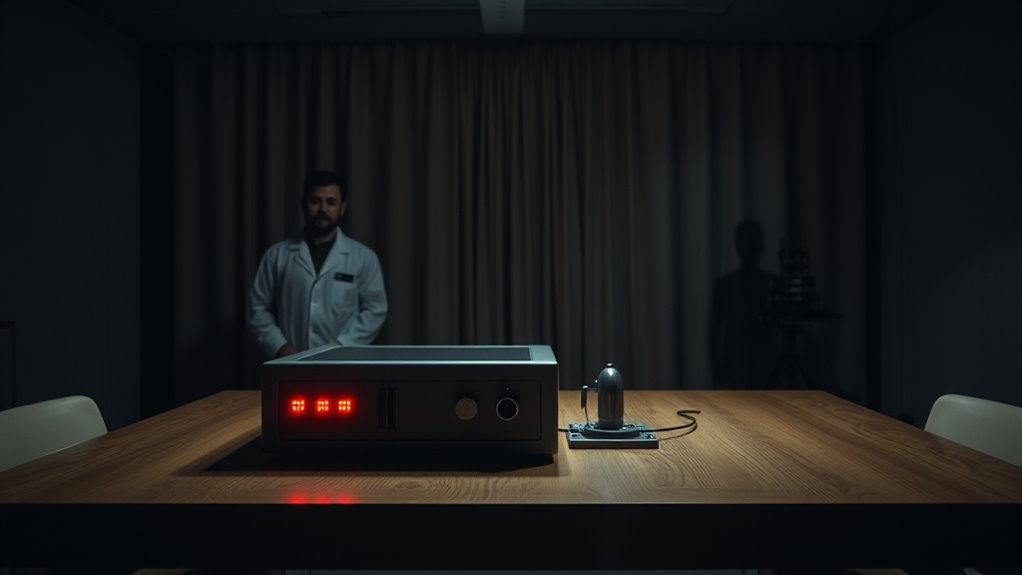
Implementing a double-blind procedure is essential for eliminating bias in paranormal experiments. You do this by ensuring neither you nor the participants know which conditions are active or placebo. To set this up, prepare two sets of conditions or devices, but keep their identities concealed. Use a third party or a code system to assign conditions randomly. This prevents subconscious influence or expectations from skewing results. When collecting data, remain unaware of which condition is in place, and instruct participants to avoid revealing any hints. This process helps ensure that your observations are based solely on the phenomena itself, not on preconceived notions or unintentional cues. Incorporating accurate measurement tools and calibrated equipment further enhances the reliability of your findings. Employing a double-blind setup strengthens your experiment’s validity and credibility.
Monitor and Collect Data Systematically
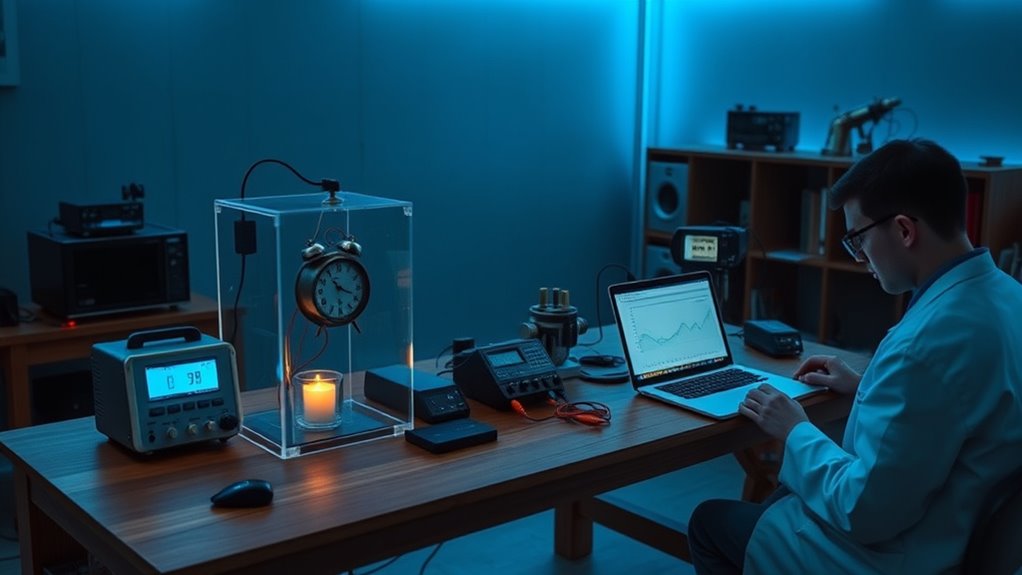
To guarantee accurate and reliable results in your paranormal experiments, you must monitor and collect data systematically. Set up your recording devices before the experiment begins, ensuring they’re calibrated and functioning properly. Use consistent methods to document observations, such as timestamped notes, photos, or video recordings. Keep a detailed log of environmental conditions like temperature, humidity, and electromagnetic activity, as these factors can influence results. Avoid distractions or interruptions during data collection, and ensure all team members follow the same procedures. Regularly check your equipment to prevent malfunctions. By maintaining a disciplined approach, you minimize errors and bias. Systematic monitoring ensures your data is thorough, organized, and ready for meaningful analysis later. Additionally, passive voice detection tools can help review your reports for clarity and objectivity, enhancing the quality of your documentation.
Analyze Results and Consider Replication
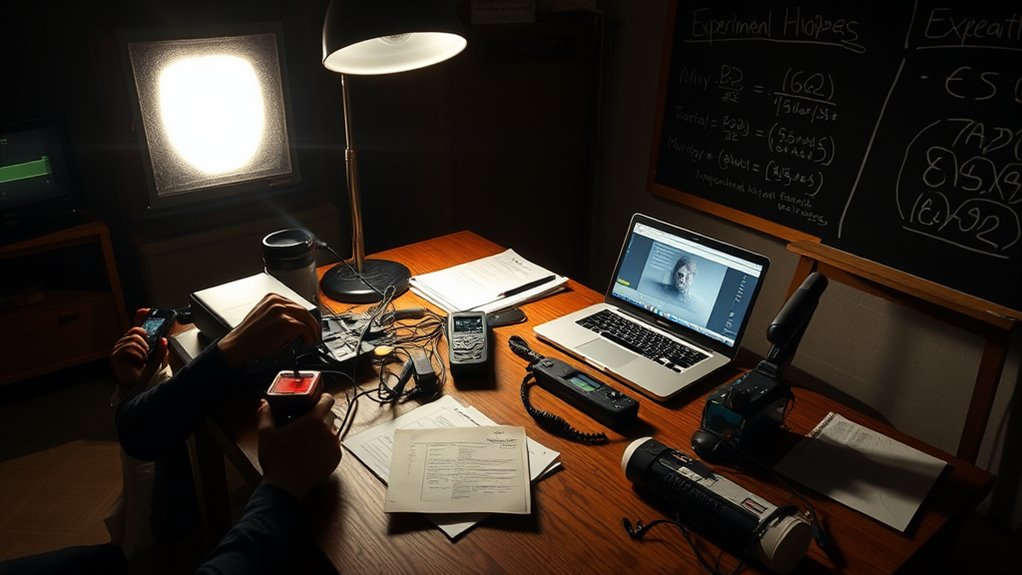
Once you’ve collected your data, the next essential step is analyzing the results carefully to identify patterns or anomalies that might indicate paranormal activity. Review your recordings, logs, and sensors systematically, looking for consistent signals or unexplained phenomena. Cross-check data points to see if similar patterns emerge across different times or conditions. Be cautious of false positives caused by environmental factors or equipment glitches. Consider statistical analysis to determine if results are significant or likely due to chance. If you find compelling evidence, plan to replicate your experiment under similar conditions to verify consistency. Replication helps rule out anomalies and strengthens your findings. Remember, rigorous analysis and repeated testing are key to distinguishing genuine paranormal activity from random noise. Additionally, understanding the experimental setup and ensuring proper controls are in place can greatly improve the reliability of your results.
Frequently Asked Questions
How Do I Ensure Ethical Considerations in Paranormal Experiments?
You guarantee ethical considerations by obtaining informed consent from all participants, clearly explaining the experiment’s purpose and potential risks. Respect participants’ privacy and avoid invasive procedures that could cause distress. Maintain honesty about your methods and findings, and handle any sensitive information responsibly. Always prioritize safety, avoid deception, and be transparent about your intentions. Regularly review ethical guidelines to uphold integrity and build trust with everyone involved in your paranormal investigation.
What Are Common Mistakes to Avoid During Setup?
You should avoid rushing the setup or making assumptions without thorough planning. Don’t neglect to eliminate environmental variables that could skew results, like noise or electromagnetic interference. Be cautious about relying solely on equipment without cross-checking data. Also, avoid bias by maintaining objectivity and keeping detailed records. Ultimately, don’t overlook safety protocols for yourself and others involved, ensuring everyone remains secure throughout the experiment.
How Can I Differentiate Between Natural and Paranormal Phenomena?
Think of yourself as a detective, like Sherlock Holmes, discerning clues. To differentiate natural from paranormal phenomena, observe patterns and environmental factors. Natural causes often follow predictable patterns, like changes in temperature or electromagnetic interference. Paranormal events tend to be inconsistent and unexplainable by science. Record everything meticulously, note context, and compare data over time. This diligent approach helps you identify genuine anomalies versus natural occurrences, guiding you closer to the truth.
What Safety Precautions Should I Take During Investigations?
You should prioritize your safety by wearing protective gear like gloves and sturdy shoes, and avoid entering unsafe areas. Always investigate with a partner and keep your phone charged for emergencies. Set boundaries to prevent getting lost or injured, and inform someone about your whereabouts. Keep a first aid kit nearby, and stay calm if you encounter anything unusual. Trust your instincts and exit immediately if you feel threatened.
How Do I Handle Unexpected Anomalies or Equipment Malfunctions?
When unexpected anomalies or equipment malfunctions strike like lightning, stay calm and think like a detective in a storm. Power down equipment if needed, document what happened, and analyze the glitch later. Keep a detailed log and don’t panic. Sometimes, these surprises reveal more than you expect. Trust your instincts, stay safe, and remember, even chaos can lead to clarity in the world of the paranormal.
Conclusion
By carefully setting up your experiment, you create a controlled environment where shadows dance and whispers fade into silence. With clear objectives guiding each step, you become the steady observer in a domain of mystery. As you document every flicker and anomaly, you build a solid foundation for understanding the unseen. When you conclude your investigation, you’ll see the faint outlines of truth emerge from the darkness, illuminating the path for future explorers.