To compare two witness stories without bias, focus on objective facts rather than personal feelings or assumptions. Recognize that memory is reconstructive, so minor differences can be natural and don’t mean one account is false. Be aware of cultural influences and external factors like stress that shape memories and descriptions. By applying neutrality and considering context, you’ll better understand variations. Continue exploring ways to maintain objectivity for a fair comparison.

Get movie nights delivered free with Prime
- Fast, free delivery on millions of items
- Prime Video, Amazon Music and more included
- Member-only deals all year
Key Takeaways
- Focus on factual details and avoid interpreting discrepancies as inaccuracies.
- Recognize that memory is reconstructive and minor differences are natural.
- Be aware of cognitive biases and external influences that may shape testimony.
- Consider cultural and normative factors influencing how stories are framed and emphasized.
- Use objective criteria to assess consistency, avoiding judgments based solely on discrepancies.
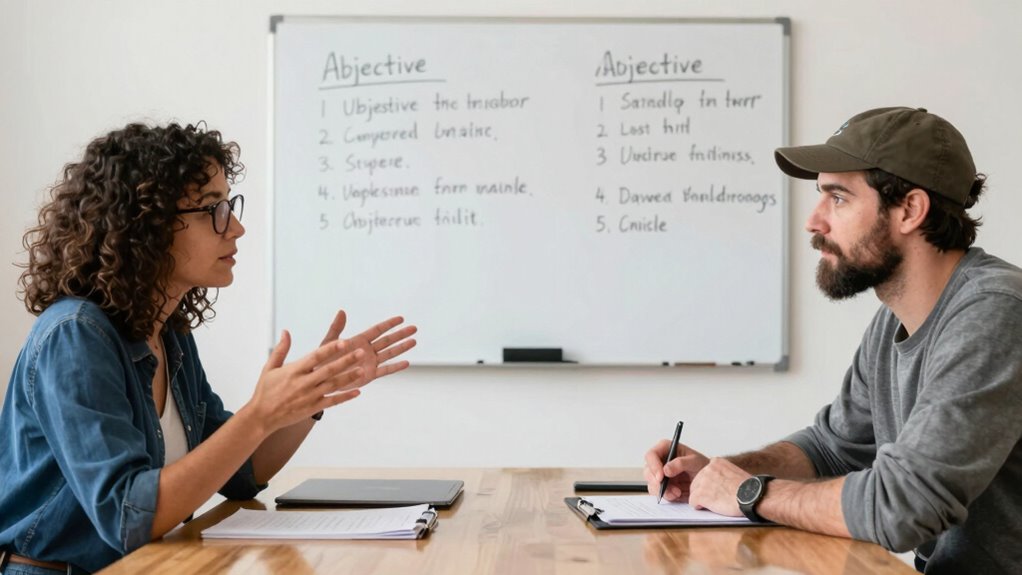
When evaluating two witness stories, it’s essential to set aside personal biases to guarantee a fair comparison. Your goal is to assess their accounts objectively, focusing on the facts rather than preconceived notions. One of the key challenges in this process is understanding that memory accuracy can vary significantly from person to person. Human memory isn’t like a perfect recording device; instead, it’s reconstructive, meaning each witness might recall the same event differently based on various factors. You should recognize that minor details may differ, and that doesn’t necessarily mean one account is wrong. Instead, it highlights how memory can be influenced by external elements, such as stress, time elapsed since the event, or even the way questions are asked. Incorporating Free Floating principles can help in assessing witness accounts more objectively by maintaining a neutral stance. Recognizing that memory reconstruction is a natural part of human cognition can help you better understand the discrepancies in witness testimonies. Additionally, research shows that cognitive biases can subtly influence how witnesses interpret and report events, further emphasizing the importance of an unbiased approach. Being aware of cultural influences also plays a crucial role in shaping how witnesses perceive and describe events, especially since cultural norms can impact what details are noticed or emphasized. People from different backgrounds might interpret situations through their cultural lens, which impacts what they notice and how they communicate it. For example, cultural norms influence the importance given to certain details or behaviors, which can lead to discrepancies in witness accounts. When comparing stories, it’s vital to consider these influences to avoid unfair judgments about reliability. Being aware of cultural differences can help you interpret variations in testimonies more accurately and fairly. You should ask yourself whether cultural differences are affecting how witnesses frame their memories, and if so, how that impacts the overall consistency of their stories.
witness statement analysis software
As an affiliate, we earn on qualifying purchases.
As an affiliate, we earn on qualifying purchases.
Frequently Asked Questions
How Can Personal Beliefs Influence Witness Accounts?
Your personal beliefs can influence witness accounts through subjectivity bias, causing you to interpret events based on your opinions rather than facts. Confirmation bias may lead you to favor information that supports your existing beliefs, shaping your memory and narration. To avoid this, stay aware of your biases, focus on factual details, and compare stories objectively, ensuring personal beliefs don’t distort the accuracy of witness accounts.
What Role Does Memory Decay Play in Testimony Accuracy?
Memory decay plays a critical role in testimony accuracy, causing memory fade over time. As you recall events, recall distortion can creep in, altering details unknowingly. This means your original memory may become hazy or distorted, impacting reliability. The longer the delay, the more likely these distortions occur, making it increasingly challenging to distinguish between accurate recollections and influenced or faded memories. Stay aware of this hidden trap in eyewitness accounts.
How to Handle Conflicting Details in Witness Stories?
When handling conflicting details in witness stories, you should rely on forensic analysis to identify facts and inconsistencies. Recognize psychological bias that might influence their perceptions and memories. Ask clarifying questions to pinpoint where stories diverge, and evaluate each witness’s credibility objectively. Cross-reference their accounts with physical evidence to determine the most accurate version. This approach helps minimize bias and enhances the reliability of your assessment.
Can Cultural Differences Affect Witness Perceptions?
Yes, cultural differences can profoundly influence witness perceptions. Cultural nuances shape how people interpret events, gestures, and even details they remember. Perception variations mean that two witnesses might see the same incident but describe it differently, influenced by their backgrounds. Recognizing these subtle influences is essential. As you analyze their stories, stay alert for these cultural shades—they might just hold the key to understanding the full story, hidden beneath surface discrepancies.
How Do Emotional States Impact Witness Reliability?
Your emotional state can considerably impact witness reliability by creating emotional influence that skews perception. When you’re highly emotional, bias susceptibility increases, making it harder to recall details objectively. Strong feelings like fear or anger might cause you to focus on certain aspects while ignoring others. To minimize this, it’s crucial to recognize how emotions can distort memory and aim for a neutral, calm mindset when recounting events.
bias detection in witness testimonies
As an affiliate, we earn on qualifying purchases.
As an affiliate, we earn on qualifying purchases.
Conclusion
By keeping an open mind and sticking to the facts, you can compare witness stories fairly and accurately. Remember, don’t jump to conclusions or let personal feelings cloud your judgment. Stay objective, weigh each account carefully, and look for consistency. It’s all about seeing the forest for the trees. When you approach it with a clear head, you’ll find the truth emerges naturally—sometimes, you have to read between the lines to see the full picture.
memory reconstruction tools for investigators
As an affiliate, we earn on qualifying purchases.
As an affiliate, we earn on qualifying purchases.
objective witness comparison guides
As an affiliate, we earn on qualifying purchases.
As an affiliate, we earn on qualifying purchases.
Halloween Picks
halloween
As an affiliate, we earn on qualifying purchases.