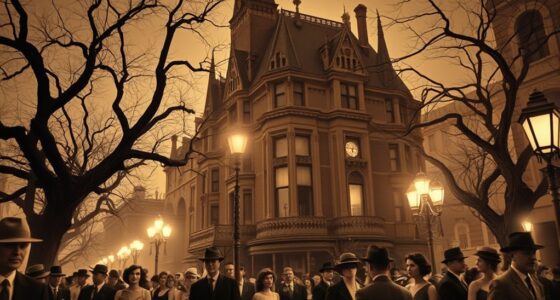
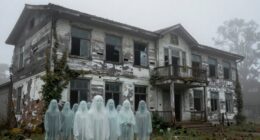
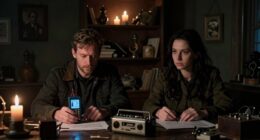
During World War I, spiritualism grew as soldiers and families sought comfort through séances and mediums after experiencing loss and chaos. Many reported seeing apparitions of loved ones, especially during moments of exhaustion. These encounters offered solace, creating a sense of connection beyond death. While some believed in genuine spirits, skeptics questioned the authenticity. If you explore further, you’ll discover how these beliefs shaped wartime culture and continue to influence perceptions today.
Key Takeaways
- WWI heightened interest in spiritualism as soldiers sought comfort through séances and mediums for connection with lost comrades.
- Soldiers reported seeing apparitions of loved ones or fellow soldiers, providing psychological relief amid trauma.
- Spiritualist practices like trance communication and séances became common, offering hope and closure to grieving families.
- Public perception varied; spiritualism was both a comforting tradition and subject to skepticism and accusations of trickery.
- Despite its popularity, spiritualism’s authenticity was questioned, and scientific scrutiny cast doubt on its legitimacy during and after the war.
Top picks for "spiritualism world soldier"
Open Amazon search results for this keyword.
As an affiliate, we earn on qualifying purchases.
The Rise of Spiritualist Movements During Wartime
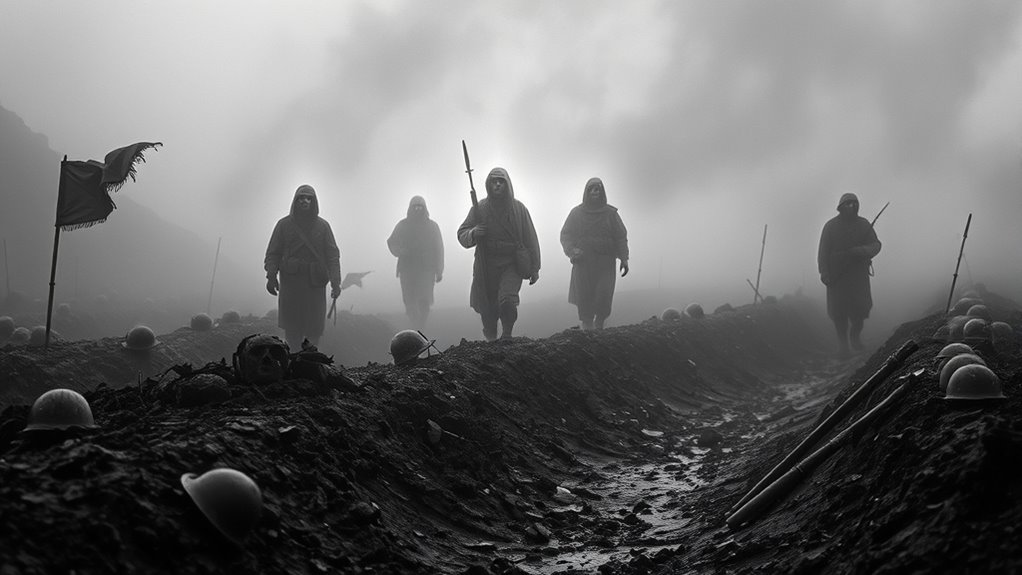
During World War I, spiritualist movements gained sudden prominence as many sought comfort amid the chaos and loss. You might notice that people turned to séances and mediums more frequently, searching for reassurance that loved ones who died could still communicate. The widespread devastation made the idea of contacting spirits appealing, offering a sense of connection beyond death. Spiritualists claimed they could bridge the gap between the living and the dead, providing closure and hope. As soldiers faced unimaginable trauma, civilians and military personnel alike found solace in these practices. The media and spiritualist organizations promoted the idea that spirits could bring messages of comfort, making such beliefs more mainstream during this tumultuous time. This surge reflected a collective desire to find meaning amidst suffering.
Personal Encounters: Soldiers and Apparitions
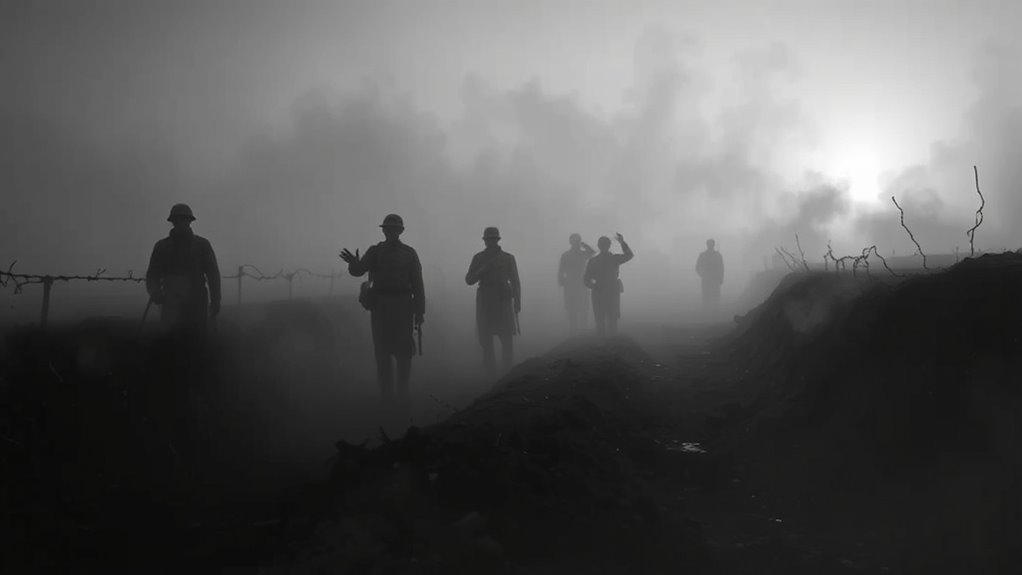
Many soldiers returning from the trenches reported seeing apparitions of loved ones or fellow soldiers, blurring the line between reality and hallucination. These encounters often occurred during moments of exhaustion or grief, making it hard to tell what was real. Some soldiers described feeling a comforting presence, as if a departed loved one was offering reassurance. Others claimed to see ghostly figures standing nearby, sometimes reaching out or whispering. These visions often provided solace amid chaos, helping soldiers cope with trauma and loss. While skeptics dismissed these as hallucinations or stress responses, many believed these encounters were genuine signs of the spiritual world reaching into their pain. These personal experiences fueled the widespread belief that spirits of the fallen sought connection and comfort from the living. Additionally, some accounts mention the use of spiritualism as a means of understanding and communicating with the spirits of those lost in war.
Mediumship and Séances: Bridging the Living and the Dead
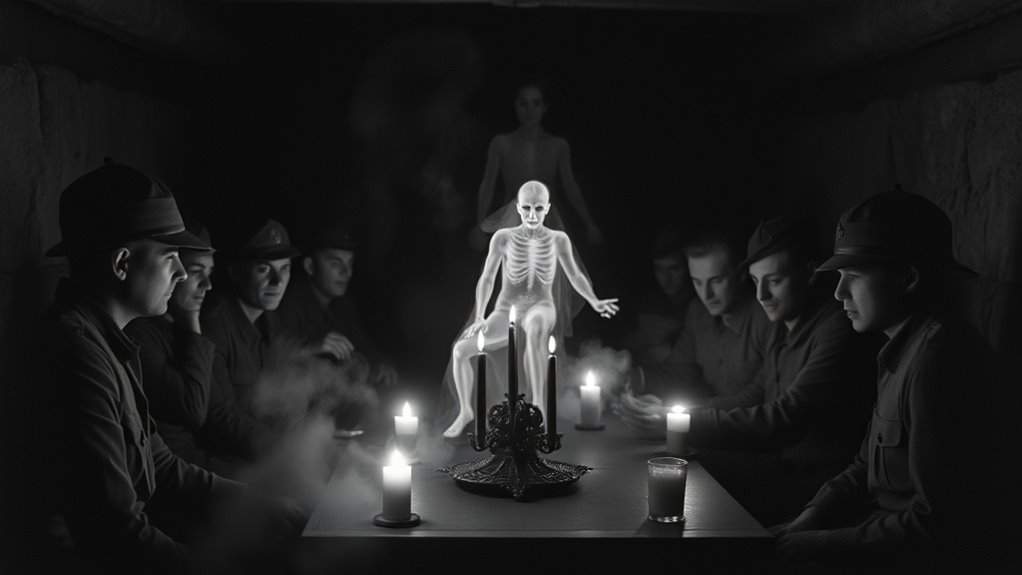
As soldiers grappled with grief and uncertainty after the war, they turned to mediums and séances in hopes of reaching the departed. These gatherings offered a sense of connection and closure, promising communication beyond death. You might attend a séance, where a medium claims to channel spirits through trance or automatic writing. Some mediums used tools like planchettes or pendulums to facilitate contact, creating an atmosphere of mystery and hope. The practice of Mediumship Practice provided comfort, transforming grief into a shared spiritual experience.
Cultural Impact and Public Perception of Spirit Communication
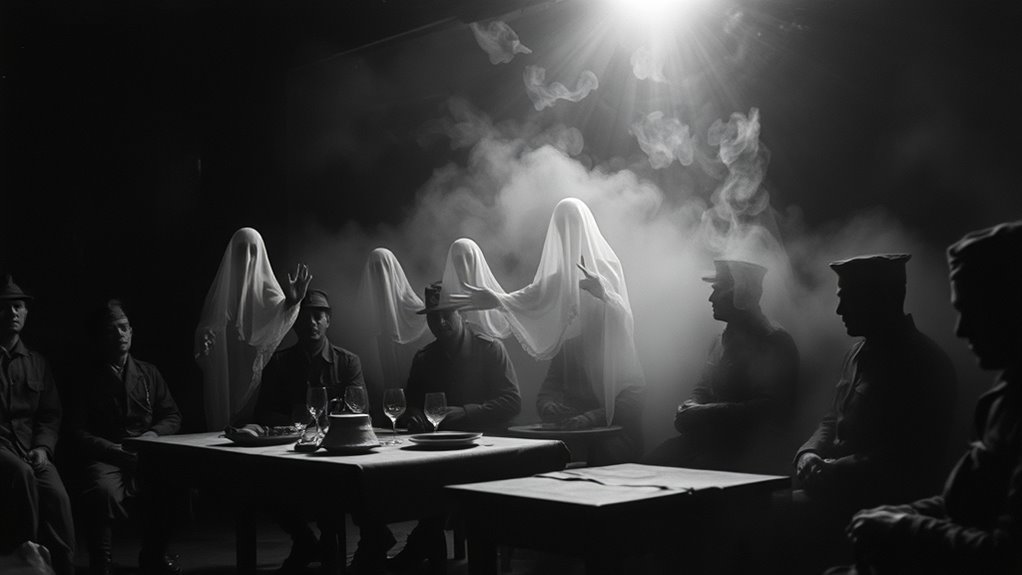
The public’s perception of spirit communication during and after World War I dramatically shaped its cultural impact. Many saw it as a comforting link to lost loved ones, while others viewed it with suspicion or fear. This duality created a vivid cultural landscape, where:
- Families gathered in dimly lit rooms, candles flickering as they sought messages from the beyond.
- Spiritualist rallies drew crowds enthusiastic for reassurance, their hopes palpable in the air.
- Skeptics dismissed séances as tricks, fueling debates about science versus superstition.
This mix of belief and doubt fueled widespread fascination. Spirit communication became a symbol of mourning, hope, and mystery, deeply embedded in the wartime collective consciousness.
Legacy and Skepticism Surrounding War-Era Spiritualism

Despite the widespread popularity of spiritualism during World War I, its legacy remains complex, with skepticism often overshadowing its cultural impact. Many question whether the messages from spirits were genuine or just tricks played by charlatans. Scientific investigations and skeptics have challenged the authenticity of spirit communication, fueling doubts about its legitimacy. While spiritualism provided comfort to grieving families, critics argue it exploited their grief for profit. Today, the movement’s influence is viewed through a skeptical lens, highlighting the tension between genuine belief and scientific skepticism. You might see spiritualism as a heartfelt response to tragedy or as a deceptive practice. Its historical significance endures, but its reputation is often marred by doubt and controversy. Additionally, encryption solutions and cybersecurity measures have been employed to protect personal information related to spiritualist communications, underscoring the importance of safeguarding sensitive data even in areas fraught with skepticism.
Frequently Asked Questions
How Did Spiritualist Beliefs Influence Soldiers’ Mental Health During WWI?
Your spiritualist beliefs provided soldiers with a sense of comfort and hope during WWI. By believing in communication with loved ones who had died, you could cope with grief and trauma more effectively. These beliefs offered emotional relief, reducing feelings of isolation and despair. They also fostered a community of support among soldiers, helping you maintain mental resilience amid the horrors of war.
Were Specific Military Units More Inclined Toward Spiritualism?
Certain military units, especially those with close-knit groups like infantry divisions, were more inclined toward spiritualism. You’d notice that soldiers facing intense trauma or loss often sought comfort through spiritualist practices. Units with a higher prevalence of spiritualist beliefs usually fostered a sense of hope and connection, helping soldiers cope with the horrors of war. These groups actively engaged in séances and communicated with spirits, finding solace amid chaos.
Did Governments or Military Officials Suppress or Endorse Spiritualist Activities?
Back in the day, governments mostly kept mum about spiritualist activities, seeing them as unpatriotic or a distraction during wartime. They didn’t officially endorse them and often suppressed séances and ghost-hunting efforts to maintain morale and order. However, some military officials privately believed in spiritualism, hoping it might help soldiers cope with trauma. So, while it wasn’t officially encouraged, it persisted in secret circles among soldiers and civilians alike.
What Role Did Women Play in the Spiritualist Movement During the War?
During the war, women played a central role in the spiritualist movement by organizing séances, spreading beliefs, and supporting grieving soldiers’ families. You’d find women leading spiritualist societies and advocating for communication with loved ones lost in the war. Their active participation helped legitimize spiritualism, providing comfort and hope amid the chaos. Women’s involvement also challenged gender norms, empowering them as influential figures in a male-dominated society.
Are There Documented Cases of Wartime Spiritual Messages Later Verified?
Yes, there are documented cases of wartime spiritual messages that were later verified, though they are rare and often debated. You might find stories where individuals received specific details about loved ones that were confirmed later, lending some credibility. However, skeptics argue these cases could be coincidences or tricks of memory. Overall, while intriguing, such verified instances remain limited and controversial within the broader spiritualist movement.
Conclusion
As you reflect on these ghostly echoes from history, remember how they echo the eternal human desire to reconnect beyond the veil, much like Orpheus daring to reach into the underworld. Spiritualism during World War I offered comfort and closure, yet it also reminds us of our fragile grasp on certainty. In seeking answers from the beyond, you glimpse the timeless struggle between faith and skepticism, a dance as old as time itself.