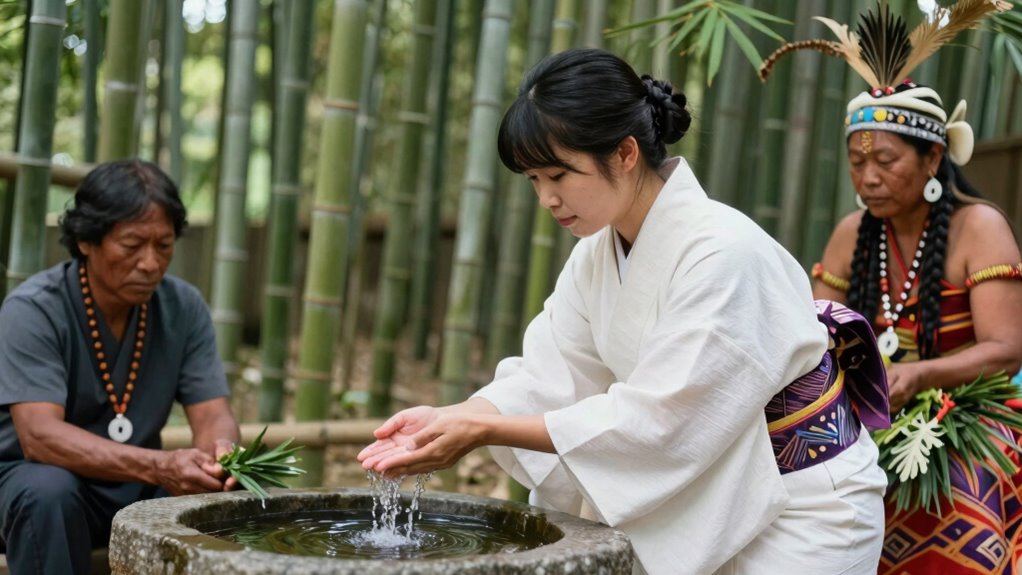

Ritual cleansing differs across cultures by using unique elements like water, fire, or herbs to symbolize spiritual renewal. For example, Hindus bathe in the Ganges to wash away sins, while Christians are baptized for rebirth. Native Americans burn sacred herbs to clear negative energy, and Japanese fire ceremonies purify environments. Despite these differences, all aim to help individuals shed past burdens and start fresh. Keep exploring to discover more about these meaningful traditions.

Get movie nights delivered free with Prime
- Fast, free delivery on millions of items
- Prime Video, Amazon Music and more included
- Member-only deals all year
Key Takeaways
- Different cultures use unique elements like water, fire, herbs, or smoke to symbolize purification.
- Ritual practices vary, including baptism in Christianity, Ganges bathing in Hinduism, or smudging in Indigenous traditions.
- The symbolism of cleansing elements reflects cultural beliefs about spiritual renewal and transformation.
- Methods and rituals are tailored to specific spiritual or religious contexts, emphasizing cultural identity.
- Shared goal across cultures is to facilitate spiritual rebirth, purify negative energy, and mark transitions.
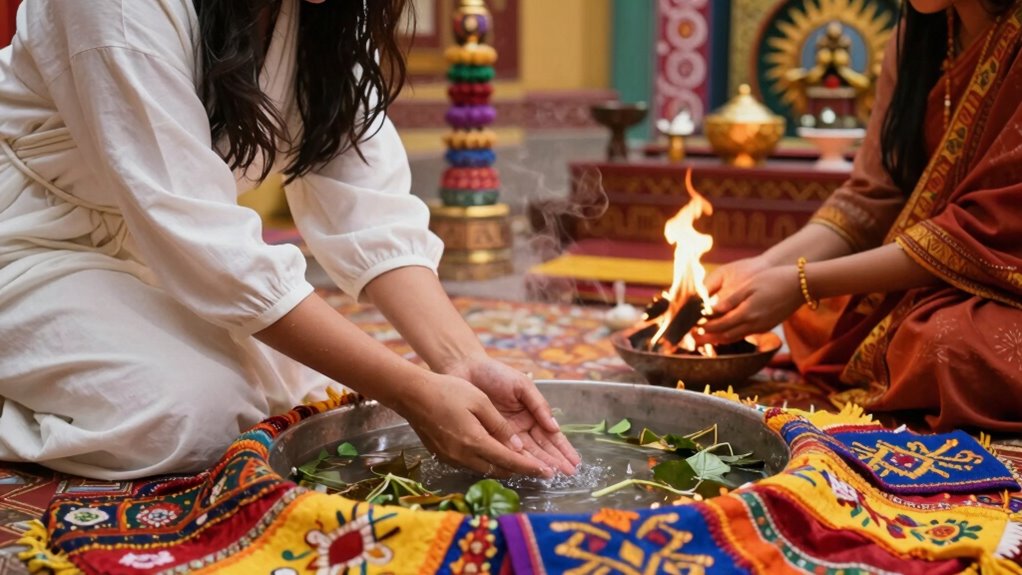
Have you ever wondered why so many cultures around the world incorporate ritual cleansing into their traditions? It’s because these acts often serve as more than just physical cleanliness; they symbolize purification and spiritual renewal. When you participate in a cleansing ritual, you’re not only washing away dirt but also shedding negative energy, bad luck, or past mistakes. Different cultures interpret this symbolic purification in unique ways, yet all share the common goal of preparing individuals for new beginnings or sacred experiences.
Ritual cleansing symbolizes spiritual renewal and prepares us for new beginnings across diverse cultures worldwide.
In some traditions, water plays a central role, seen as a powerful element that can wash away impurities on both physical and spiritual levels. For example, in Hinduism, the Ganges River is revered as a divine force capable of purifying the soul. Pilgrims bathe in its waters to cleanse themselves of sins and attain spiritual renewal. Similarly, in Christianity, baptism symbolizes rebirth and the washing away of original sin. You might find yourself immersed in water during these ceremonies, feeling a sense of renewal and spiritual cleansing that marks a passage from one phase of life to another.
Other cultures use fire as a means of symbolic purification. In Japan, the ritual of burning paper offerings during certain festivals is believed to release negative energies and purify the environment. Fire’s transformative power makes it an effective tool for spiritual renewal, helping individuals purge emotional burdens or past transgressions. You may participate in fire ceremonies to experience a sense of liberation, feeling lighter and more at peace afterward. Additionally, the symbolism of fire underscores its role as a transformative and cleansing force across various traditions.
Certain indigenous traditions incorporate sacred herbs and smoke to achieve cleansing. Native American smudging rituals, for example, involve burning sage or sweetgrass to clear negative spirits and energetic clutter. As you breathe in the fragrant smoke, you’re engaging in a symbolic act of spiritual purification that prepares you for sacred ceremonies or new life phases. The smoke acts as a bridge between physical and spiritual dimension, facilitating a profound sense of renewal. Additionally, understanding how color temperature adjustments can influence the perceived ambiance of a space highlights the importance of environment in enhancing the effectiveness of these rituals.
Across cultures, the specific methods and symbolism of ritual cleansing vary widely, yet they all aim for the same core purpose: to facilitate spiritual renewal and symbolize a fresh start. Whether it’s through water, fire, herbs, or other elements, these rituals help you connect with deeper spiritual truths and leave behind the burdens of the past. By engaging in such practices, you participate in a universal act of renewal that transcends individual traditions, reminding you that cleansing is often as much about the soul as it is about the body.
As an affiliate, we earn on qualifying purchases.
Frequently Asked Questions
How Are Ritual Cleansing Practices Evolving in Modern Society?
Modern adaptations and digital influences are transforming ritual cleansing practices today. You might find people incorporating new methods like virtual guided rituals or using apps for mindfulness and purification. These practices blend traditional rituals with contemporary technology, making cleansing more accessible and personalized. As society evolves, you’ll notice a shift toward integrating digital tools, allowing individuals to engage in ritual cleansing anytime, anywhere, while maintaining cultural and spiritual significance.
What Are the Historical Origins of Specific Cleansing Rituals?
You’re really diving into the roots of cleansing rituals, and it’s fascinating. Historically, these practices often stem from ancient beliefs about renewal, purity, and spiritual rebirth. Their origins are deeply rooted in historical symbolism and cultural significance, reflecting society’s views on cleansing the body and soul. These rituals, passed down through generations, show that even today, they hold powerful meaning, symbolizing more than just physical cleansing—they embody a desire for spiritual renewal.
Do Ritual Cleansings Have Psychological Benefits?
Ritual cleansings can offer psychological healing by helping you release stress, negative emotions, and mental clutter. These practices often promote mental clarity, allowing you to feel more focused and centered. Engaging in ritual cleansing provides a sense of renewal and control, enhancing your emotional well-being. By dedicating time to these rituals, you may find it easier to navigate life’s challenges with a calmer, more balanced mind.
How Do Ritual Cleansings Influence Community Bonding?
Ritual cleansings foster community bonding by encouraging shared participation in ceremonial purification. As you take part in these rituals, you feel a sense of unity and collective identity. The act of cleansing together strengthens social ties, creating a supportive environment. These ceremonies promote trust and solidarity, making everyone feel connected through a meaningful and symbolic process. Ultimately, ceremonial purification acts as a powerful tool for building and maintaining communal bonds.
Are There Common Elements Shared by Different Cleansing Rituals Worldwide?
Yes, many cleansing rituals worldwide share common elements. You’ll find sacred waters used for spiritual purification, symbolizing renewal and connection to the divine. Whether it’s bathing in rivers or sprinkling water, these rituals often mark changes or seek spiritual cleansing. You’re participating in a universal practice that involves sacred waters, emphasizing purity, renewal, and a deeper spiritual connection across different cultures and traditions.
As an affiliate, we earn on qualifying purchases.
Conclusion
As you explore different cultural cleansing rituals, you’ll see how they reflect unique beliefs and values. For instance, in Japan, the misogi ritual involves cold water to purify the body and mind, fostering spiritual renewal. Imagine someone feeling overwhelmed by life’s stresses, finding relief through this ancient practice. No matter the culture, these rituals serve as powerful symbols of renewal, helping you shed negativity and embrace fresh beginnings. Embrace these diverse traditions to deepen your understanding of human connection and spirituality.
As an affiliate, we earn on qualifying purchases.
As an affiliate, we earn on qualifying purchases.
Halloween Picks
halloween
As an affiliate, we earn on qualifying purchases.