TL;DR

Get movie nights delivered free with Prime
- Fast, free delivery on millions of items
- Prime Video, Amazon Music and more included
- Member-only deals all year
Pop culture collectible figures are three-dimensional representations of characters, performers, mascots, or objects from entertainment and online culture. Choose a format and scale that suit your space and budget, check licensing and seller details, and protect the figure from sun and heat. A limited edition can be hard to find, but it is never a promise of future value.
A little plastic hero can take over an entire shelf. Maybe you bought one figure because a movie stayed with you, then noticed its sculpted jacket folds, tiny painted eyes, and the satisfying click of a well-made joint. Suddenly, you’re comparing versions and wondering where the next one will fit.
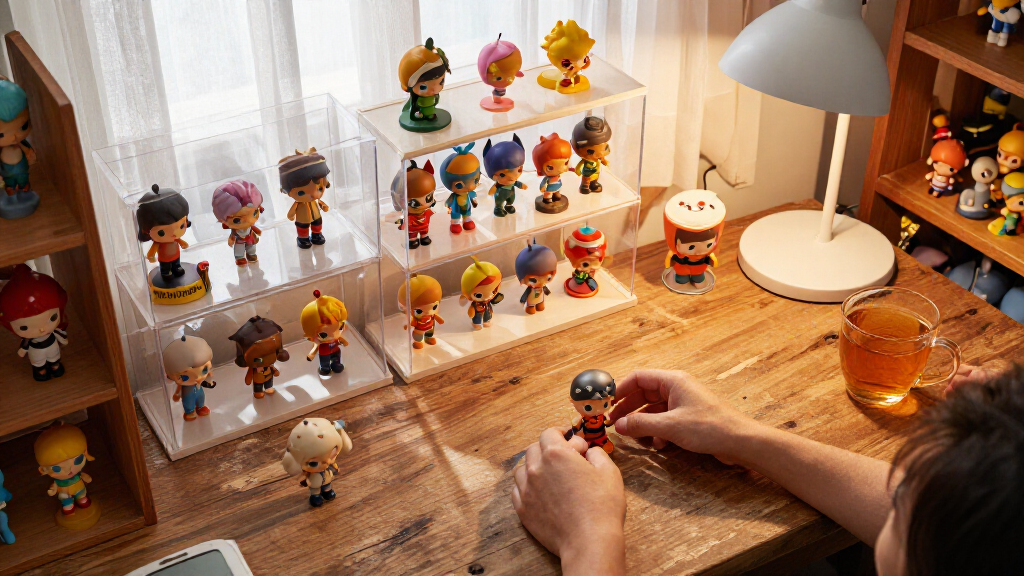
Pop culture collectible figures turn fandom into something you can see, arrange, and enjoy at home. They range from affordable mass-market toys to detailed statues and independent designer pieces. This guide explains the main formats, how to choose a first figure, what to check before buying, and how to care for your display.
The pleasure is immediate: you get to live with a character or design you love. Resale value is less certain. If you’re buying your first figure—or deciding whether an exclusive release is worth its price—focus on what you’ll enjoy owning, not just what someone claims it might sell for later.
Choose a format based on whether you want to pose, build, or display your figure.
Compare actual measurements and product photos because scale labels vary between brands.
Budget for shipping, accessories, and display space along with the item’s price.
Treat limited-edition claims as release information, not a promise of future resale value.
Protect figures from direct sunlight and heat, and clean them gently using the maker’s guidance.
What counts as a pop culture collectible figure?
A pop culture collectible figure is a three-dimensional representation of a character, performer, mascot, or object from entertainment or internet culture that someone keeps for fandom, display, or collecting. It might be a poseable superhero, a statue of an anime character, a tiny game mascot, or a vinyl figure inspired by a musician. The category covers both toys you can play with and pieces meant to sit behind glass.
That range matters when you’re comparing prices. A basic mass-market figure may prioritize sturdy joints and broad availability, while a resin statue may devote its budget to a dramatic pose and intricate paintwork. One isn’t automatically better; each serves a different purpose. If you want to recreate a scene with your action figures, articulation matters more than a perfectly smooth, fixed pose.
Materials shape how a piece feels and how you care for it. PVC and ABS plastic are common in figures with molded parts; vinyl often appears in stylized designs, while resin can support fine sculpted detail. A heavy statue with a fragile accessory needs a steadier shelf than a small, sturdy toy. Read the maker’s product description and age guidance before buying.
Licensed figures use designs approved by a rights holder, while independent artists may create original or fan-inspired work subject to intellectual-property rules. For example, a licensed game character might preserve a recognizable costume, while an artist’s original monster takes a more personal direction. The item’s appeal can come from the character, the craft, or both.
Popular right now

De'Longhi Rivelia Automatic Espresso Machine with Grinder and Milk Frother, Beige

Dyson V8 Cyclone Cordless Vacuum

Shark Rotator Lift-Away Upright Vacuum with DuoClean PowerFins, Wine Purple, LA702
As an affiliate, we earn on qualifying purchases.
Pick a figure style that fits how you collect
Choose a figure format by asking what you want to do with it: pose it, study its detail, build it, or simply display it. Articulated action figures offer movement and interchangeable parts; statues trade pose changes for a fixed sculpt; model kits invite assembly; miniatures suit compact displays and tabletop scenes. Plush collectibles add a soft, tactile option that looks at home on a couch as well as a shelf.
Imagine two fans buying the same character. One wants to recreate a rooftop fight, so a poseable figure with extra hands and a fabric cape makes sense. The other wants a dramatic centerpiece with flowing sculpted fabric and a painted base; a statue may give that display more impact. Their collections can both be thoughtful, even if the pieces serve opposite purposes.
Scale helps you estimate size, but it is not a universal guarantee of matching heights. Figures labeled 1:12 and 1:6 are common formats, yet character proportions and brand conventions vary. A superhero and a giant robot at the same stated scale may not stand at the same height. Check listed measurements and photos beside familiar objects before ordering.
Space can settle the choice. A 1:6 figure with a wide pose and accessories needs more room than a compact vinyl collectible, and a growing line can crowd a shelf quickly. Measure the display area first. If you collect several characters, compare their actual heights and bases so your planned lineup looks intentional rather than like a row of mismatched giants.
Compare figure formats before you spend
For a first purchase, match the format to your budget, display space, and preferred level of interaction. Action figures give you poses to change, statues usually emphasize a carefully sculpted scene, and designer vinyl often leans into a distinctive look. The same character can appear in all three, so a quick comparison can stop you paying for features you won’t use.
| Format | What you get | Good fit for | Check before buying |
|---|---|---|---|
| Articulated action figure | Movable joints and sometimes extra parts | Fans who like posing or play | Joint range and accessory storage |
| Statue | A fixed pose with emphasis on sculpt and paint | Display-focused collectors | Base size, weight, and fragile parts |
| Vinyl figure | A stylized design, often in a compact format | Collectors seeking a simple shelf display | Height and finish across variants |
| Model kit | Parts to assemble, sometimes paint | Fans who enjoy hands-on building | Tools, skill level, and assembly time |
Use the comparison in a real shopping moment: you have space for one character on a narrow desk shelf. A statue with a wide base might look striking but leave no room for your books. A smaller articulated figure could fit neatly and let you change the pose when you rearrange the desk.
Packaging and included parts also affect the experience. An action figure may include alternate faces or hands, while a statue might arrive in a large box that takes up storage space. Product photos can hide dimensions, so look for measurements and read what comes in the package. Compare the complete cost, too: shipping and taxes can make a seemingly affordable release much more expensive.
Use this five-step check before you buy
A good figure purchase starts with the character or design you genuinely want, then checks whether the actual product suits your room and budget. Before ordering, spend a few minutes on the release details, measurements, seller, and return terms. That short pause can save you from a figure that arrives too large, differs from the photos, or costs more to ship than you expected.
- Set your limit. Include tax, shipping, and any display case or stand you may need.
- Check the format and size. Compare stated height, base width, and accessories with your shelf.
- Review the official product details. Look for the maker, licensing information, materials, and confirmed release description.
- Check the seller. Read its reputation, return policy, shipping costs, and item condition.
- Decide what happens to the box. Keep it if packaging matters to you or you want the option of storing the figure safely.
For example, a preorder for a favorite streaming-series character might look simple until you see an estimated release window far in the future. Product dates can move, so read the seller’s cancellation, payment, and refund terms before paying. An estimate is a plan, not a guaranteed arrival day.
It also helps to check whether a release is licensed, an exclusive, or a later variant. A retailer-exclusive paint color can appeal to you without being the best version for everyone. Ask yourself whether you would still want the figure if it never became harder to find. If the answer is yes, you’re buying the design rather than gambling on scarcity.
Separate limited-edition hype from likely value
A limited-edition label does not guarantee a figure will rise in value. Future resale demand depends on more than production quantity: collectors also care about popularity, condition, authenticity, completeness, and whether the maker releases the figure again. Scarcity can make an item harder to find, but it cannot make every character or design equally desirable.
Think about two figures released in small quantities. One features a much-loved character with distinctive sculpting and steady fan demand; the other has an unusual color variant that only a few collectors seek. Both may be scarce, but their resale appeal can differ sharply. A later reissue could also cool demand for the first figure, even if the original release was once difficult to buy.
When you’re shopping secondhand, inspect paint, missing parts, packaging, and proof of origin. A figure advertised as complete may be missing an alternate face that changes its value to a collector. Compare photos with official product references and ask the seller for clear pictures of the figure, box, and any accessories. Be cautious when a popular release is priced far below other listings.
Buy a figure because you like having it. Treat any future resale price as uncertain, even when the box says “limited.”
Marketplaces and social media make it easier to spot releases and compare listings, but online excitement can amplify hype. For a current product, verify price, release date, and edition details with the manufacturer or retailer; availability changes quickly. A high original price says what the seller charges, not what another collector will later pay.
Keep your figures bright, clean, and easy to enjoy
Good display care starts with three simple protections: keep figures out of direct sun, away from high heat, and in a stable, dry spot. Sunlight can fade colors over time, while heat may affect some materials or parts. A bright windowsill can make a figure glow at noon, then leave its paint and packaging exposed day after day.
Dust gently with a soft brush or clean cloth, following the maker’s care instructions for the material. Avoid harsh cleaners unless the manufacturer recommends one; an unfamiliar solvent can damage paint or leave a dull patch. If a delicate statue has thin accessories, hold the main body securely while cleaning around the fragile pieces rather than pulling on them.
Your display can also tell a small story. Arrange figures by franchise, color, character, or era: a row of space heroes beside a silver desk lamp can feel like a tiny mission bay. Leave room to remove a figure safely, especially if the base is wide or the accessories are easy to knock loose. Crowding makes routine dusting feel like careful surgery.
Packaging is part of the collection for some people and just cardboard for others. Keeping the box can help with storage or appeal to a future buyer, but it takes up space and doesn’t guarantee a higher resale price. Decide before opening the package. If you prefer the figure out of its box, make a safe place for the packaging or recycle it according to local rules.
Frequently Asked Questions
What counts as a collectible figure?
A collectible figure is any figure you keep mainly for fandom, display, or collecting. It could be an inexpensive mass-market toy, a vinyl character, a model kit, or a high-end statue.
Are collectible figures toys or display pieces?
They can be either. Articulation and sturdy construction may suit posing or play, while a static statue may be designed mainly for display. Check the maker’s age guidance and product description.
What do 1:12 and 1:6 figure scales mean?
They describe a figure’s approximate size relative to its character. Brands and character proportions vary, so check the listed height and product photos if you want figures to match on a shelf.
How can I tell if a figure is authentic?
Compare the logos, packaging, sculpt, and product details with official references. Buy from a reputable seller, review its return policy, and be cautious if a popular release costs far less than comparable listings.
Do limited-edition figures gain value?
Some do, but there is no guarantee. Demand, condition, authenticity, completeness, and later reissues can all affect resale prices, so buy a figure because you want to own it.
Should I keep my figure’s box?
Keep it if packaging is part of your collection or you want to store the figure safely. Otherwise, decide based on your display preferences and available space; keeping a box does not promise a better resale price.
How should I clean and store figures?
Follow the maker’s care guidance and dust gently with a soft brush or cloth. Keep figures away from prolonged direct sunlight and high heat, and store delicate pieces in a dry, stable place.
Conclusion
Start with one character or design you’d be happy to see on your shelf every day. Check its size, format, seller, and full cost, then buy the version that suits your space and budget. That simple approach leaves room for the best part of collecting: choosing pieces that mean something to you.
A collection does not need a forecast or a perfect lineup. It can be one small hero catching the afternoon light—just keep that light off the shelf.