
TL;DR

Get movie nights delivered free with Prime
- Fast, free delivery on millions of items
- Prime Video, Amazon Music and more included
- Member-only deals all year
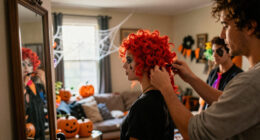
Halloween costume accessories—such as hats, masks, makeup, props, and gloves—can make everyday clothes read as a character with very little effort. Choose one or two recognizable details, test their fit before Halloween, and check visibility, skin instructions, and venue rules so your costume works for the whole night.
A black shirt, a pointed hat, and a flash of green makeup can say “witch” before you say a word. Halloween costume accessories often do the storytelling, letting you build a recognizable look from clothes you already own.
This guide helps you choose the details that make an outfit click, check that they feel good through a party or evening walk, and make simple DIY additions. You’ll also find practical safety and venue checks, because a great costume should work after the first photo, too.
Start with one recognizable accessory and add a second only if it supports the same character.
Test masks, wigs, makeup, shoes, and gloves at home before Halloween night.
For evening walks, prioritize clear vision, comfortable footwear, and reflective or illuminated details.
Check product directions, age guidance, skin instructions, and venue rules before using accessories.
Reuse, borrow, or make simple pieces to build a costume without buying a full outfit.
Why a Few Accessories Can Make Your Costume Click
Halloween costume accessories are the finishing details that help other people recognize a character, theme, or mood. A hat, mask, wig, prop, makeup effect, or pair of gloves can turn basic clothing into a complete costume. They can also give you an easy way to join in without wearing a full outfit.
Think of your look as a quick visual signal. A red cape over regular clothes suggests a vampire or superhero; add plastic fangs and a dark collar, and the vampire idea lands faster. For a last-minute party, a striped shirt, paper cat ears, and a drawn-on whisker can do more work than several unrelated accessories.
One or two clear details usually make a stronger impression than a pile of pieces that point in different directions. If you’re dressing as a pirate, a bandana and eye patch fit together; a fairy wand may leave people guessing. Choose details that support the same idea.
Pick Accessories That Keep Their Charm All Night
Halloween costume accessories work best when you can wear them comfortably for the event you have planned. Check weight, heat, fabric, fit, and visibility before you commit, especially if you’ll be walking, dancing, or spending hours in a crowded room. These details affect more than comfort: if an accessory keeps slipping or makes you overheat, you may take it off, and the character-defining part of the costume disappears with it.
A full-face mask may look dramatic in a photo but feel hot after ten minutes. Try it on at home and turn your head, speak, and walk around; if it shifts or blocks your view, a half-mask or face paint may suit the evening better. A half-mask preserves more of the face and can be easier to see through, while face paint avoids a bulky covering but takes time to apply and remove. Likewise, a long wig can finish a character’s silhouette but feel itchy under a warm indoor light.
Everyday shoes can be a better costume choice than stiff themed boots if you’ll be walking between houses. You can keep the character’s look with a belt, hat, or makeup while giving your feet familiar support. For a sensory-sensitive wearer, a soft headband with fabric ears may feel better than a tight mask or scratchy wig. The practical choice depends on where you’ll spend the night: an accessory that works for a short indoor party may become tiring during a long walk.
Try the whole look before Halloween night. A five-minute test can reveal a slipping hat, itchy seam, or mask that makes it hard to see the sidewalk. Wear it long enough to sit, move, and do ordinary tasks too; comfort problems often show up once the novelty wears off.
Build a Last-Minute Costume in Three Simple Steps
You can make a last-minute costume by starting with ordinary clothes and adding one or two details that clearly signal your character. A black outfit becomes a workable witch look with a pointed hat and dark lipstick; a white shirt can suggest a chef with a paper hat and a clean apron. Start with what’s already in your wardrobe. This keeps the costume affordable and gives you a familiar base, so your effort can go toward details people will actually notice.
- Choose one clear idea. Pick a character or theme you can explain in a word, such as “witch,” “cat,” or “detective.” A focused idea makes it easier to choose details that work together and avoids spending time on pieces that muddy the look.
- Add the signature detail. Choose a hat, scarf, cape, themed jewelry, makeup, or prop that makes the idea recognizable. For a detective, a notebook and a simple magnifying glass prop can do the job. One visible clue is often enough; adding several can cost more without making the costume easier to read.
- Wear-test the combination. Walk, sit, and move your arms. Swap anything that slips, scratches, blocks your view, or makes the outfit too warm. A costume that stays comfortable is more likely to last through the event than one that only works while you stand still.
DIY works especially well for accessories that need to be light and simple. Paper or fabric ears, a decorated hat, a cardboard badge, or themed jewelry can add personality without demanding a new outfit. Use sturdy materials and skip sharp edges, particularly for children. Homemade pieces can be inexpensive and easy to customize, though they may not hold up as well to rain, rough play, or a crowded room; reinforce anything that might bend or come loose.
If you’re using face paint or adhesive, read the product directions and test a small area of skin in advance. Skin-friendly products can still irritate some people, and makeup near the eyes needs special care. A painted detail on the cheek may be a more comfortable option than a mask that covers the whole face, but it requires a product suited to skin and time for removal. Planning for both application and cleanup helps prevent a last-minute costume detail from becoming an uncomfortable distraction.
Compare Masks, Makeup, Props, and Clothing Details
The right Halloween costume accessories depend on the look you want and how you’ll spend the evening. Masks create an instant character, while makeup and clothing details can leave your face and movement less restricted. That tradeoff matters most when you need to see clearly, talk with people, or move through a busy venue. Use this quick comparison to narrow the choice.
| Accessory | What it adds | Check before wearing |
|---|---|---|
| Mask | A striking face or character shape | Clear vision, airflow, and a secure fit |
| Makeup | Color and character detail without a bulky face covering | Skin directions and a small-area test |
| Hat, cape, or themed jewelry | A recognizable silhouette or accent | Comfort, secure fit, and snagging risks |
| Prop | A visible clue, such as a wand or notebook | Blunt edges and venue rules |
| Gloves | Color or character detail from head to hand | Grip, warmth, and freedom to use your hands |
Gloves can turn basic clothing into a complete costume when their color or shape fits the character, but thick gloves may make it harder to hold a phone or open a door. A pair of black gloves can help a magician look polished; if you’ll be handling candy bags or serving food, thin, flexible gloves may be easier to wear. The closer a glove fits the activity, the less likely you are to remove it and lose that finishing detail.
No single option wins every time. Makeup can suit someone who dislikes masks, but it takes time to apply and remove. A prop may help tell the story, but a school or event venue may not allow it, so check the rules before you buy or make one. Consider what you need the accessory to do: the most dramatic choice in a photo may be less useful when you’re walking, eating, or interacting with others.
Check These Safety Details Before You Leave
Safe Halloween costume accessories let you see, breathe, move, and stay visible while you wear them. Check for clear vision, comfortable airflow, blunt prop edges, and visibility after dark; then follow age guidance and any venue rules. Each check addresses a different situation: a mask can hide an obstacle, a hard prop can hurt someone in a crowd, and a dark costume can be difficult for drivers to spot.
For an evening walk, reflective trim or battery-powered lights can help your costume stand out from the dark pavement. Keep your face visible where possible, choose well-lit sidewalks, and take off a mask if it makes it hard to spot curbs or other people. A glowing bracelet on each wrist is a simple addition for a child in a dark cape. These details improve visibility, but they don’t replace paying attention to traffic and the route ahead.
Children’s accessories need extra checks. Look for small parts that could come loose, long cords that might catch, sharp pieces, and realistic-looking weapons that may be unsuitable or restricted. A foam wand with rounded ends tells the same story more safely than a hard, pointed prop. The right choice also depends on the child’s age and how they play; a piece that stays secure during a quiet party may not do so during active trick-or-treating.
Costume accessories also need care around flames. Keep fabric, wigs, and props away from open candles, and check product labels for cleaning directions, skin warnings, and makeup or adhesive instructions. Schools, workplaces, parties, and public events can set their own rules, especially for masks and weapon-like props. Checking ahead can save you from having to remove a key accessory at the door, and it lets you choose a substitute that still carries the character idea.
Spend Less by Reusing and Storing Your Best Pieces
You can keep Halloween costs down by reusing accessories, borrowing pieces, and building a look around clothes you already own. A versatile hat, cape, scarf, or pair of gloves can work across several costumes, while one character-specific detail gives each outfit its own identity. Reuse is most useful when the base piece is comfortable and easy to adapt; a bargain accessory that pinches or breaks after one wear may not save much in the long run.
For example, a black cape can serve as the base for a vampire one year and a superhero the next. Change the hat, jewelry, or makeup, and the old piece feels new. Before buying, check sizing, materials, age guidance, care instructions, delivery timing, and return terms; product photos rarely show how a mask feels after an hour. Borrowing can be a good way to try a less familiar piece before committing, though it helps to agree on when and how it will be returned.
After Halloween, clean and dry accessories according to their labels, then store small or delicate pieces together in a labeled container. That makes next year’s search easier than finding one bent badge in a tangled drawer. Keeping pieces dry and separated can also prevent makeup stains, tangles, or bent shapes that would make them less useful later. Keep makeup and adhesives in their original packaging so you can refer to their directions later.
- Reuse: Choose pieces that work with more than one outfit.
- Borrow: Ask a friend before buying a one-night prop or wig.
- Make: Turn paper, fabric scraps, or a plain hat into a low-cost detail.
Frequently Asked Questions
What accessories make a simple Halloween costume look complete?
Choose one or two details people associate with the character, such as a witch’s hat, vampire fangs, themed jewelry, a cape, or makeup. A black outfit plus a pointed hat and a little green face paint can read as a witch without a full costume.
How do I choose a safe Halloween mask?
Try it on before the event and check that you can see clearly, breathe comfortably, and keep it in place while walking. If it blocks your view in a crowded area or on a dark sidewalk, remove it or choose makeup or a half-mask instead.
Are Halloween costume accessories safe for children?
They can be appropriate when they match the child’s age and the product directions. Check for small parts, long cords, sharp edges, and realistic-looking weapons, and choose light accessories that don’t restrict movement or vision.
What are easy DIY Halloween costume accessories?
Try paper or fabric ears, a cardboard badge, a decorated hat, or themed jewelry made from comfortable materials. For example, a plain shirt and a handmade paper badge can suggest a detective or superhero with little extra cost.
How can I make a costume visible at night?
Add reflective details or battery-powered lights and keep the wearer’s face visible where possible. Choose well-lit sidewalks and remove masks that make it hard to see obstacles or other people.
Conclusion
Choose one or two details that tell the story, then wear-test them for comfort, visibility, and fit. The best accessory is the one that still feels right when the party lights dim and it’s time to walk home.
Halloween Picks
halloween
As an affiliate, we earn on qualifying purchases.