Haunted locations often feel cold because drafts, poor insulation, and humidity can make spaces seem chillier than they are. Darkness and low light levels also heighten your senses, making you more aware of subtle temperature changes. Your emotional state, like fear or anxiety, can amplify these sensations through adrenaline and increased alertness. If you keep exploring, you’ll discover how environmental factors and your mind work together to create that eerie cold feeling.
Key Takeaways
- Poor insulation, drafts, and uneven heating in buildings create localized cold spots, making areas feel colder.
- Darkness and low light levels reduce visual cues, heightening senses and perception of coldness.
- High humidity and damp conditions conduct heat away from the body, intensifying the sensation of cold.
- Psychological factors like fear and expectation heighten awareness and physical responses, amplifying feelings of cold.
- Airflow patterns and structural design can cause drafts, leading to sudden cold sensations often mistaken for paranormal activity.
The Science of Temperature and Air Circulation

Although it might seem mysterious, the feeling of coldness in haunted locations often comes down to the science of temperature and air circulation. When you enter a space, the temperature can feel colder due to drafts or uneven heating, which cause air to move unpredictably. Cold air sinks, and warm air rises, creating zones of differing temperatures. This movement can make certain areas feel chilling, even if the overall temperature is consistent. Additionally, if a room isn’t well-insulated, outside air can seep in, lowering the temperature without you noticing immediately. This fluctuation in air flow and temperature distribution can heighten the sensation of coldness, making you feel that a location is haunted—when really, it’s just the natural behavior of air and heat. Understanding air circulation helps explain why some areas feel noticeably colder than others, even in the absence of supernatural influences.
Cold Spots and Drafts in Haunted Sites
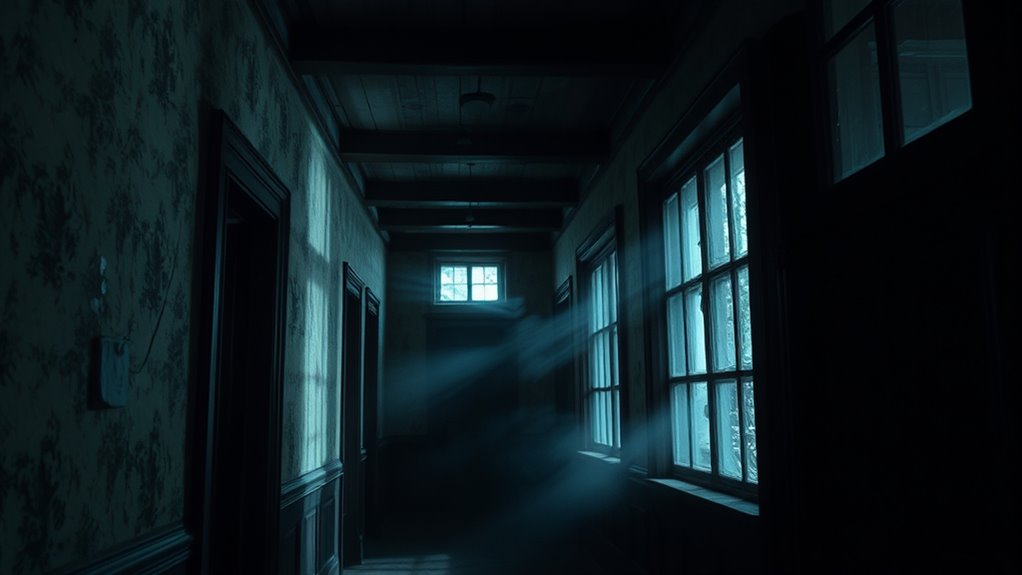
Cold spots and drafts are common features in haunted sites that often contribute to eerie sensations. When you feel a sudden chill or an inexplicable breeze, it’s usually caused by drafts moving through gaps in windows, doors, or walls. These drafts can create localized cold areas, intensifying the spooky atmosphere. Sometimes, the building’s design or age allows air to flow more freely, making certain spots feel unnaturally cold. These movements of air can trigger your senses, making you feel watched or uneasy. Additionally, airflow patterns influenced by the building’s structure can amplify these sensations, further contributing to the haunted feeling. While some believe spirits manipulate air currents to manifest, scientifically, drafts are often just natural airflow. Recognizing these drafts helps you understand why specific areas might feel unnerving, reinforcing the connection between environmental factors and haunted sensations.
The Role of Humidity in Perceived Coldness

Humidity levels can particularly influence how cold a space feels, especially in haunted locations. When humidity is high, moisture in the air conducts heat away from your skin more efficiently, making you feel colder even if the temperature remains unchanged. Conversely, low humidity can cause your skin to lose moisture through evaporation, also creating a sensation of chill. In haunted sites, fluctuating humidity levels often occur due to aged building materials and ventilation issues, amplifying the feeling of coldness. You might notice that a damp, musty environment feels colder than a dry one at the same temperature. Additionally, heat conduction increases in high humidity environments, which can intensify the sensation of coldness. Understanding how moisture interacts with your body helps explain why some haunted locations evoke a stronger sense of cold, beyond just the actual temperature.
Psychological Factors Influencing Sensation of Cold
Your expectations and imagination can make you feel colder in haunted locations, even if the temperature stays the same. Anxiety can trigger shivering as your body prepares for a perceived threat. Recognizing these psychological influences helps explain why some places feel chilling beyond their physical conditions.
Expectation and Imagination
When you enter a haunted location expecting to feel a chill, your mind often plays a powerful role in shaping that sensation. Your expectations can trigger physical responses, making you more aware of coldness even if the environment isn’t colder. Imagination fuels this effect, causing you to interpret ambiguous sensations as ghostly or chilling. Here are four ways expectation influences your experience:
- Anticipation heightens your sensitivity to temperature changes.
- Visual cues or stories prime your mind to associate specific sights with cold.
- Hearing sounds or whispers can make you more aware of physical sensations.
- Your focus on potential paranormal activity amplifies your perception of cold, convincing you that the location is chilling—even if it isn’t objectively cold.
- Additionally, psychological factors such as stress or heightened alertness can intensify your perception of cold sensations in haunted locations.
Anxiety-Induced Shivering
Expectations and imagination can shape your physical sensations, but psychological factors like anxiety also play a significant role in how you perceive cold. When you’re anxious or scared, your body activates the fight-or-flight response, releasing adrenaline and other stress hormones. This response causes blood vessels in your skin to constrict, reducing blood flow and making you feel chilled—even if the environment isn’t cold. You might start shivering involuntarily as your muscles attempt to generate heat. In haunted locations, heightened alertness and fear can amplify this reaction, making you feel colder than you actually are. This psychological effect can create a feedback loop: your fear makes you feel colder, which increases your anxiety, further intensifying the sensation. Additionally, understanding the industry trends behind psychological responses can help explain why such physical sensations occur in these settings.
The Power of Expectation and Suggestion
The power of expectation and suggestion can markedly influence how you perceive cold spots in supposedly haunted locations. When you’re told a place is haunted, your mind becomes more alert to sensations like cold, making you more likely to notice them. This psychological effect can turn ordinary drafts or cool air into perceived paranormal activity. Additionally, psychological factors can amplify these sensations, making ghostly cold spots seem more convincing than they actually are. Consider these points: 1. Your beliefs shape your sensitivity to environmental cues. 2. Suggestion heightens your awareness of physical sensations. 3. Expecting to feel cold increases your focus on temperature drops. 4. The mind can create sensations to match your anticipations.
Environmental Conditions and Building Structures
You might notice how air circulation can make a space feel colder, even when the temperature isn’t low. Building materials like concrete or stone often conduct and retain coldness, amplifying that chilling sensation. Understanding how these environmental factors influence your perception can shed light on why haunted locations seem so unnervingly cold.
Air Circulation Effects
Unusual cold feelings in haunted locations often stem from how air moves through the space. When air circulates unevenly or rapidly, it creates drafts that make areas feel colder than they actually are. You might notice sudden gusts or persistent breezes that enhance the chilling sensation. To understand this better, consider these factors:
- Open windows or vents can cause constant airflow, cooling the air around you.
- Unsealed doors or gaps allow drafts to flow freely through the building.
- High ceilings and large hallways promote air movement, creating temperature variations.
- HVAC systems or fans can unintentionally create localized drafts, intensifying the cold feeling.
- Air circulation patterns play a crucial role in how thermal sensations are perceived within a space.
These circulation effects can trick your senses into perceiving a haunted location as unnaturally cold.
Building Material Insulation
Building materials play a pivotal role in how cold sensations manifest in haunted locations. Some materials, like brick or concrete, have poor insulation properties, allowing heat to escape quickly and creating a chilling environment. If walls are thick and made of dense materials, they can trap cold air inside, making the space feel colder. Conversely, well-insulated structures with materials like foam or fiberglass help retain warmth, reducing the sensation of coldness. In haunted locations, older buildings often lack modern insulation, which contributes to the persistent chill you feel. This uneven insulation causes temperature fluctuations and drafts, intensifying the eerie feeling. Additionally, the thermal properties of building materials influence how heat is retained or lost, affecting ambient temperatures. Understanding how building materials influence temperature helps explain why some haunted spaces seem unnaturally cold.
How Darkness and Low Light Levels Affect Perception

In dim lighting conditions, your perception of the environment shifts dramatically, often leading to a sense of unease or confusion. Darkness limits your visual cues, making familiar surroundings seem unfamiliar or threatening. Your brain compensates by heightening other senses or filling in gaps with imagination. This can amplify feelings of fear or discomfort in haunted locations. Consider these effects:
In darkness, your senses heighten, and familiar shapes become ominous shadows fueling fear and uncertainty.
- Shadows become more ambiguous, hiding potential threats.
- Your depth perception weakens, making distances harder to judge.
- Moving objects may seem closer or more threatening than they are.
- Your brain may interpret vague shapes as figures or faces.
- Understanding credit card security measures can help ease concerns about safety in unfamiliar environments.
These perceptual distortions heighten your emotional response, intensifying the eerie atmosphere often felt in dark, haunted places.
The Impact of Emotional State on Sensory Experience

Your emotional state can profoundly influence how you perceive sensory input in haunted locations. When you feel anxious, fearful, or uneasy, your senses become heightened, amplifying sensations like coldness or strange noises. This emotional tension can make your environment feel more intense and unsettling. Conversely, if you’re calm or distracted, you might not notice subtle cues that others might find disturbing. Your mind’s expectations and reactions shape your perception, sometimes creating a feedback loop where fear makes you more sensitive to cold, which in turn increases your anxiety. This interplay between emotion and sensation means that your feelings can substantially distort how you experience haunted settings, making them seem colder, darker, or more ghostly than they truly are.
Common Misconceptions About Haunted Locations
Many believe cold spots in haunted locations are caused by ghosts, but science suggests otherwise. Psychological factors, like expectation and suggestion, often influence how you perceive temperature changes. Recognizing these misconceptions helps you understand that not every cold spot signals paranormal activity.
Myth of Cold Spots
One of the most persistent myths about haunted locations is that cold spots indicate ghostly activity. Many believe that sudden drops in temperature mean spirits are nearby, but this isn’t always true. In reality, cold spots often have natural explanations.
Here are four common misconceptions:
- Cold spots always mean a ghost is present.
- Ghosts cause sudden temperature drops.
- Cold spots can only happen in haunted places.
- You can identify a ghost solely by a cold spot.
In truth, environmental factors like drafts, poor insulation, or airflow are usually responsible. Relying solely on cold spots to confirm paranormal activity can lead to false assumptions, so it’s important to take into account other explanations.
Psychological Factors at Play
While cold spots can sometimes be explained by natural causes, the mind’s perception plays a significant role in how you interpret these phenomena. Your expectations and beliefs heavily influence your experience. If you already believe a location is haunted, your brain becomes more alert to unusual sensations, making cold patches feel more intense or eerie. Anxiety or fear heighten your sensitivity, causing you to perceive cold or movement where none exist. The power of suggestion also shapes your perception; hearing stories or rumors about a place can make you more likely to notice or interpret normal environmental changes as supernatural. Ultimately, your subconscious mind filters and amplifies sensations based on your emotions and preconceived notions, often creating the illusion of something paranormal.
Exploring the Connection Between Fear and Physical Sensations
Have you ever noticed how your body reacts when you’re scared? Your heart races, palms sweat, and muscles tense. This response is your body’s way of preparing for a fight or flight. Fear triggers your nervous system to release adrenaline, which causes physical sensations that make you more alert. Here are four ways fear influences your sensations:
Fear triggers adrenaline, making your heart race, palms sweat, and muscles tense, heightening alertness and physical sensations.
- Increased blood flow rushes to your muscles, making you feel energized.
- Sweating helps cool your body, but also heightens your awareness.
- Rapid breathing supplies more oxygen, making your chest feel tight.
- Skin crawling or chills occur as your nervous system heightens sensitivity.
- Additionally, adrenaline release can lead to feelings of dizziness or lightheadedness, further amplifying the sensation of discomfort.
These reactions can make haunted locations feel unnervingly cold because your body’s heightened state amplifies physical sensations, intensifying the eerie atmosphere.
Frequently Asked Questions
Can Paranormal Activity Actually Cause Temperature Drops?
Yes, paranormal activity can cause temperature drops, though there’s no scientific proof. You might notice sudden chills or cold spots during supposed encounters, which some believe are caused by energetic disturbances or spirits drawing energy from the environment. While skeptics see this as natural or psychological, believers think these cold spots are signs of supernatural presence. Either way, the experience often feels real and intense to those involved.
Do Specific Materials in Buildings Influence Cold Sensations?
Think of materials as the silent storytellers of a building. Your body’s cold sensation can be influenced by materials like stone, metal, or concrete, which conduct heat away quickly, making you feel colder. Conversely, wood and insulation trap warmth. So, when you walk into a haunted house, the choice of materials can amplify that chilling feeling, almost whispering secrets of past energies and ghostly presence through their cold touch.
How Do Personal Beliefs Affect Perceived Temperature Changes?
Your personal beliefs can markedly influence how cold you perceive a haunted location. If you’re convinced a place is haunted, your mind may heighten sensations, making you more sensitive to subtle temperature drops. This psychological effect, called the nocebo effect, causes you to interpret normal environmental changes as colder or more eerie. Believing in paranormal activity primes your senses, amplifying feelings of coldness and increasing your overall sense of unease.
Are There Scientific Experiments Proving Haunted Locations Feel Colder?
Yes, some scientific experiments suggest haunted locations can feel colder, but they don’t prove ghosts cause the chill. Instead, studies point to drafts, humidity, and air circulation playing tricks on your senses. When you walk into a spooky place, your mind might amplify these sensations, making it feel like the walls are radiating icy energy. So, while science hints at environmental factors, the real ghostly sensation is all in your perception.
Do Cold Spots Always Indicate Paranormal Presence?
Cold spots don’t always mean paranormal activity. You might experience them due to drafts, temperature differences, or humidity changes in a space. Sometimes, these areas are just naturally cooler because of poor insulation or airflow. While some believe cold spots signal spirits, scientific evidence doesn’t support this. So, don’t jump to conclusions—consider natural explanations first before assuming paranormal presence when you notice a chilly area.
Conclusion
Ultimately, haunted locations feel cold not just because of drafts or humidity, but because your mind and body react together. Fear heightens your senses, making even the slightest chill seem supernatural. Darkness amplifies uncertainty, while expectation whispers of ghosts lurking nearby. It’s a dance between science and psychology—where physical sensations meet emotional responses—creating the eerie chill that lingers. In these moments, reality blurs, and the ghostly becomes palpably real.