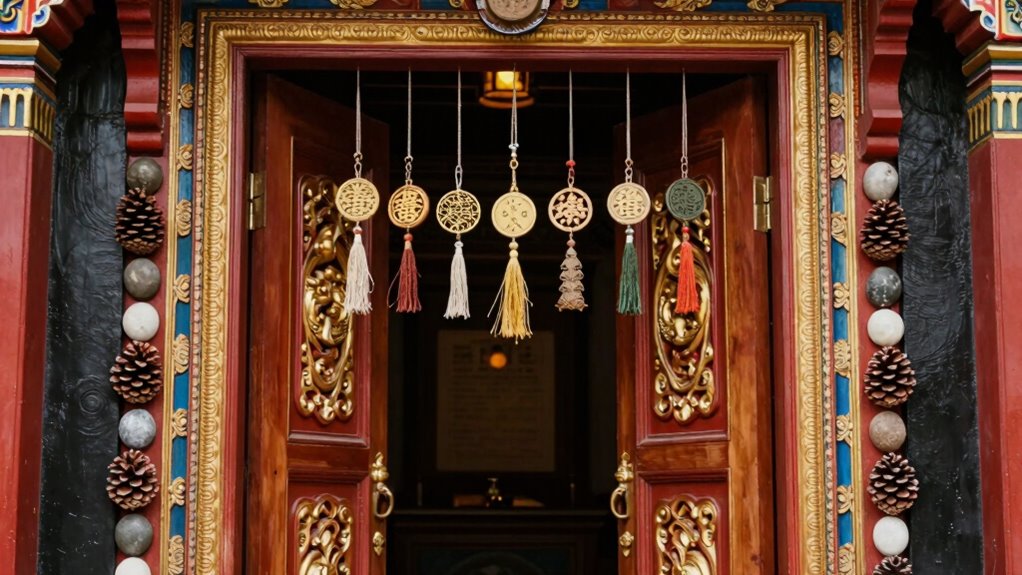

You focus on thresholds and windows because they act as essential gateways that separate your safe space from external influences. These points symbolize boundaries protecting your home from harmful spirits and negative energy, while also welcoming good fortune. By placing protective symbols or rituals there, you reinforce your boundaries and maintain harmony. Understanding the significance of these entryways helps you keep your space secure. If you continue exploring, you’ll uncover even deeper reasons behind these sacred boundaries.

Get movie nights delivered free with Prime
- Fast, free delivery on millions of items
- Prime Video, Amazon Music and more included
- Member-only deals all year
Key Takeaways
- Thresholds and windows serve as symbolic gateways, marking boundaries between safe and unsafe spaces.
- They are believed to control external influences, including spirits and negative energies.
- Rituals at these points reinforce protective boundaries, safeguarding the interior environment.
- Ancient symbolism associates thresholds with spiritual significance and protection across cultures.
- Modern practices continue these traditions to maintain harmony and spiritual security in daily life.
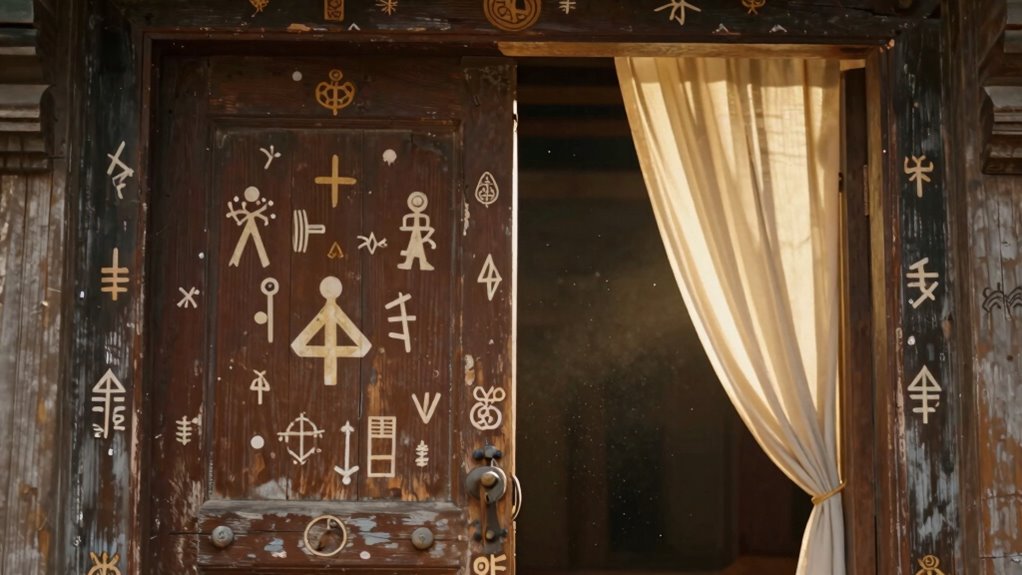
Have you ever wondered why many cultures emphasize protective rituals around thresholds and windows? These practices often serve as symbolic barriers, warding off negative energies and intrusions. At their core, they tap into ancient symbolism—beliefs that certain symbols or actions can influence the spiritual or energetic safety of a space. In many traditions, thresholds and windows represent gateways between different domains: the inner world of the home and the outside world, or the physical and spiritual planes. By performing rituals at these points, people aim to control what enters their space, whether it’s good fortune or harmful spirits. This ancient symbolism underscores the importance of boundaries, emphasizing that what lies beyond must be kept in check for harmony and protection.
Thresholds and windows are sacred gateways, symbolizing boundaries that protect and regulate what enters our space.
As time has passed, many of these rituals have been adapted into modern practices, blending old beliefs with contemporary life. For example, hanging protective charms or symbols near doorways or windows is now common in many households. These symbols might include religious icons, amulets, or even decorative items believed to ward off evil. Some people paint or place symbols like the evil eye or protective sigils directly above doorways, continuing a tradition that dates back thousands of years. These modern adaptations remain rooted in the same core idea: safeguarding the home by reinforcing the boundary between safe and unsafe, known and unknown. Incorporating protective symbols into daily routines helps reinforce these boundaries in a tangible way, blending tradition with contemporary practices.
You might also notice that many cultures incorporate specific colors, materials, or objects in their protective rituals. For example, red is often used to repel evil spirits, while salt or herbs are sprinkled at thresholds to purify and protect. These practices are echoes of ancient symbolism, where natural elements and colors held special significance. Today, people continue to use these symbols, integrating them into their daily routines as a form of spiritual security. Whether through traditional ceremonies or everyday decorations, the core goal remains the same: to create a barrier that keeps negativity out and invites positive energy in. Additionally, symbolic boundaries play a crucial role in shaping our understanding of safety and protection across different cultures and histories.
Ultimately, these rituals around thresholds and windows serve as tangible expressions of an age-old understanding—boundaries matter. They remind us that protection isn’t just about physical barriers but also about symbolic and spiritual safeguards. From ancient symbols carved into stone to modern-day charms, the act of safeguarding entrances continues to reflect a universal desire to preserve safety, peace, and harmony within our homes. It’s a timeless practice that adapts but never loses its fundamental purpose: to shield what’s precious from harm.
As an affiliate, we earn on qualifying purchases.
Frequently Asked Questions
How Do Cultural Differences Influence Threshold and Window Rituals?
You’ll find that cultural differences shape threshold and window rituals through unique symbolism and ritual significance. In some cultures, thresholds symbolize protection from negative spirits, while in others, they represent passage and new beginnings. Windows might be seen as gateways to spiritual worlds or symbols of openness. These cultural symbols influence rituals, guiding how communities protect, welcome, or honor spiritual forces at these essential points, reflecting their beliefs and values.
Are There Specific Materials Used in These Protective Rituals?
You’ll find that specific materials are central to these rituals, often chosen for their amulets craftsmanship and material symbolism. Common elements include herbs, metals, stones, or cloth imbued with protective qualities. These materials are believed to hold symbolic power, reinforcing the ritual’s intent. Their selection reflects cultural values and spiritual beliefs, making each material a meaningful part of safeguarding practices at thresholds and windows.
How Have Modern Times Affected Traditional Threshold and Window Protections?
Modern times have shifted how you view threshold symbolism and window symbolism, often blending tradition with new influences. You might see protective rituals now incorporate contemporary materials or digital symbols, but the core idea remains: safeguarding entry points. While traditional practices focused on physical barriers, today you may also use technology or updated charms, yet the significance of protecting thresholds and windows continues to symbolize safety and boundary preservation in your daily life.
Can These Rituals Be Adapted for Personal or Digital Spaces?
Like a shield protecting a castle, you can adapt traditional rituals for personal or digital spaces. Use personal rituals to set digital boundaries, like creating passwords or privacy settings that act as virtual thresholds. Visualize thresholds when opening or closing apps, and perform rituals to reinforce your boundaries. These adaptations help maintain a sense of safety and control in your everyday life, bridging ancient practices with modern digital protection.
What Psychological Effects Do These Rituals Have on Participants?
These rituals provide psychological reassurance by creating a sense of safety and control, helping you feel protected. They reinforce boundaries, making it clear where safe spaces begin and end. This boundary reinforcement helps reduce anxiety, fostering trust in the protective process. As you participate, you may experience increased calmness and confidence, knowing you’ve actively engaged in safeguarding yourself or your environment, which strengthens your mental resilience.
As an affiliate, we earn on qualifying purchases.
Conclusion
So, next time you see a door or window, remember they’re more than just entry points—they’re symbols of protection. These rituals remind us that safeguarding our space isn’t just about physical barriers but about the energy we invite in and keep out. Don’t you want to feel safe and secure in your own home? Embracing these traditions can help you create a shield of comfort and peace, no matter what challenges come your way.
spiritual protection symbols for windows
As an affiliate, we earn on qualifying purchases.
As an affiliate, we earn on qualifying purchases.
As an affiliate, we earn on qualifying purchases.
Fall Picks
fall essentials
As an affiliate, we earn on qualifying purchases.