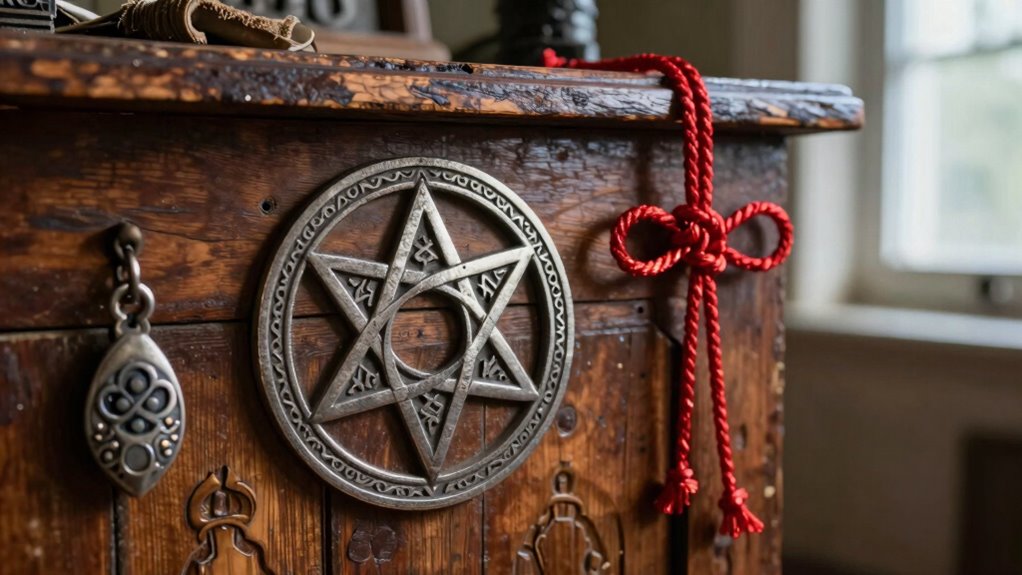

Protective symbols often provide both psychological comfort and a sense of control, which can help you feel more secure and less anxious. While their power isn’t proven scientifically, many believe that these symbols hold cultural or personal significance, strengthening your confidence and resilience. Your belief and emotional connection play a key role in their effectiveness. If you stay curious, you’ll discover how these symbols influence your mind and why they matter across different cultures.
Key Takeaways
- The effectiveness of protective symbols largely depends on personal beliefs and emotional connections.
- Symbols provide psychological comfort, reducing anxiety regardless of supernatural efficacy.
- Cultural significance enhances the perceived protective power of symbols within specific communities.
- Positive outcomes linked to symbols can reinforce belief in their protective qualities.
- The true power of symbols often lies in their role as mental tools for reassurance and focus.
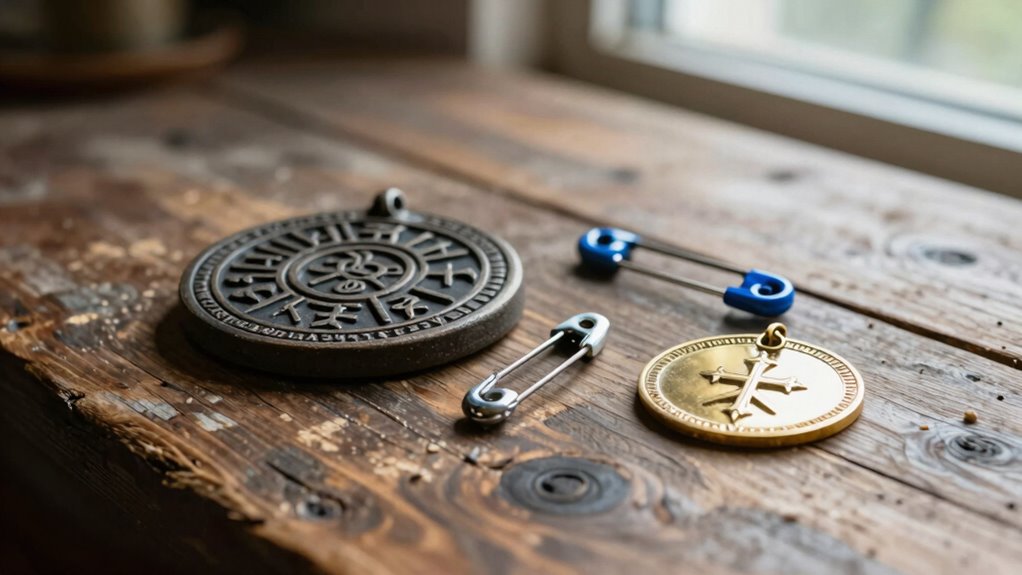
Throughout history, people have turned to protective symbols—such as amulets, talismans, and charms—hoping they’ll ward off harm or bring good luck. These objects carry deep cultural significance, often rooted in traditions passed down through generations. You might wear a cross, carry a lucky penny, or keep a four-leaf clover in your pocket, believing these items can influence your fate. The power you assign to these symbols stems from personal beliefs, shaped by your upbringing, experiences, and cultural background. For some, a symbol’s significance is purely psychological, offering reassurance during anxious moments. For others, it’s a spiritual connection, a tangible link to forces or ancestors believed to protect them.
People have long relied on symbols like amulets and charms for protection and good luck, rooted in tradition and personal belief.
The cultural significance of these symbols varies widely. In some societies, specific charms are seen as essential to daily life, woven into rituals or worn as part of traditional attire. For example, in many Asian cultures, jade amulets are thought to promote health and longevity, while in Western traditions, a horseshoe hung above the door is believed to attract good fortune. These cultural norms shape what symbols are considered powerful, and they often carry shared meanings that reinforce community bonds. When you adopt a symbol from your culture, you’re not just choosing an object—you’re connecting to a collective history and a set of beliefs that give the symbol its protective aura. Additionally, the cultural significance of symbols helps explain why certain objects hold universal appeal across different societies. Recognizing the symbolic meanings behind these objects can deepen your understanding of their impact. Moreover, understanding the cultural context can enhance the personal significance you assign to these symbols, making their protective qualities feel more authentic.
Your personal beliefs also influence how much you trust a symbol’s protective power. If you’ve experienced positive outcomes after carrying a particular charm or ritual, you might feel more confident in its efficacy. Conversely, if you’ve never noticed any change, you may see these symbols as mere comfort rather than actual protectors. The psychological effects are real: believing in the protective power of a symbol can boost your confidence, reduce anxiety, and help you face uncertain situations with a calmer mind. This mental reassurance can be as essential as any physical barrier, influencing how you respond to challenges.
Whether protective symbols truly work or simply serve to comfort you depends on your perspective. They may not have inherent supernatural powers, but their true strength lies in what they represent to you—your cultural roots, personal convictions, and emotional reassurance. In the end, it’s your belief that gives these symbols their meaning, making them valuable tools for steering through life’s uncertainties.

Bracelet 7 knots for protection, Evil Eye and Good Luck. Buddisth String. Thread/Amulet for prosperity and success. Talisman for Womens, Mens, Girls, Boys. Cord Adjustable.
Uses: can be used as friendship bracelet, or best gift for birthday,christmas,valentine's day, wedding,party
As an affiliate, we earn on qualifying purchases.
As an affiliate, we earn on qualifying purchases.
Frequently Asked Questions
Are Protective Symbols Effective Across Different Cultures?
Protective symbols can be effective across different cultures because of shared beliefs in their symbol symbolism and cultural variations. When you use symbols familiar to a specific culture, they often carry powerful meanings and evoke a sense of safety. While effectiveness varies, understanding the cultural context enhances their protective power. So, whether it’s a talisman or a sacred sign, cultural variations influence how strongly these symbols provide comfort and perceived protection.
Can Protective Symbols Influence Physical Health Outcomes?
Think of protective symbols as a symbolic placebo, where your belief in their power can influence your health. Cultural symbolism shapes this effect, making the symbols more meaningful and potent within specific communities. While they might not directly alter physical health outcomes, your confidence and positive mindset—fostered by these symbols—can boost your immune response and reduce stress, indirectly supporting better health through the psychological and emotional comfort they provide.
Do Protective Symbols Have Scientific Backing?
Protective symbols lack solid scientific backing, as their efficacy mainly relies on the placebo effect. When you believe a symbol offers protection, your mind may trigger physical responses that seem to improve health, but this isn’t due to the symbol itself. The actual scientific evidence supporting symbol efficacy is limited, so any perceived benefits are likely psychological rather than based on proven biological mechanisms.
How Do Personal Beliefs Impact the Effectiveness of Symbols?
Your personal beliefs heavily impact the effectiveness of symbols because belief influence can enhance or diminish their perceived symbol efficacy. When you genuinely trust a symbol, you’re more likely to experience positive effects, whether psychological or emotional. Conversely, if you doubt its power, the symbol’s influence weakens. Your mindset shapes how you interpret and respond to protective symbols, making belief influence a vital factor in their overall impact.
Are There Psychological Benefits to Using Protective Symbols?
Yes, using protective symbols can offer psychological benefits through the placebo effect, boosting your sense of safety and confidence. Cultural symbolism plays a key role, as familiar symbols reinforce positive beliefs and provide emotional comfort. When you believe in their protective power, your mind may reduce stress and anxiety, making the symbols more effective. This mental reassurance can improve your overall well-being, even if the symbols lack scientifically proven protective properties.

Amuletos de Proteccion y Buena Suerte Lucky Coin for Lottery Scratcher | Four Leaf Clover & Elephant Eagle Motivational Charm – Prosperity, Success & Good Luck Token
🍀 **Powerful Lucky Charm**: This 1.57-inch lucky coin features a four-leaf clover (symbolizing rare luck) and an elephant…
As an affiliate, we earn on qualifying purchases.
As an affiliate, we earn on qualifying purchases.
Conclusion
As you go about your day, it’s interesting to notice how a simple symbol might appear just when you need it most, like finding a lucky coin in your pocket or a talisman on your desk. Maybe it’s coincidence, or maybe that small piece of comfort is enough to give you a little boost. Whatever you believe, these symbols seem to show up right when you need them, reminding us that sometimes, a little hope is all we really require.
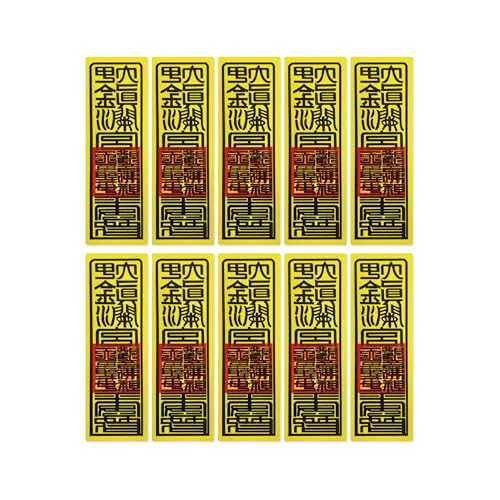
Protective Sticker Set – Spiritual Safety Decals (10-Pack) Symbol of Peace, Protection & Good Fortune
AUTHENTIC DESIGN: Traditional Chinese talisman design featuring bold yellow background with striking black characters and red accents
As an affiliate, we earn on qualifying purchases.
As an affiliate, we earn on qualifying purchases.

DWJSu Autism Puzzle Piece Awareness Enamel ASD Heart Bead Charms Compatible with Pandora Charm Bracelet Necklace for Women
Hole Size: 4.5-4.8mm; Nickel-free, lead-free, cadmium-free and hypoallergenic.
As an affiliate, we earn on qualifying purchases.
As an affiliate, we earn on qualifying purchases.