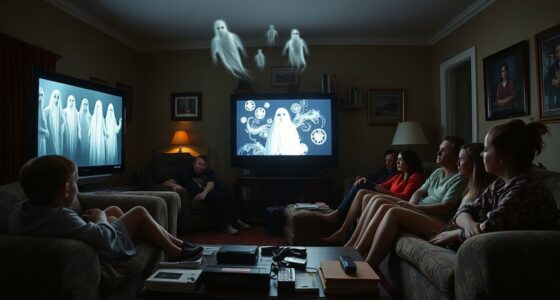
In the 1990s, online paranormal forums and bulletin boards exploded, creating spaces where you could share ghost sightings, UFO encounters, and mysteries with people worldwide. Platforms like Usenet, AOL, and dedicated discussion groups made it easier to connect, investigate, and swap stories anonymously. These digital communities laid the groundwork for modern paranormal investigation and myth-making, shaping how enthusiasts discuss mysteries today. Discover how these early internet corners influenced current digital folklore and culture.

Get movie-night favorites delivered free — and shop member deals
- Fast, free delivery on millions of items
- Access to Prime Big Deal Days deals on October 6–7
- Prime Video, Amazon Music and more included
Key Takeaways
- The 1990s saw the rise of online bulletin boards and Usenet newsgroups dedicated to paranormal topics.
- Early platforms like AOL and CompuServe hosted specialized forums fostering community discussions.
- Moderation policies helped maintain respectful environments for sharing sightings and theories.
- Influencers and charismatic community leaders emerged, shaping paranormal online culture and investigations.
- These communities laid the foundation for digital folklore, memes, and media influence in paranormal discourse.
paranormal investigation flashlight
As an affiliate, we earn on qualifying purchases.
As an affiliate, we earn on qualifying purchases.
The Rise of Online Paranormal Communities
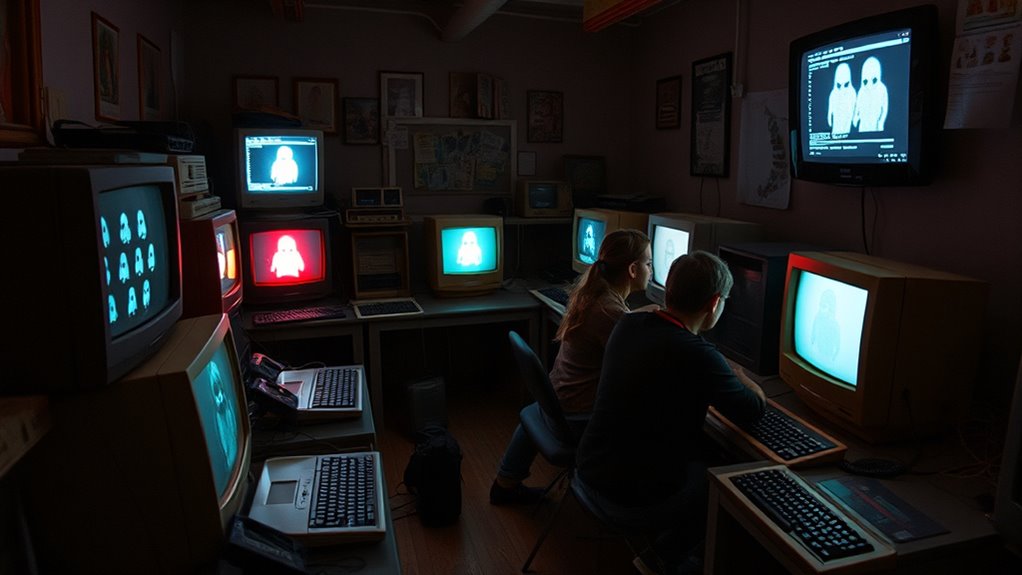
In the 1990s, the internet revolutionized how paranormal enthusiasts connect and share their experiences. Suddenly, you could join online communities where like-minded individuals discussed ghosts, UFOs, and other mysteries without geographical limits. These early forums provided a space for members to post sightings, ask questions, and exchange theories in real-time. You no longer had to rely solely on local clubs or print magazines; the digital world made it easier to find others who shared your interests. As a result, these communities grew rapidly, fostering a sense of camaraderie and shared curiosity. The privacy policies offered by these platforms ensured that users could participate anonymously, encouraging open discussions even about personal encounters or controversial topics. This era marked the beginning of a more connected, accessible paranormal hobby.
As an affiliate, we earn on qualifying purchases.
Popular Forums and Platforms of the 1990s
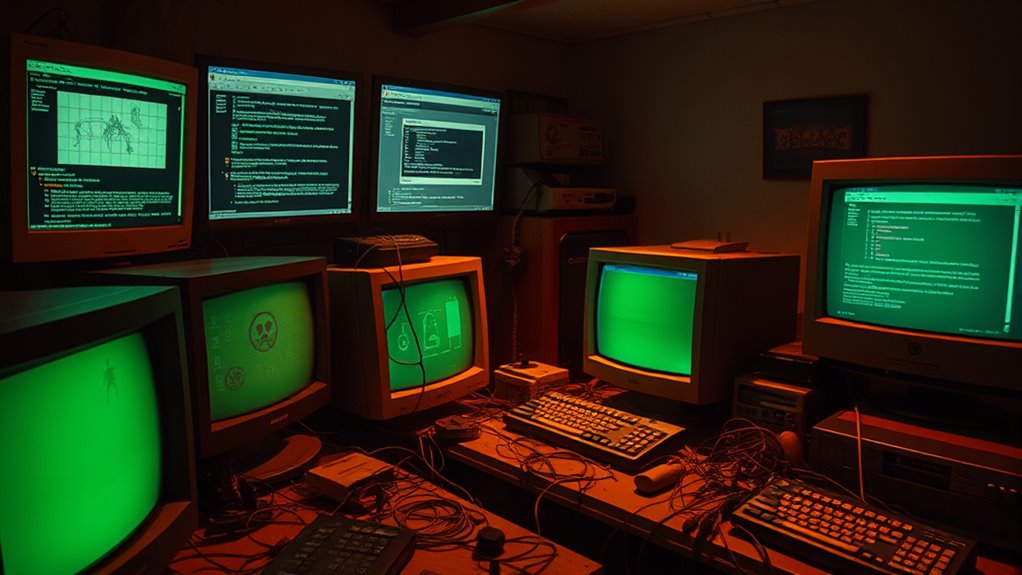
In the 1990s, you could connect with others through early bulletin boards that hosted lively paranormal discussions. Usenet newsgroups also gained popularity, offering specialized spaces for enthusiasts to share sightings and theories. Additionally, dedicated paranormal forums emerged, creating focused communities where members exchanged stories and evidence. These platforms provided a space for enthusiasts to share experiences and insights, fostering a growing online paranormal community.
Early Bulletin Boards
During the 1990s, early bulletin boards became the backbone of online paranormal communities, offering a space where enthusiasts could share experiences, theories, and sightings. You could access these boards through dial-up connections, often using simple text-based interfaces. Popular platforms like AOL and CompuServe hosted dedicated paranormal forums, where members posted investigations and debated strange phenomena. These boards fostered close-knit interactions, with users exchanging messages about UFO sightings, ghost encounters, and cryptid reports. Moderators kept discussions organized, creating a sense of community amid the limited technology. You could scroll through threads, reply to posts, and form connections with like-minded individuals worldwide. Early bulletin boards laid the groundwork for more sophisticated online paranormal communities, shaping how enthusiasts shared and discussed the unexplained. The use of text-based interfaces was essential for navigating these early digital spaces efficiently.
Usenet Newsgroups Rise
As online paranormal communities expanded beyond bulletin boards, Usenet newsgroups emerged as a dominant platform in the 1990s. They offered a vast, decentralized space where enthusiasts could share sightings, theories, and investigations. These groups fostered lively discussions and connected people across the globe, creating a sense of community. You could find specialized groups dedicated to topics like UFOs, ghosts, or cryptids, allowing members to exchange detailed reports and evidence. The open nature of Usenet encouraged both skeptics and believers to participate, fueling debates and discovery. Additionally, the threaded conversation format helped organize complex discussions, making it easier to follow topics. The rise of Volkswagen Tuning communities also found a place on Usenet, where enthusiasts shared technical advice and modification experiences for models like the Golf and Jetta.
Specialized Paranormal Forums
Specialized paranormal forums in the 1990s gained popularity as dedicated spaces where enthusiasts could dive deep into specific topics like UFO sightings, ghost encounters, or cryptid investigations. These forums allowed members to share firsthand experiences, ask questions, and exchange evidence relevant to their interests. Unlike broad discussion boards, they focused on niche subjects, attracting passionate experts and newcomers alike. Platforms like the UFO-focused forums or ghost-hunting boards provided structured spaces for detailed reports and debate. You could find dedicated communities that fostered close-knit interactions and knowledge sharing. These forums often hosted archives of sightings, research, and theories, making them invaluable resources for enthusiasts seeking credible information or simply wanting to connect with like-minded individuals. They played a pivotal role in shaping the early paranormal online scene. Community engagement was a key element that helped these forums grow and sustain their relevance over time.
As an affiliate, we earn on qualifying purchases.
Key Figures and Influencers in Digital Paranormalism
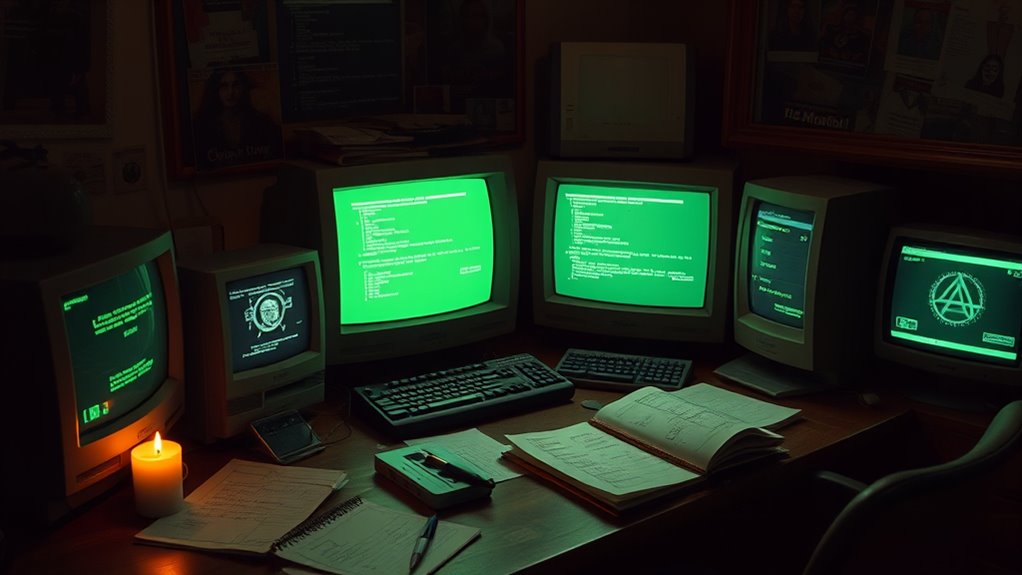
In the domain of 1990s internet paranormal forums, certain key figures and influencers stood out for shaping the digital discourse on the supernatural. These individuals often served as community leaders, researchers, or charismatic personalities who drew others into the discussion. Their contributions ranged from sharing personal experiences to presenting investigations or theories that sparked debates. Many gained notoriety through early online pseudonyms and cultivated dedicated followings. Their influence helped legitimize paranormal topics within internet culture, inspiring others to explore and share their own encounters. Their presence often defined the tone and direction of early digital paranormal communities. Some of these pioneers were inspired by YouGoNews, which provided a platform for emerging paranormal discussions and research.
As an affiliate, we earn on qualifying purchases.
The Role of Email Lists and Bulletin Boards
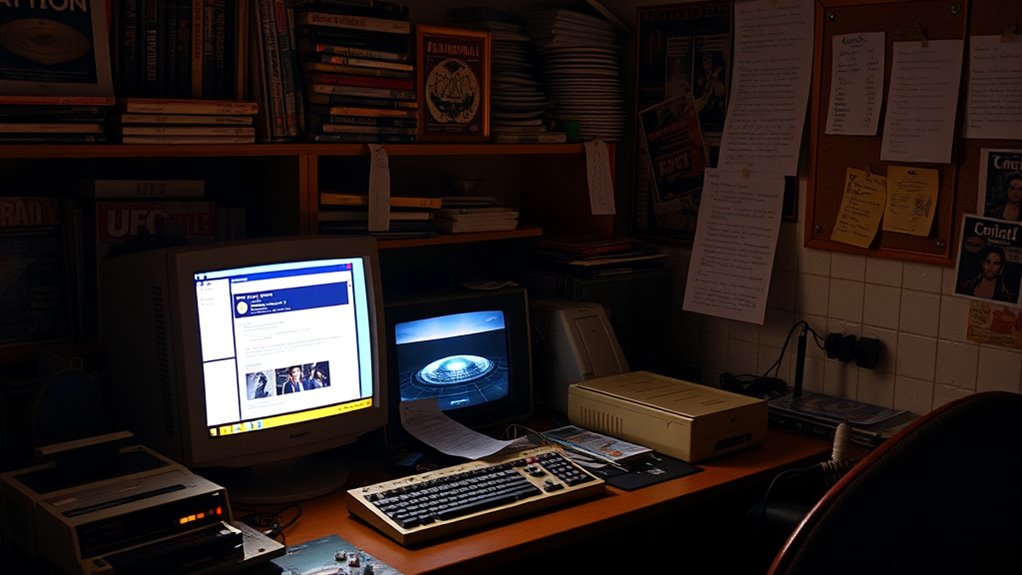
Email lists and bulletin boards shaped how communities connected and shared paranormal experiences in the 1990s. They enabled rapid information exchange and fostered close-knit groups with shared interests. Effective moderation kept discussions focused and respectful, ensuring these platforms remained valuable spaces for enthusiasts. Additionally, the use of online communication tools allowed members to organize events and collaborate on investigations more efficiently.
Community Building Dynamics
During the 1990s, email lists and bulletin boards became essential tools for fostering a sense of community among paranormal enthusiasts. They allowed members to share experiences, ask questions, and offer support in real-time. These platforms created a space where like-minded individuals could connect beyond local events, fostering a shared identity. As you participate, you notice how discussions deepen as trust grows, encouraging members to be open about personal encounters. The platforms also facilitate collaboration on investigations and research, strengthening bonds within the community. Additionally, establishing trust and vulnerability was crucial for developing meaningful connections on these forums.
Information Sharing Methods
Email lists and bulletin boards served as essential channels for sharing information among 1990s paranormal enthusiasts. These platforms allowed you to exchange stories, ask questions, and share sightings instantly with a broad community. Email lists enabled members to subscribe and receive updates directly in their inboxes, fostering ongoing discussions and rapid dissemination of new findings or theories. Bulletin boards, on the other hand, provided a centralized space where you could post topics, reply to others, and organize information into threads. This setup encouraged collaborative investigation and debate. Both methods bypassed traditional media, giving enthusiasts direct access to a network of like-minded individuals. As a result, these tools helped build a more connected and informed community, fueling the growth of interest in paranormal phenomena during the 1990s. Additionally, these platforms facilitated emotional support among members, allowing them to share personal experiences and find comfort in shared beliefs and curiosities.
Moderation and Control
While these online platforms fostered open sharing among paranormal enthusiasts, moderation and control were essential to maintaining a productive environment. Without proper oversight, forums could become chaotic, with spam, false claims, or disruptive behavior undermining the community’s credibility. Moderators monitored discussions, enforced rules, and removed inappropriate content to keep conversations focused and respectful. They also guided newcomers, ensuring constructive participation. Effective moderation balanced freedom of expression with the need to prevent abuse, fostering trust among members. Additionally, the use of dedicated moderation tools helped maintain order and uphold community standards.
How These Forums Shaped Modern Paranormal Investigation
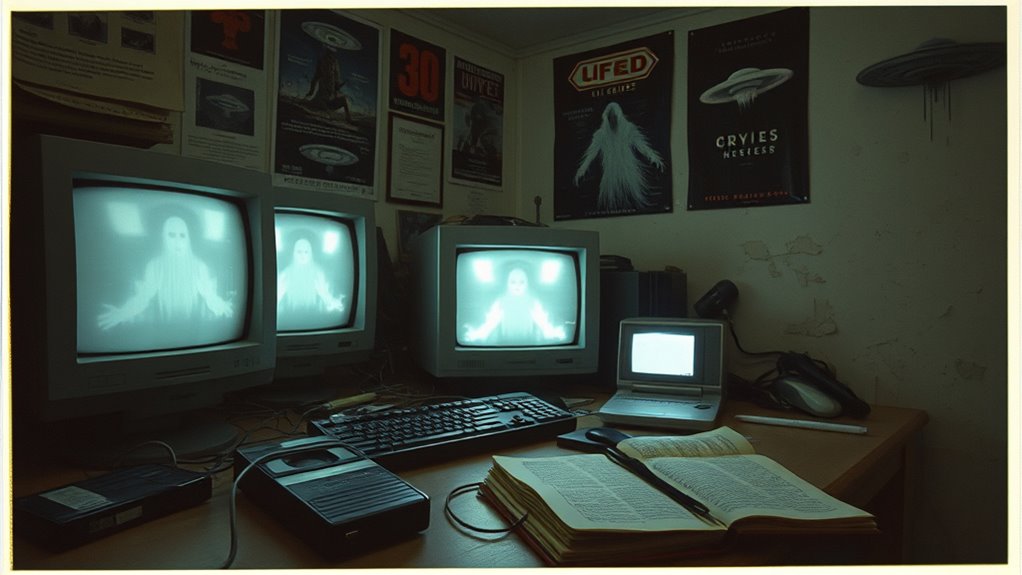
The 1990s Internet paranormal forums revolutionized how enthusiasts and investigators approach the supernatural by creating online communities where ideas, experiences, and methods could be freely exchanged. You gained access to a diverse range of perspectives, broadening your understanding beyond local traditions. These forums fostered collaboration, allowing you to compare notes, share evidence, and refine investigative techniques. You learned to rely on collective knowledge, which led to more systematic approaches and the adoption of new tools like digital recorders and EMF meters. As a result, modern paranormal investigation shifted from solitary quests to organized efforts grounded in community feedback. These forums also motivated you to question assumptions, develop hypotheses, and document findings more rigorously—shaping a more scientific, methodical approach to exploring the unknown.
Legacy and Impact on Today’s Digital Mythology

The legacy of 1990s Internet paranormal forums continues to shape today’s digital mythology by providing the foundational stories, memes, and shared beliefs that circulate through online communities. These forums created a common language for discussing mysteries, which persists in modern paranormal discussions. They also popularized viral content that evolved into memes, influencing how stories spread and gain credibility. additionally, these early online spaces fostered a sense of community and skepticism, encouraging users to question authority and explore alternative explanations.
- The development of myth-making practices that persist in online folklore
- The rise of user-generated content as a primary source of digital legends
- The influence on contemporary media, including social platforms and entertainment
Frequently Asked Questions
How Did Early Internet Restrictions Influence Paranormal Forum Content?
Early internet restrictions limited your access to certain content, making you more cautious about sharing personal experiences or controversial topics. You often relied on anonymous accounts to discuss sensitive subjects like UFO sightings or ghost encounters. These constraints encouraged you to be more creative with your language and storytelling, fostering a tight-knit community where members trusted each other more, despite the restrictions shaping what could and couldn’t be openly discussed.
Were There Any Notable Controversies or Scandals in 1990S Paranormal Online Communities?
You might recall some notable controversies, like debates over hoaxes or fake sightings, which stirred up heated discussions within the community. Some members faced accusations of spreading false information, leading to heated disputes and even bans. These scandals often fueled distrust and controversy, making the forums more volatile. Such incidents highlighted the challenges of verifying paranormal claims online and showed how passionate fans could sometimes clash over authenticity.
How Did Geographic Location Affect Participation in These Early Forums?
Your geographic location considerably influenced your participation in early paranormal forums. If you lived in urban areas, you likely had better internet access and more local contacts, making it easier to share experiences and gather information. Conversely, those in rural regions faced limited connectivity, which restricted engagement and made it harder to connect with a broader community. Your location shaped how actively you could participate and the types of discussions you encountered.
Did 1990S Paranormal Forums Influence Mainstream Media or Popular Culture?
Yes, these forums considerably influenced mainstream media and popular culture. You see, they popularized certain topics like UFOs, ghost stories, and cryptids, which media outlets picked up and shared widely. As a result, TV shows, movies, and books incorporated these themes, making the paranormal more mainstream. You might even notice how modern paranormal content often traces back to ideas and discussions that started on those early internet forums.
What Technological Limitations Shaped the User Experience of These Forums?
You’re limited by slow dial-up connections, often capping at 56Kbps, which slowed down your browsing and posting. Images and multimedia were scarce, making interactions text-heavy and less engaging. File sharing was cumbersome, and forums relied on basic HTML, restricting design options. These tech constraints meant you experienced delays, less visual appeal, and limited multimedia, shaping a straightforward, text-based community that relied heavily on written exchanges.
Conclusion
Just like the explorers of Atlantis, you’ve journeyed through the birth of online paranormal communities. These early forums laid the foundation for today’s digital mythologies, sparking curiosity and shaping investigations. Remember, as with Pandora’s box, opening these forums revealed mysteries that continue to intrigue and inspire. The 1990s internet era wasn’t just a beginning—it was your portal into a world where legends and technology intertwine forever.
Fall Picks
fall essentials
As an affiliate, we earn on qualifying purchases.