Halloween traces back to the ancient Celtic festival of Samhain, where people honored spirits and ancestors and marked the switch from summer to winter. They lit bonfires, wore masks, and left offerings to protect themselves from wandering ghosts. Over time, Christian influences blended in, transforming these rituals into modern Halloween customs like costumes and jack-o’-lanterns. If you keep exploring, you’ll discover how these traditions evolved and continue to influence celebrations today.

Get movie-night favorites delivered free — and shop member deals
- Fast, free delivery on millions of items
- Access to Prime Big Deal Days deals on October 6–7
- Prime Video, Amazon Music and more included
Key Takeaways
- Halloween evolved from the ancient Celtic festival of Samhain, marking the end of harvest and the transition to winter.
- Samhain involved bonfires, masks, and offerings to honor spirits and ancestors, blending spiritual and cultural practices.
- Beliefs held that spirits could pass between worlds during Samhain, prompting rituals for protection and communication.
- Christian influences merged with pagan traditions, leading to customs like dressing in costumes and trick-or-treating.
- Symbols such as jack-o’-lanterns and bonfires preserved ancient rituals designed to ward off spirits and maintain spiritual boundaries.
As an affiliate, we earn on qualifying purchases.
The Ancient Celtic Festival of Samhain
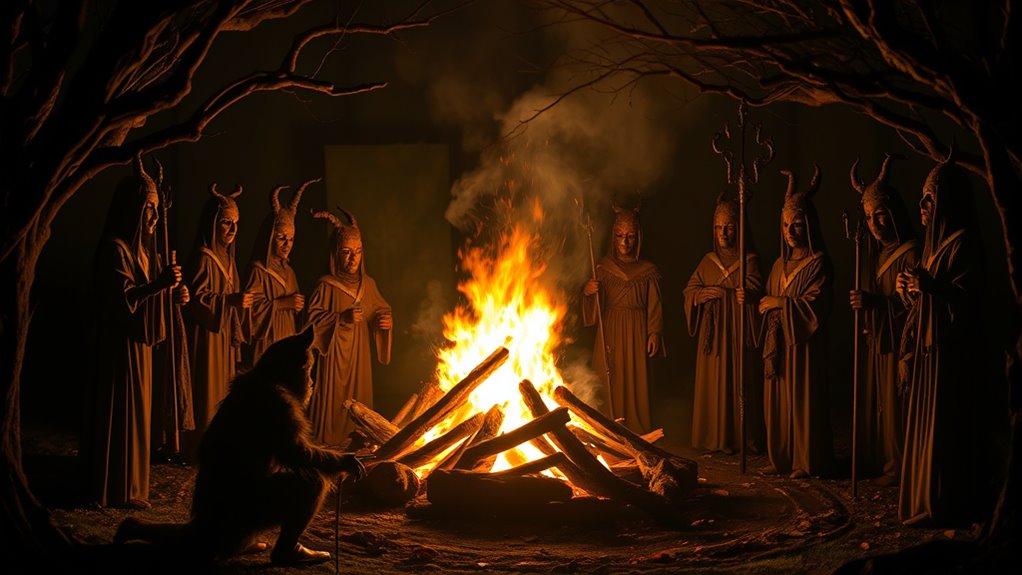
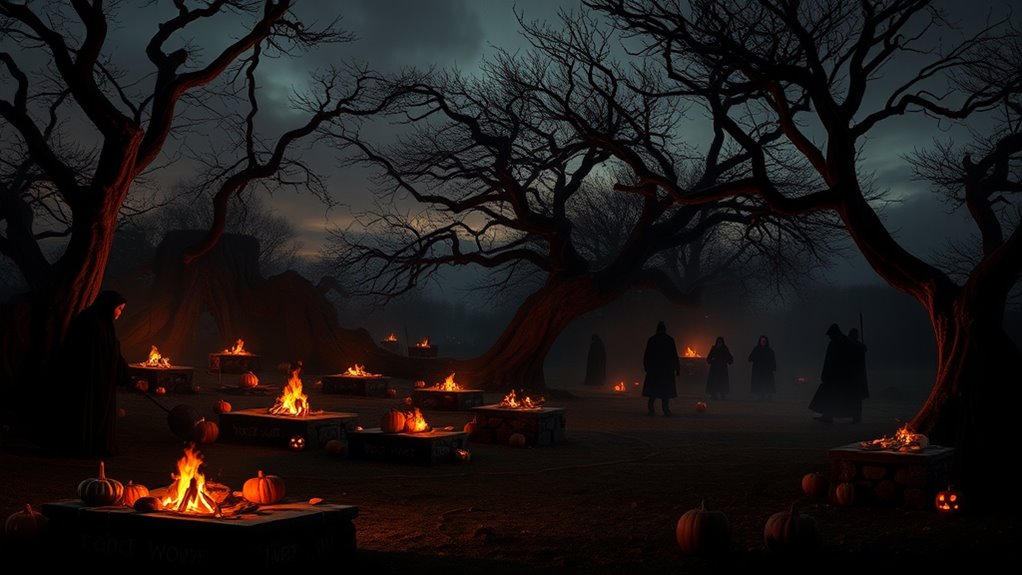
Have you ever wondered how the ancient Celts marked the end of the harvest season? They celebrated Samhain, a festival that signaled the progression from summer to winter. During this time, you’d gather with your community around bonfires, believing these flames protected you from dark spirits. People would wear masks and costumes to disguise themselves from wandering ghosts. It was also a time to honor ancestors, leaving food and offerings at their graves. The Celts saw Samhain as a boundary between the living and the dead, a moment when the veil was thinnest. This festival wasn’t just about marking seasons; it was about connecting with spirits, seeking protection, and celebrating the cycle of life and death. Additionally, the use of rituals and symbolism during Samhain helped reinforce the connection between the living and the spiritual realm.
As an affiliate, we earn on qualifying purchases.
Beliefs About Spirits and the Afterlife

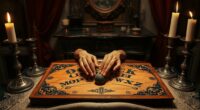
Ancient Celts believed that during Samhain, the boundary between the living and the dead became especially thin, allowing spirits to pass freely between worlds. They thought that these spirits could return to visit the living, bringing messages or unfinished business. To honor and appease these spirits, people left out food, drinks, and personal items as offerings. They also believed that spirits could influence the living, so they took precautions to protect themselves from harmful or mischievous ghosts. Many thought that the spirits of ancestors played a crucial role in guiding and nurturing their descendants. These beliefs were closely tied to their understanding of spirit communication and the importance of maintaining balance with the spiritual realm. Overall, these beliefs shaped how the Celts viewed death and the afterlife, emphasizing an ongoing connection between the living and those who had passed on.
As an affiliate, we earn on qualifying purchases.
Transition and Blending of Cultural Traditions
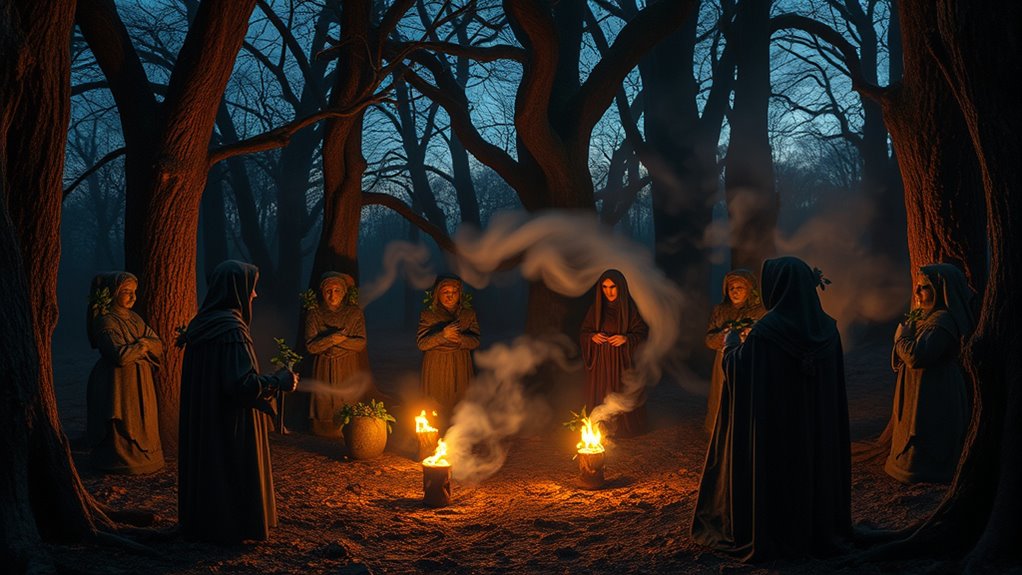
As cultures interacted and exchanged ideas over centuries, their Halloween and Samhain customs began to blend and evolve. You’d notice how pagan rituals merged with Christian practices, creating new traditions. For example, the Irish observance of Samhain influenced All Hallows’ Eve, leading to the modern Halloween. Symbols like pumpkins, originally gourds from Celtic harvest festivals, transformed into jack-o’-lanterns. Customs such as bonfires and costumes adapted as communities incorporated local beliefs and practices. This blending allowed different groups to maintain their cultural identities while embracing new influences. Over time, these traditions shifted from solemn rites to festive celebrations, reflecting changing social attitudes. The fusion of customs created a rich tapestry that connects ancient Gaelic rituals with today’s global Halloween festivities. Additionally, the ongoing evolution of these traditions demonstrates how curiosity about cultural origins can deepen our understanding of modern celebrations.
As an affiliate, we earn on qualifying purchases.
Evolution of Samhain Into Modern Halloween Practices
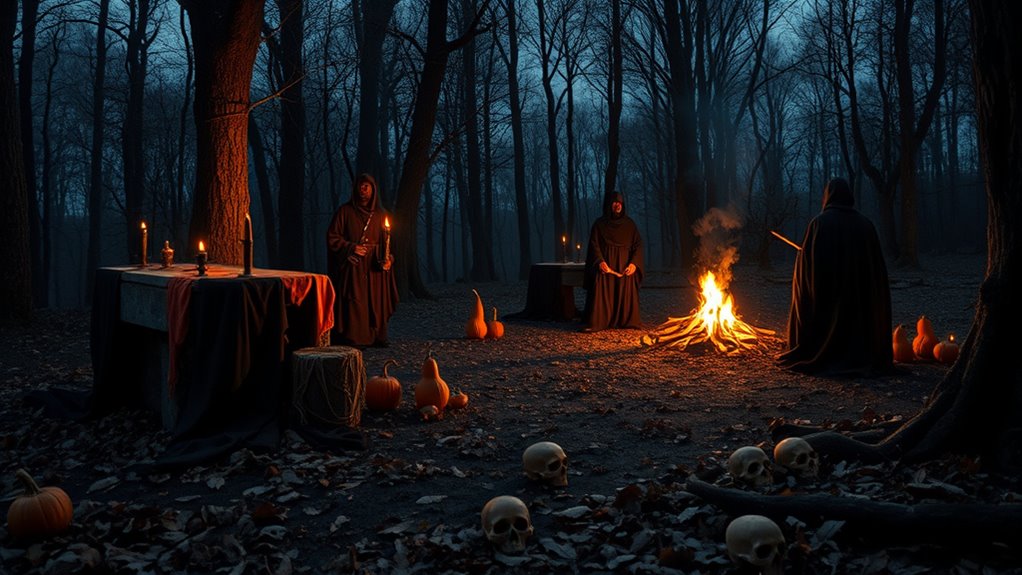
The transformation of Samhain into modern Halloween practices reflects centuries of cultural adaptation and changing social attitudes. Over time, communities incorporated new customs, blending indigenous traditions with influences from Christianity and other cultures. For example, the practice of dressing in costumes evolved from ancient disguises meant to ward off spirits, eventually becoming a fun, community event. The tradition of trick-or-treating has roots in medieval practices like “souling” and “guising,” where people went door-to-door asking for food or money. As Halloween spread across different regions, it absorbed local customs, shifting from a solemn, spiritual occasion to a festive, playful celebration. These changes allowed Halloween to resonate with diverse audiences, making it a widely celebrated holiday today. Incorporating spiritual decor elements can also highlight the holiday’s roots in honoring spirits and the supernatural.
Symbolism and Rituals Preserved Through Time
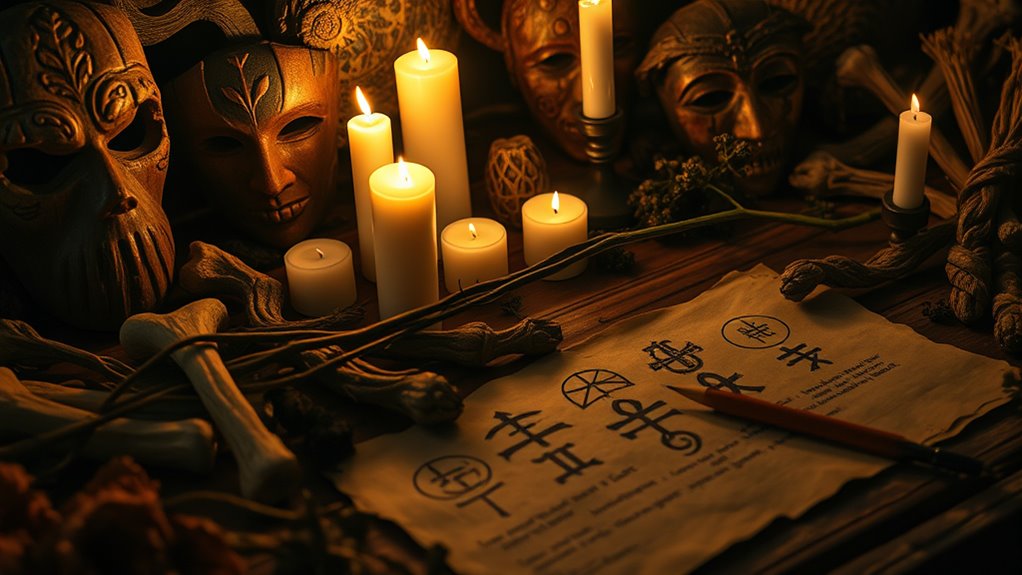
Many of the symbols and rituals from Samhain remain central to Halloween celebrations today because they carry deep cultural significance. You’ll notice the use of carved pumpkins, known as Jack-o’-lanterns, which originated from turning gourds into lanterns to ward off spirits. Costume wearing also traces back to disguising oneself to confuse wandering spirits or ancestors. Fire plays an essential role, symbolizing protection and guiding souls. Traditional practices like lighting bonfires and offering food or treats continue to honor spirits and ancestors. These rituals serve as reminders of the boundary between worlds and the importance of honoring traditions. Additionally, advanced filtration systems in modern vacuums help create a cleaner environment during festive gatherings, reflecting the ongoing desire for purity and protection associated with ancient rituals. By preserving these symbols and rituals, Halloween maintains its roots in ancient Celtic beliefs, blending history and modern celebration into a shared cultural experience.
Frequently Asked Questions
How Did Samhain Influence Other European Harvest Festivals?
Samhain influenced other European harvest festivals by introducing themes of honoring ancestors and celebrating the changing seasons. You might notice that many festivals incorporate bonfires, feasting, and rituals to mark the end of harvest and prepare for winter, much like Samhain. These traditions spread across regions, blending local customs with Samhain’s influence, creating a rich tapestry of harvest celebrations that emphasize gratitude, remembrance, and community bonding.
What Specific Foods Were Traditionally Eaten During Samhain Celebrations?
During Samhain celebrations, you’d enjoy foods like apples, which symbolize the harvest, and potatoes, a staple for sustenance. People also ate hearty stews, seasonal vegetables, and baked goods like bread and cakes. In some traditions, nuts and dried fruits were common, representing abundance. These foods helped honor the harvest and provided nourishment for the coming winter, creating a festive atmosphere rooted in gratitude and community.
Are There Any Regional Variations of Samhain Rituals Across Celtic Communities?
You’ll find that regional variations of Samhain rituals are as diverse as the Celtic communities themselves. In Ireland, you might light bonfires to ward off spirits, while Scottish traditions include storytelling and divination games. Welsh communities often focus on ancestor veneration, and in Brittany, rituals blend Celtic roots with Christian influences. So, no matter where you are, Samhain adapts beautifully—proof that even ancient traditions love a little local flair.
How Did the Christian Church Historically Respond to Samhain Practices?
The Christian church historically condemned Samhain practices, viewing them as pagan and incompatible with Christian teachings. They often sought to suppress or replace these rituals, sometimes integrating Christian elements to ease conversion. During medieval times, authorities discouraged or outright banned Samhain celebrations, aiming to discourage pagan traditions and promote Christian observance. Over centuries, this opposition helped diminish the public prominence of Samhain, blending it into the evolving customs associated with Halloween.
What Are Some Lesser-Known Symbols Associated With Ancient Samhain Ceremonies?
You might not realize that during ancient Samhain ceremonies, symbols like carved turnips or mangelwurzel lamps lit to guide spirits were common, serving as protective charms. Additionally, animal skulls and bones were used to ward off evil spirits and connect with ancestors. These symbols played a crucial role in the rituals, creating a mysterious atmosphere that honored the spirits and guaranteed protection for the community through the dark, sacred night.
Conclusion
As you explore the roots of Halloween, remember that you’re walking through a story as old as the spirits of Samhain themselves. Just like the veil between worlds once thinned for the ancients, your celebrations connect you to centuries of tradition and mystery. Embrace the symbols and rituals, knowing they’re part of a timeless dance between the living and the departed—an eternal echo of the Celtic festival that still whispers in every spooky night.
Halloween Picks
halloween
As an affiliate, we earn on qualifying purchases.