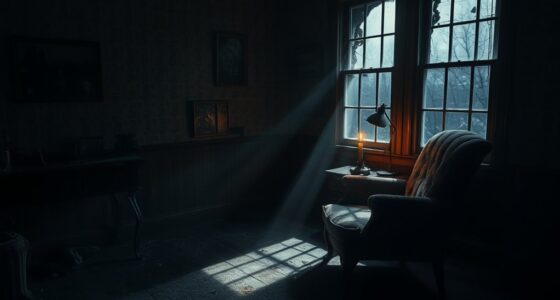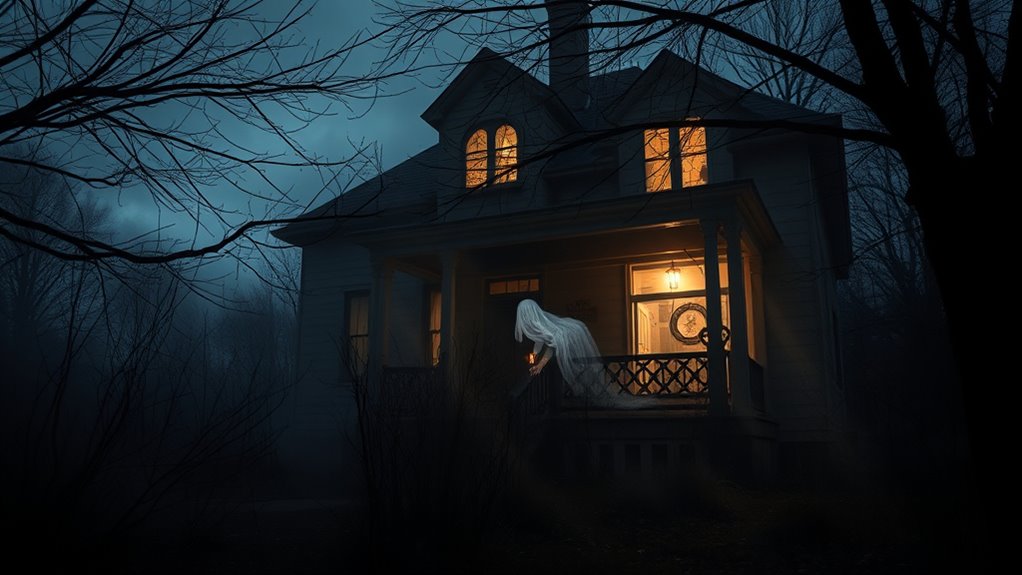
Yes, paranormal activity often seems seasonal because cultural traditions, environmental changes, and emotional states influence perception and experiences. During certain times like Halloween or winter holidays, increased focus on spirits and myths can heighten awareness of supernatural phenomena. Environmental factors like temperature and humidity fluctuations, along with seasonal emotional shifts, can also affect reports. If you stay curious, you’ll uncover how myth, science, and belief weave together to shape these seasonal perceptions.

Get movie nights delivered free — and shop member deals
- Fast, free delivery on millions of items
- Access to Prime Big Deal Days deals on October 6–7
- Prime Video, Amazon Music and more included
Key Takeaways
- Paranormal activity reports often peak during specific seasons, influenced by cultural festivals like Halloween or Día de los Muertos.
- Environmental factors such as temperature, humidity, and electromagnetic fluctuations vary seasonally, affecting perceived paranormal phenomena.
- Psychological states like Seasonal Affective Disorder can heighten sensitivity and lead to increased reports during darker months.
- Mythological and cultural traditions link certain seasons with heightened spiritual or supernatural activity.
- Natural seasonal changes can produce sounds or movements mistaken for paranormal events, contributing to perceived seasonality.
EMF meter for paranormal investigation
As an affiliate, we earn on qualifying purchases.
As an affiliate, we earn on qualifying purchases.
The History of Seasonal Paranormal Reports

Throughout history, reports of paranormal activity often spike during specific seasons, suggesting a connection between the time of year and the frequency of ghost sightings or supernatural encounters. Ancient cultures documented seasonal patterns, noting increased ghost stories during harvest festivals or winter months. In medieval times, towns reported more supernatural events around holidays like Samhain or All Hallows’ Eve, believed to be times when the veil between worlds was thinnest. As you explore historical accounts, you’ll find that people have long connected certain seasons with heightened paranormal activity. These reports often stem from cultural beliefs, seasonal changes, or collective fears that intensify during specific times of the year. Recognizing these patterns helps you understand how seasonal factors have historically influenced paranormal perceptions. One reason for these seasonal fluctuations could be the psychological effects of seasonal changes, which may heighten fear and suggestibility during darker or colder months.
As an affiliate, we earn on qualifying purchases.
Cultural Beliefs and Seasonal Superstitions
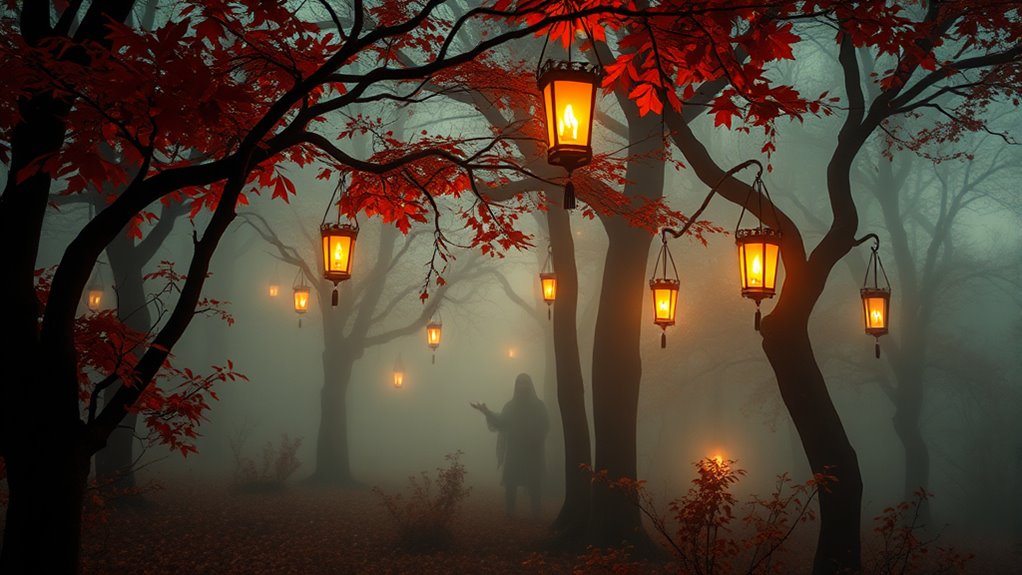
Many cultures have unique superstitions tied to specific seasons, shaping how people interpret strange occurrences. Holidays often carry ghostly beliefs or rituals believed to ward off spirits or invite them in. You might also notice mythical creatures associated with particular times of year, influencing local stories and fears.
Seasonal Superstitions Across Cultures
Seasonal superstitions reflect deep-rooted cultural beliefs about how certain times of year influence luck, health, and behavior. Across cultures, different seasons carry unique meanings and associated rituals. For example, in Chinese tradition, the Lunar New Year symbolizes renewal and good fortune, leading people to perform specific rites. In European folklore, the arrival of spring often signifies rebirth, prompting superstitions about planting and harvesting. Meanwhile, in some African cultures, certain seasons are believed to bring about spiritual cleansing or protection from evil spirits. You might notice that these beliefs shape daily practices, festivals, and taboos during particular times of year. Recognizing these cultural variations helps you understand how seasonal superstitions serve as a reflection of collective hopes, fears, and the desire for harmony with nature. Additionally, understanding the cultural significance of seasonal rituals can deepen your appreciation for diverse traditions and their role in fostering community bonds.
Holidays and Ghostly Beliefs
Have you ever wondered how holidays are often intertwined with ghostly beliefs and supernatural traditions? During certain celebrations, people focus on spirits, ancestors, and the afterlife, creating a sense of connection beyond the physical world. For example, Halloween is famous for its ghostly themes, encouraging stories of spirits and haunted places. Similarly, Día de los Muertos honors loved ones who have passed, blending remembrance with supernatural symbolism. These holidays reinforce the idea that spirits are more active or accessible during specific times of the year. Cultural beliefs shape how communities perceive paranormal activity, often attributing heightened supernatural presence to seasonal or holiday periods. These traditions reflect deep-rooted fears, respect for the dead, and the desire to communicate with the other side. Additionally, understanding the best anime movies and animated films can offer cultural insights into how different societies interpret the supernatural and the unseen.
Mythical Creatures in Seasons
Throughout different holidays and cultural celebrations, stories of mythical creatures often emerge, shaping seasonal beliefs and superstitions. You might have heard of fairies during spring festivals or krakens lurking in autumn waters, influencing how people perceive these times. In many cultures, seasonal legends involve creatures like the Yule Cat in winter or water spirits in summer, believed to bring either good fortune or misfortune. These tales serve as moral lessons, warnings, or explanations for natural phenomena. You could find yourself more cautious around specific times of the year, respecting these mythical beings’ supposed powers. Such stories reinforce the idea that seasons are not only about weather but also about encounters with the supernatural, making each time of year feel more enchanted and mysterious. Additionally, the presence of spiritual beliefs related to seasonal mythical creatures often reflects deeper cultural values and social cohesion.
spirit box for ghost communication
As an affiliate, we earn on qualifying purchases.
As an affiliate, we earn on qualifying purchases.
Scientific Perspectives on Paranormal Fluctuations
Scientific perspectives on paranormal fluctuations often approach these phenomena with skepticism, seeking explanations rooted in natural causes rather than supernatural forces. Researchers look for tangible factors such as environmental changes, psychological influences, or sensory misperceptions that might explain what people interpret as paranormal activity. For example, fluctuations in electromagnetic fields, temperature variations, or even routine disturbances can create sensations or sounds that feel inexplicable. Additionally, cognitive biases like confirmation bias or the power of suggestion can influence perceptions, making individuals more likely to interpret ambiguous stimuli as paranormal. These scientific approaches emphasize testing and replicating observations to determine whether natural explanations exist. While some claim these fluctuations are seasonal, scientists prioritize evidence-based analysis, often finding mundane causes behind what seems extraordinary. For instance, regular environmental factors like air quality fluctuations may contribute to perceived paranormal experiences during certain times of the year.
night vision binoculars for paranormal research
As an affiliate, we earn on qualifying purchases.
As an affiliate, we earn on qualifying purchases.
Environmental Factors Influencing Paranormal Activity
Temperature fluctuations can cause spirits or unexplained phenomena to become more active, making sightings more frequent during seasonal changes. Humidity levels also play a role by affecting energy conduction and perception, potentially heightening paranormal experiences. By understanding these environmental factors, you can better grasp why certain times seem more prone to activity. Additionally, seasonal variations can influence the presence of wildlife and natural sounds, which may be misinterpreted as paranormal activity.
Temperature Fluctuations Impact
When temperatures fluctuate, they can considerably influence paranormal activity by affecting the environment’s energy dynamics. Sudden shifts in temperature can create stress within physical spaces, potentially disrupting or amplifying residual energy. Cold drafts or rising heat may cause unexplained movements or sounds, as energy fields respond to environmental changes. These fluctuations can also alter the perception of activity, making phenomena seem more intense or sporadic. For example, a sudden drop in temperature might trigger feelings of unease or heighten sensitivities, leading you to interpret subtle signs as paranormal. Temperature shifts can also impact electromagnetic fields, which are often linked to hauntings. Additionally, spiritual energy can be affected by environmental stressors, influencing how energy signatures manifest or are perceived. Overall, these fluctuations can either mask or amplify paranormal signs, making temperature stability a vital factor in understanding seasonal patterns of activity.
Humidity and Energy Levels
Have you ever noticed how humidity levels seem to influence the presence of paranormal activity? High humidity creates a damp environment that can amplify electromagnetic fields, which are often linked to ghostly occurrences. Moist air also affects how sound travels, making unexplained noises more noticeable. Low humidity, on the other hand, tends to make the air feel dry and still, potentially reducing the energy that paranormal entities feed on. Some researchers believe that humid conditions increase the energy available for spirits to manifest by enhancing electrical conductivity in the environment. As humidity fluctuates seasonally, so might the intensity or frequency of paranormal activity. Additionally, AI safety measures in monitoring environmental factors could help in understanding these phenomena more accurately. Paying attention to humidity levels can help you understand when supernatural occurrences are more likely to happen, especially during damp or humid seasons.
The Role of Psychological States and Seasonal Affective Disorder

Psychological states markedly influence how you perceive and experience paranormal activity, especially during certain seasons. When you’re feeling down or overwhelmed, you’re more likely to interpret ambiguous sensations as supernatural. Seasonal Affective Disorder (SAD) can heighten feelings of anxiety, loneliness, and depression, which can distort your perception of events around you. It’s common to experience:
- Increased sensitivity to noise and shadows
- Heightened fear or paranoia
- Misinterpretation of normal stimuli as paranormal
- Lowered mood amplifying feelings of unease
During darker months, your mind becomes more susceptible to these distortions, making you more prone to believing in or sensing paranormal phenomena. Recognizing how your psychological state influences perceptions helps you differentiate between reality and seasonal emotional shifts. According to vetted Halloween Product Reviews, seasonal changes can also influence the way individuals interpret costumes and supernatural themes, further affecting perceptions during this period.
Personal Experiences and Seasonal Patterns
Personal experiences with paranormal activity often vary throughout the year, revealing clear seasonal patterns. You might notice more strange occurrences during specific times, like winter’s long nights or the passage seasons. Some people report feeling more sensitive or alert during certain months, which they believe heighten their awareness of paranormal events. Others notice a spike in activity after holidays or during periods of stress, suggesting a psychological or environmental influence. Personal stories often mention increased sightings or sounds in colder months or during thunderstorms. These patterns might be linked to changes in energy levels, weather, or emotional states that fluctuate with seasons. Additionally, factors influencing perception such as mood and environment can also affect the frequency and intensity of paranormal encounters. Recognizing these patterns can help you better understand your experiences and distinguish between environmental factors and potential paranormal activity.
Case Studies: Notable Seasonal Paranormal Incidents
Throughout history, several documented cases highlight how seasonal changes can influence paranormal activity, often occurring during specific times of the year. For example, during Halloween, reports of ghost sightings and strange noises spike in many haunted locations. In 1974, a series of poltergeist incidents in Enfield, England, intensified during colder months, possibly linked to seasonal stress. The Bell Witch haunting in Tennessee reportedly worsened around the fall harvest season, adding an eerie atmosphere.
Seasonal changes often heighten paranormal activity, especially during Halloween and colder months.
- The Tower of London sees increased ghost sightings in winter months.
- The Myrtles Plantation experiences more activity during autumn.
- The Brown Lady of Raynham Hall is often seen during late fall.
- Reports from the Winchester Mystery House peak around Halloween.
These cases suggest a pattern of heightened activity aligned with seasonal changes.
Exploring the Connection: Myth, Science, and Personal Belief
The connection between seasonal paranormal activity and human beliefs is a fascinating blend of myth, science, and individual perception. You might notice how cultural stories and traditions influence your interpretation of unusual phenomena during certain times of the year. Scientific explanations often focus on environmental factors, like changes in temperature or light, that can alter human psychology and heighten sensitivity to the unknown. Personal belief plays a huge role too; if you’re convinced something supernatural is more likely during specific seasons, your mind may be more attuned to detecting it. This interplay creates a complex web where myth shapes perception, science offers alternative explanations, and personal experiences reinforce beliefs, making seasonal paranormal activity feel more real or significant to you.
Frequently Asked Questions
Can Weather Changes Trigger Paranormal Activity Fluctuations?
Yes, weather changes can trigger fluctuations in paranormal activity. You might notice more activity during thunderstorms, heavy winds, or cold snaps, as these conditions can increase stress or energy in a space, making spirits or anomalies more apparent. Sharp temperature drops or lightning can also stir up residual energies. So, if you’re experiencing unusual events, consider how recent weather shifts could be influencing what you’re witnessing.
Are Certain Times of Year More Prone to Ghost Sightings?
Yes, certain times of year feel like ghostly symphonies, with more sightings and eerie encounters. You might notice increased activity around Halloween, when the veil between worlds feels thinnest, or during the winter solstice, when darkness reigns supreme. These moments seem to stir restless spirits, making it seem like the supernatural world dances more vividly during specific seasons. Keep your senses sharp—these times could reveal hidden secrets from beyond.
How Do Cultural Festivals Influence Seasonal Paranormal Reports?
Cultural festivals often heighten paranormal reports because they attract large crowds, evoke strong emotions, and honor spirits or ancestors. You might notice more ghost sightings or strange occurrences during these times because people are more attuned to the supernatural or the environment feels more charged. Festivals create a sense of ritual and remembrance, which can open pathways for perceived or real paranormal activity, making these periods seem especially active.
Is There Scientific Evidence Linking Moon Phases to Hauntings?
There’s no solid scientific proof linking moon phases to hauntings, but some believe the full moon stirs up paranormal activity. You might think it’s just coincidence, but many report heightened sightings during full moons. While science remains skeptical, it’s clear that the moon’s influence on human mood and behavior keeps the mystery alive. Until proven otherwise, it’s safe to say that the connection remains in the domain of speculation.
Do Personal Beliefs Affect Perceived Seasonal Paranormal Activity?
Your personal beliefs definitely influence how you perceive seasonal paranormal activity. If you’re convinced that ghosts are more active during certain times of year, you’re more likely to notice and interpret unexplained events as paranormal. Your mindset shapes your awareness and reactions, making you more sensitive to potential signs. Beliefs can create a self-fulfilling experience, where expectation amplifies perceived activity during specific seasons.
Conclusion
So, as you’ve seen, paranormal activity seems to dance to the seasons—whether from ancient superstitions, environmental shifts, or just your mind playing tricks. Ironically, the more you chase seasonal ghosts, the more they might slip away, proving that sometimes, belief and science are just two sides of the same spooky coin. Whether real or imagined, one thing’s clear: you’re never truly alone, especially when the seasons change.
Fall Picks
fall essentials
As an affiliate, we earn on qualifying purchases.