TL;DR

Get movie nights delivered free with Prime
- Fast, free delivery on millions of items
- Prime Video, Amazon Music and more included
- Member-only deals all year
A developer built Beep Locator, a browser-based system that uses several devices to locate an intermittent sound. The system placed the beep within about 40 centimetres of an old carbon monoxide detector in a box room; the account does not provide independent testing or evidence that the method works reliably in other settings.
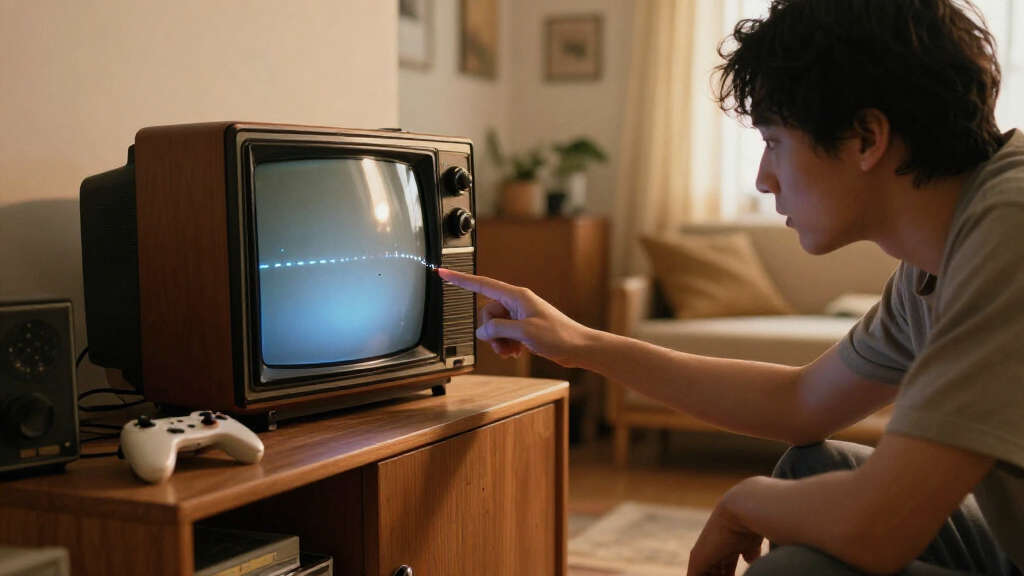
A developer says a home-built system called Beep Locator pinpointed an intermittent sound to within about 40 centimetres, helping locate an old carbon monoxide detector in a room full of unpacked boxes. The software used several phones, tablets and computers as synchronized listeners, turning an everyday search into a practical test of acoustic localization.
The developer, writing in a post dated November 9, 2026, said the beeps began in a box room a couple of weeks earlier. Because they occurred at long intervals, it was difficult to identify their source by listening in the room, and searching through every box was undesirable. The eventual source was an old carbon monoxide detector that needed new batteries, according to the account.
Beep Locator runs a Python web server that coordinates listener devices connected through a browser. The developer used two iPads, a phone, a MacBook Pro and a Surface Ultra. The devices requested microphone access and sent detected sound events to the server over WebSockets. The account says an automatic attempt to estimate device positions from sounds between the devices did not work particularly well, so the developer added a rough mode for manually placing device icons before refining their positions.
To help line up recordings from different devices, the server selected one device to play a short chirp after a listener detected a possible beep. It then collected audio clips spanning roughly 0.6 seconds before the beep to 0.8 seconds after the chirp. The developer also used a clapping mode to test the system with sounds made at different points in the room. Once a candidate beep was recognized, the software tracked its frequency and timing and used the listener locations to estimate its position.
Locating the source of a mysterious beep
A developer says Beep Locator used everyday devices to find an intermittent beep in a box room. The result is one reported home test, not independent evidence of reliability.
What found the beep
Several connected devices listened from different positions around the room.
Everyday hardware
Two iPads, a phone, a MacBook Pro and a Surface Ultra served as synchronized listeners.
Browser based
A Python server coordinated browser listeners that detected sound events and sent them over WebSockets.
How the search worked
A reference chirp helped align recordings so the system could compare when the beep reached each device.
Devices detected possible sound events through their microphones.
One device played a short chirp; the server collected audio around the beep and chirp.
The software used beep timing and listener locations, which were roughly placed manually and adjusted with sound measurements.
What the result means
- The estimate led to an old carbon monoxide detector in a pile of boxes.
- The detector needed new batteries.
- The account reports one household test.
- It gives no independent evaluation or results from other settings.
Turning Household Devices Into Listeners
The project shows one way ordinary phones and computers can be coordinated to investigate a sound that is hard to locate by ear. Rather than relying on a single microphone or repeatedly searching the room, the system compares recordings from devices at different positions and uses a reference chirp to align them. In this case, the reported estimate narrowed the search to a particular pile of boxes.
The result is a single reported household test, not evidence that the tool has been independently evaluated or will achieve the same accuracy in other rooms. Still, it offers a concrete example of acoustic localization being adapted into a browser-based application using common consumer hardware. The source also demonstrates a modest practical benefit: the developer says the estimate helped find a detector whose battery needed attention.
Popular right now

Breville Bambino Espresso Machine, Brushed Stainless Steel

Ninja Foodi Air Fryer 8 Qt DualZone 6-in-1 Grey DZ201

Shark AI Ultra Robot Vacuum with Matrix Clean Navigation, Self-Empty Base, HEPA Filtration, Pet Hair Friendly, Wi‑Fi, Dark Grey
As an affiliate, we earn on qualifying purchases.
The Acoustic Method Behind the App
The developer said work on the project drew on BeepBeep, a 2007 research paper by Chunyi Peng, Guobin Shen, Yongguang Zhang, Yanlin Li and Kun Tan. The paper describes an acoustic ranging system designed to use commodity devices with speakers, microphones and device-to-device communication, without pre-planned infrastructure. Its abstract identifies two-way sensing, self-recording and sample counting as techniques used to improve accuracy.
In the developer’s account, Claude Code found the paper during the early planning stage. The developer then built the system around a central server and browser-based listeners, and tested it with devices placed around the room. The post says software components could be updated remotely while the listeners were connected, allowing the developer to make changes during testing. The reported 40-centimetre estimate came after manual rough placement and sound-based adjustment, rather than fully automatic positioning alone.
“The system worked as intended. It gave me the position of the beep to within about 40cm.”
— The developer describing the result
How Accurate It Is Beyond One Room
The account does not describe an independent evaluation, repeated accuracy tests or performance in different room layouts. The reported 40-centimetre accuracy applies to this one search, and the comparison method used to establish that precision is not detailed. The developer also says automatic device positioning did not work particularly well, prompting the addition of manual rough placement.
Other limits are not specified, including how the method performs with background noise, reflections, multiple possible beeps or devices with different microphones. The post identifies the source as an old carbon monoxide detector, but does not state its model, how long it had been beeping or whether the device was replaced after its batteries were changed. It is also unclear whether the software has been packaged for other users or tested outside the developer’s home.
Further Testing Would Establish Reliability
The post describes the detector search and the system’s implementation, but does not announce a release schedule, formal study or additional tests. The next useful evidence would be results from repeated trials in rooms with different layouts and sound conditions, including a clear account of how the position estimate is measured.
For now, Beep Locator is best understood as a working prototype reported by its developer. The account does not say whether the code is publicly available or whether development will continue, so the tool’s availability and future testing remain open.
Key Questions
What was making the beep?
The developer says the source was an old carbon monoxide detector found in a pile of boxes. It needed new batteries.
How did Beep Locator search for the sound?
Several phones, tablets and computers listened through their microphones. The software detected possible beeps, aligned short recordings using a reference chirp and used the devices’ estimated positions to map the sound.
How close did the system get?
The developer reported that it located the beep to within about 40 centimetres in this room. The account does not provide independent verification or results from other settings.
Did the devices locate their own positions automatically?
Not reliably enough for the developer’s needs. The account says automatic sound-based positioning did not work particularly well, so a rough mode was added that let the developer place device icons manually before adjusting their positions with sound measurements.
Is Beep Locator available to the public?
The source describes how the developer built and used the software but does not say whether it has been released publicly.
Source: Hacker News