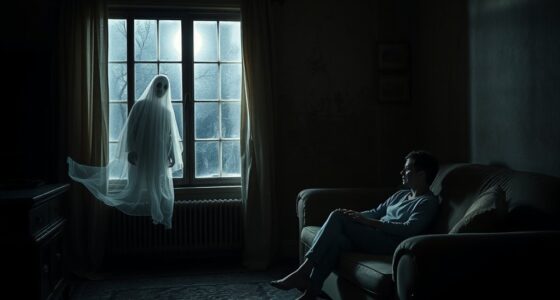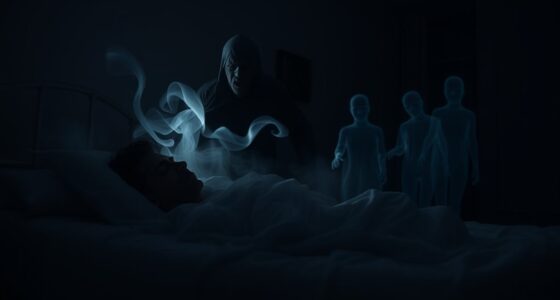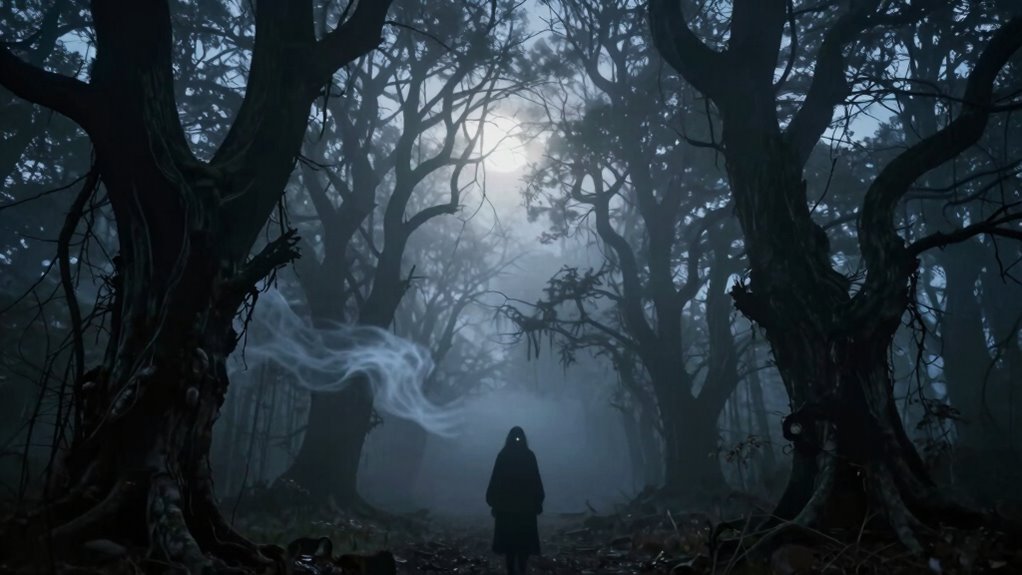

You notice how paranormal myths spread quickly because sensational stories and emotional appeals grab your attention more than facts do. Social media amplifies these tales with blurry photos, shaky videos, and intriguing legends, making them seem real despite lacking proof. Algorithms prioritize these exciting stories, encouraging sharing and belief. Your curiosity and emotions keep the cycle going, often overshadowing the truth. Keep exploring, and you’ll discover why myths take hold so easily and how to spot the difference.

Get movie-night favorites delivered free — and shop member deals
- Fast, free delivery on millions of items
- Access to Prime Big Deal Days deals on October 6–7
- Prime Video, Amazon Music and more included
Key Takeaways
- Sensational content and ambiguous media increase emotional engagement, encouraging rapid sharing despite lacking proof.
- Social media algorithms prioritize viral, dramatic stories, amplifying paranormal myths over factual information.
- Confirmation bias causes individuals to accept and share myths aligning with their existing beliefs.
- Myths are emotionally compelling, making them more memorable and likely to spread quickly.
- The ease of sharing online content accelerates the dissemination of unverified paranormal stories.
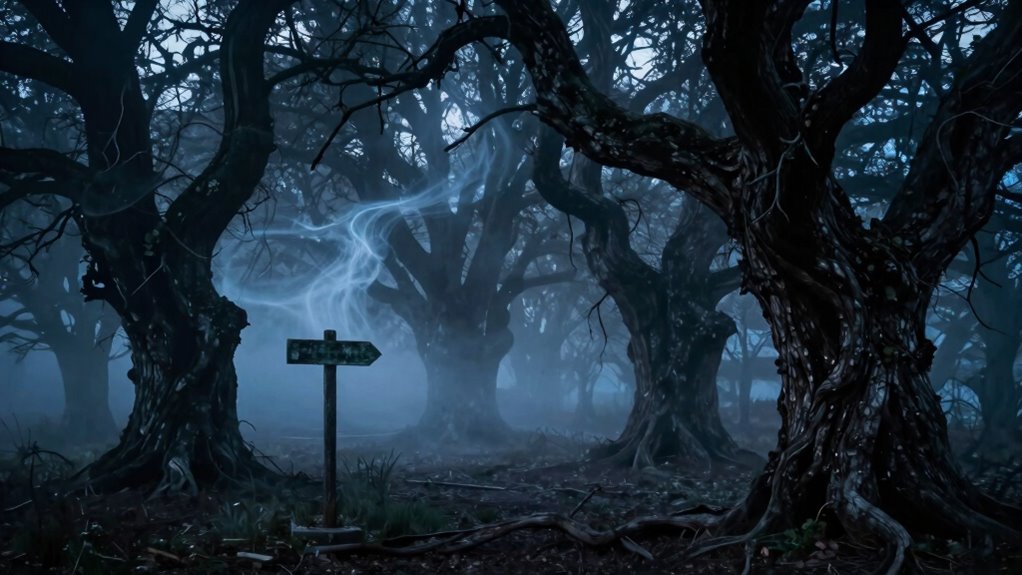
Paranormal myths spread more quickly than verified facts, often fueled by sensational stories and social media hype. These stories spread like wildfire, often without any real proof, because they tap into our curiosity and love for the mysterious. When someone claims to have seen Bigfoot lurking in the woods or captured a ghostly figure in a haunted house, it’s easy for others to share and believe. The immediacy of social media allows these tales to reach millions in a matter of hours, creating a viral sensation that’s hard to verify but impossible to ignore.
Cryptid sightings, in particular, thrive in this environment. A single blurry photo or a shaky video can become the centerpiece of a viral story, even if it’s heavily edited or simply ambiguous. These stories often grow with each retelling, morphing into more elaborate accounts that fuel further speculation. People love to imagine that these mysterious creatures still walk among us, and the more sensational the sighting, the more likely it’ll be shared. Haunted locations also play a significant role in this spread. When a town or building is rumored to be haunted, visitors and online commenters jump at the chance to share their own spooky experiences or alleged evidence. These stories circulate rapidly, especially when local legends are amplified by social media posts, photos, or videos, regardless of their authenticity.
What makes these myths so contagious is the human tendency to seek stories that evoke emotion—fear, excitement, or curiosity. When you come across a compelling story about a cryptid or haunted location, it’s easy to get caught up in the narrative, often overlooking the lack of solid evidence. This emotional pull, combined with the ease of sharing content online, means that false or exaggerated accounts can overshadow factual information. Additionally, The rapid spread of information can create a distorted perception of reality, making it difficult for factual stories to compete with sensational ones. The power of social media algorithms amplifies sensational content, making it even more difficult for factual stories to gain visibility. Furthermore, confirmation bias leads individuals to accept stories that align with their existing beliefs, further fueling the spread of myths. This cycle is reinforced by the widespread belief in the supernatural, which encourages people to interpret ambiguous evidence as proof of paranormal phenomena rather than as misinterpretations or hoaxes. As a result, the spread of misinformation often outpaces the dissemination of verified facts, making it challenging to distinguish truth from fiction.
As an affiliate, we earn on qualifying purchases.
Frequently Asked Questions
How Do Social Media Platforms Influence Myth Dissemination?
Social media platforms influence myth dissemination through viral sharing and algorithm amplification. When you share paranormal stories, they quickly reach a broader audience because algorithms prioritize engaging content, regardless of accuracy. Viral sharing encourages others to spread myths without fact-checking, while algorithm boosts guarantee these stories appear more frequently in feeds. This dynamic accelerates the spread of myths, making them seem more credible and widespread than factual information.
Why Do Some Myths Persist Despite Scientific Evidence?
You might find that myths persist despite scientific evidence because historical misconceptions shape beliefs deeply rooted in culture. These stories often resonate emotionally or align with cultural influences, making them harder to change. When new facts challenge long-held views, people may cling to familiar narratives. Your biases and social environment strengthen these myths, causing them to endure even when scientific proof contradicts them, as they’re woven into your collective identity.
What Role Do Celebrities Play in Spreading Paranormal Myths?
Coincidences often spark curiosity, and celebrity influence notably amplifies paranormal myths. When a well-known figure hints at or shares a supernatural experience, it lends credibility, encouraging fans to believe and spread the story. This myth amplification leverages their fame, making the myth seem more plausible. As a result, paranormal tales gain momentum quickly, overshadowing scientific facts, because followers tend to trust celebrities’ personal narratives over empirical evidence.
How Does Confirmation Bias Affect Belief in Paranormal Stories?
You’re more likely to believe paranormal stories because of confirmation bias, which causes you to favor information that supports your existing beliefs. Cognitive distortions, like dismissing evidence that contradicts your views, and sensory illusions, such as misinterpreting natural sounds as supernatural, reinforce these myths. These mental shortcuts make you unconsciously seek out and remember stories that confirm your fears or assumptions, fueling the rapid spread of paranormal myths over facts.
Can Education Reduce the Spread of Paranormal Myths?
Yes, education can reduce the spread of paranormal myths. When you develop critical thinking skills, you learn to question claims and analyze evidence. Fact checking enhances your ability to distinguish between truth and fiction. By promoting these skills, education empowers you to challenge misconceptions, resist false stories, and prevent myths from spreading. Ultimately, an informed mind is less likely to fall for paranormal myths and more likely to seek factual understanding.
As an affiliate, we earn on qualifying purchases.
Conclusion
You see, paranormal myths are like wildfire in dry grass—eager to spread and impossible to contain. Their allure lies in mystery and fear, fueling whispers that dance through the shadows. As you navigate this labyrinth of tales, remember that truth is often a quiet whisper amid the roaring storm of stories. Stay curious, question fiercely, and don’t let the flames of myth consume your understanding of reality.
As an affiliate, we earn on qualifying purchases.
As an affiliate, we earn on qualifying purchases.
Halloween Picks
halloween
As an affiliate, we earn on qualifying purchases.